PRF vs PRP – What’s the Difference?
Many Australians hear about PRP and PRF treatments but feel unsure about how they differ. Questions about PRF vs PRP often come up in clinic settings, as both treatments use a person’s own blood and are commonly discussed in relation to skin and hair concerns. These regenerative treatments are valued for their non-surgical approach and focus on supporting the body’s natural healing processes.
PRP stands for platelet-rich plasma, while PRF refers to platelet-rich fibrin. Both treatments are prepared from a small blood sample and rely on platelets and naturally occurring growth factors. These components play a role in supporting tissue repair and collagen production. PRP and PRF are used in a range of clinical and aesthetic contexts, including skin quality support and hair-related concerns, depending on individual needs.
The main difference between PRP and PRF lies in how each product is prepared and how it is delivered to the treatment area. These differences may influence how the treatment is selected for a particular concern. Understanding how PRP and PRF compare can help guide informed discussions with a qualified practitioner, who can assess suitability based on individual goals, medical history, and treatment area.
What Is PRP?
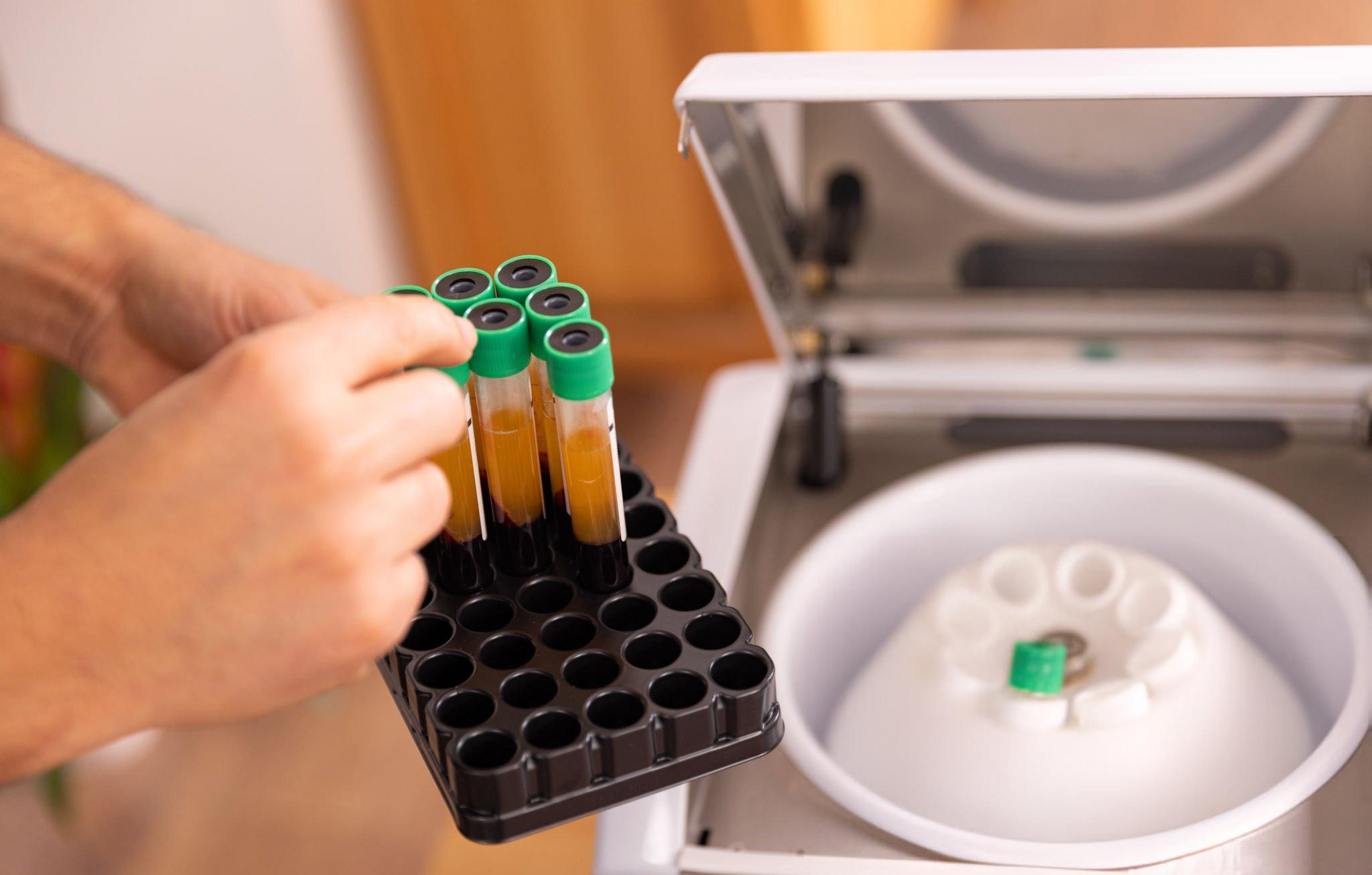
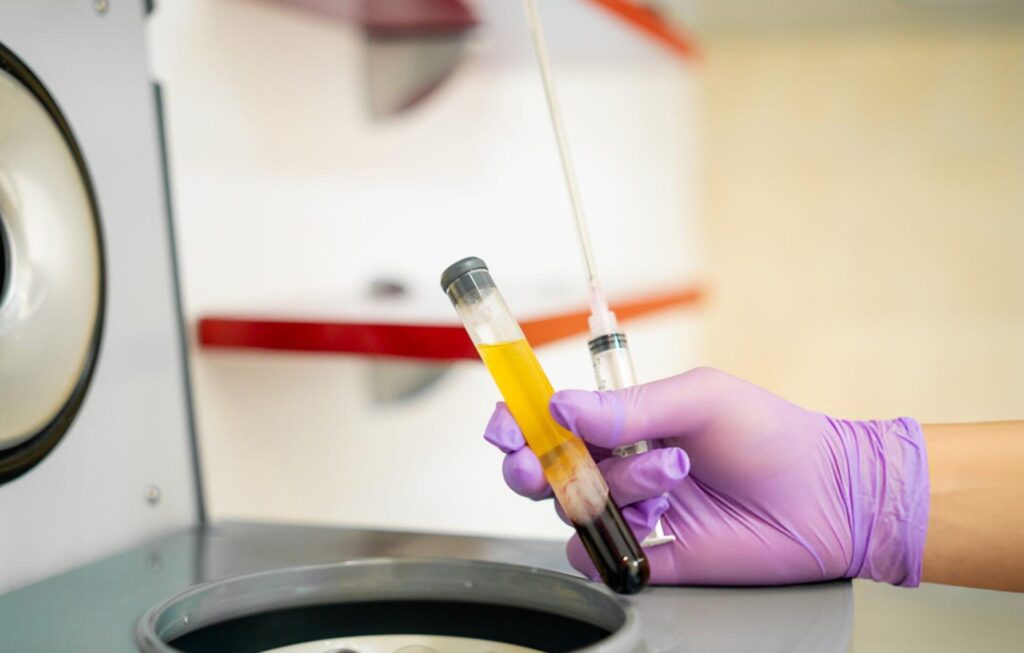
PRP stands for platelet-rich plasma. This treatment involves taking a small amount of your blood and processing it in a centrifuge to separate its components. The platelet-rich portion is then prepared for use, as platelets contain growth factors involved in the body’s natural repair processes.
Platelets play a role in supporting tissue repair. When PRP is applied to the skin or scalp, these growth factors may assist with collagen production and skin renewal. This process works alongside the body’s normal healing response rather than replacing it.
PRP is commonly discussed in relation to:
-
Hair thinning and hair density concerns
-
Fine lines and skin texture changes
-
Acne scarring
-
Skin that appears dull or uneven
-
Pigmentation irregularities
Many people choose PRP treatment because it uses their own blood, which reduces the likelihood of allergic reactions. As PRP is autologous (from the same individual), it is generally well tolerated when performed by a qualified practitioner.
PRP has been used in medical settings for many years, particularly in areas focused on tissue repair. In aesthetic practice, it is applied as a supportive treatment for skin quality and hair-related concerns, depending on individual suitability and clinical assessment.
What Is PRF?
PRF stands for platelet-rich fibrin. Like PRP, it uses your own blood, but the preparation method differs. The blood is processed at a lower speed, and no anticoagulants are added. This allows the blood to clot naturally during preparation.
This process forms a fibrin matrix, which can act as a scaffold that holds platelets and growth factors. These growth factors are released gradually rather than all at once, allowing PRF to support the body’s natural repair processes over a longer period.
PRF contains platelets as well as other blood components, including white blood cells. These components are involved in normal tissue response and healing. Due to the fibrin structure, growth factors in PRF may remain active for a longer duration compared to PRP.
PRF is commonly discussed in relation to concerns such as:
-
Under-eye hollows and skin quality changes
-
Areas of facial volume loss
-
Uneven skin texture
-
Hair thinning concerns
-
Skin laxity concerns
The key distinction with PRF is the slower release of growth factors. While PRP delivers growth factors more quickly, PRF releases them gradually. Individual responses vary, and suitability is determined during a clinical consultation.
Key Differences Between PRP and PRF
Here’s a simple comparison to help you understand both treatments:
| Feature | PRP | PRF |
|---|---|---|
| Preparation | Fast spin, chemicals added | Slow spin, no chemicals |
| Growth Factor Release | Quick release | Slow, sustained release |
| Treatment Sessions | Usually needs more sessions | Often needs fewer sessions |
| Best For | Hair growth, general skin concerns | Under-eyes, facial volume, fine lines |
| Results Timeline | Faster initial results | Longer-lasting results |
| Concentration | High platelet concentration | Higher overall healing factors |
| Cost | Usually less expensive | Usually costs more |
| Downtime | Minimal | Minimal |
Note*. The timeline for visible changes varies between individuals and depends on the specific treatment used.
Both treatments use your own blood and are commonly used in regenerative medicine. Because they are autologous treatments, the risk of rejection is low. The key difference lies in how each treatment is prepared and how growth factors are released over time.
When people ask whether PRP or PRF is more suitable, the answer depends on individual goals, treatment area, and clinical assessment. PRP is often selected for concerns such as hair thinning and general skin quality, while PRF may be considered for areas where a more gradual release of growth factors is preferred.
If you are unsure which option may be appropriate for you, a consultation allows your practitioner to explain both treatments, discuss expected outcomes, and recommend an approach based on your specific needs.
Read More: https://skinduced.com.au/non-surgical-fat-reduction/
Which One Is Right for You?
Choosing between PRP and PRF depends on your individual concerns, treatment goals, and clinical assessment. The PRP vs PRF decision should consider factors such as the treatment area, skin condition, recovery preferences, and budget.
PRP may be considered if your practitioner recommends it for:
-
Hair thinning or hair density concerns
-
Skin texture concerns such as acne scarring
-
Treatment of larger surface areas
-
Patients seeking a more cost-effective regenerative option
-
Mild skin concerns where a shorter recovery period is preferred
PRF may be considered if your practitioner recommends it for:
-
Under-eye hollows or delicate facial areas
-
Skin concerns where gradual tissue support is preferred
-
Areas requiring a more sustained release of growth factors
-
Patients who may benefit from fewer treatment sessions
-
Individuals seeking subtle, progressive skin changes
Some patients may be suitable for both treatments, depending on their concerns. In certain cases, PRP and PRF may be used in different areas as part of an individualised treatment plan, following a clinical assessment.
Your skin type, age, medical history, and lifestyle all play an important role. During a consultation, your practitioner will assess your skin, discuss realistic expectations, and explain which option may be appropriate for you.
Also Read: https://skinduced.com.au/is-prp-safe
What to Expect at Skinduced Aesthetics Clinic
At our Newcastle clinic, PRP and PRF treatments begin with a consultation. This appointment allows time to discuss your concerns, ask questions, and understand the available treatment options. The consultation helps determine whether PRP, PRF, or another approach may be suitable for your individual needs.
Skinduced Aesthetics Clinic offers both PRP treatment and PRF therapy. Our team provides practitioner-led assessments and develops personalised treatment plans based on clinical evaluation. In some cases, a combination approach may be considered, depending on individual suitability.
Here is a general overview of the treatment process:
Step 1: A small blood sample is collected
Step 2: The sample is processed using a centrifuge
Step 3: PRP or PRF is prepared according to clinical protocols
Step 4: The treatment is administered to the targeted area
Step 5: A short observation period follows before discharge
Treatment timeframes vary depending on the area treated and the method used. Most appointments are completed within approximately 30–45 minutes.
Skinduced Aesthetics Clinic follows strict hygiene and safety standards and uses approved medical equipment. All treatments are performed by qualified practitioners in a clinical setting.
Response to treatment varies between individuals. Changes may be noticed gradually over several weeks, depending on the treatment area and individual healing response. Your practitioner will discuss expected timelines and aftercare guidance during your consultation.
FAQs:
Is PRP better than PRF?
There is no single treatment that is considered better for everyone. PRP and PRF work differently and are used for different clinical purposes. PRP is commonly used for hair and general skin concerns, while PRF may be considered for areas requiring longer-lasting regenerative support. Suitability depends on individual assessment and treatment goals.
How many sessions do I need?
The number of sessions varies between individuals. Treatment plans are determined after clinical assessment and may involve multiple sessions spaced several weeks apart. Your practitioner will discuss an appropriate plan during consultation.
Does PRF hurt?
Discomfort levels vary between individuals. Both PRP and PRF involve injections, and some people may notice temporary discomfort during treatment. Pain-management options may be discussed during your appointment if appropriate.
Is there downtime?
Downtime varies depending on the individual and treatment area. Temporary redness, swelling, or small injection marks may occur. Your practitioner will provide aftercare advice and guidance on resuming normal activities.
Can PRP and PRF be used together?
In some cases, a combination approach may be considered. The use of PRP, PRF, or both is determined based on clinical assessment and individual treatment goals. This will be discussed during consultation if appropriate.
Final Thoughts – PRP vs PRF: Helping You Make an Informed Choice
PRP and PRF are both regenerative treatments that use your own blood to support skin and hair concerns. While they are prepared differently and may be used for different clinical purposes, both aim to support the body’s natural healing processes.
The choice between PRP and PRF depends on your individual concerns, treatment timeline, and personal preferences. During a consultation, your practitioner can assess your skin or scalp, discuss your goals, and explain which option may be suitable for your situation.
Understanding how PRP and PRF differ helps you make an informed decision without pressure. Treatment outcomes vary between individuals, and a personalised assessment is essential before proceeding.
Not sure which treatment may be suitable for you?
You can book a consultation at Skinduced Aesthetics Clinic in Newcastle to discuss your options. Our team will provide clear information about PRP and PRF and guide you through the decision-making process based on clinical assessment.
Call us or book online to arrange a consultation.
