Your PRP Aftercare Guide – How to Heal Faster and Optimise Your Results
You have just completed a PRP treatment. Your skin may appear red and feel tender, which is a common and expected response. It is normal to have questions about what to do next.
This guide explains what to expect after PRP treatment and outlines general aftercare principles to support recovery and skin healing. It also highlights common aftercare mistakes and why following professional advice matters after treatment.
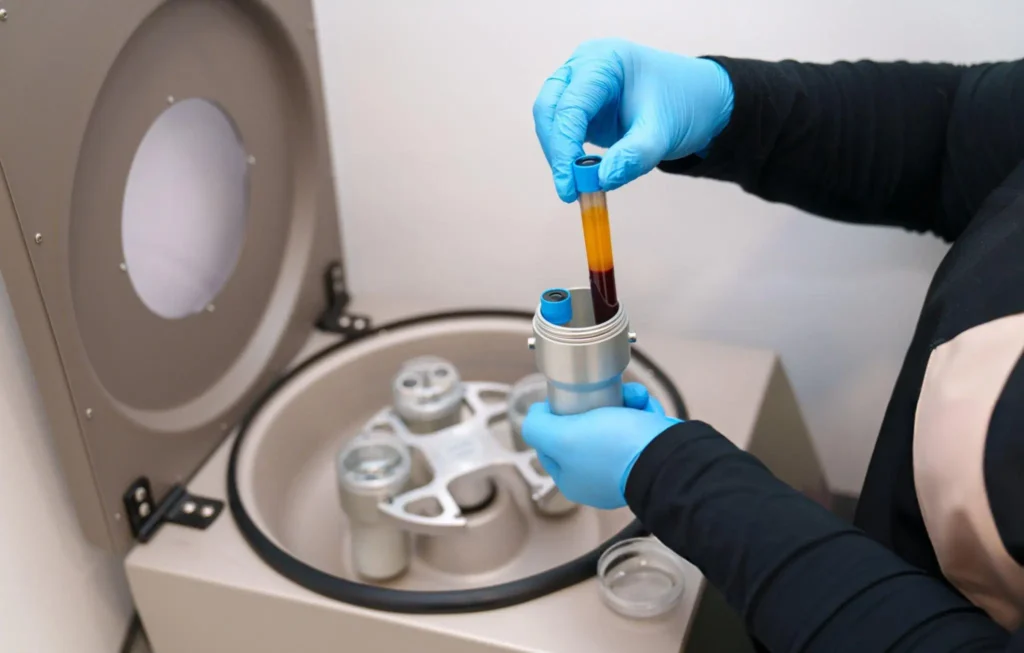
PRP therapy uses components derived from your own blood, including platelet-rich plasma, which contains growth factors involved in the body’s natural repair processes. How you care for your skin after treatment can influence how your skin responds during the healing phase.
Just had your PRP treatment or planning one soon? If you’re unsure about aftercare, feel free to book a complimentary consultation with our Newcastle aesthetic team.
What Happens Right After Your PRP Treatment
It is common for the skin to respond shortly after PRP treatment. These responses are expected following injections and are part of the body’s normal post-procedure reaction.
Here is what may be noticed in the first few hours:
Redness at the injection sites
Mild swelling
Skin sensitivity or warmth to the touch
Small raised areas where injections were administered
These effects are temporary and reflect the skin’s response to the treatment process itself. PRP treatments involve injections into the skin, which can naturally lead to short-term changes in appearance and sensation.
It is not unusual for the skin to appear flushed following treatment. For many people, visible redness settles within 24 to 48 hours, although individual recovery times can vary and some people may notice these effects for slightly longer.
Your First 24 Hours: Critical PRP Aftercare Steps
The first 24 hours after PRP treatment are important for supporting normal post-procedure skin recovery. The following guidance focuses on gentle care and minimising unnecessary irritation during this period.
Keep Your Skin Clean and Gentle
Wash your face using lukewarm water and a mild cleanser. Pat the skin dry with a clean towel. Avoid rubbing, scrubbing, or applying pressure to the treated areas.
It is recommended to pause your regular skincare routine during this time. Avoid products containing acids, retinoids, or other strong active ingredients, as freshly treated skin may be more sensitive.
Apply Ice Carefully
A cold compress may be used for short periods, such as 10–15 minutes at a time, if needed. Always wrap ice or cold packs in a clean cloth before applying them to the skin.
Ice should not be placed directly onto the skin, as this can cause irritation or discomfort, particularly on recently treated areas.
Drink Plenty of Water
Staying well hydrated supports overall wellbeing following cosmetic treatments. Aim to drink fluids regularly throughout the day, unless otherwise advised by your practitioner.
Maintaining hydration can assist with general comfort during the recovery period.
Avoid These Common Mistakes
Avoid touching, rubbing, or picking at the treated skin
Do not apply makeup for the first 24 hours
Avoid alcohol during this period
Refrain from strenuous exercise or heavy lifting
Minimise direct sun exposure
Days 2-7: Supporting Your Skin’s Recovery
After the first 24 hours, post-procedure care typically shifts toward maintaining comfort and protecting the skin as sensitivity gradually settles. Gentle skincare practices may be reintroduced during this period, depending on individual response.
Gentle Skincare Returns
A mild, fragrance-free moisturiser can usually be introduced around day two or three. Choose a simple formulation and apply lightly, avoiding excessive layering of products.
Sun protection is important when outdoors. Use a broad-spectrum sunscreen with SPF 30 or higher, even on overcast days, as treated skin may be more sensitive to environmental exposure.
What’s Normal During This Week
Some temporary skin changes may be noticed during days two to seven, including:
Light peeling or flaking
Mild, ongoing redness
Skin that feels tight or dry
Small scabs at injection sites (avoid picking)
These effects are commonly reported following injectable cosmetic procedures and usually settle with time. Individual responses can vary.
When to Check With Your Practitioner
Contact your clinic if you notice any of the following:
Pain that becomes severe or worsens over time
Signs of infection, such as discharge, excessive heat, or spreading redness
Symptoms of an allergic reaction, including widespread rash or difficulty breathing
Swelling that extends beyond the treated areas
If you have questions about post-procedure care or are unsure whether a reaction is expected, your treating practitioner can provide guidance based on your individual circumstances.
Also Read: https://skinduced.com.au/is-prp-safe
Weeks 2-4: Noticing Changes in Your Skin
During weeks two to four, some people begin to notice gradual changes following PRP treatment. The timing and extent of these changes vary between individuals and depend on factors such as skin type, treatment area, and overall skin health.
PRP Aftercare During This Period
Continue using daily sunscreen to help protect the skin from environmental exposure. Treated skin may remain more sensitive to UV radiation during this time.
You may resume your regular skincare routine, introducing products gradually rather than all at once. Adding one product every few days allows you to monitor how your skin responds.
Exercise and Physical Activity
Light physical activity is generally resumed after the first week, depending on individual comfort and practitioner advice. Gentle options such as walking or stretching are often preferred initially.
More intense exercise may be reintroduced gradually from week two, as tolerated. Excessive sweating or friction may cause temporary irritation in some individuals.
If PRP was performed for musculoskeletal concerns rather than cosmetic indications, follow your treating practitioner’s specific guidance regarding activity levels and return to sport or heavy lifting.
What Results Are Commonly Reported
Some individuals report changes such as:
Improved skin texture
A more even-looking skin tone
Skin appearing more hydrated
Subtle changes in firmness or smoothness
These observations are not guaranteed and vary between individuals. Results, if they occur, typically develop gradually rather than immediately.
Individual outcomes depend on many factors, and no specific result can be predicted.
Read More: https://skinduced.com.au/prf-vs-prp-whats-the-difference/
Managing Side Effects and Supporting Recovery
Most people tolerate PRP aftercare well. Understanding how to manage common, temporary reactions can help support comfort during the days following treatment.
Dealing with Swelling
Mild swelling is commonly reported during the first few days after PRP treatment, though individual experiences vary. Keeping your head slightly elevated while resting may help reduce fluid buildup in the treated area.
Cold compresses may be used for short periods, such as 10 minutes at a time, up to two or three times per day, provided they are applied gently and not directly to the skin.
Reducing Redness
Using a gentle, fragrance-free moisturiser may help support skin comfort during periods of redness. Products containing simple, hydrating ingredients such as ceramides or hyaluronic acid are often preferred.
When makeup use is resumed, some people choose colour-correcting products to help reduce the appearance of redness. Timing for makeup application varies and should be guided by individual skin response.
Pain Management
Discomfort following PRP treatment is typically mild and short-lived. If pain relief is required, discuss appropriate options with your treating practitioner.
Some medications may not be recommended immediately after PRP, depending on your individual circumstances. Always follow the advice provided by your practitioner regarding medication use after treatment.
Sleep and Recovery
Adequate rest supports general wellbeing following cosmetic procedures. Maintaining a regular sleep routine and using an extra pillow to keep your head slightly elevated during the first few nights may improve comfort for some individuals.
Individual recovery experiences differ, and no specific outcome or timeframe can be guaranteed.
Long-term PRP Aftercare for Optimal Outcomes
PRP aftercare continues beyond the initial recovery period. Ongoing skin care habits play a role in maintaining overall skin health following treatment.
Building a Skin-Friendly Routine
Using gentle, well-tolerated skincare products can support everyday skin comfort. After PRP treatment, many people choose to keep their routine simple and consistent.
Commonly used products in long-term care may include:
Gentle cleanser (morning and night)
Vitamin C serum (morning, if tolerated)
Moisturiser with SPF (morning)
Night moisturiser or basic treatment product (evening)
Introduce any new products gradually and discontinue use if irritation occurs.
Protecting Your Skin
Sun protection is an important part of general skin care, particularly following cosmetic treatments. Regular sunscreen use helps reduce ongoing sun exposure, which may contribute to skin sensitivity over time.
Applying a broad-spectrum sunscreen daily, including when indoors near windows, is commonly recommended. Reapplication may be needed during prolonged outdoor exposure.
Additional protective measures, such as wearing hats and seeking shade during peak UV hours (10 am to 4 pm), may also support skin comfort.
Healthy Lifestyle Choices
Lifestyle habits can influence overall skin wellbeing. Maintaining balanced routines may support general skin health, including:
Eating a varied diet with fruits and vegetables
Including sources of healthy fats
Staying adequately hydrated
Moderating alcohol intake and highly processed foods
Individual skin responses vary, and outcomes differ between people.
When to Consider Follow-up Treatments
PRP treatment plans are individualised. In some cases, practitioners may discuss additional sessions based on clinical assessment, treatment goals, and how the skin responds over time.
Follow-up treatments are not routine for everyone. Your practitioner will guide you on whether further sessions may be appropriate for your situation.
Timing Your Next Treatment
The timing between PRP sessions varies between individuals. In clinical practice, sessions may be spaced several weeks apart to allow the skin adequate recovery time between treatments.
For PRP used in different clinical contexts, such as scalp or musculoskeletal applications, treatment intervals and frequencies can differ. Your practitioner will recommend timing based on medical assessment rather than a fixed schedule.
Combining PRP with Other Treatments
In some treatment plans, PRP may be discussed alongside other procedures. This depends on skin condition, treatment area, and overall suitability.
Other treatments your practitioner may discuss include:
Microneedling
Laser-based procedures
Professional skin treatments
Different procedures are usually scheduled separately to allow appropriate recovery time between treatments. Combination approaches are planned carefully and are not suitable for everyone.
Always follow your practitioner’s advice regarding treatment spacing and aftercare.
Your Path to Better Skin Starts with Good PRP Aftercare
Following appropriate PRP aftercare supports your skin during the recovery phase. How each person’s skin responds can vary, and healing occurs gradually over time.
Keeping aftercare simple and consistent helps reduce unnecessary irritation while your skin recovers.
Key points to remember:
Keep the treated area clean and protected during the first week
Stay hydrated and allow adequate rest
Avoid direct sun exposure and harsh skincare products
Allow time for changes to develop gradually
Contact your practitioner if you have any concerns
PRP treatment is part of a broader skin health plan. Ongoing care and realistic expectations play an important role in how your skin settles following treatment.
The biological processes involved in PRP continue after you leave the clinic. Following aftercare instructions helps support your skin’s natural recovery process.
If you have questions about PRP aftercare or would like personalised guidance, you may book a consultation with the team at Skinduced Aesthetics Clinic in Newcastle. Your practitioner can provide advice based on your individual skin needs.
FAQ’s:
How long does recovery take after PRP treatment?
Initial skin reactions such as redness or swelling usually settle within 24–48 hours. Recovery timelines vary between individuals, and some people may notice changes over the following weeks as the skin responds to treatment.
Can I wear makeup after PRP therapy?
It is generally recommended to wait at least 24 hours before applying makeup. When you do resume makeup use, choose clean brushes and gentle, non-irritating products.
Is it normal to see small scabs at injection sites?
Yes, small scabs can occur at injection sites and are part of the normal skin response. Avoid picking or scratching the area and allow the skin to settle naturally.
When can I return to my regular skincare routine?
Gentle skincare products can usually be reintroduced after the first week. Strong active ingredients such as retinoids or exfoliating acids are typically delayed for 2–3 weeks, depending on your practitioner’s advice.
How much water should I drink during PRP aftercare?
Maintaining adequate hydration supports general health during recovery. Aim to drink water regularly throughout the day, unless otherwise advised by your healthcare professional.
Can I exercise after PRP treatment?
Strenuous exercise is usually avoided for the first 24–48 hours. Light activity such as walking may be suitable. Return to more intense exercise gradually, following guidance from your practitioner.