Hydrodermabrasion Aftercare Tips – What to Do for Lasting Results
Hydrodermabrasion aftercare is usually simple: keep your routine gentle, avoid heat and strong active ingredients for the period recommended by your therapist, and protect your skin from UV exposure. Temporary redness, tightness or sensitivity can occur, so allow your skin to settle before returning to your full skincare routine.
This guide explains what to do during the first 24 hours, when you may wear makeup, which products to pause and when to contact the clinic.
What Is Hydrodermabrasion and Why Does Aftercare Matter?
Hydrodermabrasion is a non-invasive facial treatment that combines cleansing, surface exfoliation, suction and hydration. At Skinduced, the process may include cleansing, controlled fluid-assisted exfoliation, light extraction and the application of hydrating serums and sun protection. If you are comparing exfoliation methods, you can also read our guide on microdermabrasion.
Because the skin has been exfoliated, some people experience temporary redness, tightness or sensitivity. Gentle aftercare can help reduce avoidable irritation while the skin settles.
Right after treatment, you might notice your skin feels:
- Mild temporary redness;
- Temporary tightness or dryness;
- Increased sensitivity;
- Smoother-feeling skin;
- Mild flaking in some cases.
You experience these effects because the treatment temporarily opens your skin barrier. The process removes dead skin cells, so your fresh skin needs extra protection and care.
Hydrodermabrasion Aftercare During the First 24 Hours
The first day after your hydrodermabrasion facial sets the tone for your results. Your skin enters recovery mode, so gentle hydrodermabrasion aftercare becomes essential.
What to Do Immediately After Treatment
Keep your skin clean and simple. Avoid touching your face with unwashed hands. Your pores are clean from the extractions, and you want to keep them that way.
Use the gentle cleanser or cleansing method recommended by your therapist. Avoid hot water, scrubbing and cleansing brushes. Hot water can irritate your freshly treated skin. Pat your face dry with a clean towel instead of rubbing.
Apply a gentle, fragrance-free moisturiser as directed by your therapist. Your skin therapist will recommend the best products for your skin type.
What to Avoid in the First 24 Hours
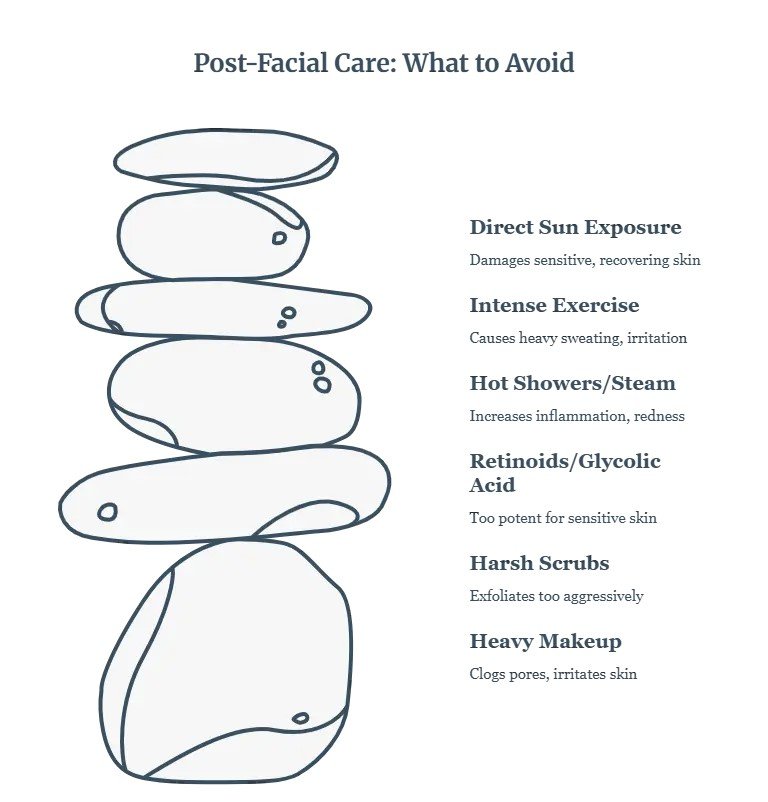
Skip these activities and products for at least 24 hours:
- Heavy makeup or foundation
- Harsh scrubs or exfoliating products
- Retinoids or glycolic acid
- Hot showers or steam rooms
- Intense exercise that causes heavy sweating
- Direct sun exposure without protection
Your skin needs time to settle after the treatment. Heat, friction, strong products and heavy sweating may increase temporary irritation or sensitivity.
When Can You Wear Makeup After Hydrodermabrasion?
Follow the timeframe provided by your therapist, as the recommendation may depend on your skin and the intensity of the treatment. If Skinduced’s standard protocol is to wait 24 hours, state that clearly here. Avoid publishing a universal timeframe unless it reflects the clinic’s actual aftercare instructions.
When you restart makeup, use clean brushes or sponges and avoid products that sting or irritate the skin.
Hydrodermabrasion Aftercare for Days 2–7
Many patients notice improvements in their skin’s appearance within the first week after treatment. Your skin continues to improve as it heals and regenerates. Following proper hydrodermabrasion aftercare during this period maximises your treatment benefits.
Daily Cleansing Routine
Use a gentle, sulphate-free cleanser twice daily. Avoid products with strong fragrances or alcohol. These ingredients can irritate your post-treatment skin.
Cleanse with light, circular motions. Your skin is more sensitive right now, so be extra gentle. Pat dry with a clean towel each time. Moisturising for All Skin Types
Even if you have oily or acne-prone skin, moisturiser is essential after hydrodermabrasion. The treatment removes dead skin cells, which can leave your skin feeling dry.
Choose a moisturiser based on your skin type:
- Dry skin: Look for ceramides and hyaluronic acid
- Oily skin: Use oil-free, non-comedogenic formulas
- Sensitive skin: Pick fragrance-free, hypoallergenic options
- Combination skin: Use lighter formulas on oily areas
Applying moisturiser to slightly damp skin may help reduce the feeling of dryness.
Sun Protection After Hydrodermabrasion
Check the daily UV Index and use sun protection whenever it is forecast to reach 3 or above. Cancer Council Australia recommends SPF 50 or higher broad-spectrum, water-resistant sunscreen, protective clothing, a broad-brimmed hat, shade and sunglasses when UV levels require protection.
Apply sunscreen approximately 20 minutes before going outdoors and reapply as directed, particularly after sweating, swimming or towel-drying.
Why Sun Protection Matters More Now
Your facial treatment removes the top layer of protective dead skin cells. This process leaves your fresh skin more vulnerable to UV damage. Without proper protection, you face these risks:
- Hyperpigmentation or dark spots
- Increased sensitivity and redness
- Premature aging and fine lines
- Reduced results from your treatment
How to Protect Your Skin
UV rays can penetrate windows and cause damage.
Apply sunscreen 15-20 minutes before going outside. Reapply every two hours, especially if you’re spending time outdoors in Newcastle’s sunny climate.
Wear a wide-brimmed hat and sunglasses for extra protection. Seek shade during peak UV hours (10 AM to 4 PM).

Which Skincare Products Should You Avoid After Hydrodermabrasion?
Certain skincare products can irritate your post-treatment skin or interfere with healing. Avoid these for at least one week:
Active Ingredients to Skip
- Retinoids and prescription retinoids
- AHAs such as glycolic or lactic acid
- BHAs such as salicylic acid
- Strong acne products such as benzoyl peroxide
- Strong or low-pH vitamin C formulas
- Physical scrubs and cleansing brushes
- Fragranced or alcohol-heavy products
Physical Exfoliants
Stay away from scrubs, loofahs, or exfoliating brushes. Your skin just received professional exfoliation. Adding more can damage your skin barrier and irritate it.
Harsh Cleansers
Avoid cleansers with sulphates, alcohol, or strong fragrances. These ingredients strip your skin’s natural oils and can cause redness or stinging.
Can You Use Hyaluronic Acid After Hydrodermabrasion?
A simple hyaluronic acid product may be suitable for some people, but formulas can contain other ingredients that irritate recently treated skin. Use only a product recommended by your therapist, particularly during the first day or if your skin feels sensitive.
When to Resume Your Normal Skincare Routine
You can return to your regular skincare routine 7-10 days after hydrodermabrasion. However, this timing depends on your skin type and how well you heal.
Signs Your Skin is Ready
- No redness or irritation
- Skin feels normal, not tight or sensitive
- No peeling or flaking
- Comfortable with your current gentle routine
Reintroducing Active Ingredients
Start slowly when adding back active ingredients. Use them every other day at first, then gradually increase frequency as your skin adjusts.
Begin with milder products before moving to stronger concentrations. This prevents irritation and helps maintain your improved skin texture.
Special Considerations for Different Skin Types
Sensitive Skin Care
If you have sensitive skin, extend your gentle routine for 10-14 days. Your skin may take longer to recover from the treatment.
Watch for signs of irritation like prolonged redness, burning, or unusual breakouts. Contact your skin therapist if these symptoms persist.
Acne-Prone Skin Aftercare
The extractions from your facial treatment help clear your pores, but proper hydrodermabrasion aftercare prevents new breakouts. Keep your routine simple and avoid over-cleansing.
Don’t pick at any small bumps or blackheads that may appear. Your skin is still healing, and picking can cause scarring or infection.
Mature Skin and Fine Lines
Hydrodermabrasion helps improve the appearance of fine lines by removing dead skin cells and promoting cell turnover. Maintain results with consistent moisturising and sun protection.
Consider adding a gentle hyaluronic acid serum after the first week to boost hydration and plump fine lines.
Lifestyle Tips for Better Results
Stay Hydrated
Drink plenty of water to support your skin’s healing process. Aim for 8-10 glasses daily, especially important in Newcastle’s warm climate.
Get Quality Sleep
Your skin repairs itself while you sleep. Aim for 7-9 hours of quality sleep to support skin rejuvenation and overall skin health.
Eat Skin-Friendly Foods
Include foods rich in vitamins C and E, omega-3 fatty acids, and antioxidants. These nutrients support skin healing and improve skin texture.
Manage Stress
High stress levels can affect your skin’s healing process. Practice relaxation techniques like deep breathing or gentle yoga.
Common Concerns and Solutions
“My skin looks red after treatment”
Mild redness is normal and usually fades within 24-48 hours. Apply a cool compress and use gentle, fragrance-free products. Contact your skin therapist if redness persists beyond 3 days.
“I’m breaking out after my facial”
Small breakouts can happen as your skin adjusts. This is often temporary purging as impurities surface. Stick to gentle cleansing and avoid picking. See your skin therapist if breakouts worsen or don’t improve within a week.
“My skin feels tight and dry”
Increase your moisturiser application frequency. Use it morning and evening, and add a hydrating serum if needed. Avoid hot water and harsh products.
“When can I wear makeup again?”
Wait at least 24 hours before applying makeup. Start with mineral makeup or BB cream rather than heavy foundation. Make sure your brushes and sponges are clean.
Maximising Your Long-Term Results
Schedule Regular Treatments
Most people benefit from hydrodermabrasion every 4-6 weeks. This maintains improved skin texture and addresses ongoing concerns like fine lines or uneven tone.
Maintain Good Daily Habits
Consistent daily skincare, sun protection, and healthy lifestyle choices extend your results between treatments.
Listen to Your Skin
Pay attention to how your skin responds to different products and treatments. What works for others might not work for your specific skin type.
Summary: Your Path to Lasting Results
Proper hydrodermabrasion facial aftercare is simple but essential. Focus on gentle cleansing, consistent moisturising, and diligent sun protection for the first week after treatment.
Avoid harsh products and active ingredients until your skin fully heals. Listen to your skin’s needs and adjust your routine accordingly.
Remember that great results come from both professional treatments and consistent home care. Proper aftercare is an important part of maintaining your skin health after a treatment.
The key is patience and consistency. Your skin will continue to improve over the following weeks as it regenerates and heals.
Ready to book your next hydrodermabrasion session in Newcastle? Our experienced skin therapists provide personalised aftercare guidance to help you maintain your beautiful results. Book your appointment today and discover how professional treatments combined with expert aftercare advice can help improve your skin’s appearance. Book your appointment and keep your glow going strong.
FAQs:
How long do hydrodermabrasion results last?
Results typically last 3-4 weeks, but this varies by skin type and your hydrodermabrasion aftercare routine. Proper aftercare extends results and improves overall skin health.
Can I exercise after my facial treatment?
Wait 24 hours before intense exercise. Sweating can irritate freshly treated skin. Light walking or gentle stretching is usually fine.
What if I accidentally used a product I shouldn’t have?
Stop using the product immediately and rinse your face with cool water. Apply a gentle moisturiser and contact your skin therapist if irritation develops.
Is hydrodermabrasion suitable for all skin types?
Yes, hydrodermabrasion works well for most skin types, including sensitive and acne-prone skin. Your skin therapist will customise the treatment for your specific needs.
How soon can I book my next appointment?
Most people can schedule their next session 4-6 weeks after their previous treatment. Your skin therapist will recommend the best timing for your skin type and goals.
