How to Get Rid of Acne Scars Acne can leave different changes in the skin after breakouts settle. Some people notice...
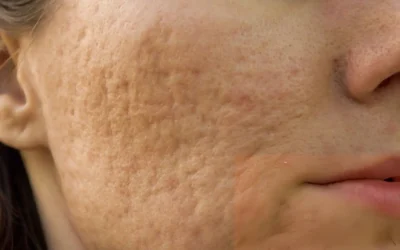

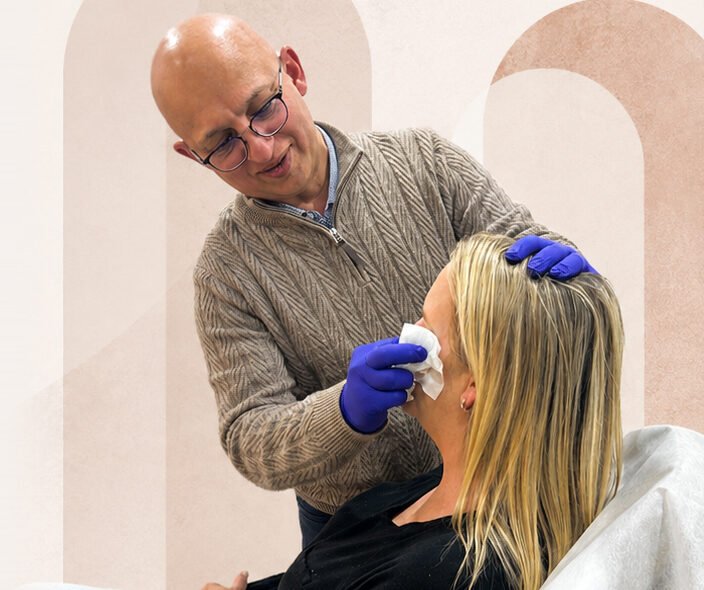
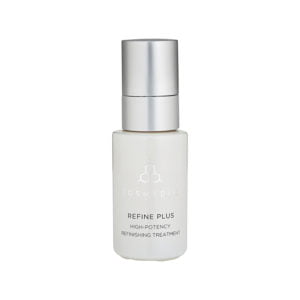
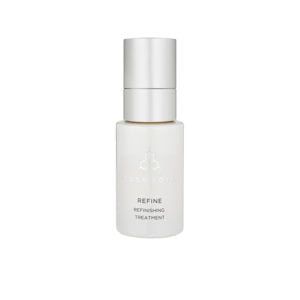
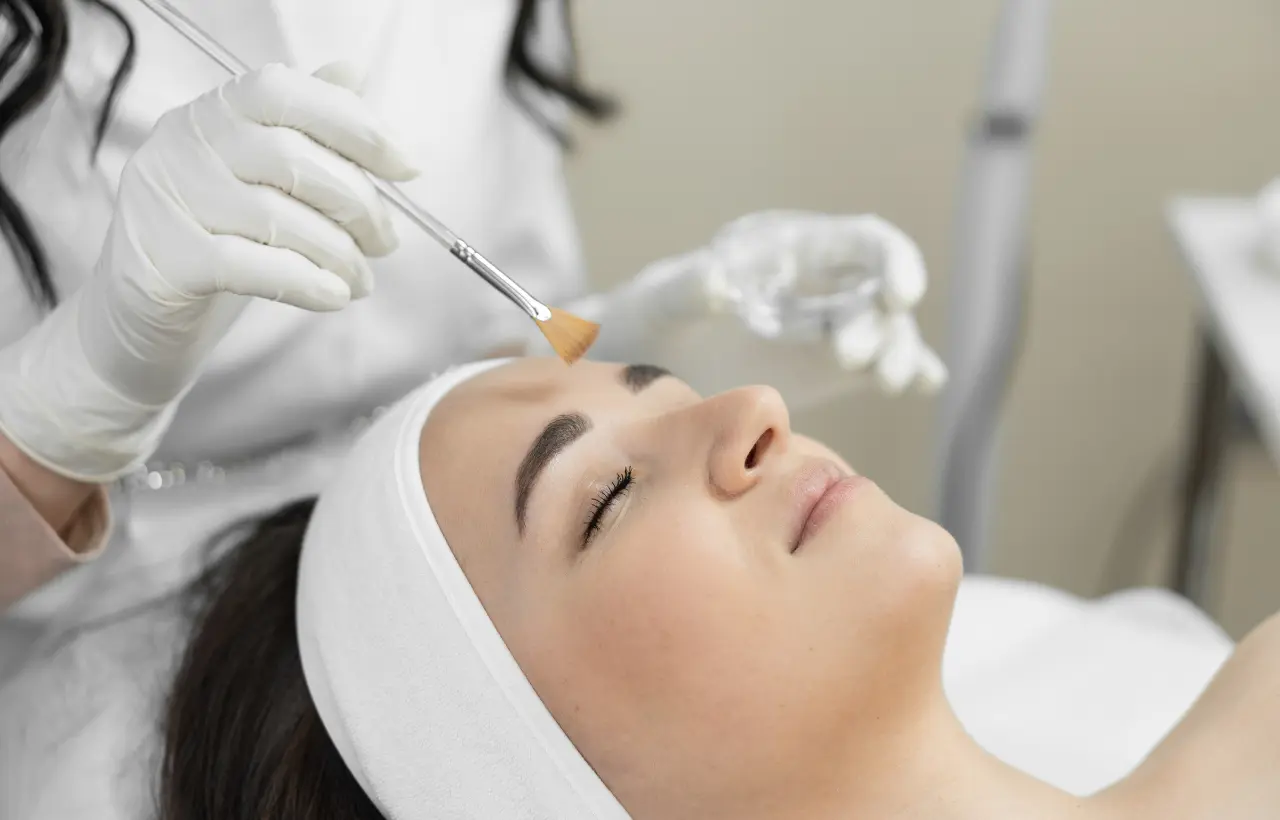
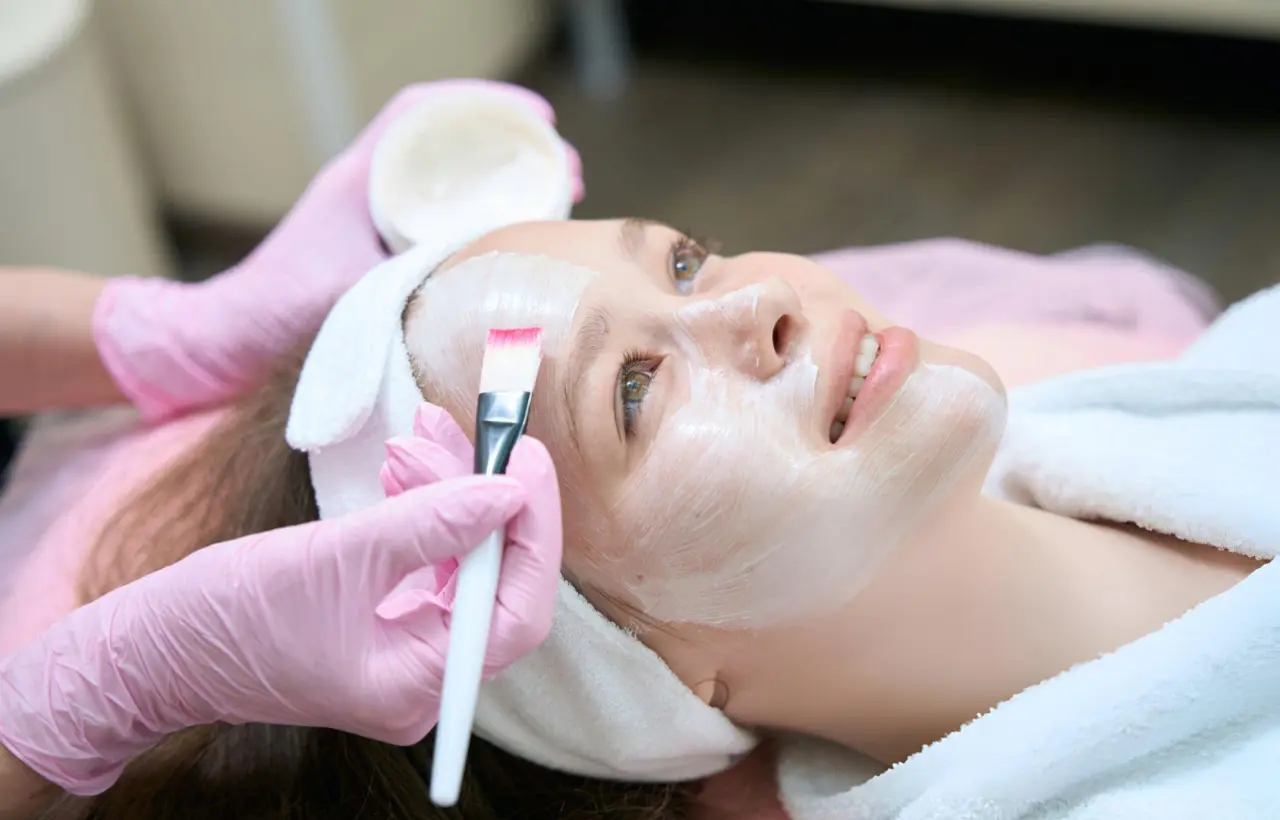
Professional peel treatment designed to smooth surface texture and improve the appearance of dull or uneven skin.
This is a non-cosmetic treatment

May help smooth skin texture
Designed to help reduce the appearance of fine lines and wrinkles for a refreshed skin appearance.
It may softens the appearance of mild to moderate acne scars.

Helps reduce the appearance of pigmentation
Stimulates natural collagen for firmer skin.
While many patients return to regular activities quickly, it is common to experience temporary redness
Every skin journey starts with a conversation. Book a personalised consultation and we’ll tailor a plan just for you.
How to Get Rid of Acne Scars Acne can leave different changes in the skin after breakouts settle. Some people notice...

Menopause And Skin Laxity - Why Firmness Changes and What Helps Skin can change in several ways during perimenopause...
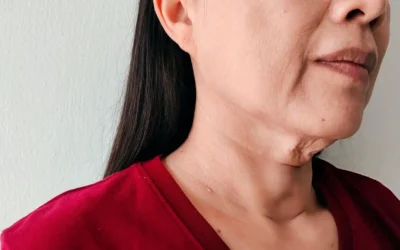
Crepey Neck & Décolletage - How to Firm Ageing Skin The neck and décolletage can show visible signs of ageing,...
People with active skin infections, open wounds, recent sunburn, certain types of rosacea, very sensitive or reactive skin, recent cosmetic procedures or specific medications (such as some acne treatments or topical retinoids) may be advised to delay or avoid chemical peels; your practitioner will assess this at consultation.
Some people notice smoother or more even‑looking skin after one peel, but improvements usually develop over several weeks as the skin renews and may require a series of treatments.
This varies with your skin type and concerns; many treatment plans involve a course of peels spaced a few weeks apart, and your clinician will recommend a schedule based on how your skin responds.
Temporary redness, tightness, peeling, dryness and mild discomfort are common; less frequent but more serious risks include pigment changes, infection or scarring, which will be explained before you decide to proceed.