PRP for Acne Scars – What to Know About Results, Safety, and Expectations
Acne scarring is a common skin concern that can affect the texture and appearance of the skin. Many people explore different treatment options without seeing the changes they hoped for. Platelet-rich plasma (PRP) is one option that is increasingly discussed in clinical settings as part of a broader skin rejuvenation approach.
PRP uses a concentration of platelets derived from your own blood. These platelets contain growth factors that play a role in the body’s natural healing processes. In aesthetic practice, PRP is commonly used to support skin quality and texture, including in people concerned about acne scarring.
It is important to understand that PRP is not a guaranteed solution and results vary between individuals. We offer complimentary consultation with a qualified aesthetician is essential to determine whether PRP may be suitable for your skin concerns and treatment goals.
What Is PRP and How is it used?
Platelet-rich plasma (PRP) is prepared from a small sample of your own blood. The blood is processed to concentrate platelets, which are then reintroduced to the skin as part of a treatment plan.
In aesthetic practice, PRP is often applied using techniques such as microneedling or targeted injections. These methods are used to deliver PRP into the skin where it can support the skin’s natural renewal processes.
PRP does not replace the skin’s normal healing function. Instead, it is used to support the body’s existing mechanisms that contribute to skin quality, including collagen support and overall skin texture.
Because acne scarring varies in depth, type, and severity, PRP is often considered as part of a combined or staged treatment approach rather than a standalone solution.
How PRP Helps with Acne Scars
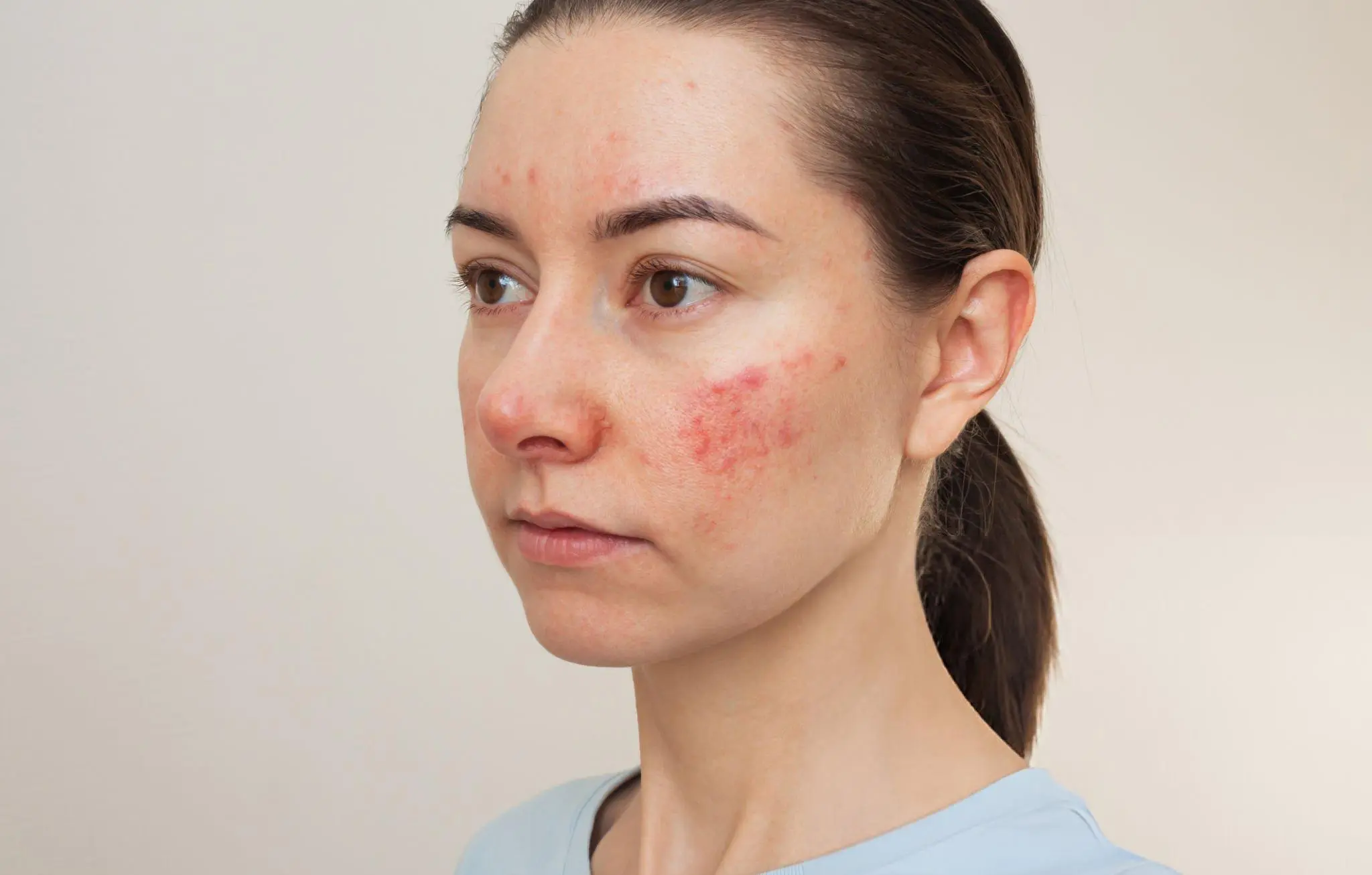
Acne scars can develop when the skin heals unevenly after inflammatory acne. Differences in collagen structure and tissue response can result in changes to skin texture and visible scarring.
Platelet-rich plasma (PRP) is commonly used in aesthetic practice as part of a skin rejuvenation approach for people concerned about acne scarring. PRP is derived from your own blood and contains a concentration of platelets, which are involved in the body’s natural healing processes.
In clinical settings, PRP may be used to support overall skin quality when combined with techniques such as microneedling or targeted application to scarred areas. These approaches aim to work with the skin’s natural renewal cycle rather than replace it.
Response to PRP varies between individuals. Some people notice gradual changes over time, while others may require multiple sessions as part of a broader treatment plan. A qualified practitioner can assess your skin and advise whether PRP treatment may be appropriate based on your scarring type, skin condition, and treatment goals.
Many people choose PRP as it uses the body’s own biological components and is considered a supportive, non-surgical option within aesthetic care. A consultation is essential to discuss suitability, expectations, and alternative or complementary treatments.
Also Read: https://skinduced.com.au/is-prp-safe/
PRP Treatment Process: What to Expect
Before Your Appointment
Once your appointment is booked, you will receive individual preparation guidance from your practitioner. This may include advice about medications, supplements, and lifestyle factors based on your personal medical history. You may be asked to arrive 10 to 15 minutes before your scheduled appointment to allow time for paperwork and pre-treatment checks.
During the Treatment
During the appointment, a small amount of blood is collected, usually from your arm. This sample is processed using a centrifuge to separate the platelet-rich component. The PRP is then applied using microneedling or targeted injection techniques, depending on your skin concerns and the practitioner’s assessment. The full appointment typically takes around 30 to 45 minutes. Sensations during treatment vary, but most people describe it as manageable.
After Treatment
Following treatment, your skin may appear red or feel slightly swollen for 24 to 48 hours. These responses are commonly observed after PRP procedures. Most people are able to resume normal daily activities shortly after treatment. Your practitioner will provide specific aftercare advice, including guidance on sun protection and skincare products during the recovery period.
Benefits of PRP for Acne Scars
PRP is commonly chosen as an option for acne scar management because it uses a patient’s own blood components, which may reduce the likelihood of adverse reactions when compared with treatments that introduce external substances. For many people, this contributes to a sense of reassurance during treatment planning.
Another feature often associated with PRP treatments is the gradual nature of visible changes. Rather than producing sudden or dramatic effects, PRP is typically selected by individuals who prefer subtle, progressive improvements in overall skin texture and appearance over time.
PRP is also frequently used alongside other procedures as part of a combined treatment approach. Some clinics may recommend pairing PRP with microneedling, laser treatments, or other skin therapies depending on scar type and skin condition. Your practitioner will advise whether combination treatment is appropriate for your individual needs.
Who Is a Good Candidate for PRP?
PRP may be considered for adults with acne scarring who are seeking non-surgical treatment options. It is most commonly discussed for people with mild to moderate scarring, although more extensive scarring may sometimes be managed using PRP in combination with other procedures.
Suitable candidates are generally in good overall health and have realistic expectations about treatment outcomes. PRP is not intended to provide instant or guaranteed results, and individual responses can vary.
PRP may not be suitable for everyone. Certain medical conditions or medications can affect whether treatment is appropriate. Your practitioner will review your medical history and assess your skin during consultation to determine whether PRP is suitable for you.
Side Effects and Safety Considerations
PRP treatment involves the use of platelet-rich plasma prepared from a patient’s own blood. As with any medical or cosmetic procedure, side effects and risks can occur and vary between individuals.
Common temporary effects may include redness, swelling, mild bruising, or tenderness at the treatment site. Some people also experience short-term discomfort during or after the procedure. These effects usually settle over time as the skin recovers.
Although serious complications are uncommon, PRP is still a medical procedure and is not completely risk-free. Individual responses can differ, and outcomes cannot be guaranteed.
For this reason, it is important to have PRP performed by a suitably qualified practitioner. Your clinic should follow appropriate infection control and sterilisation protocols and use approved medical devices for blood processing, in line with Australian regulatory standards.
A consultation with a qualified practitioner is essential to determine whether PRP is appropriate for you and to discuss potential risks, expected recovery, and aftercare.
PRP vs Other Acne Scar Treatments
PRP vs Microneedling
Microneedling is commonly used to support collagen stimulation in acne scarring. PRP may be used alongside microneedling in some cases, depending on individual skin concerns and practitioner assessment. The use of PRP aims to support the skin’s natural repair processes, though individual responses and outcomes can vary.
PRP vs Laser Treatments
Laser treatments may be considered for certain types of acne scarring and skin texture concerns. These treatments can involve varying levels of downtime and skin sensitivity. PRP is a different treatment approach that may be considered for patients seeking an alternative option, depending on their skin type, goals, and medical history. A practitioner can advise on suitability and expected recovery.
PRP vs Chemical Peels
Chemical peels are typically used to address surface-level skin concerns, including pigmentation and mild textural irregularities. PRP is sometimes used to support skin regeneration in deeper layers. In some treatment plans, a practitioner may recommend combining different modalities, based on individual needs and tolerance.
What to Expect: Timeline and Results
The number of PRP sessions required varies between individuals and depends on factors such as skin condition, treatment goals, and practitioner assessment. Sessions are commonly spaced several weeks apart, allowing the skin time to respond between treatments. Some individuals may notice changes following initial sessions, while others may experience gradual improvement over time.
Changes associated with PRP treatment can continue to develop over several months, as collagen production and skin renewal occur progressively. Individual responses differ, and outcomes may vary based on skin type, severity of scarring, and adherence to aftercare advice.
The longevity of results also varies. Some individuals choose to undergo follow-up or maintenance treatments over time, based on personal preference and practitioner recommendation, to support ongoing skin health.
Choosing the Right Clinic
When considering PRP treatments, it is important to select a clinic with appropriately qualified practitioners who have experience in aesthetic procedures. Clinics should follow established hygiene standards and use approved equipment in line with regulatory requirements.
At Skinduced Aesthetics Clinic in Newcastle, PRP treatments are provided following individual consultation and assessment. Treatment suitability, expected outcomes, and aftercare requirements are discussed prior to proceeding, ensuring patients are fully informed before making a decision.
If you are considering PRP for acne scarring or other skin concerns, you may choose to book a consultation to discuss whether this treatment aligns with your individual goals and circumstances.
Making Your Decision
PRP for acne scars is commonly used as a non-surgical option that may support skin renewal and improvement in skin texture for some individuals. While it may not eliminate all acne scarring, outcomes vary, and responses differ from person to person.
The key to proceeding with PRP is having realistic expectations and working with a qualified practitioner who can assess your individual skin concerns. Every person’s skin responds differently, and outcomes depend on factors such as scar type, skin condition, treatment approach, and overall health.
When deciding whether PRP is suitable for you, consider your lifestyle, budget, and treatment goals. Treatment plans may involve more than one session, spaced several weeks apart, depending on individual assessment and practitioner recommendation.
Still deciding between options? You may choose to book a consultation at Skinduced Aesthetics Clinic in Newcastle to discuss your concerns and explore whether PRP is appropriate for your acne scars. During the consultation, your skin will be assessed, and available options will be explained so you can make an informed decision. You are also welcome to contact the clinic directly if you would like further information.
Frequently Asked Questions
How long does each PRP session take?
Each PRP session typically takes around 30–45 minutes, including blood collection and application time. Duration may vary depending on the treatment area and individual needs.
When will I see results?
Some individuals may notice early changes within a few weeks, while skin changes can continue to develop gradually over several months. Individual responses vary.
Is PRP painful?
Most people report mild to moderate discomfort during the procedure. A topical numbing cream may be used where appropriate to improve comfort.
How many treatments will I need?
The number of PRP sessions varies between individuals and depends on factors such as skin condition, scar type, and practitioner assessment. Your treatment plan will be discussed during consultation.
Can I combine PRP with other treatments?
PRP may be performed alongside other procedures such as microneedling or laser treatments, where clinically appropriate. Your practitioner will advise on suitable combinations and timing.
Are there any restrictions after treatment?
You may be advised to avoid direct sun exposure and certain skincare products for a short period following treatment. Aftercare guidance will be provided based on your individual treatment plan.
