Is Fat Freezing Safe? Myths vs Facts About Cryolipolysis
Fat freezing (cryolipolysis) is a non-surgical option for individuals looking to target specific areas of subcutaneous fat that have not responded to diet and exercise. You exercise regularly. You eat well. But some areas of your body refuse to change. Sound familiar?
Fat freezing might be your answer. But is fat freezing safe? This question worries many people considering cryolipolysis. Let’s separate fact from fiction.
At Skinduced Aesthetics Newcastle, we provide fat freezing treatments using Advanced equipment, delivered by qualified practitioners. Our qualified practitioners help you understand available options and whether treatment may be suitable for you with proven technology and personalized care.
What Is Fat Freezing?
Fat freezing uses controlled cooling to target fat cells. The scientific name is cryolipolysis. Fat cells freeze at higher temperatures than skin cells. This allows targeted cooling of fat cells while surrounding tissues are protected through controlled treatment parameters.
The process works like this:
- A device applies intense cold to treatment areas
- Fat cells crystallize and die
- Your body removes dead fat cells naturally
- You see fat reduction over the following months
The Science Behind Fat Freezing
Harvard scientists discovered cryolipolysis in 2008. They noticed children who ate popsicles developed dimples in their cheeks. The cold fat cells in those areas.
This discovery led to clinical testing. Researchers found that controlled cooling may lead to measurable fat reduction in treated areas. in treated areas. Regulatory bodies such as the FDA and Australia’s TGA have approved specific cryolipolysis devices for clinical use.
Studies show fat freezing works on various body areas like the stomach, thighs, arms, and double chin. The treatment targets subcutaneous fat – the type of fat you can pinch.
Common Myths About Fat Freezing Safety
Myth 1: Fat freezing damages your skin
Fact: The treatment uses controlled cooling at specific temperatures. Skin tissue responds differently to cold exposure, and treatment parameters are designed to minimise risk when performed correctly. Temporary redness is normal and fades within hours.
Myth 2: Dead fat cells are dangerous to your body
Fact: Your body naturally removes dead cells every day. Fat cells killed during treatment are processed through your lymphatic system. The lymphatic system plays a role in processing cellular waste, including affected fat cells over time.
Myth 3: Fat freezing causes permanent numbness
Fact: Some people feel temporary numbness in treated areas. This usually lasts a few weeks. Prolonged numbness has been reported infrequently, with duration varying between individuals when treatment is done properly.
Myth 4: The treatment is painful
Fact: Most people feel cold and pressure during the first 10 minutes. After that, the area becomes numb. Experiences vary, though many people report that discomfort reduces as the area becomes numb.
So, is fat freezing considered safe for many people? When performed by qualified practitioners using approved equipment, it is widely used, though suitability must be assessed individually., when performed by qualified practitioners using proper equipment.
Also Read: https://skinduced.com.au/how-to-remove-eye-bags/
Real Side Effects and Risks
Let’s be honest about what can happen. Every medical treatment has potential side effects. Is fat freezing safe despite these risks?
Common side effects include:
- Temporary redness at the treatment site
- Mild swelling for a few days
- Bruising in some cases
- Temporary numbness, which may persist for several weeks in some individuals
- Cramping or aching sensations
Rare side effects include:
- Paradoxical adipose hyperplasia (PAH)
- Severe pain lasting weeks
- Skin sensitivity changes
- Frostbite (only with improper technique)
PAH is the most serious rare side effect. It causes fat cells to grow larger instead of dying. This has been reported infrequently in clinical literature.
Have questions about fat freezing safety?
Our Newcastle team is here to guide you. Book a consultation to discuss whether this treatment may be appropriate for you.
Who Should Not Get Fat Freezing
Is fat freezing safe for everyone? No. Avoid the treatment if you have:
- Cryoglobulinemia (blood condition)
- Cold urticaria (cold allergies)
- Paroxysmal cold hemoglobinuria
- Pregnancy or breastfeeding
- Hernia in the treatment area
- Recent surgery in the target area
This list is not exhaustive. A full medical assessment is required to determine suitability.
Always tell your practitioner about medical conditions.
What to Expect During Treatment
Understanding the process helps reduce anxiety. Here’s what happens:
Before treatment:
- Consultation to assess your goals
- Medical history review
- Treatment area marking
During treatment:
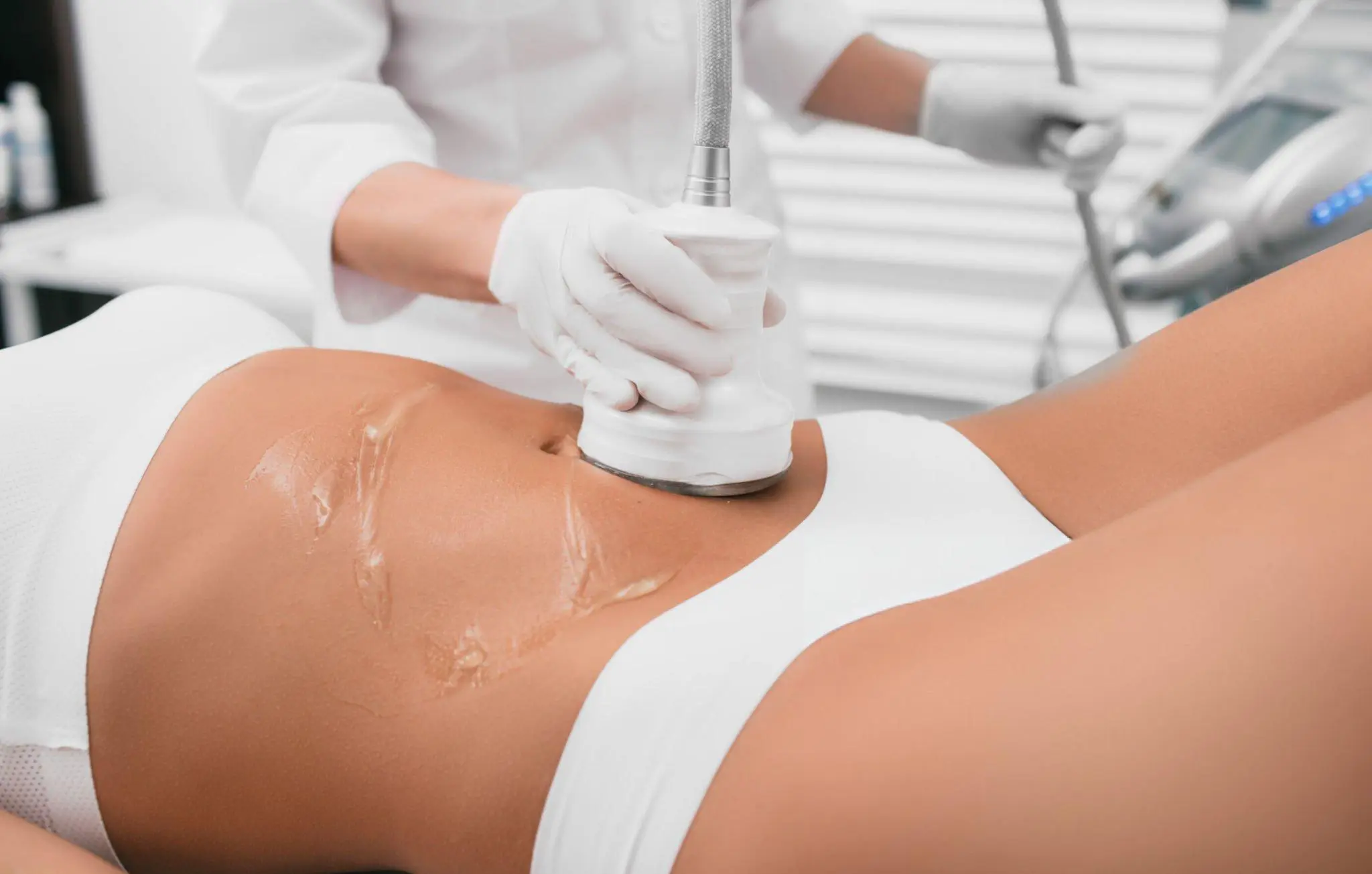
- Gel pad placement on skin
- Applicator attachment
- 35-60 minutes of controlled cooling
- Massage of the treated area
After treatment:
- Many people resume normal activities shortly after treatment, depending on individual response
- Possible temporary side effects
- Follow-up appointments as needed
The treatment feels cold at first. Sensation typically changes over the first several minutes, though individual experiences vary.
Results and Recovery Timeline
Is fat freezing considered a low-downtime treatment for many people? Recovery requirements vary between individuals. Results develop gradually as the body processes affected fat cells over time.
Timeline for results:
- Week 1-2: Possible temporary swelling
- Weeks 3-4: Initial changes may appear
- Months 2-3: Noticeable fat reduction
- Months 4-6: Final results visible
Recovery is minimal. Many people return to work shortly after treatment, depending on individual response. Light activity can usually be resumed soon after treatment, with exercise guidance discussed during consultation.
Fat Freezing vs Other Fat Reduction Methods
How does fat freezing compare to other options?
Fat Freezing vs Liposuction:
- No surgery required
- Minimal downtime
- Gradual, natural-looking results
Fat Freezing vs Laser Treatments:
- Does not involve heat-based energy delivery
- More comfortable during treatment
- Documented outcomes reported in clinical use
Choosing a Safe Provider
Treatment safety depends on your provider. Is fat freezing safe with any provider? No. Look for these qualities:
Qualifications to check:
- Medical or nursing background
- Specific fat freezing certification
- Experience with the technology
- Proper clinic licensing
Questions to ask:
- How many treatments have you performed?
- What equipment do you use?
- How do you handle side effects?
- Can I see before and after photos?
Avoid discount providers or unqualified operators. Your safety is worth the investment in proper treatment.
Maintaining Results After Treatment
Fat freezing targets fat cells in treated areas, with long-term changes reported in clinical use. But remaining fat cells can still grow. Here’s how to maintain results:
Lifestyle factors:
- Continue regular exercise
- Maintain healthy eating habits
- Stay hydrated
- Manage stress levels
Results are influenced by factors such as weight stability, lifestyle, and individual response. Significant weight gain can affect your appearance.
Also Read: https://skinduced.com.au/fat-freezing-side-effects
Is Fat Freezing Right for You?
Is fat freezing suitable for your specific situation? It works best for:
Good candidates:
- Healthy adults with stubborn fat
- People at or near their target weight
- Those wanting targeted fat reduction
- Individuals avoiding surgery
Not ideal candidates:
- Those seeking major weight loss
- People with loose skin issues
- Individuals with medical contraindications
The treatment complements a healthy lifestyle. It’s not a substitute for diet and exercise.
Frequently Asked Questions
How many treatments do I need?
Most people need 1-2 treatments per area. Your practitioner will recommend based on your goals.
Can I exercise after treatment?
Yes, but wait 24-48 hours for intense exercise. Walking is fine immediately.
Will the fat come back?
Cryolipolysis leads to a reduction of fat cells in the treated area. But the remaining cells can grow with weight gain.
Does it hurt?
Most people feel cold and pressure initially. The area becomes numb quickly.
How long do results last?
Long-term changes in treated areas have been reported. Weight changes and lifestyle factors can influence overall appearance.
Final Thoughts
Is fat freezing widely used in clinical practice? When performed by qualified practitioners using approved equipment, it is commonly offered following suitability assessment.
But for many people, it’s the solution they’ve been seeking.Side effects are usually mild and temporary. Serious complications are rare with proper technique and qualified practitioners.Remember, fat freezing is body sculpting, not weight loss. It works best when combined with healthy lifestyle choices.
Ready to learn more about fat freezing at Skinduced Aesthetics?
Our Newcastle team combines medical expertise with personalized care. We’ll answer your questions honestly and help you decide if fat freezing is right for you.
✓ Free consultation with qualified practitioners
✓ Advanced equipment
✓ Transparent pricing with no hidden costs
Book your complimentary consultation today to discuss your treatment options with our team.
