
Fat Freezing Side Effects: What to Expect Before and After Treatment
Fat freezing can raise questions for many people. Fat freezing targets specific areas of fat, which the body then naturally processes over time. Many people wonder about the catch. What are the real side effects? Will it hurt? How long does recovery take? This guide explains exactly what happens during and after fat freezing treatment. You’ll learn about common side effects, recovery time, and what to expect in your treated area.
What Is Fat Freezing and How Does It Work?
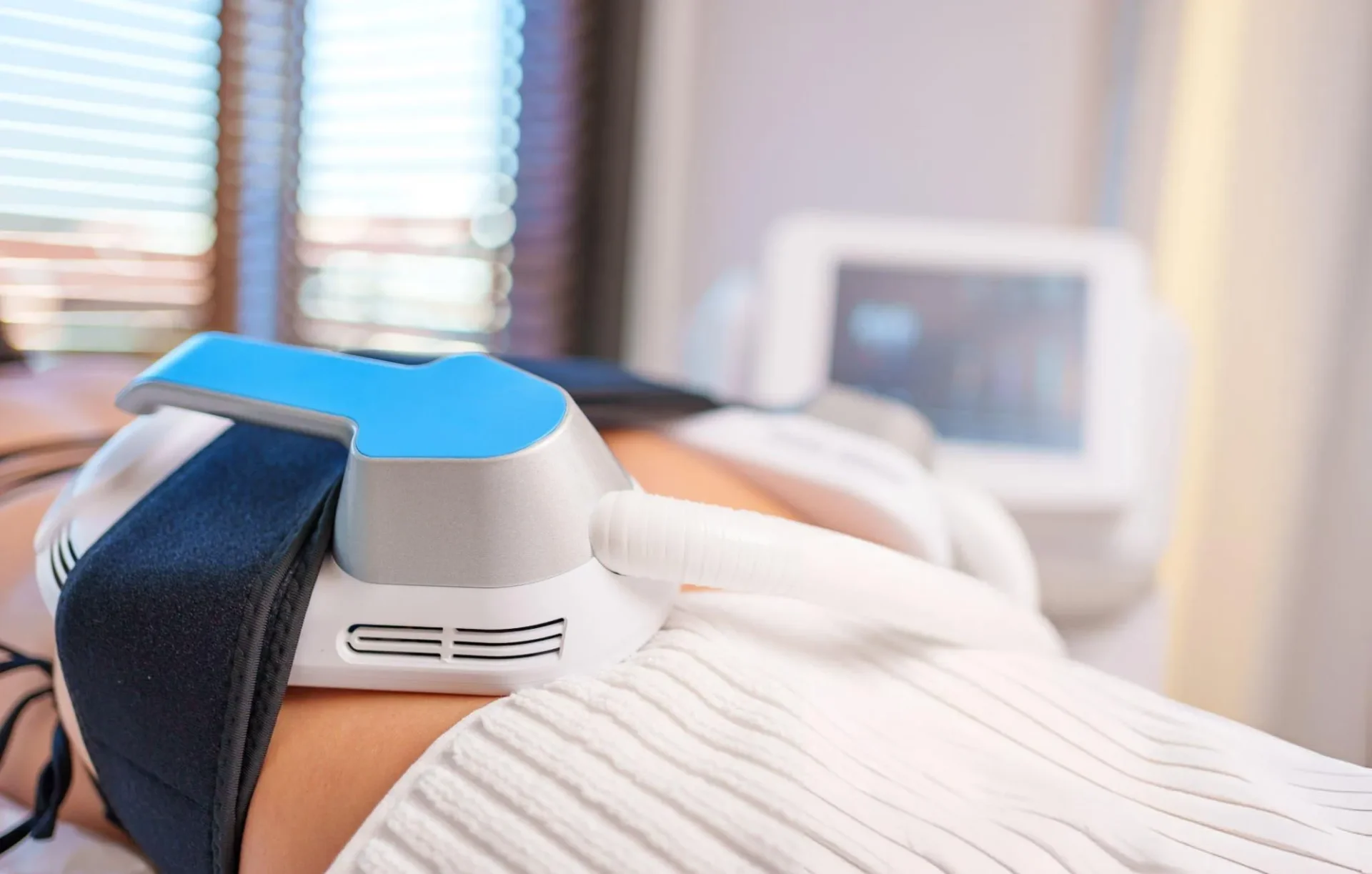
Fat freezing uses cold temperature to destroy fat cells without surgery. The process targets subcutaneous fat – the layer of fat just under your skin. During treatment, a device applies controlled cooling to freeze fat cells in the treatment area. Your body gradually processes affected fat cells over the following weeks. The fat reduction happens gradually, which can result in gradual changes rather than sudden visible shifts. Fat freezing works best on pockets of fat that resist diet and exercise. Common treatment areas include:
- Stomach and love handles
- Thighs and hips
- Upper arms
- Double chin
- Back fat
Common Side Effects During Treatment
Most people experience mild discomfort during the fat freezing procedure. Here’s what you can expect:
Immediate sensations:
- A cold feeling when the device starts
- Pulling or tugging sensation
- Mild cramping in the treatment area
- Numbness after the first few minutes
The cold temperature creates these feelings, but they fade quickly. Most clients read, work on their phones, or even nap during treatment.
Duration: Each treatment area takes 30-60 minutes. The discomfort happens mainly in the first 10 minutes. Also Read:
Also Read: https://skinduced.com.au/fat-freezing-benefits-top-10-reasons
What Happens Right After Treatment
Your treated area will look and feel different immediately after the fat freezing procedure ends. This is completely normal.
Immediate changes:
- Redness in the treatment area
- Mild swelling
- Temporary numbness
- Slight tenderness when touched
Your practitioner will massage the treated area for 2-3 minutes. This helps break up the frozen fat cells and can feel uncomfortable for a moment.
Many people return to normal activities shortly after treatment, depending on individual response. Downtime is usually minimal, with return to work and daily activities varying between individuals.
Real Side Effects and Recovery Timeline
Understanding the recovery process helps you plan your treatment around your schedule. Here’s what most people experience:
Weeks 1-2: Initial Recovery
- Numbness: Your treated area may feel numb for 1-2 weeks
- Mild swelling: Some areas look slightly puffy
- Redness: Skin colour returns to normal within days
- Tenderness: The area may feel sore like a mild bruise
Week 3-4: Settling Phase
- Reduced sensitivity: Feeling starts returning to normal
- Less swelling: Any puffiness goes away
- Comfort improves: Tenderness fades completely
Week 6-12: Results Appear
- Fat reduction becomes visible: Your body removes dead fat cells
- Full results: Changes typically continue to develop over 2–3 months
- Outcome: The treated area may appear more contoured over time
Have concerns about fat freezing side effects?
Our Newcastle team is happy to answer your questions. Book a consultation for personalised guidance from our team.
Rare Side Effects You Should Know About
While most people have easy recoveries, some rare side effects can occur. Understanding these helps you make an informed choice.
Uncommon but possible side effects:
- Prolonged numbness: Sensation takes longer than 2 weeks to return
- Skin colour changes: Temporary darkening or lightening of skin
- Firm areas: Small hard spots that soften over time
- Increased sensitivity: The treated area feels more sensitive than usual
Very rare complications:
- Frostbite (extremely rare with proper technique)
- Scarring (almost never happens)
- Infection (very uncommon)
Important: These rare side effects have been reported infrequently in clinical settings when treatment is performed by qualified practitioners. when qualified practitioners perform the treatment.
Who Makes a Good Candidate for Fat Freezing?
Fat freezing may be more suitable for certain individuals and body fat types. Here’s who sees the best results: Ideal candidates:
- People within 30 pounds of their goal weight
- Those with localised fat areas that have not responded to diet and exercise
- Individuals seeking gradual changes over time
- People who can’t have surgery or prefer non-surgical options
Good candidate traits:
- Healthy overall lifestyle
- Realistic expectations about results
- Commitment to maintaining weight after treatment
- Understanding that this isn’t weight loss – it’s fat reduction
Not ideal for:
- People wanting major weight loss
- Those with medical conditions affecting circulation
- Individuals expecting immediate visible changes
- People who can’t maintain a stable weight
How to Prepare for Your Treatment
Proper preparation reduces side effects and improves your experience. Follow these simple steps:
Before your appointment:
- Eat a normal meal (don’t come hungry)
- Stay hydrated by drinking water
- Wear comfortable, loose clothing
- Avoid alcohol 24 hours before treatment
Day of treatment:
- Arrive with clean skin (no lotions or oils)
- Bring something to do (book, tablet, phone)
- Plan for 1-2 hours at the clinic
- Arrange for comfortable transportation home
Managing Side Effects at Home
Most side effects are mild and temporary. These tips help you feel more comfortable during recovery: For numbness:
- Gentle massage helps blood flow return
- Warm (not hot) baths can feel soothing
- Light exercise promotes circulation
For swelling:
- Wear loose, comfortable clothing
- Avoid tight belts or waistbands
- Stay hydrated with plenty of water
For tenderness:
- Over-the-counter pain relief may be used if appropriate
- Avoid intense massage of the treated area
- Ice packs can reduce discomfort (use for 10 minutes maximum)
Also Read: https://skinduced.com.au/does-fat-freezing-work-everything-you-need-to-know/
When to Contact Your Practitioner
Most people recover without any problems. However, you should contact your clinic if you experience:
- Severe pain that doesn’t improve with over-the-counter medication
- Signs of infection (fever, increased redness, warmth)
- Numbness lasting longer than 3 weeks
- Unusual changes in skin colour or texture
- Any concerns about how you’re healing
Remember: Your practitioner wants you to have a good experience. They’re there to help if you have questions or concerns.
Realistic Expectations for Results
Fat freezing creates gradual changes, not instant transformation. Here’s what to expect:
Timeline for visible results:
- 3-4 weeks: Slight changes may start appearing
- 6-8 weeks: More noticeable fat reduction
- 2-3 months: Full results become visible
- 4-6 months: Changes may continue to develop
Note*. Clinical studies have shown a reduction in fat layer thickness in the treated area, though individual results will vary based on personal factors.
Long-term results:
- Treated fat cells are naturally eliminated by the body; however, maintaining a stable weight is essential as remaining fat cells can still expand.
- Results may be maintained with stable weight, though individual outcomes vary
- Remaining fat cells can still grow if you gain weight
Your Next Steps
Fat freezing side effects are generally mild and temporary. Most people find the process much easier than they expected. The key is working with qualified practitioners who use proper techniques and equipment. Understanding what to expect helps you prepare mentally and physically for treatment. Remember that everyone heals differently, but serious complications are extremely rare. If you’re considering fat freezing, the most important step is consulting with experienced practitioners. They can assess whether you’re a good candidate and explain exactly what to expect for your specific situation.
Ready to learn more about fat freezing?
If you are considering fat freezing, a consultation can help determine whether this treatment is suitable for your individual goals and circumstances. Our team can explain the process, potential side effects, and expected timelines so you can make an informed decision.
Frequently Asked Questions
How painful is fat freezing?
Most people describe it as uncomfortable rather than painful. The cold feeling lasts about 10 minutes, then the area becomes numb. After treatment, you might feel sore like you had a workout.
Can I exercise after treatment?
Many people return to normal exercise shortly after treatment, depending on individual comfort. Some people prefer to wait 24 hours if they feel tender, but there’s no medical reason to avoid activity.
Will I bruise after fat freezing?
Minor bruising can happen, but it isn’t common. If you bruise easily, you might see some colour changes that fade within a week.
How long do side effects last?
Most side effects resolve within 1-2 weeks. Numbness is the longest-lasting effect and typically goes away within 2-3 weeks.
Can I have multiple areas treated at once?
Yes, many people treat multiple areas in one session. This doesn’t increase side effects significantly, but you’ll have more areas feeling numb temporarily.
Are there any long-term risks?
Clinical studies support the safety profile of fat freezing when performed by qualified practitioners using approved equipment. The destroyed fat cells are permanently removed from your body through natural processes.
Final Thoughts
Fat freezing is a non-surgical option used to address localised fat areas in suitable candidates. The side effects are manageable and temporary for most people. By understanding what to expect, you can approach treatment with confidence. Remember that the best results come from choosing qualified practitioners who prioritise your safety and comfort. Take time to research your options and ask questions during your consultation. Start your journey by becoming fully informed about the procedure and what to expect during your recovery. Now that you know what to expect from fat freezing side effects, you can make the decision that’s right for you.