Does Fat Freezing Work? Everything You Need to Know
Fat freezing, also known as cryolipolysis, is a non-surgical cosmetic procedure that is commonly discussed in the context of body contouring. Individuals may explore this treatment when lifestyle measures alone have not resulted in changes to specific areas of subcutaneous fat.
This article provides general information about fat freezing, how it is described in clinical practice, and what to consider when deciding whether it may be suitable. Any decision about treatment is made following consultation with a qualified health practitioner and based on individual assessment.
What Is Fat Freezing?
Fat freezing is a cosmetic procedure that involves the controlled application of cooling to targeted areas of the body. The process is commonly referred to as cryolipolysis and is designed to affect subcutaneous fat located beneath the skin.
During the procedure, a device applies controlled cooling to the treatment area. The body then processes the affected fat cells over time as part of natural physiological processes. The way individuals respond to treatment varies, and outcomes depend on factors such as treatment area, individual biology, and clinical assessment.
Fat freezing targets subcutaneous fat and does not involve deeper fat surrounding internal organs. Suitability and expected outcomes are discussed during consultation with a qualified practitioner.
How Does Fat Freezing Work?
Fat freezing is described as a cosmetic procedure that applies controlled cooling to targeted areas of subcutaneous fat. The technique is based on differences in how various tissues respond to cooling temperatures, which is why the procedure is discussed in body contouring contexts.
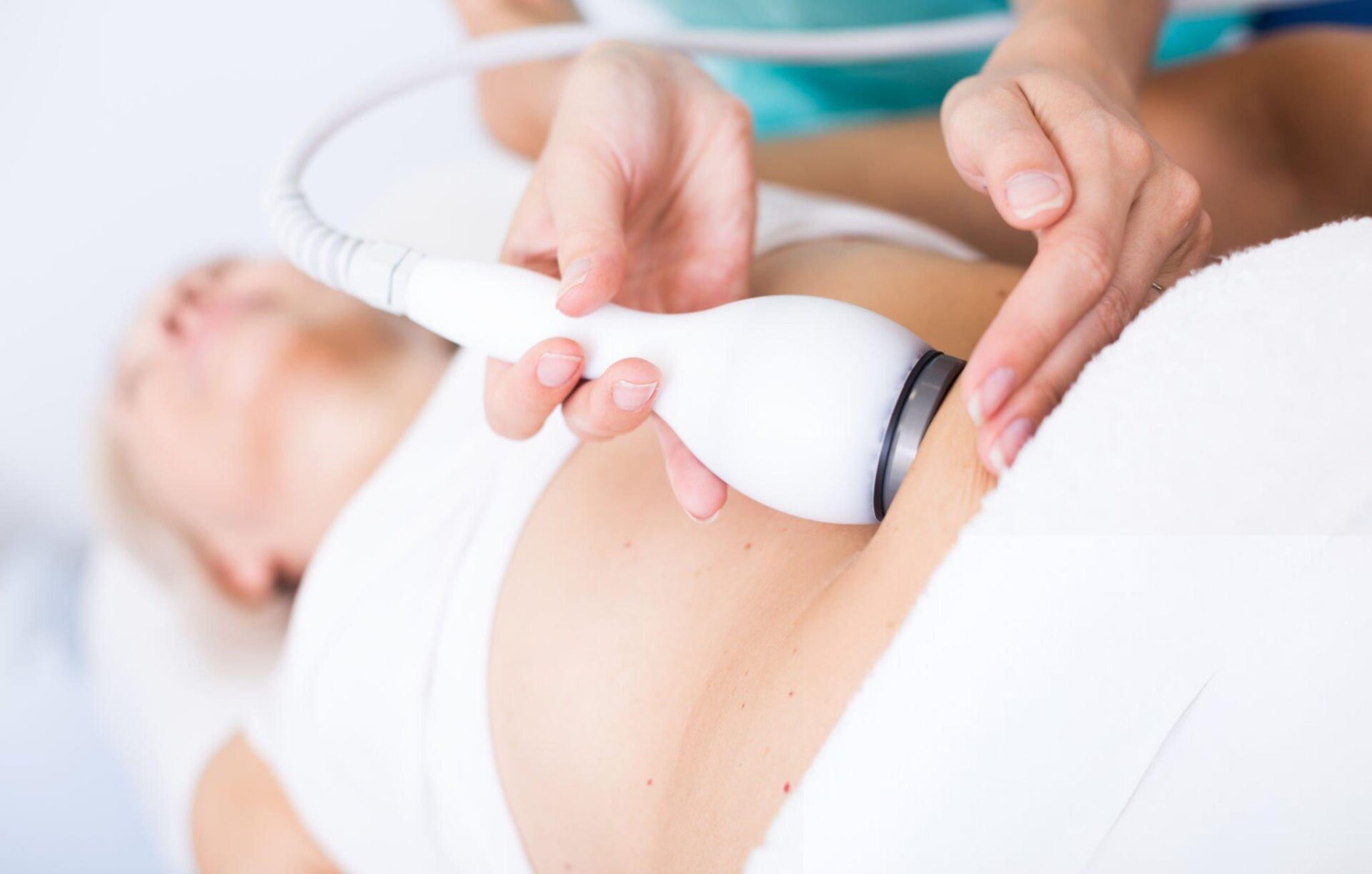
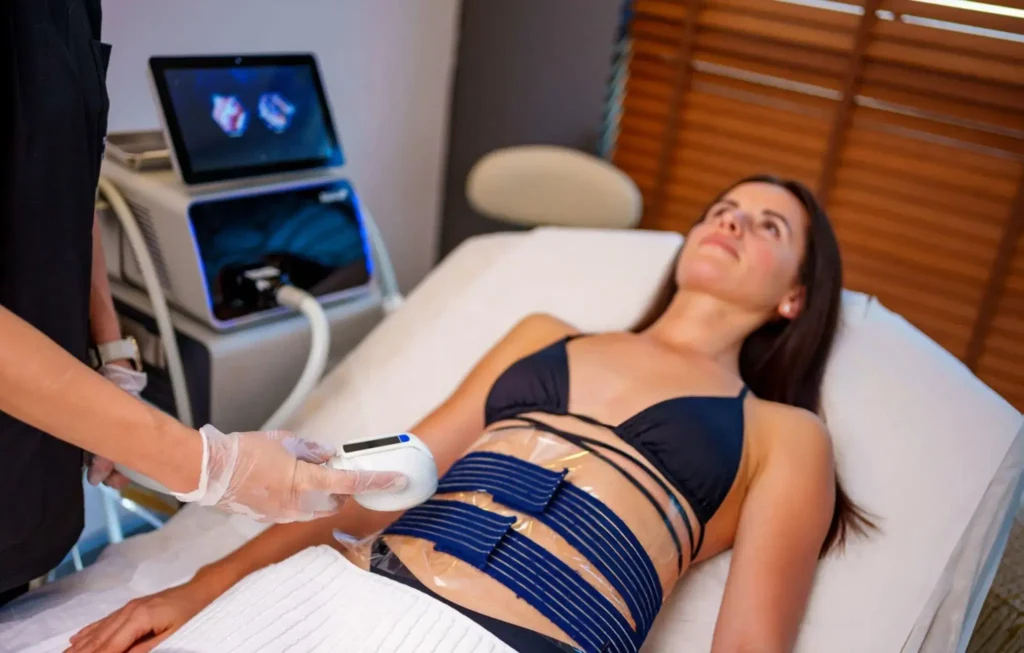
During a fat freezing session, a device is positioned on the treatment area to deliver controlled cooling. Sensations experienced during the procedure can vary between individuals and may change as the session progresses.
The duration of a fat freezing session and the number of areas treated depend on individual assessment, the treatment plan, and practitioner guidance. These factors are discussed during consultation.
Following treatment, the body gradually processes affected fat cells over time through natural physiological mechanisms. The rate at which changes may occur varies between individuals and depends on factors such as treatment area, individual response, and clinical assessment. Expected outcomes and timelines are discussed during consultation with a qualified health practitioner.
Does Fat Freezing Actually Work?
Fat freezing is discussed in cosmetic practice as a body contouring procedure that may be suitable for some individuals following professional assessment. The way the body responds to this treatment varies, and outcomes are influenced by factors such as treatment area, individual physiology, and overall health considerations.
Clinical discussions around fat freezing focus on its role in targeting specific areas of subcutaneous fat rather than overall weight management. Changes, if they occur, develop gradually and differ between individuals. No outcome can be guaranteed, and results are assessed on a case-by-case basis.
Fat freezing is generally considered in the context of body contouring rather than weight loss. Suitability is determined during consultation with a qualified health practitioner, who can advise whether this procedure aligns with an individual’s goals and circumstances.
Who Makes a Good Candidate?
Fat freezing may be considered for individuals seeking non-surgical body contouring following an individual assessment by a qualified practitioner. Suitability varies and depends on personal health factors, treatment goals, and clinical evaluation.
Fat freezing may be discussed with individuals who:
-
Maintain a generally healthy lifestyle and are concerned about localised areas of subcutaneous fat
-
Have areas such as the abdomen, thighs, arms, or flanks that have not responded to lifestyle changes
-
Are seeking a non-surgical option with minimal disruption to daily routines
-
Prefer a treatment approach that does not involve incisions or general anaesthesia
-
Are planning for future events and are open to gradual changes over time, where outcomes differ between individuals
Fat freezing may not be suitable for individuals who:
-
Are seeking significant weight reduction rather than body contouring
-
Have a high degree of skin laxity
-
Are pregnant or breastfeeding
-
Have certain underlying medical conditions or cold-related sensitivities
-
Have not undergone a professional consultation to assess suitability
A consultation with a qualified practitioner is essential to determine whether fat freezing is appropriate based on individual circumstances and expectations.
Also Read: https://skinduced.com.au/5-common-signs-of-collagen-loss-in-face/
What Areas Can You Treat?
Fat freezing may be considered for certain areas of localised subcutaneous fat following an individual assessment by a qualified practitioner.
Areas that are commonly assessed during consultation include:
-
Abdomen (upper and lower)
-
Flanks (commonly referred to as love handles)
-
Thighs (inner and outer)
-
Upper arms
-
Upper back (bra area)
-
Submental area (under the chin)
-
Area beneath the buttocks
Treatment suitability depends on whether there is sufficient subcutaneous fat to allow safe application of the cooling device. Very small areas or areas with minimal fat may not be suitable and require professional assessment.
If you are considering fat freezing, a consultation with a qualified practitioner can help determine whether this treatment is appropriate based on your individual anatomy, health history, and treatment goals.
Book a complimentary consultation to discuss suitability and available options.
What Happens During Treatment?
Your first visit begins with a consultation. The practitioner will assess the treatment area and discuss your goals. They will explain the procedure and answer any questions before proceeding.
On treatment day:
-
The practitioner marks the treatment area
-
A protective gel pad is applied to the skin
-
The cooling device is placed on the selected area
-
You may feel intense cold during the first 2–5 minutes
-
The area typically becomes numb as the session continues
-
You may choose to relax, read, or use your phone during treatment
-
After approximately 35–60 minutes, the practitioner removes the device
-
The treated area may be gently massaged for a short period
Most people are able to resume usual daily activities shortly after the session, depending on individual response and practitioner advice.
Does Fat Freezing Hurt?
Individual comfort levels can vary. Many people report that fat freezing becomes more comfortable after the first few minutes. Here is what you may experience:
During treatment:
An intense cold sensation may be felt for the first 2–5 minutes, followed by numbness. Some people describe a strong pulling or tugging sensation during this phase.
After treatment:
The treated area may feel tender, numb, or swollen for several days. These effects are commonly reported following the procedure and vary between individuals.
Pain level:
Many people describe the discomfort as mild to moderate, Most patients report only mild to moderate discomfort during the procedure.
Some individuals experience tingling or mild cramping as sensation returns. This may last from several hours up to a few days.
Side Effects and Risks
Fat freezing is a non-surgical cosmetic procedure. As with any cosmetic treatment, side effects and risks may occur.
Common side effects (reported by some individuals):
-
Redness at the treatment site
-
Swelling lasting several days to a few weeks
-
Bruising
-
Temporary numbness or tingling
-
Mild discomfort
Less common side effects:
-
Skin sensitivity
-
Muscle cramping or aching
Rare side effects:
-
Paradoxical adipose hyperplasia (where treated fat tissue increases instead of reducing)
-
Prolonged numbness
-
Ongoing or severe discomfort
The most serious rare side effect reported with fat freezing is paradoxical adipose hyperplasia. This is an uncommon complication in which fat tissue in the treated area enlarges rather than decreases. The exact cause is not fully understood and individual risk factors may vary.
How Many Sessions Do You Need?
Some individuals report noticing changes after a single session. However, others may require 2–3 sessions depending on individual factors and treatment goals.
Factors that affect how many sessions you may need:
-
How much fat is present in the treatment area
-
How your body responds to the treatment
-
Your personal goals
It is generally recommended to wait at least 2 months between sessions in the same area. This allows time for the body’s natural processes to occur and for changes to become more apparent.
When Will You See Results?
Fat freezing results typically develop gradually over time:
Week 1–2:
Some individuals may notice early changes, though visible differences are often subtle at this stage.
Weeks 3–4:
Changes may become more noticeable. Clothing may begin to feel different in the treated area.
Month 2:
Further changes may be observed as the treated area continues to evolve.
Month 3:
Results are commonly more apparent, though individual outcomes and timelines can vary.
Some individuals continue to notice changes for several months following treatment.
How Long Do Results Last?
The fat cells affected by fat freezing are gradually reduced and are not expected to regenerate. However, results can vary between individuals.
This does not mean weight changes cannot occur in the treated area. If significant weight gain occurs, the remaining fat cells in that area may increase in size, which can affect the visible outcome.
To help maintain results:
-
Keep a stable weight
-
Continue eating well
-
Stay active
-
Consider touch-up treatments if recommended
Fat Freezing vs Other Treatments
Fat Freezing vs Liposuction:
-
Fat freezing: Non-surgical, minimal downtime, with most patients returning to activities immediately while managing minor swelling or tenderness.
-
Liposuction: Surgical procedure, requires recovery time, results are typically visible sooner
Fat Freezing vs Radiofrequency:
-
Fat freezing: Targets and reduces fat cells in specific areas
-
Radiofrequency: Focuses on skin tightening and collagen stimulation, with limited fat reduction
Fat Freezing vs Diet and Exercise:
-
Fat freezing: Targets specific areas that may not respond to lifestyle changes alone
-
Diet and exercise: Support overall weight management, with fat cells generally shrinking rather than being targeted in specific areas
Cost Considerations
Fat freezing costs vary based on:
-
Treatment area size
-
Number of sessions needed
-
Location and clinic
-
Information about treatment plans and pricing can be discussed during your consultation.
While it requires an investment, many people find it worthwhile because:
-
No surgery or recovery time needed
-
Results can be long-lasting when weight is maintained
-
You can return to normal activities immediately
Making Your Decision
Fat freezing works for many people, but it does not suit everyone. Consider these factors:
You might make a good candidate if you:
-
Maintain a weight close to your ideal
-
Have localised areas of subcutaneous fat pockets that do not respond to diet and exercise
-
Want to avoid surgery and recovery time
-
Have realistic expectations about results
You might want to consider other options if you:
-
Need to lose significant weight overall
-
Want immediate results
-
Have very loose skin
-
Want a dramatic body transformation
Final Thoughts
Fat freezing is a non-surgical treatment option designed to address localised fat in targeted areas. Clinical literature discusses its use in suitable candidates when performed by trained practitioners. The key is having realistic expectations. Fat freezing is not intended to change overall body weight or replace a healthy lifestyle. Instead, it may assist with body contouring in areas that do not respond to diet and exercise alone.
Results take time to develop and vary between individuals. Changes appear gradually over several weeks, and outcomes depend on factors such as treatment area, body response, and ongoing lifestyle habits. Many patients prefer this gradual approach as it supports subtle, natural-looking changes. If you have concerns about localised fat that has not improved despite healthy habits, a professional consultation can help determine whether fat freezing is appropriate for your individual goals.
Ready to Try Fat Freezing in Newcastle?
We offer a no-obligation consultation to assess suitability, discuss expected outcomes, and explain treatment options based on your individual needs.
Click below to book online and speak with our team.
👉 Book Your Complimentary Consultation
FAQ’s:
Can I exercise after fat freezing?
Light activity is usually fine after treatment. However, post-treatment guidance may vary depending on the treatment area and individual response. Your practitioner will provide personalised aftercare advice during your consultation.
Will I lose weight with fat freezing?
Fat freezing is not a weight-loss treatment. It is designed for body contouring by reducing fat in targeted areas. Any changes in weight vary between individuals and should not be expected as a primary outcome.
Can I treat multiple areas at once?
In some cases, multiple areas may be treated during a single visit. This depends on individual assessment, treatment plan, and practitioner recommendation.
What happens if I gain weight after treatment?
Fat cells treated during fat freezing do not regenerate. However, remaining fat cells in untreated areas can increase in size with weight gain. Maintaining a stable weight supports long-term results.
Does fat freezing work safely for everyone?
Fat freezing is not suitable for everyone. It may not be recommended for individuals who are pregnant, breastfeeding, or who have certain medical conditions. Suitability is determined through a professional consultation.
How do professional treatments differ from home fat freezing devices?
Professional treatments use regulated, medical-grade equipment and are performed under clinical protocols. At-home devices vary widely in quality and effectiveness. A consultation with a qualified practitioner helps ensure appropriate treatment planning and safety.
