Men's Skincare Guide - How to Manage Common Skin Concerns Men's skin has specific characteristics that make it respond...


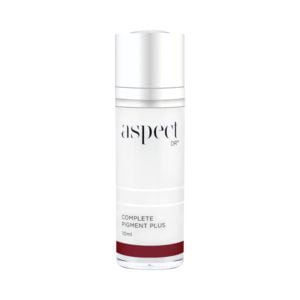
May Help reduce excess pigmentation to support a more even-looking skin tone.
This is a non-cosmetic treatment
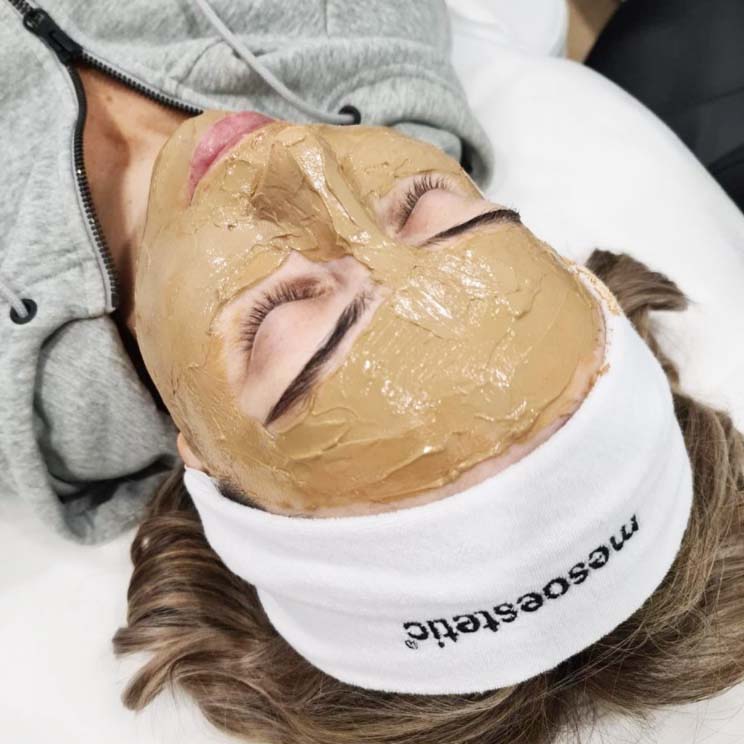

May help the appearance of dark spots and uneven skin tone.

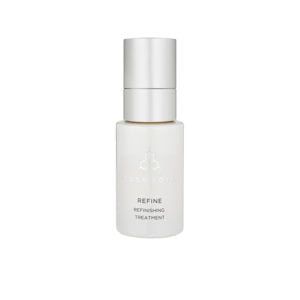
Encourages gentle exfoliation for clearer-looking skin over time.

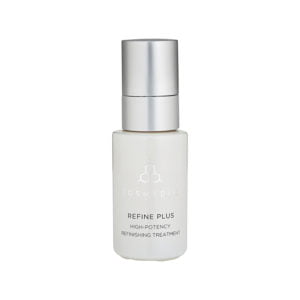
May help refine skin texture and promote a smoother appearance.
Supports skin renewal that may reduce the appearance of fine lines.

Helps promote natural shedding of surface skin cells.

Recovery time varies depending on individual skin response.
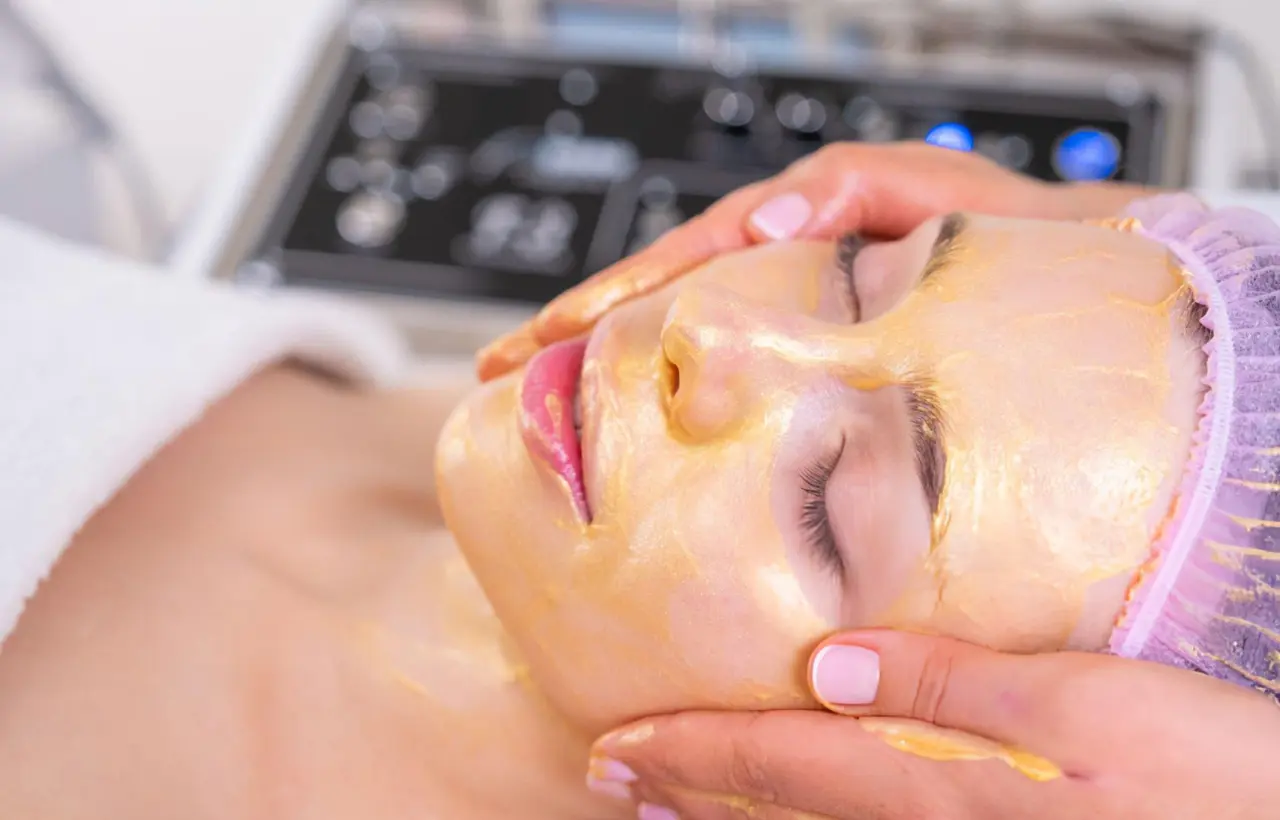
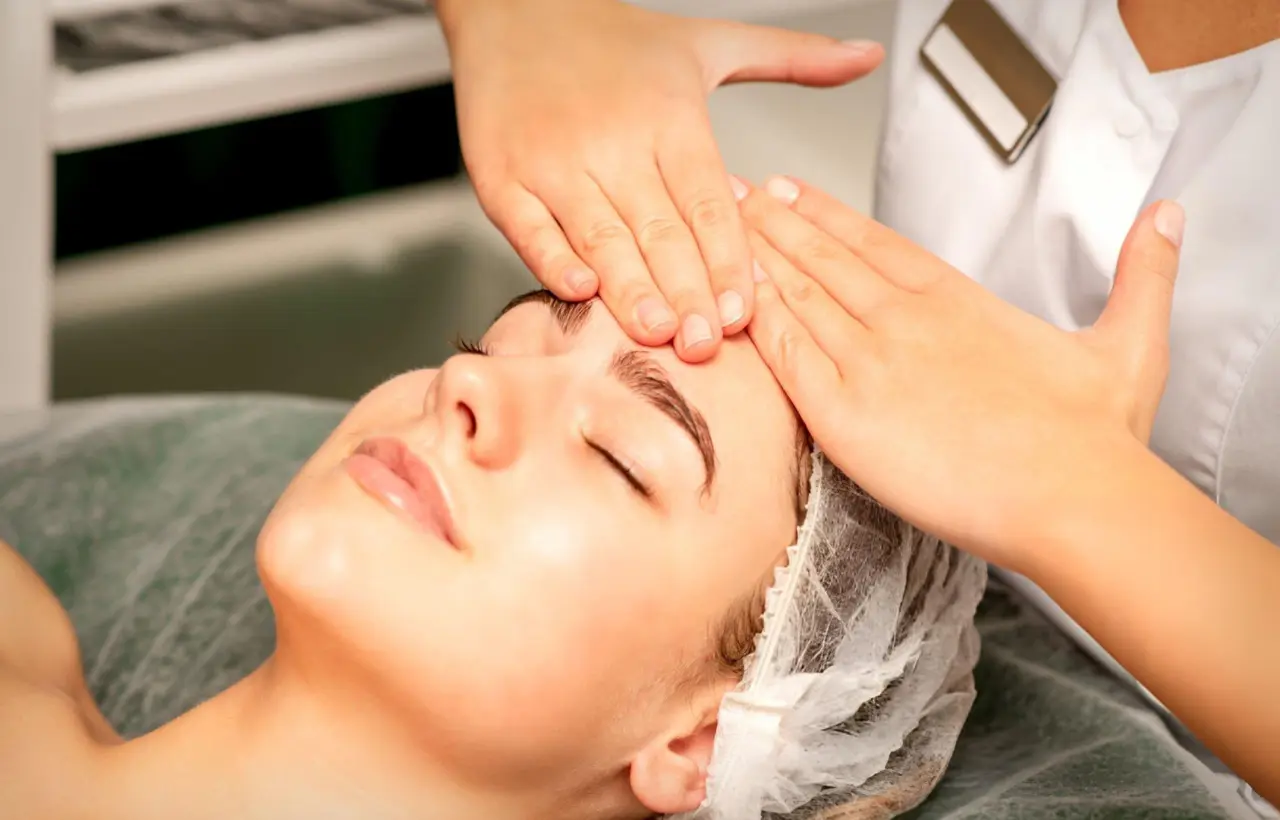
Pre-Care / Post-Care Guidance
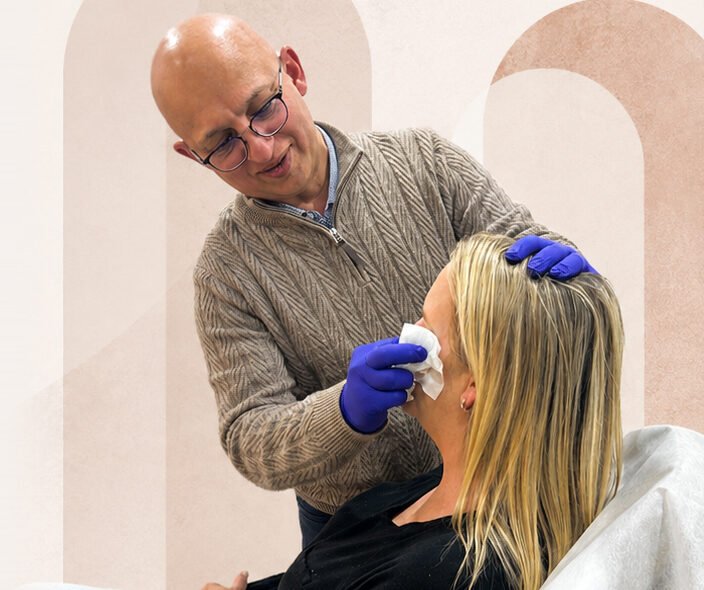
Cosmelan is a professional depigmentation treatment, and as with any active skin treatment, there are effects and risks you should be aware of before proceeding.
Possible effects following treatment may include:
Every skin journey starts with a conversation. Book a personalised consultation and we’ll tailor a plan just for you.
Men's Skincare Guide - How to Manage Common Skin Concerns Men's skin has specific characteristics that make it respond...

Hair Shedding vs Hair Loss - What's the Difference? Finding hair on your pillow, in the shower drain, or coming out in...

How to Get Rid of Loose Skin After Weight Loss? Loose skin can remain after significant weight loss, whether the...
Some improvement in pigmentation may be noticed within a few weeks. Results develop gradually, with changes continuing over several months. Individual response varies depending on skin type, pigmentation depth, and aftercare.
Most people undergo a single Cosmelan peel, followed by a structured home-care program. In some cases, additional treatments may be recommended after clinical review.
Results can be long-lasting when combined with appropriate skincare and sun protection. Ongoing maintenance and UV avoidance play an important role in managing recurrence and results vary between individuals.
Makeup is usually avoided for a short period after treatment. Your clinician will advise when it is appropriate to resume makeup based on skin response and healing.
Most people experience mild to moderate sensations such as warmth, tingling, or tightness during and after treatment. Discomfort levels vary between individuals.
Common temporary effects may include redness, dryness, flaking, sensitivity, or irritation. Side effects are usually short-term and monitored by the treating clinician.
Cosmelan is not performed frequently. Repeat treatment, if needed, is determined after clinical assessment and depends on pigmentation severity and skin response.
Pricing varies depending on clinical assessment, skin concerns, and inclusions such as follow-up care. A consultation is required to determine suitability and cost.