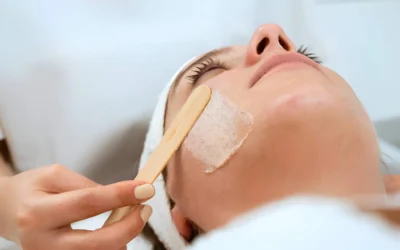
How to Exfoliate Your Face Effectively Exfoliating your face can improve skin texture. But doing it wrong can damage...
Support your skin’s natural renewal process for a refreshed appearance.
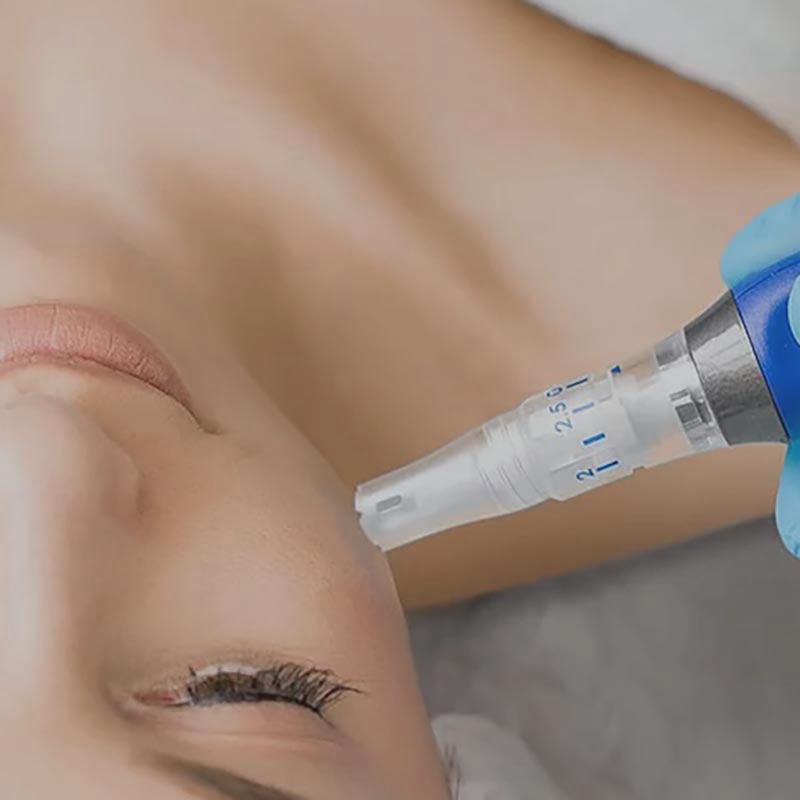
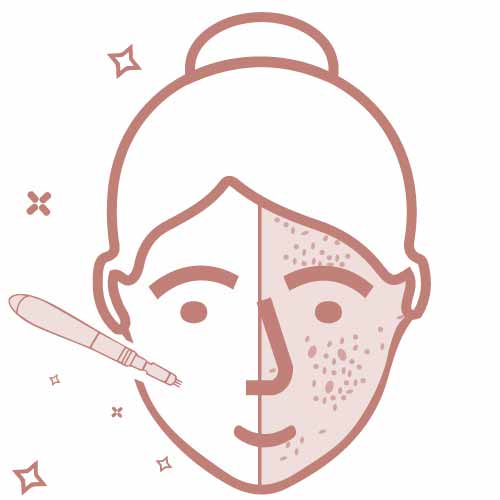
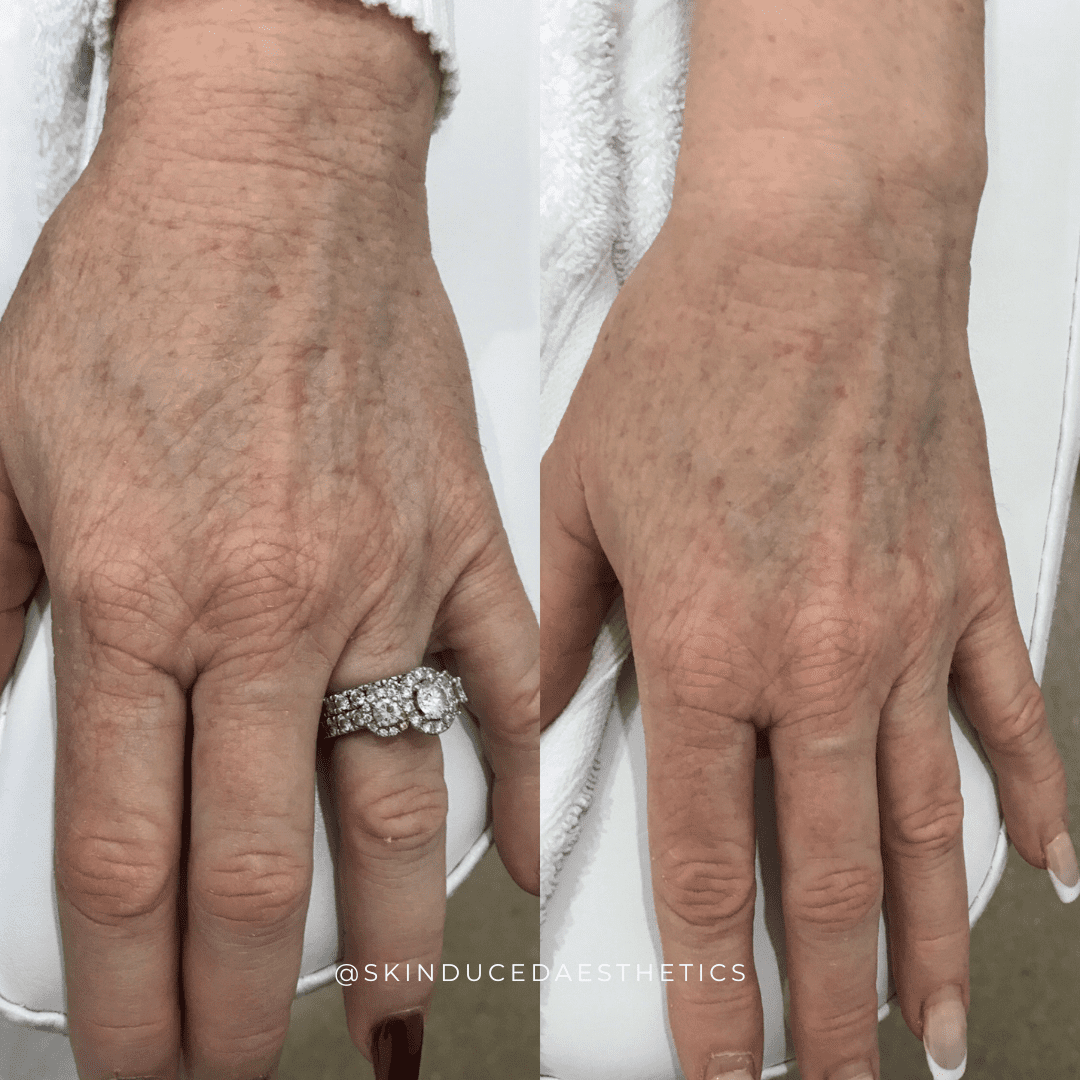
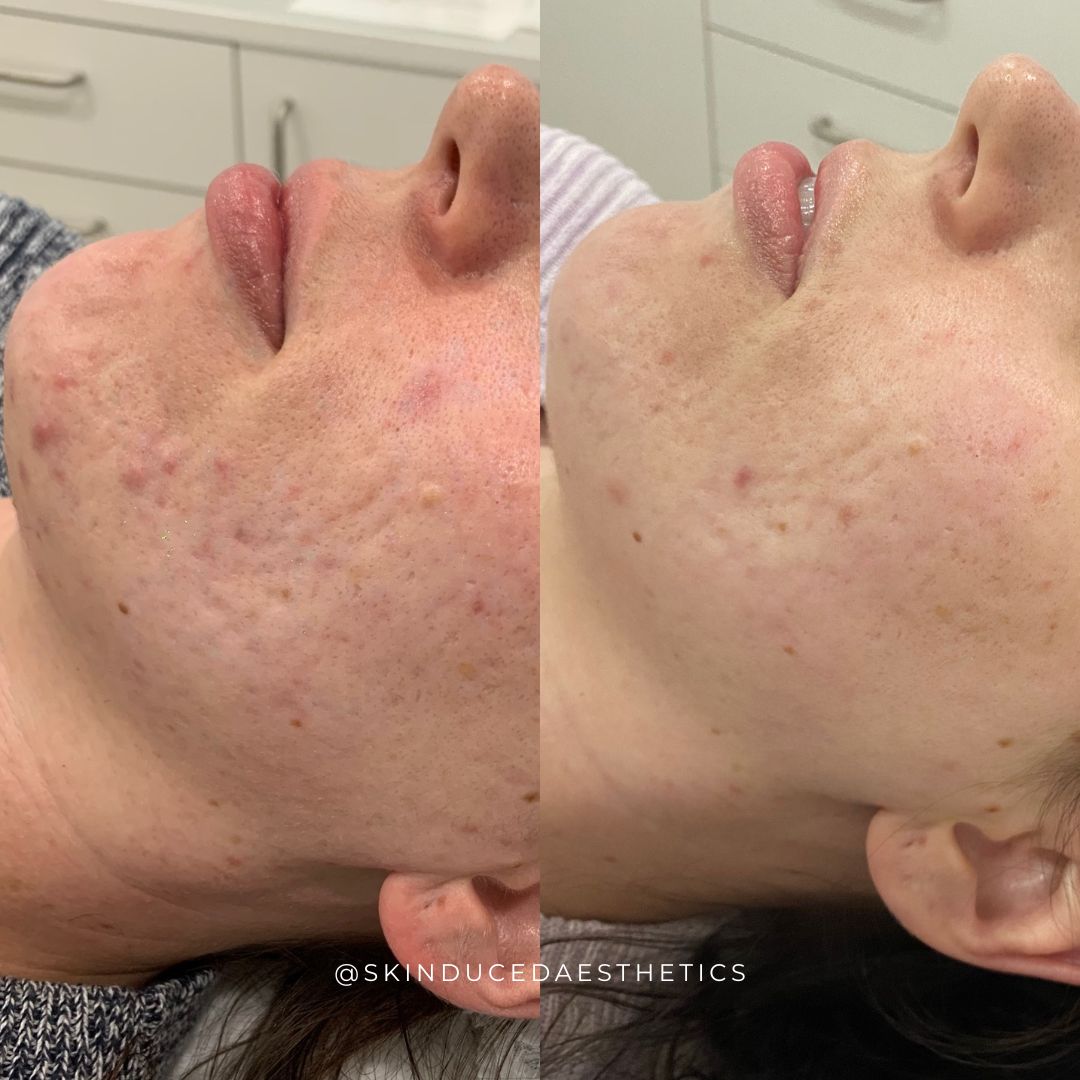
Skin needling may help improve the appearance of skin texture and firmness over time, depending on individual skin response.
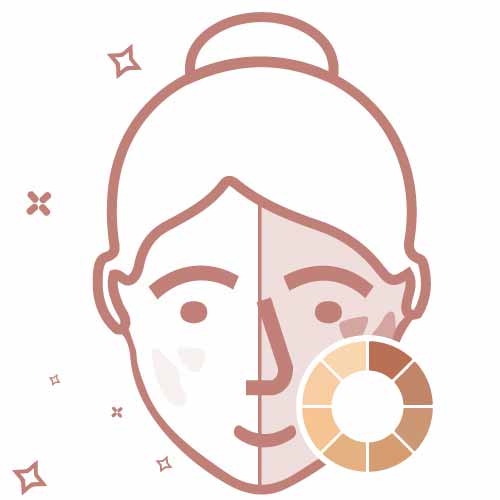
This treatment is commonly used to support a more balanced skin appearance.

Skin needling may assist in softening the visible appearance of certain types of scarring over time.

The treatment supports the skin’s natural renewal process as part of a personalised care plan.

Downtime varies between individuals and depends on treatment settings and skin type.

Sensations experienced during treatment differ between individuals and are discussed during consultation.


Possible effects following treatment may include:
Note: During your consultation, we’ll assess your skin concerns, discuss your goals, review your medical history, and provide detailed post-treatment care instructions to support optimal healing. We’re here to answer any questions you may have about the procedure and recovery process.
How to Exfoliate Your Face Effectively Exfoliating your face can improve skin texture. But doing it wrong can damage...
Fraction Laser Treatment for Skin: A Complete Guide Many people ask about fractional laser treatment when they want to...
Everything You Need to Know About Exosomes Treatment for Skin and Hair You might have heard about exosomes in...
Skin needling is a minimally invasive skin treatment that uses fine needles to create controlled micro-channels on the skin’s surface. This process is commonly used to support skin renewal and improve the appearance of skin texture over time. Device selection and suitability are discussed during consultation.
Skin needling is often considered for concerns such as uneven skin texture, fine lines, or the appearance of scarring. Outcomes vary between individuals and depend on skin type, treatment settings, and individual response.
Sensations experienced during skin needling vary between individuals. Comfort measures may be discussed as part of your consultation, and your clinician will explain what to expect before treatment.
Appointment length can vary depending on the treatment area and individual plan. Timing is discussed during consultation.
Temporary redness or skin sensitivity may occur following treatment and varies between individuals. Your clinician will explain expected skin responses and provide aftercare guidance as part of your appointment.
Treatment frequency and the need for follow-up sessions depend on individual assessment and skin response. Your clinician will discuss appropriate timing during consultation if skin needling is considered suitable.