Addressing Dark Circles Under Eyes with Targeted Laser Treatment
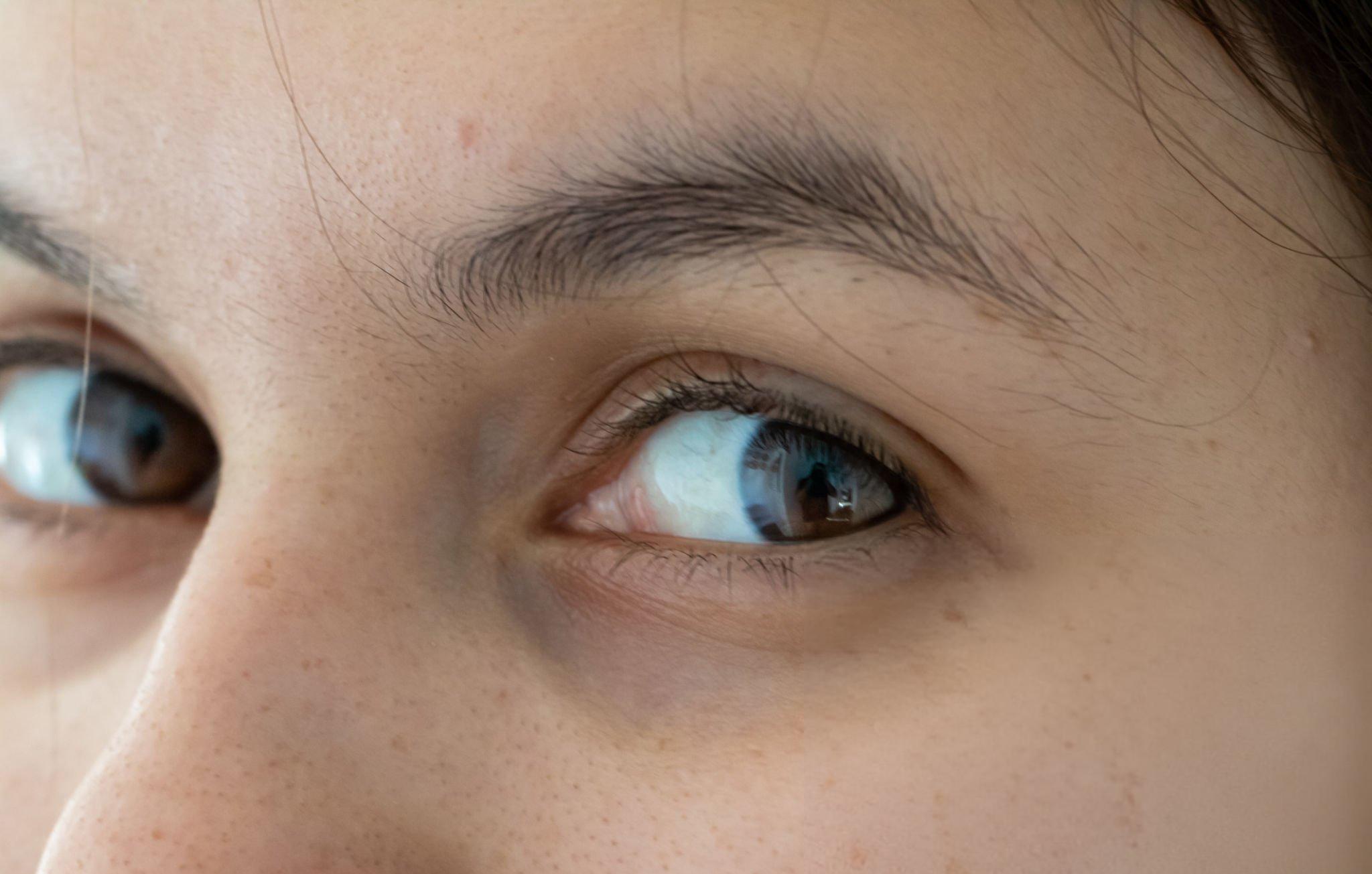
Dark circles under the eyes are a common cosmetic concern. They can appear due to factors such as pigmentation, thinning skin, genetics, lifestyle, or ageing. Understanding the underlying cause helps determine whether treatment options such as laser therapy may be appropriate.
If you’ve tried countless eye creams, cold compresses, and home remedies without success, you’re not alone. Dark circles under eyes can be frustrating and persistent. Laser therapy is a clinical option that targets common causes of under-eye pigmentation.
This guide explains how laser treatment who may benefit from assessment, and what factors influence treatment outcomes.
What Causes Dark Circles Under Eyes?
Understanding why circles under the eyes develop helps determine whether laser treatment may be suitable for certain causes.
Genetics and Skin Tone
Your family history plays a major role in dark circle development. People with darker skin tones often experience more noticeable pigmentation in the eye area. This happens because melanin production increases around delicate under-eye skin.
Blood Vessels and Circulation
The skin around your eyes is extremely thin. When blood vessels beneath the surface become more visible, they create a dark or bluish appearance. Poor circulation makes this effect more pronounced.
Lifestyle Factors
Modern life takes a toll on your eye area:
- Lack of sleep causes blood vessels to dilate
- Screen time strains eye muscles and affects circulation
- Stress impacts skin health and repair processes
- Dehydration makes skin appear thinner and more transparent
Age-Related Changes
As you age, skin loses collagen and becomes thinner. This makes underlying blood vessels more visible. The tear trough area also develops hollows that cast shadows, creating the appearance of dark circles.
Sun Damage
UV exposure increases melanin production around the eyes. Over time, this may lead to pigmentation changes that sometimes require professional assessment to determine appropriate management options.
Understanding the Limitations of Eye Creams and Home Remedies
You’ve probably tried dozens of solutions already. Eye creams are commonly used to address under-eye concerns, but their effects can vary depending on the underlying cause of dark circles.
Limited Penetration: Most topical products primarily act on the surface of the skin and may have limited impact on deeper pigmentation or circulation-related causes.
Temporary Effects: Cold compresses and caffeine-based products may temporarily improve the appearance of puffiness but often do not address underlying causes.
Wrong Approach: Different types of dark circles have different causes, so a single approach may not work for everyone.
Slow Results: Some eye creams may take time to show visible improvement, and results can vary between individuals.
For certain causes of dark circles, professional assessment may help determine whether treatment options such as laser therapy could be considered.
Also Read – https://skinduced.com.au/how-to-remove-eye-bags/
How Laser Treatment Works for Dark Circles
Laser therapy may be used to address certain causes of dark circles depending on individual skin characteristics and clinical assessment.
Targeting Pigmentation
Advanced laser systems use specific wavelengths designed to interact with pigment in the skin. Over time, the body gradually processes these pigment particles, which may help improve the appearance of uneven skin tone.
Improving Circulation
Laser energy may influence circulation in the treated area, which can contribute to improvement in the appearance of visible vessels beneath thin under-eye skin.
Collagen Stimulation
This process may support the skin’s natural collagen response, which can help improve skin texture and the appearance of thin under-eye skin over time.
Precise Treatment
Unlike chemical peels or harsh treatments, laser therapy can be precisely controlled. Your practitioner adjusts the intensity and depth based on your specific skin type and concerns.
Types of Laser Treatments for Dark Circles
Different laser technologies address various aspects of under-eye concerns:
Q-Switched Lasers
These lasers excel at breaking down pigmentation. They’re particularly effective for treating infraorbital dark circles caused by excess melanin production.
Fractional Lasers
These systems create tiny treatment zones in the skin, stimulating renewal while leaving surrounding tissue intact. They’re excellent for improving overall skin texture and thickness.
IPL (Intense Pulsed Light)
While technically not a laser, IPL uses broad-spectrum light to target both pigmentation and blood vessels. It’s gentler than traditional lasers and works well for sensitive eye areas.
Combination Approaches
Many NSW laser clinics use multiple technologies in a single treatment plan. This comprehensive approach addresses all aspects of dark circle formation.
Supporting Your Laser Results with Professional Products
After laser treatment, your clinician may discuss suitable skincare products that support general skin care and recovery.
- Opti Crystal 7g – may help reduce the look of dark circles
- Aspect Dr Eyelift Cream 15g – may reduce the appearance of dark circles, fine lines and puffiness
- Cosmedix Eye Genius 6g – can help reduce the appearance of puffiness and dark circles
- Societe Eye Gel Peptide Mask – may contribute to minimise dark circles and puffiness under the eyes
When used alongside professional treatment, these products can help extend your results and keep your eyes looking fresh and bright.
Who Benefits Most from Laser Treatment?
Laser treatment may be considered for individuals experiencing persistent dark circles depending on clinical assessment.
Career-Driven Professionals
If you’re spending long hours in front of screens or dealing with high-stress environments, laser treatment offers a practical solution. Some individuals choose to explore treatment when dark circles affect their appearance during work or daily activities. Suitability and expected outcomes are discussed during consultation.
The treatment fits into busy schedules with minimal downtime. Treatment time and recovery vary between individuals and are discussed during consultation.
Young Mums
Sleep deprivation and hormonal changes during motherhood often trigger under-eye issues. Laser treatment helps restore a fresh, well-rested appearance without requiring extensive recovery time.
Results typically develop gradually, aiming for a refreshed appearance that maintains a natural look.
Pre-Wedding Preparation
Brides and bridal party members often start laser treatments 3-6 months before their big day. This timing allows for multiple sessions to work towards achieving the desired appearance for photos and videos.
The treatment can help improve skin texture for smoother makeup application.
Beauty Enthusiasts Ready for Advanced Solutions
If you’ve exhausted topical options and want science-backed results, laser therapy represents the next logical step. It’s particularly appealing to skincare-savvy individuals who understand the value of professional treatments.
Content Creators and Public-Facing Professionals
Social media influencers, models, and customer service professionals rely on laser treatment to maintain a polished, camera-ready appearance. The treatment aims to provide a more refreshed appearance, which some individuals find beneficial in professional settings.
What to Expect During Treatment
Understanding the treatment process helps you feel confident and prepared:
Initial Consultation
Your practitioner assesses your specific type of dark circles and discusses realistic expectations. They examine factors like skin thickness, pigmentation levels, and underlying vascular issues.
Treatment Session
Most sessions take 15-30 minutes. You’ll wear protective eyewear while the laser targets specific areas around your eyes. Most people describe the sensation as mild warmth or tiny pinpricks.
Immediate Aftercare
The eye area might appear slightly red or feel warm immediately after treatment. This typically resolves within a few hours. You can apply makeup the same day if needed.
Recovery Process
Unlike surgical procedures, laser treatment requires minimal downtime. You might experience mild swelling for 24-48 hours, but most people return to normal activities immediately.
Timeline for Results
Understanding when to expect improvements helps manage expectations:
Week 1-2
Initial redness subsides. Some people notice immediate tightening effects from collagen stimulation.
Week 3-6
Pigmentation begins to fade as your body eliminates broken-down melanin particles. Circulation improvements become more noticeable.
Week 6-12
Maximum results develop as new collagen forms and skin texture improves. Most people see significant reduction in dark circle appearance.
Ongoing Maintenance
Results typically last 12-18 months. Some people choose annual touch-up sessions to maintain optimal outcomes.
Treatment Safety and Side Effects
Laser treatment for dark circles has an excellent safety profile when performed by qualified practitioners:
Common Side Effects
- Mild redness lasting a few hours
- Slight swelling for 1-2 days
- Temporary darkening of pigmentation before it fades
- Minimal discomfort during treatment
Rare Complications
Serious side effects are extremely uncommon when treatment is performed correctly. These might include temporary changes in pigmentation or minor scarring.
Who Should Avoid Treatment
Certain conditions make laser treatment unsuitable:
- Active skin infections in the treatment area
- Pregnancy or breastfeeding
- Recent sun exposure or tanning
- Certain medications that increase light sensitivity
Combining Treatments for Enhanced Results
In some cases, clinicians may discuss combining different treatment approaches depending on the underlying cause of dark circles.
Hyaluronic Acid Fillers
Fillers may sometimes be discussed when volume loss contributes to the appearance of dark circles. Suitability is determined during consultation following individual assessment.
Medical-Grade Skincare
Skincare products containing ingredients such as retinoids, vitamin C, or peptides may be discussed as part of a broader skincare routine.
Lifestyle Modifications
Your practitioner might recommend changes to sleep habits, screen time, or sun protection to prevent future dark circle development.
Cost Considerations and Value
Skincare products containing ingredients such as retinoids, vitamin C, or peptides may be discussed as part of a broader skincare routine.
Treatment Packages
Some clinics may discuss treatment planning that involves multiple sessions. The number of sessions required varies between individuals and is determined during consultation.
Long-Term Savings
When you calculate the cost of high-end eye creams over several years, professional treatment often proves more economical.
Payment Options
Many NSW laser clinics offer payment plans or financing options to make treatment more accessible.
Choosing the Right Clinic in NSW
Practitioner Qualifications
Look for clinics with certified laser technicians or medical professionals. Check their training credentials and experience with eye area treatments.
Technology Quality
Modern laser systems provide better results with fewer side effects. Ask about the specific equipment used and its track record.
Before and After Photos
Reputable clinics showcase real patient results. Look for photos of people with similar skin types and concerns to yours.
Consultation Process
Quality providers offer thorough consultations to assess your suitability and explain realistic expectations.
Maintaining Your Results
Maximising the longevity of your laser treatment results requires ongoing care:
Sun Protection
Daily SPF use prevents new pigmentation from forming. Choose broad-spectrum sunscreens designed for the delicate eye area.
Quality Sleep
Prioritising rest helps maintain improved circulation and prevents new dark circles from developing.
Proper Skincare
Using gentle, effective eye products helps support your skin’s health between professional treatments.
Regular Follow-Ups
Annual assessments help determine if maintenance treatments would benefit your long-term results.
Making the Decision
Dark circles under the eyes can have several causes. Laser treatment may be discussed as one option depending on the underlying factors identified during consultation.
Treatment decisions are personal and may depend on individual goals, preferences, and clinical suitability discussed during consultation. Different approaches may be considered for managing dark circles, including skincare products and clinical treatments. The most appropriate option depends on individual assessment.
If you’re tired of looking exhausted despite getting adequate rest, it might be time to explore what laser treatment can offer. Laser technologies used in aesthetic clinics continue to evolve, and treatment suitability is assessed individually during consultation.
Taking the Next Step
The decision to treat dark circles professionally is a personal choice based on your individual aesthetic goals. During consultation, your clinician can explain available treatment options, expected outcomes, and whether laser therapy may be appropriate for your concerns.
If you have concerns about the appearance of dark circles that have not responded to topical products, professional treatment may be an option to consider.
If you would like to learn more about treatment options for dark circles, you can book a consultation with Skinduced Aesthetics Clinic. During consultation, your clinician will assess your concerns and discuss suitable options based on your individual needs.
Frequently Asked Questions
How many treatments do I need? The number of sessions varies between individuals. Some treatment plans may involve multiple sessions spaced several weeks apart depending on clinical assessment.
Does laser treatment hurt? Sensations during treatment vary between individuals. Some people describe mild discomfort during the procedure.
Can I wear makeup after treatment? Your clinician will provide aftercare advice, including when makeup may be applied following treatment.
How long do results last? Duration of results varies between individuals and depends on factors such as skin type, lifestyle, and treatment approach.
Is treatment suitable for all skin types? Laser treatment suitability depends on individual skin type and clinical assessment. Your practitioner will determine whether treatment is appropriate for you.
