
What Is an LED Face Mask? LED face masks have moved from professional clinics into mainstream skincare conversations...


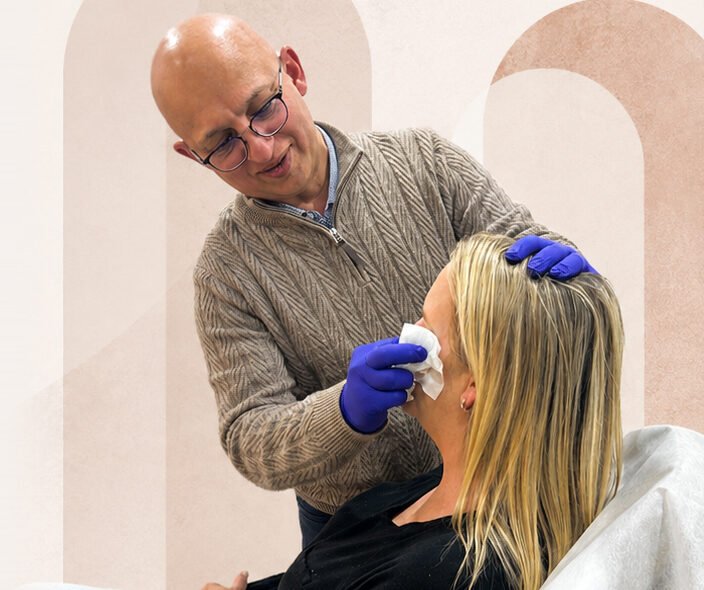
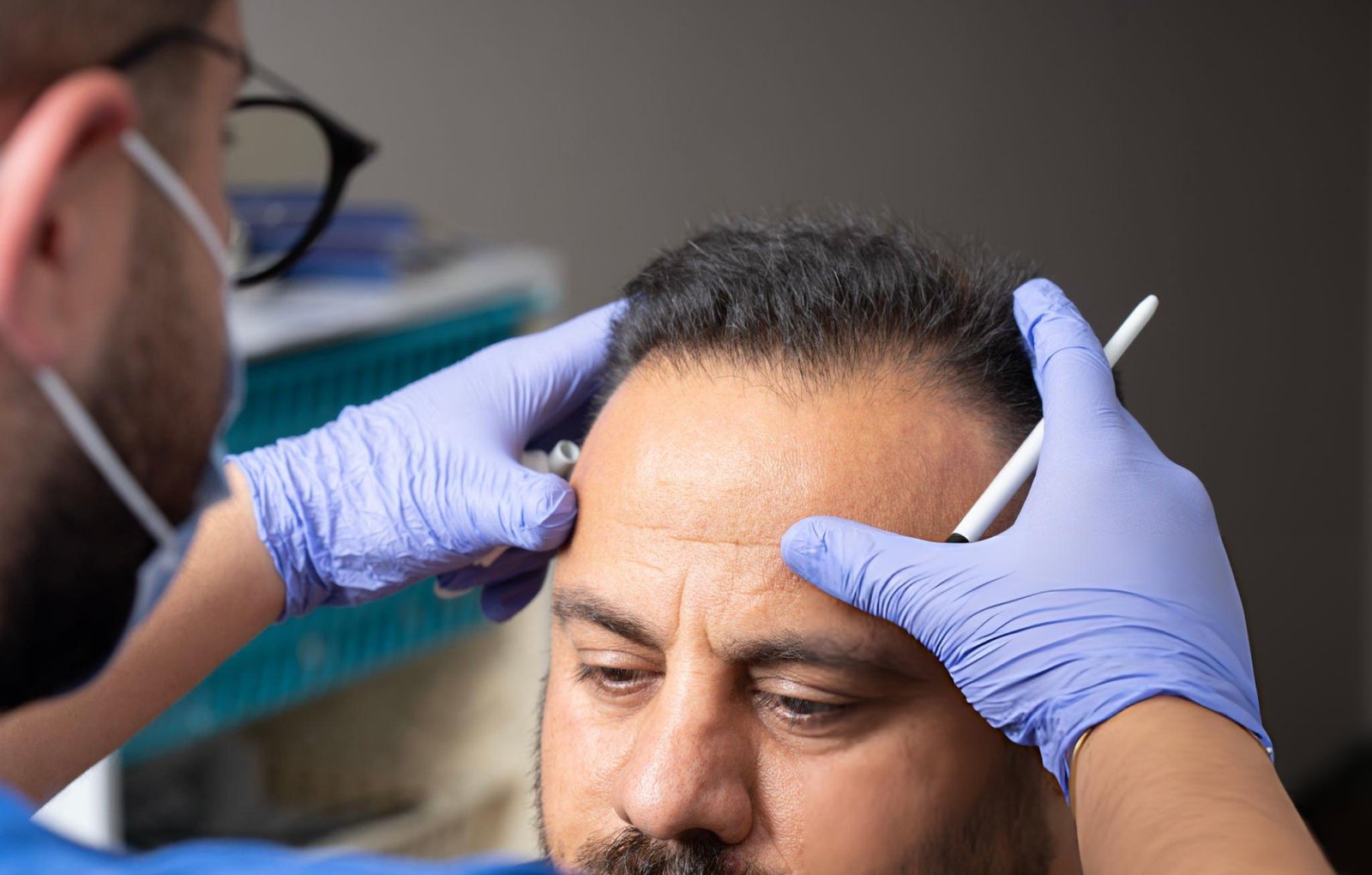
Prp treatment is suitable for skin rejuvenation, hair loss, tear troughs, fine lines, and wrinkles.

PRP may be used as part of a treatment plan focused on overall skin quality, including texture and tone, following individual assessment.

PRP is commonly considered in aesthetic practice for patients concerned about early signs of skin ageing, depending on suitability.

PRP may be recommended for concerns related to skin tone irregularities, subject to clinical evaluation.

PRP can form part of a broader approach to skin management where changes in skin texture or elasticity are a concern.

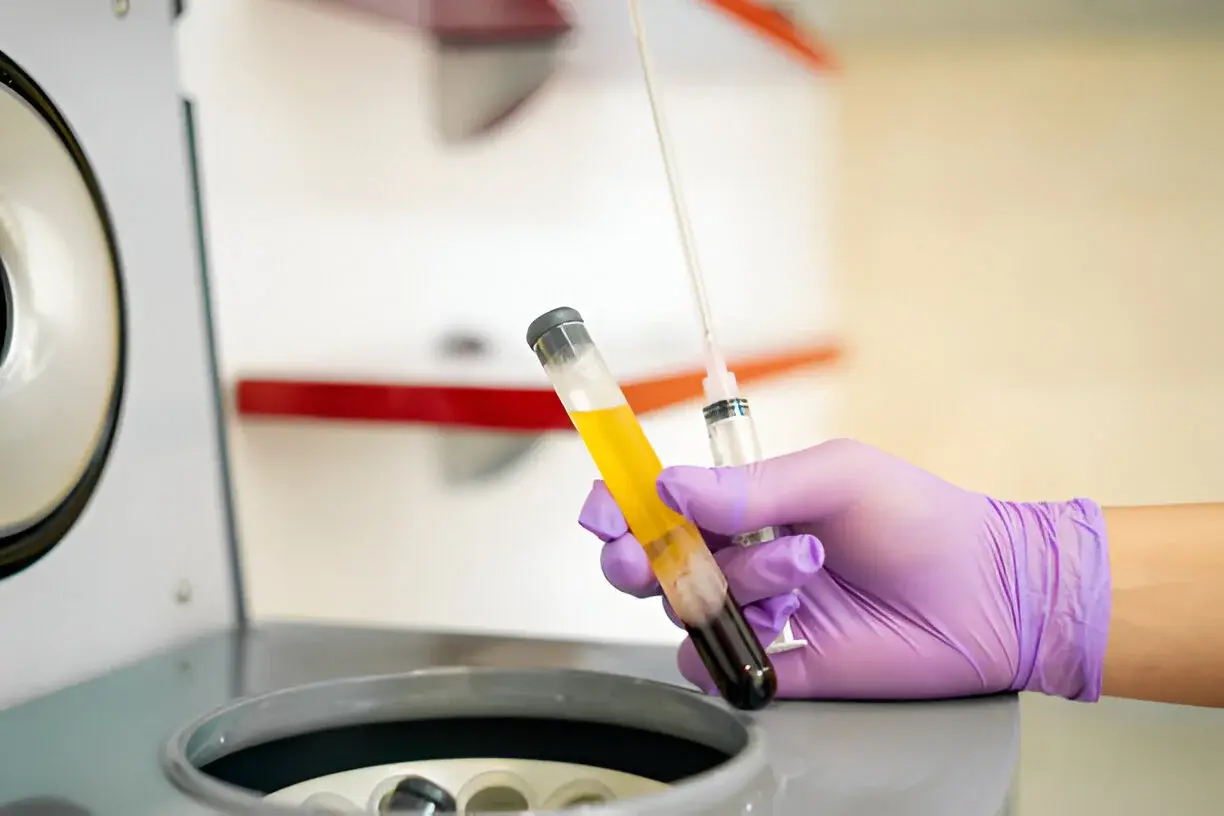
PRP involves components derived from your own blood that are used in treatments associated with skin structure support, as assessed by a qualified practitioner.

PRP is sometimes used in hair management programs for individuals experiencing concerns about hair density, with outcomes varying between patients.

Hydration
Maintain normal fluid intake in the days leading up to your appointment, unless advised otherwise by your practitioner.
Medications and Supplements
Avoid aspirin, ibuprofen, fish oil, or similar supplements for at least 7 days before treatment, unless otherwise directed by your healthcare provider.
Alcohol
Avoid alcohol for 24–48 hours prior to treatment, as advised during your consultation.
Possible effects following treatment may include:
Important: If you experience significant pain, swelling, skin redness, or signs of infection following treatment, please contact the practitioner who performed your procedure, your GP, or attend an emergency department if after-hours care is needed.



Every skin journey starts with a conversation. Book a personalised consultation and we’ll tailor a plan just for you.
What Is an LED Face Mask? LED face masks have moved from professional clinics into mainstream skincare conversations...
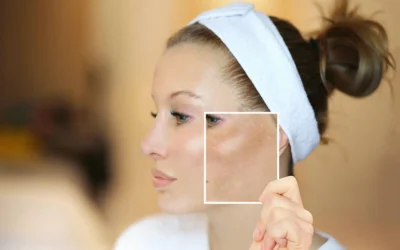
Post-Inflammatory Hyperpigmentation - Why Acne Leaves Dark Marks You treated the breakout. The pimple is gone. But the...

What Causes Crepey Skin Under Eyes? Treatment Options Explained Crepey skin under the eyes describes a fine, crinkled...
PRP (Platelet-Rich Plasma) uses components derived from your own blood and is used in both medical and aesthetic settings. PRP may be considered as part of a broader skin or hair management plan, depending on individual assessment. Suitability and expected outcomes are discussed during consultation with a qualified practitioner.
PRP may be considered for adults who have concerns related to skin quality or hair density and are assessed as suitable following consultation. PRP is not appropriate for everyone. A personalised assessment is required to review medical history, expectations, and whether PRP is an appropriate option for your individual circumstances.
Response to PRP treatment varies between individuals. Any changes occur gradually and differ depending on factors such as the treatment area, individual biology, and treatment plan. Your practitioner will discuss what to expect based on your assessment.
PRP is generally well tolerated; however, as with any procedure, side effects can occur. These may include temporary redness, swelling, bruising, or tenderness at the treatment site. Your practitioner will explain potential risks and aftercare requirements before proceeding with treatment.
PRP (Platelet-Rich Plasma) and PRF (Platelet-Rich Fibrin) are both derived from a patient’s own blood but differ in how they are prepared and used. The choice between PRP or PRF depends on clinical assessment, treatment goals, and practitioner recommendation.
Experiences following PRP treatment vary. PRP does not produce immediate or guaranteed outcomes. Your practitioner will discuss realistic expectations, potential timelines, and whether PRP is appropriate for your concerns.
Aftercare instructions are provided following treatment and may include avoiding certain skincare products, heat exposure, or strenuous activity for a short period. Following practitioner guidance is important.
PRP pricing depends on the number of sessions and your individual plan, discussed during consultation following assessment. Please contact the clinic to discuss your options.