Dermaplaning vs Dermablading in 2025: Which Is Better for Your Skin?
Dermaplaning and dermablading are two commonly discussed exfoliation techniques that are often confused due to their similar names. Both involve the use of a specialised blade to remove surface debris from the skin, but they are performed differently and serve different purposes.
People considering these treatments may be exploring options to address concerns such as uneven texture, the appearance of fine facial hair, or dull-looking skin. Understanding how each procedure works, how they differ, and when one may be more suitable than the other can help individuals make informed decisions during a consultation with a qualified practitioner.
This article outlines the key differences between dermaplaning and dermablading, focusing on how each treatment is performed and what to consider when deciding which option may be appropriate.
Dermaplaning and Dermablading in Quick Overview
The skin naturally sheds dead cells as part of its normal renewal cycle. Environmental factors such as sun exposure, pollution, and daily skincare habits can influence how effectively this process occurs, sometimes leading to a buildup of surface debris that affects skin texture and appearance.
Dermaplaning and dermablading are procedures that involve controlled exfoliation of the skin’s surface. These treatments are commonly discussed in the context of removing surface dead skin cells and fine facial hair. While both approaches involve similar tools, their techniques, intended uses, and clinical considerations differ.
Dermaplaning is generally described as a surface-level exfoliation procedure, while dermablading may be performed for different aesthetic purposes. Any potential effects and suitability for these treatments are assessed on an individual basis during consultation with a qualified health practitioner.
What Actually is Dermaplaning? Why Does It Occur?
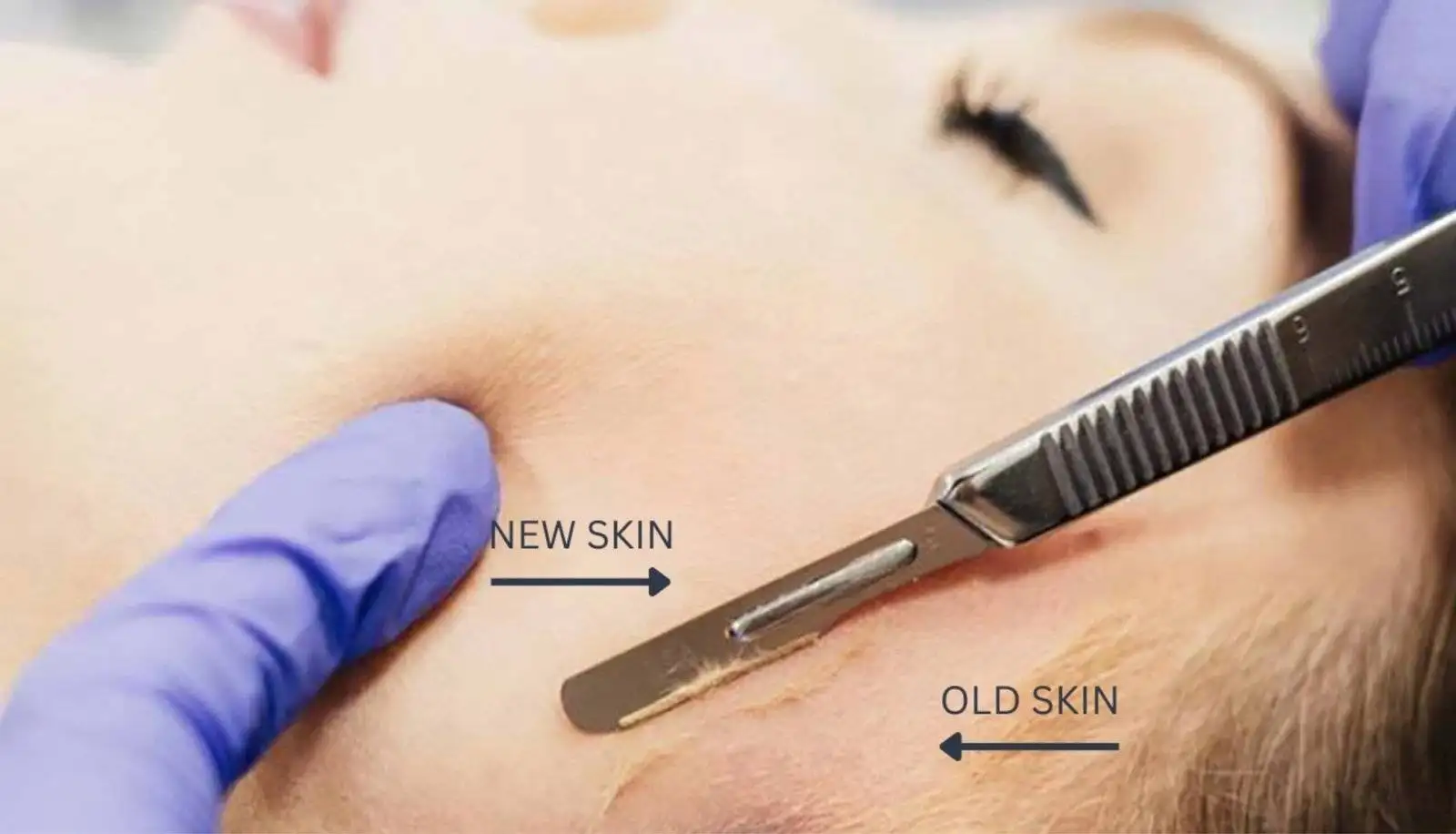
Dermaplaning is a cosmetic exfoliation procedure that involves the controlled removal of surface debris from the skin using a specialised sterile blade. It is commonly discussed in the context of addressing surface dead skin cells and fine facial hair, particularly on areas of the face.
The procedure is performed by a trained practitioner using a light, manual technique designed to exfoliate the outermost layer of the skin. Dermaplaning is typically carried out on selected facial areas, with suitability assessed on an individual basis during consultation.
Some individuals consider dermaplaning for cosmetic reasons related to skin texture or the presence of fine facial hair. It is important to note that any effects are temporary and vary between individuals. The frequency of treatment, if appropriate, is determined based on individual skin characteristics and professional assessment rather than a fixed schedule.
Learn more About Dermaplaning Treatment!
What is Dermablading? Understanding The Procedure
Dermablading is a cosmetic procedure that is often discussed alongside dermaplaning due to similarities in technique and tools used. Both procedures involve controlled exfoliation of the skin’s surface using a specialised blade, with the aim of addressing surface dead skin cells and fine facial hair.
Dermablading may be performed for specific aesthetic purposes depending on individual skin characteristics and practitioner assessment. The depth, technique, and suitability of the procedure vary between individuals and are determined during consultation with a qualified practitioner. Outcomes and responses differ from person to person.
Schedule a Dermablading Consultation
Dermaplaning vs Dermablading Where is The Difference?
Dermaplaning and dermablading are often discussed together, which can make it difficult to understand how they differ. While both procedures involve controlled exfoliation of the skin’s surface using specialised tools, they are performed using different techniques and may be recommended for different purposes following individual assessment.
Below is a general comparison to help explain how the two procedures differ in approach. Suitability and treatment planning are determined during consultation with a qualified practitioner.
Exfoliating Tool
Dermaplaning:
Dermaplaning is performed using a specialised exfoliating instrument designed for surface-level skin exfoliation.
Dermablading:
Dermablading involves the use of a sterile blade specifically designed for cosmetic skin procedures, applied using a different technique.
Suitable Skin Considerations
Dermaplaning:
Dermaplaning may be considered for certain skin types, with suitability assessed on an individual basis. It may not be appropriate for all skin conditions.
Dermablading:
Dermablading may be discussed for a range of skin types, with individual suitability determined during consultation, particularly for those with sensitive or reactive skin.
Sensory Experience
Dermaplaning:
The experience of dermaplaning varies between individuals and is discussed as part of the consultation process.
Dermablading:
Dermablading may feel different depending on technique and individual sensitivity. Any sensations experienced can vary from person to person.
Treatment Duration
Dermaplaning:
Dermaplaning is generally described as a shorter procedure, though actual treatment time depends on the areas treated and individual factors.
Dermablading:
Dermablading may take longer depending on technique, treatment area, and practitioner assessment.
Frequency:
Dermaplaning:
Treatment frequency varies between individuals and is determined based on skin characteristics, treatment goals, and professional assessment during consultation.
Dermablading:
The need for repeat sessions or follow-up treatments depends on individual skin response and practitioner guidance, rather than a fixed schedule.
At-Home vs Professional Dermaplaning: What’s Safer in 2026?
At-home dermaplaning tools have become more widely available, and some individuals explore these options for convenience. These products differ in design, technique, and intended use when compared with procedures performed in a clinical setting.
Professional dermaplaning is carried out by trained practitioners using specialised tools and techniques. In a clinical environment, suitability, skin condition, and individual considerations are assessed before proceeding. The approach taken in a professional setting may differ from at-home methods in terms of preparation, technique, and follow-up.
When considering at-home or professional options, it is important to understand that outcomes, risks, and suitability vary between individuals. A consultation with a qualified health practitioner can help determine whether a procedure is appropriate and which approach may be suitable based on individual circumstances.
Pre-Care and After-Care Tips for Dermaplaning and Dermablading
Pre-Treatment Care:
Sun exposure may be discussed prior to treatment, depending on individual skin condition and practitioner advice.
The use of certain skincare products, such as exfoliants or active ingredients, may be reviewed before treatment based on individual assessment.
Skin preparation on the day of treatment is guided by practitioner instructions.
Individuals with active skin conditions may be advised to postpone treatment following professional assessment.
It is important to inform the practitioner of any prescription skin medications during consultation.
Post-Treatment Care:
Post-treatment skincare and cosmetic use are discussed on an individual basis following the procedure.
The use of active skincare ingredients may be adjusted temporarily, depending on practitioner guidance.
General skincare recommendations may include gentle products appropriate for post-procedure care.
Sun protection may be discussed as part of overall skin care planning following treatment.
Activities and skincare routines following treatment vary between individuals and are guided by professional advice.
Updated Practice Consideration in 2026
Clinical practices may update operational procedures over time in response to broader health considerations and professional standards. In clinical settings, procedures such as dermaplaning and dermablading are performed using sterile instruments and established hygiene protocols appropriate to the treatment environment.
The specific preparation, procedural approach, and post-treatment considerations are guided by practitioner assessment and clinic protocols. Individual factors, including skin condition and medical history, are considered during consultation when determining whether a procedure is appropriate.
Who Might Benefit From Each?
Dermaplaning and dermablading are discussed in different cosmetic contexts, and suitability varies between individuals. Some people explore these procedures in relation to concerns such as skin texture, the presence of fine facial hair, or general skin appearance. The way each procedure is performed and its intended use differs.
Dermablading may be discussed for specific aesthetic purposes depending on individual assessment and practitioner judgement. Responses to treatment and cosmetic outcomes can vary between individuals, and no single procedure is suitable for everyone.
Certain skin conditions or concerns may influence whether a procedure is appropriate. These considerations are assessed during consultation with a qualified health practitioner, who can advise on suitability based on individual circumstances.
Combination Therapies (Hybrid Procedures)
In some clinical settings, dermaplaning may be discussed alongside other cosmetic procedures as part of a broader treatment plan. These approaches are sometimes referred to as combination or hybrid procedures and are planned based on individual skin assessment and practitioner judgement.
The decision to combine procedures, the order in which they are performed, and their suitability depend on a range of individual factors, including skin condition, treatment goals, and medical history. Any combination approach is assessed during consultation to determine whether it is appropriate for the individual.
Advantages and Disadvantages of Dermablading and Dermaplaning
Advantages
Dermaplaning and dermablading are surface-level cosmetic procedures that are commonly discussed in aesthetic practice.
These procedures are performed without the use of injectables or devices that penetrate deeper skin layers.
Some individuals explore these treatments as part of a skincare routine focused on surface exfoliation and general skin appearance.
Both procedures are typically discussed in the context of cosmetic skin maintenance rather than medical treatment.
The suitability and expected outcomes vary between individuals and are assessed during consultation with a qualified practitioner.
Dermaplaning and dermablading differ in technique, which may influence how each procedure is approached in practice.
Disadvantages
As with any cosmetic procedure, dermaplaning and dermablading may not be suitable for everyone.
Temporary skin reactions can occur, depending on individual skin sensitivity and condition.
The effects of surface exfoliation are temporary and may require repeat consideration based on individual skin characteristics.
Certain skin conditions or concerns may affect whether these procedures are appropriate, which is determined during consultation.
Choosing between dermaplaning and dermablading depends on individual skin considerations, treatment goals, and professional assessment. A consultation with a qualified health practitioner allows for discussion of suitability and appropriate options based on p
Increased Absorption of Skincare Products
Dermaplaning is often discussed in relation to surface exfoliation and the removal of superficial debris from the skin. By addressing surface dead skin cells and fine facial hair, some individuals report that their skincare routine feels different following treatment.
It is important to note that responses vary between individuals, and changes in how skincare products interact with the skin are influenced by many factors, including product formulation, skin condition, and overall skincare practices. Any potential effects are assessed on an individual basis and discussed during consultation with a qualified health practitioner.