PRP Treatment

Prp treatment is suitable for skin rejuvenation, hair loss, tear troughs, fine lines, and wrinkles.
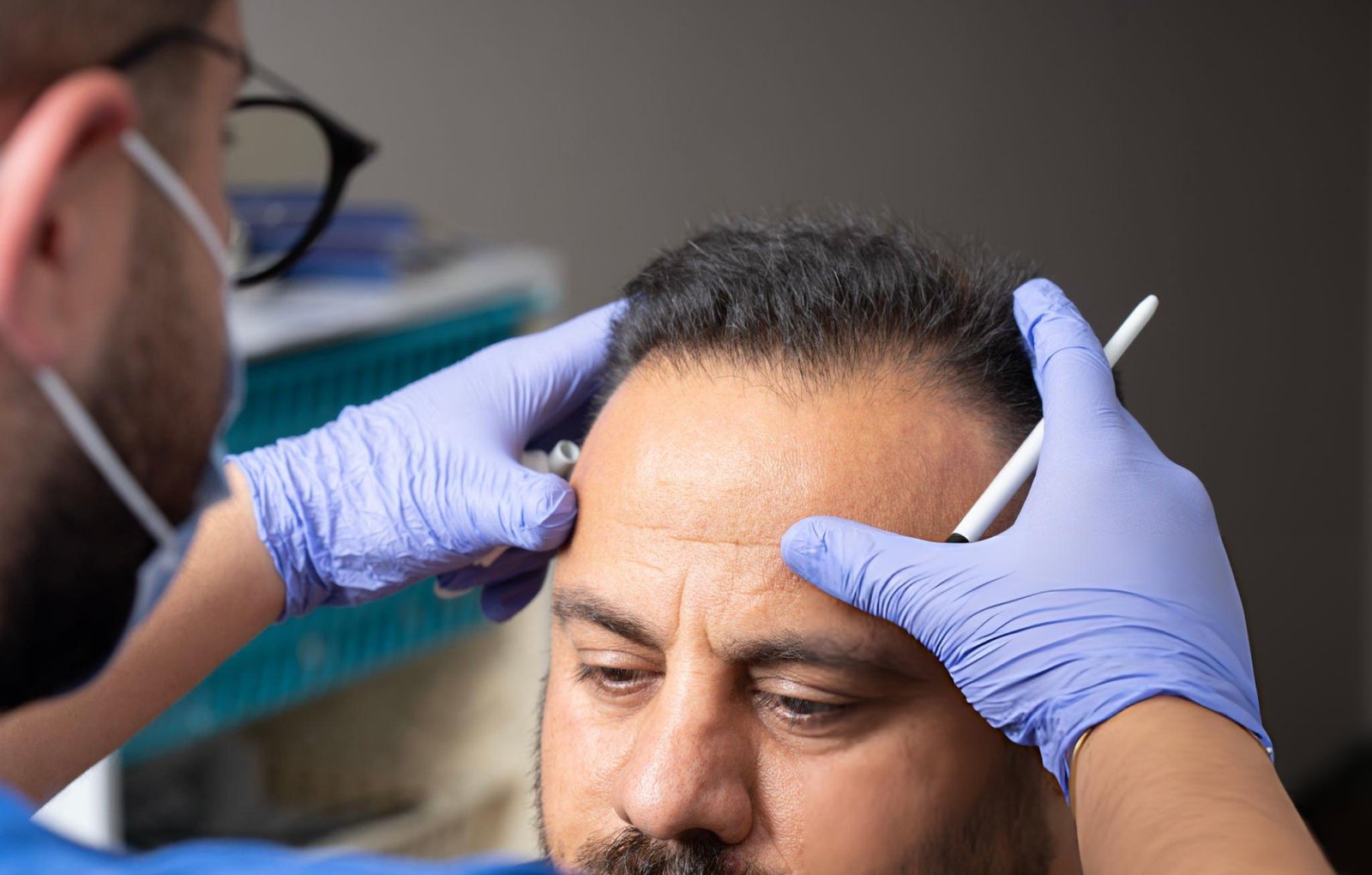
In compliance with TGA and AHPRA advertising guidelines, we are unable to provide detailed treatment information on our website. If you’re considering cosmetic treatments, we invite you to book a consultation where our experienced team can discuss your goals, treatment suitability, options available, potential risks, and expected outcomes.

What is PRP (Platelet Rich Plasma) Treatment in Newcastle?

PRP (Platelet-Rich Plasma) treatment is a procedure that uses a concentrated component of your own blood. A small blood sample is taken and processed to separate the plasma that contains platelets, which is then applied or administered as part of a treatment plan.
PRP is commonly used in aesthetic and medical settings as part of skin and hair management programs. The treatment is based on using components derived from your own blood, which reduces the likelihood of sensitivity or allergic response compared to products not sourced from the body.
PRP may be recommended for concerns related to skin quality, texture, or hair density, depending on individual assessment. Suitability, expected outcomes, and treatment planning are determined following a consultation with a qualified practitioner.
At Skinduced Aesthetics Clinic, PRP treatments are performed using approved systems and clinical protocols. All procedures are carried out after a personalised assessment to ensure the treatment is appropriate for your needs and goals.

Benefits of PRP Treatment in Newcastle

Skin Quality Support

PRP may be used as part of a treatment plan focused on overall skin quality, including texture and tone, following individual assessment.
Appearance of Fine Lines

PRP is commonly considered in aesthetic practice for patients concerned about early signs of skin ageing, depending on suitability.

Uneven Skin Tone

PRP may be recommended for concerns related to skin tone irregularities, subject to clinical evaluation.

Skin Texture and Elasticity

PRP can form part of a broader approach to skin management where changes in skin texture or elasticity are a concern.

Collagen Support

PRP involves components derived from your own blood that are used in treatments associated with skin structure support, as assessed by a qualified practitioner.

Hair Density Management

PRP is sometimes used in hair management programs for individuals experiencing concerns about hair density, with outcomes varying between patients.
How Does PRP (Platelet Rich Plasma) Work?

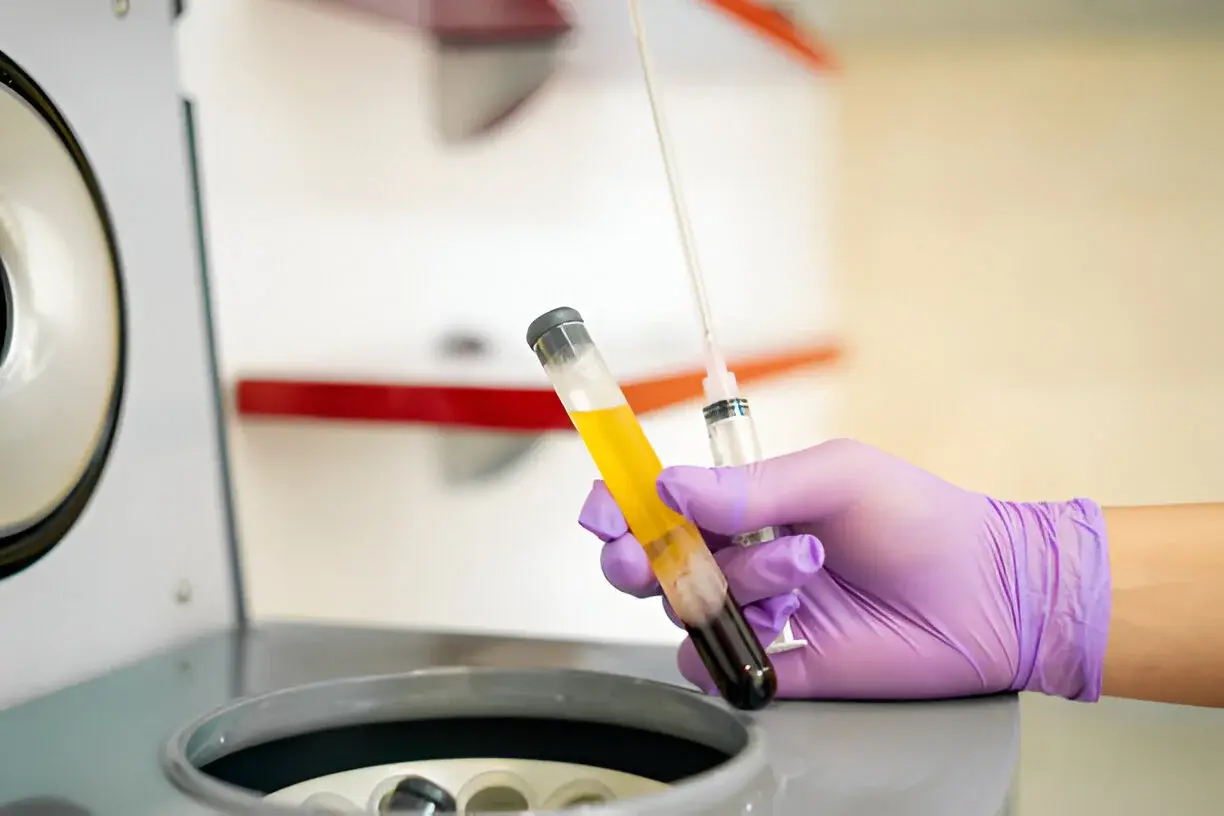
PRP (Platelet-Rich Plasma) treatment involves a structured process using components derived from your own blood. The procedure begins with a small blood sample, which is then processed using a centrifuge to separate platelet-rich plasma from other blood components.
The prepared plasma is then applied or administered to targeted areas as part of a treatment plan, depending on individual assessment and clinical suitability. The approach is based on using autologous blood components, meaning the material comes from the patient’s own body.
PRP is used in both skin and hair management settings and is considered on a case-by-case basis. Treatment planning, application method, and expected response vary between individuals and are discussed during consultation with a qualified practitioner.
Any changes following PRP treatment occur gradually and differ from person to person. Ongoing assessment is important to determine whether PRP is appropriate as part of a broader care or aesthetic plan.

PRP Treatment Areas: What Can Be Considered?

PRP treatment may be considered for different areas of the body as part of a personalised treatment plan, depending on individual assessment and clinical suitability.

  • Scalp
    PRP may be used in hair management programs for individuals with concerns related to hair density or scalp health.
  • Face
    PRP can be included in treatment plans focused on overall skin quality, texture, or tone following professional assessment.
  • Neck
    PRP may be considered for skin concerns affecting the neck area, depending on individual needs.
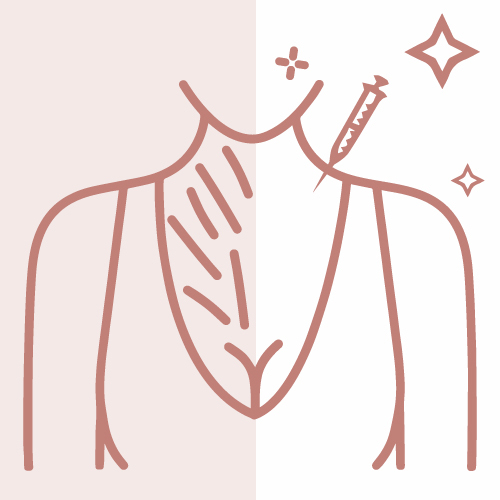
  • Décolletage
    PRP is sometimes used for skin quality concerns affecting the chest area, subject to suitability.
  • Hands
    PRP may be recommended as part of an approach addressing changes in skin texture or appearance on the hands.
  • Jawline Area
    PRP can be considered in treatment planning for the lower face area where skin quality is a concern.

Treatment Care Guidelines

Hydration
Maintain normal fluid intake in the days leading up to your appointment, unless advised otherwise by your practitioner.

Medications and Supplements
Avoid aspirin, ibuprofen, fish oil, or similar supplements for at least 7 days before treatment, unless otherwise directed by your healthcare provider.

Alcohol
Avoid alcohol for 24–48 hours prior to treatment, as advised during your consultation.

General Aftercare Guidance

  • Avoid strenuous exercise, heat exposure (including hot showers or saunas), alcohol, caffeine, and active skincare products for 24–48 hours following treatment.
  • Cold compresses may be used if advised.
  • Makeup should be avoided for at least 24 hours.
  • Follow all individual aftercare instructions provided by your practitioner.

Possible effects following treatment may include:

  • At blood collection or injection sites: Bleeding, bruising, tenderness, or subtle swelling may occur where blood is drawn or PRP is applied
  • Common post-treatment sensations: After injections, you may experience increased warmth, subtle tingling, tenderness, or pinkness/redness of the skin at the application site
  • Needle-related effects: When any needle is inserted into the body, there is a possibility of injury to muscles, blood vessels, or nerves. As PRP is injected 1.5-2mm below the skin’s surface, such injuries are uncommon with this procedure
  • Dizziness or fainting: Some patients may experience dizziness or fainting related to the procedure or blood collection process
  • Infection or inflammation: As with any injectable treatment, there is a possibility of infection or significant inflammation at the treatment site

Important: If you experience significant pain, swelling, skin redness, or signs of infection following treatment, please contact the practitioner who performed your procedure, your GP, or attend an emergency department if after-hours care is needed.

What it costs

Brighter and Smoother Skin
PRP- ADD ON area
Target additional areas with plasma-rich protein injection for enhanced results.
Price
$100.00
Appointment
PRP For Hair Growth
PRP Head for Hair Growth
Stimulate hair growth with PRP for improved hair thickness and scalp health.
Price
$599.00
Appointment
Safe for All Skin Types
PRP-Face
Rejuvenate skin and reduce fine lines with plasma-rich protein injection for the face.
Price
$599.00
Appointment
Smoother Skin
PRP-Face & Neck
Target both face and neck for overall skin rejuvenation and tightening.
Price
$699.00
Appointment
Prp Face
PRP-Full Face Neck & Decolletage
Comprehensive rejuvenation for the face, neck, and décolletage with plasma-rich protein injection.
Price
$799.00
Appointment
PRP for Hands
PRP-Hands
Improve skin texture and reduce signs of aging on your hands with PRP.
Price
$550.00
Appointment

Select A body area you want to treat

NOT SURE WHAT TREATMENT IS RIGHT FOR YOU?

Book a free skin consultation – It‘s time to put your skin first.

Post Care Cosmeceutical

Frequently Asked Questions

Why might PRP be considered for skin or hair concerns?

PRP (Platelet-Rich Plasma) uses components derived from your own blood and is used in both medical and aesthetic settings. PRP may be considered as part of a broader skin or hair management plan, depending on individual assessment. Suitability and expected outcomes are discussed during consultation with a qualified practitioner.

Who may be suitable for PRP treatment?

PRP may be considered for adults who have concerns related to skin quality or hair density and are assessed as suitable following consultation. PRP is not appropriate for everyone. A personalised assessment is required to review medical history, expectations, and whether PRP is an appropriate option for your individual circumstances.

How long do changes following PRP treatment take?

Response to PRP treatment varies between individuals. Any changes occur gradually and differ depending on factors such as the treatment area, individual biology, and treatment plan. Your practitioner will discuss what to expect based on your assessment.

Are there risks or side effects associated with PRP treatment?

PRP is generally well tolerated; however, as with any procedure, side effects can occur. These may include temporary redness, swelling, bruising, or tenderness at the treatment site. Your practitioner will explain potential risks and aftercare requirements before proceeding with treatment.

What is the difference between PRP and PRF?

PRP (Platelet-Rich Plasma) and PRF (Platelet-Rich Fibrin) are both derived from a patient’s own blood but differ in how they are prepared and used. The choice between PRP or PRF depends on clinical assessment, treatment goals, and practitioner recommendation.

What can I reasonably expect after PRP treatment?

Experiences following PRP treatment vary. PRP does not produce immediate or guaranteed outcomes. Your practitioner will discuss realistic expectations, potential timelines, and whether PRP is appropriate for your concerns.

What happens after PRP treatment?

Aftercare instructions are provided following treatment and may include avoiding certain skincare products, heat exposure, or strenuous activity for a short period. Following practitioner guidance is important.

How much does PRP treatment cost in Newcastle?

At Skinduced Aesthetics Clinic, PRP treatment pricing starts from $550 per session. The number of sessions and total cost are discussed during consultation following individual assessment.

0
    0
    Your Cart
    Your cart is emptyReturn to Shop