How to Exfoliate Your Face Effectively Exfoliating your face can improve skin texture. But doing it wrong can damage...
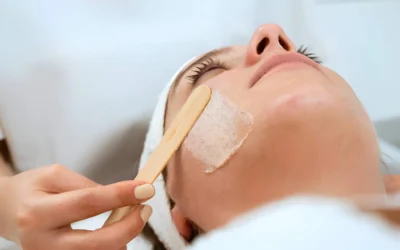

Dermal Peel Treatments Provided by Trained Practitioners
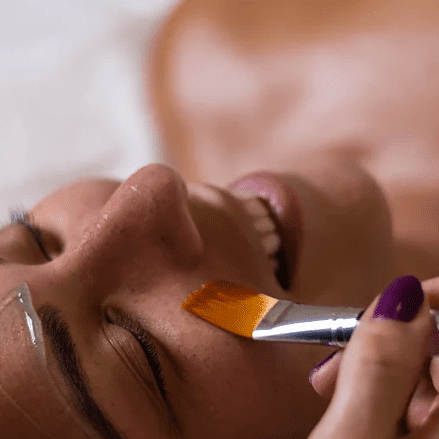

May assist in improving the appearance of skin brightness and overall complexion following assessment
May assist in improving the appearance of skin texture associated with ageing, with outcomes varying between individuals
May assist in improving the appearance of uneven skin texture related to previous acne, following individual assessment
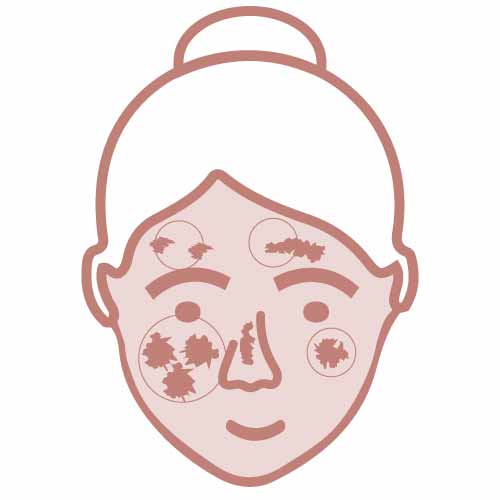
May be considered for individuals concerned about uneven skin tone or pigmentation, with suitability determined during consultation
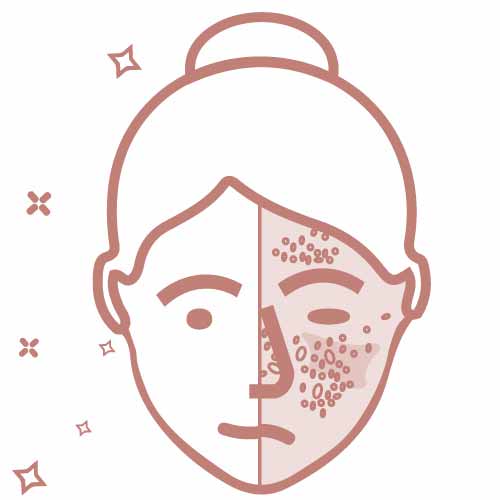
Certain skin concerns require medical assessment. Your practitioner will advise whether further evaluation or referral is appropriate

May assist in improving the appearance of fine lines as part of an overall skin care approach, with results varying between individuals
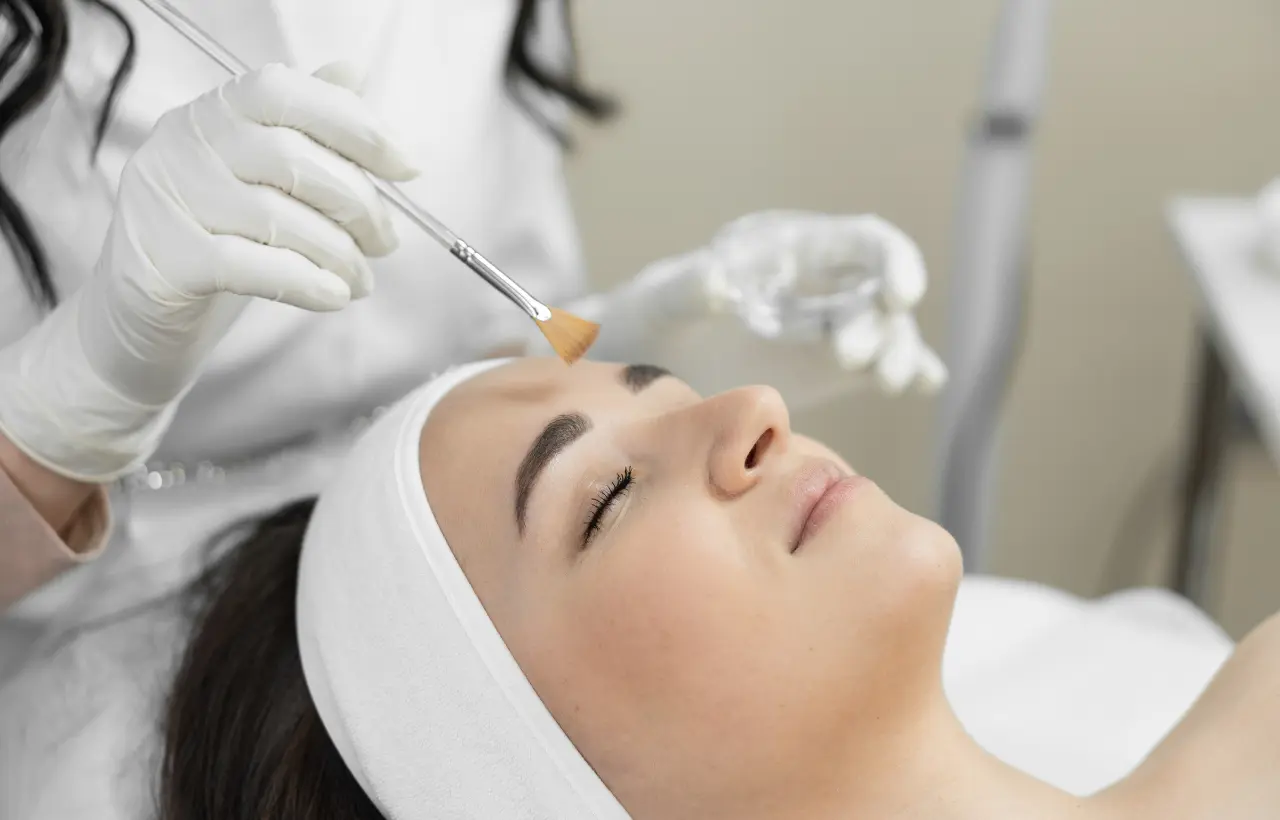
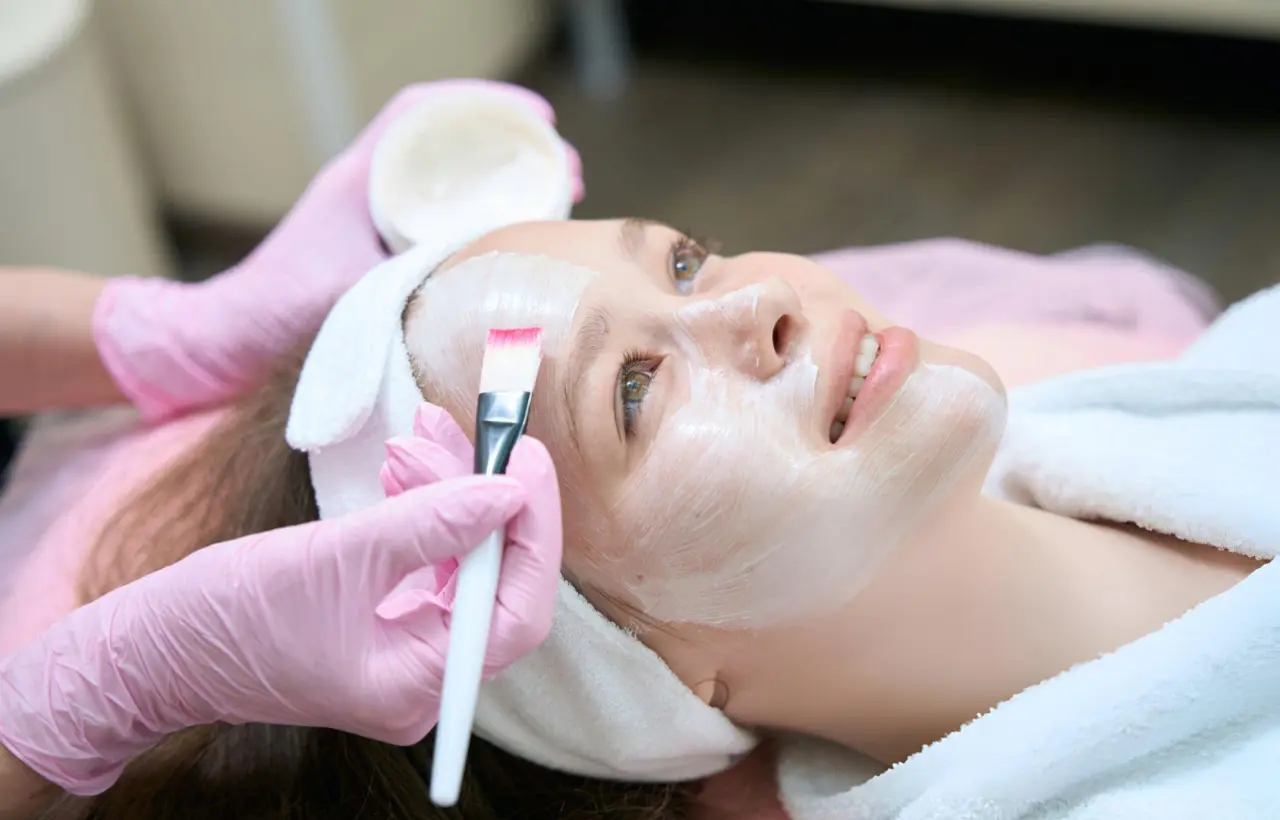
Avoid using specific medications as advised by your practitioner prior to treatment.
Antiviral medications may be recommended by your practitioner where clinically appropriate.
Avoid applying cosmetic lotions or active skincare products on the treatment area before your appointment, unless advised otherwise.
Avoid waxing or other hair-removal methods on the treatment area prior to your appointment as discussed during consultation.
Treatment plans, including the number and spacing of sessions, are individualised and determined following consultation and skin assessment.
Sun exposure should be minimised before and after sessions. Daily sun protection may be recommended by your practitioner, and active skincare products may be paused temporarily based on individual skin response.
Keep the skin gently cleansed and hydrated. Peeling, if it occurs, should be allowed to resolve naturally. Your practitioner will advise when to resume regular skincare.
Possible effects following treatment may include:
How to Exfoliate Your Face Effectively Exfoliating your face can improve skin texture. But doing it wrong can damage...

Fraction Laser Treatment for Skin: A Complete Guide Many people ask about fractional laser treatment when they want to...
Everything You Need to Know About Exosomes Treatment for Skin and Hair You might have heard about exosomes in...
Yes, you have to apply sunscreens and moisturizers when you go out to keep your skin moistened.
Hyperpigmentation may be a side effect in people with a natural brown skin tone, but this is rare. In deep peels, you may experience infection. Some people may have an allergic reaction to the chemicals used in the peeling solution and experience irritation and redness on the skin. However, all these side effects are rare, and a pre-chemical peel consultation is advisable.
You can experience redness, irritation, sensitivity, peeling and flaking of the skin layer, dryness on the skin, and sensitivity to the skin and certain cosmetic products.
It comes under the cosmetic procedure, so insurance does not cover the chemical peeling.