Stretch Marks Treatment: How RF Microneedling Improves Skin Texture
Stretch marks are common. Many women develop them after pregnancy, weight changes, or growth spurts. The marks themselves do not harm your health, but they can affect how you feel about your skin.
While creams and home treatments may help the surface, deeper skin texture needs clinical treatment. RF microneedling is a common in-clinic option for improving stretch mark texture and firmness.. It works by rebuilding collagen under the skin, which helps soften texture over time.
RF microneedling is a commonly used in-clinic treatment option for improving stretch mark texture and supporting skin firmness. At Skinduced Aesthetics Clinic, our doctor-led team uses RF microneedling to stimulate collagen and support gradual improvements in skin texture over time.
Book a skin assessment today and find out if RF microneedling is right for your stretch marks.
What Are Stretch Marks?
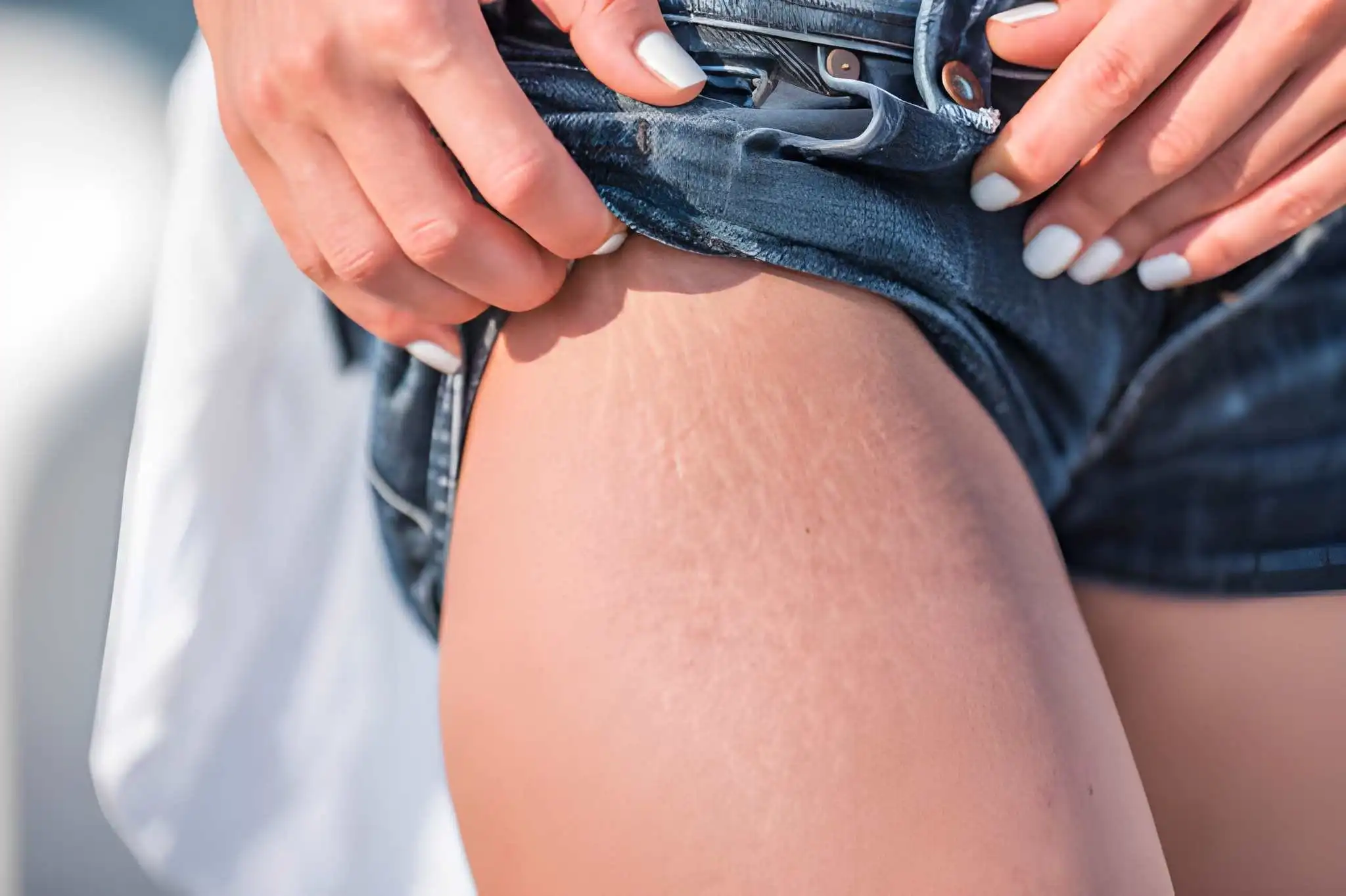
Stretch marks are not surface marks. They are dermal tears that happen when the middle layer of skin stretches too quickly. This damages collagen fibres and elastin fibres, which give skin its strength and bounce.
When the dermis layer tears, the skin tries to repair itself. But the new tissue does not look the same as the skin around it. This creates visible lines or streaks on the surface.
Creams work on the top layer of skin, called the epidermis. Stretch marks form deeper, in the dermis. That is why topical treatments alone rarely fix texture problems.
Texture matters more than colour. Many people notice that stretch marks feel rough, thin, or uneven. Improving how the skin feels is just as important as how it looks.
Types of stretch marks include:
- Striae rubra: red or purple stretch marks (newer)
- Striae alba: white or silver stretch marks (older)
- New stretch marks: still have blood flow, easier to treat
- Old stretch marks: less blood flow, take longer to improve
Also Read : https://skinduced.com.au/skin-firming-treatment-for-ageing/
What Causes Stretch Marks to Form?
Stretch marks happen when skin stretches faster than it can grow. Several factors increase your risk.
Common causes include:
- Pregnancy and post-pregnancy skin stretching, especially around the stomach and breasts
- Rapid weight gain or loss can affect thighs, hips, and arms
- Puberty and growth spurts are common in teens during fast growth phases
- Hormonal changes can weaken skin elasticity
- Genetics and skin elasticity, some people are more likely to develop them
Body areas most affected:
- Stomach
- Thighs
- Hips
- Breasts
- Upper arms
- Back
Can Stretch Marks Be Removed Completely?
Complete removal of stretch marks is rare. But visible improvement is possible with the right treatment. The goal is not to erase them overnight. The goal is to fade their appearance, smooth the texture, and blend them with the skin around them.
New stretch marks respond better to treatment. They still have blood vessels and active tissue remodelling. This makes them easier to improve.
Older white stretch marks take longer. But RF microneedling may help stimulate collagen activity and support gradual improvements in skin thickness over time.
Texture improvement matters more than colour. Many people feel better about their skin when it feels smoother and firmer, even if the marks are still visible. Professional treatments work better than home options. Devices used in clinics reach deeper skin layers and create controlled healing responses.
Best Professional Stretch Marks Treatment Options
These treatments target deeper skin layers where stretch marks form. They support the skin’s natural repair response and may assist gradual improvements in texture over time.
RF Microneedling
RF microneedling combines tiny needles with radiofrequency energy. The needles create controlled micro-injuries in the dermis. The RF energy gently warms deeper skin layers, supporting the skin’s natural repair processes.
This combination may offer additional benefits compared to needling alone for some skin concerns. The heat from RF energy reaches deeper layers and creates more Over time, this process may support improvements in skin texture and firmness.
Benefits of RF microneedling for stretch marks:
- Boosts collagen and elastin production
- Improves skin thickness and firmness
- Smooths rough or uneven texture
- Works on both old and new stretch marks
- Suitable for many skin types, including darker skin tones
- Less downtime compared to laser treatments
RF microneedling does not erase stretch marks overnight. What it does is rebuild collagen under the skin, which helps soften texture and improve how the skin feels and looks over time.
Not all stretch marks respond the same way to treatment. A professional skin assessment helps determine the depth, age, and best approach for improvement.
Speak with the team at Skinduced to understand whether RF microneedling suits your skin type and stretch marks.
Laser treatment for stretch marks
Fractional laser treatment uses light energy to create tiny columns of heat in the skin. This supports the skin’s natural healing response and may assist gradual collagen-related changes over time.
Lasers work well for reducing the colour of red or purple stretch marks. They are commonly used to address colour changes in red or purple stretch marks and may help reduce visible redness over time.
Points to consider:
- Better for colour changes than texture
- Typically involves more downtime compared to RF microneedling for many people.
- Not ideal for all skin tones (risk of hyperpigmentation in darker skin)
- May need more sessions for visible results
Dermaroller / Traditional Microneedling
Traditional microneedling uses a dermaroller or pen with small needles. It supports surface-level skin renewal and may assist mild texture improvement.
This treatment can help with mild texture issues. But it does not reach as deep as RF microneedling. It also does not use heat to boost collagen remodelling.
Limitations:
- Surface-level collagen stimulation
- Less effective for deep stretch marks
- Requires more sessions for noticeable improvement
Stretch Marks Treatment Creams
Creams and serums can support skin health. But they do not address deeper dermal changes associated with stretch marks.
Ingredients that may help early-stage stretch marks:
- Retinoids: support skin renewal
- Hyaluronic acid: hydrates and plumps skin
- Vitamin C: supports overall skin health
Creams work best on new stretch marks. They may improve surface texture and hydration. But they cannot fix old, white stretch marks or deep texture problems.
If creams have not worked for you, RF microneedling may be considered when deeper skin support is required following professional assessment.
Laser Treatment for Stretch Marks
Laser treatment uses focused light energy to target the deeper layers of skin where stretch marks form. Laser treatments are commonly used for red or purple stretch marks, where colour changes are a primary concern. This supports the skin’s natural healing response and may assist gradual improvement in stretch mark appearance over time.
RF Microneedling vs Laser for Stretch Marks
Both treatments aim to support skin renewal, but they work in different ways. But they work in different ways.
RF Microneedling:
- May support improvement in deeper skin texture
- Less downtime (usually 2–3 days)
- Often considered suitable for darker skin tones when performed under medical supervision
- Supports gradual skin structure changes over time
- Works on texture and firmness
Laser Treatment:
- Commonly used to address colour changes, particularly redness
- Higher downtime (up to one week)
- Requires careful assessment and may not be suitable for all skin types
- More focused on surface appearance
RF microneedling may be considered when texture and firmness are the main concerns. Laser treatments may be considered when colour is the primary concern. A professional skin assessment is essential to determine the safest and most appropriate option.
What Areas Can RF Microneedling Treat for Stretch Marks?
RF microneedling may be used on many body areas where stretch marks commonly occur, following a clinical assessment.
Commonly treated areas include:
- Stomach stretch marks (especially post-pregnancy)
- Thighs and hips
- Breasts
- Upper arms
- Back
- Buttocks
A skin assessment helps determine which areas will respond best.
What Results Can You Expect?
RF microneedling creates a gradual improvement. Your skin needs time to rebuild collagen and remodel tissue.
Typical timeline:
- 2–3 weeks: Skin feels smoother and firmer
- 4–6 weeks: Texture starts blending with the surrounding skin
- 8–12 weeks: Visible improvement in stretch mark depth and texture
- Best results: After multiple sessions, usually over 3–6 months
Results depend on the age and depth of your stretch marks. New stretch marks improve faster. Old stretch marks take longer but still respond well.
Expectation note: RF microneedling improves texture and firmness. It does not make stretch marks disappear completely. The goal is smoother skin, not perfection.
If creams and home treatments have not improved your stretch marks, RF microneedling may be considered as an option that works at deeper skin levels.
Book a stretch marks consultation at Skinduced Aesthetics Clinic and start a personalised RF microneedling plan.
How Many Sessions Are Needed?
Many people may require multiple sessions to achieve optimal outcomes. The exact number depends on your skin and stretch marks.
General guide:
- Mild stretch marks: 3 sessions
- Moderate texture concerns: 4–6 sessions
- Maintenance treatments: Periodic sessions may be recommended to support ongoing skin health.
Sessions are usually spaced 4–6 weeks apart. This gives your skin time to heal and rebuild collagen between treatments.
Is RF Microneedling Safe for Stretch Marks?
RF microneedling is generally considered safe when performed by trained professionals in a doctor-led clinic, following appropriate assessment.
May be suitable for:
- A range of skin tones, including olive and darker skin, when appropriate settings are used
- Post-pregnancy skin, following adequate healing and where clinically appropriate
- Old white stretch marks
- New red or purple stretch marks
May not be suitable if you:
- Are you pregnant or breastfeeding
- Have active skin infections
- Have open wounds in the treatment area
- Are on certain medications (your clinician will assess this)
A professional skin assessment helps ensure RF microneedling is safe for your skin type and health.
Aftercare for Best Stretch Mark Results
Proper aftercare supports healing and improves your results.
First 48 hours:
- Avoid heat (hot showers, saunas, exercise)
- Do not apply makeup or active skincare products
- Keep the area clean and gentle
First week:
- Use SPF if the treated area is exposed to the sun
- Avoid retinoids, acids, or exfoliants
- Drink plenty of water to support skin hydration
Your clinician will provide specific aftercare instructions. Following them supports proper healing and the skin’s natural repair processes.
Who May Be a Suitable Candidate for RF Microneedling?
RF microneedling may be considered for people looking to improve stretch mark texture without surgery.
People who may be suitable include:
- Women with post-pregnancy stretch marks
- People with stretch marks from weight changes
- Those with white or faded stretch marks (striae alba)
- People are more concerned about texture than colour
- People who have not seen sufficient improvement with topical treatments alone
RF microneedling is not a quick fix. It requires commitment to multiple sessions. Results develop gradually and vary between individuals.
Why RF Microneedling Works Better Than Home Treatments
Home treatments like dermarollers and creams work on the surface. RF microneedling is designed to reach deeper skin layers under clinical settings.
Key differences:
- Depth of treatment: RF microneedling is designed to target deeper skin layers, including the dermis, where stretch marks form
- Collagen stimulation level: RF energy may support fibroblast activity and tissue remodelling and tissue remodelling
- Professional control: Clinicians adjust needle depth and energy based on your skin
- Long-term response: Skin remodelling processes may continue for several months following treatment.
Home treatments may support skin health. But They do not provide the same depth of dermal response as clinical RF microneedling.
Stretch marks are common, and Professional treatment selection depends on appropriate technology and clinical experience.
At Skinduced Aesthetics Clinic in Cameron Park, our doctor-led team provides RF microneedling treatments designed for Australian skin. Book your consultation today to explore safe, professional stretch mark treatment.
Book a Professional Stretch Marks Treatment Consultation
Stretch marks are common and normal. Many people develop them during pregnancy, growth, or weight changes. They do not mean your skin is damaged or unhealthy.
Texture improvement is possible with the right treatment. RF microneedling may support collagen activity and the skin’s natural repair processes. Results develop gradually and vary between individuals.
If you want smoother, firmer skin and have not seen sufficient improvement with home treatments alone, a professional consultation can help. Our doctor-led team at Skinduced Aesthetics Clinic uses RF microneedling to support long-term skin improvement.
Ready to improve the look and feel of your stretch marks?
Book a skin assessment at Skinduced Aesthetics Clinic and find out whether RF microneedling may support improvements in skin texture over time.
FAQs:
Is RF microneedling painful?
RF microneedling may help improve the texture of older, white stretch marks (striae alba) by supporting the skin’s natural repair processes over time. Improvements vary, and older stretch marks often respond more gradually.
Does it work on white stretch marks?
Yes. RF microneedling can improve the texture of old, white stretch marks (striae alba). It stimulates collagen production and thickens the skin over time. Results take longer than with new stretch marks, but improvement is possible.
How long do results last?
The duration of visible improvement varies between individuals and depends on factors such as skin type, age, and lifestyle. Skin remodelling processes may continue for several months following treatment. Maintenance sessions may be recommended. Maintenance sessions once a year help support long-term texture improvement.
Can stretch marks come back?
Once stretch marks have improved, they typically remain stable. However, new stretch marks can develop if the skin stretches again, such as during pregnancy or rapid weight changes.
Is it safe for darker skin?
Yes. RF microneedling is often considered more suitable for darker skin tones when performed under medical supervision. A professional assessment helps ensure appropriate settings are used.. It has a lower risk of post-inflammatory hyperpigmentation. A professional assessment ensures the treatment is tailored to your skin type.
Can I combine RF with laser?
In some cases, yes. Combining RF microneedling with laser therapy may improve both texture and colour. Your clinician will create a treatment plan based on your stretch marks and skin concerns.
