Fraction Laser Treatment for Skin: A Complete Guide
Many people ask about fractional laser treatment when they want to discuss skin texture changes or the appearance of scarring. Suitability and outcomes vary between individuals. This treatment uses controlled laser energy to target specific skin concerns without treating the entire surface at once.
This information is general and does not replace personalised medical advice. A consultation is required to assess suitability, discuss risks, and confirm whether this treatment is appropriate for your skin.
A fractional laser is one option used in skin resurfacing. At SkinDuce Aesthetic Clinic, we also offer alternative non-invasive and energy-based treatments that may be considered for concerns such as skin texture changes, scarring, and age-related collagen reduction, depending on individual assessment. A skin consultation is essential to assess your skin correctly and determine which treatment approach is most suitable for you.
What Is Fractional Laser Treatment?
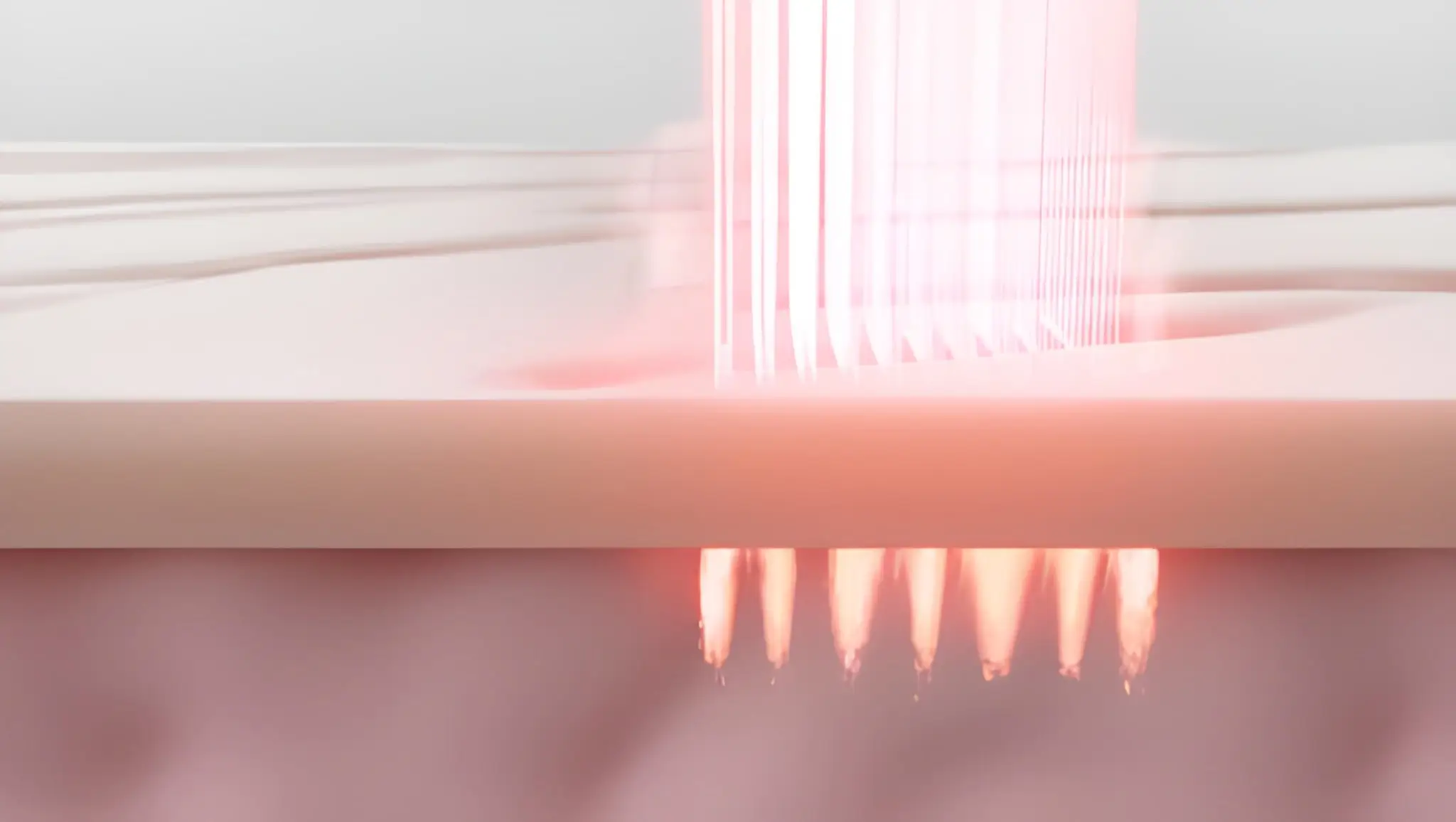
Fractional laser treatment works by creating tiny columns of heat in the skin. These micro-columns treat small sections of skin at a time, leaving surrounding tissue untouched. This approach allows faster healing compared to older laser methods that treated the entire surface.
The term “fractional” refers to this column-based delivery method. It allows controlled thermal injury to trigger the skin’s natural repair process.
Fractional Laser Treatment at a Glance:
- What it does: Uses controlled energy delivery to support a skin repair response and targeted resurfacing and resurface skin
- Who may consider it: People with acne scars, uneven texture, sun damage, enlarged pores, or early ageing signs
- What it does not do: It cannot obliterate deep wrinkles, tighten loose skin significantly, or guarantee specific results
How Fractional Laser Works
Your skin has two main layers. The epidermis is the outer layer you can see. The dermis sits beneath and contains collagen and elastin fibres that keep skin firm and smooth.
Fractional laser creates microthermal treatment zones that reach into the dermis. This controlled injury activates collagen-producing cells, starting the skin’s repair process. supports the skin’s natural repair response gradually over the following weeks and months.
Key Points:
- Microthermal zones are the tiny treated areas that stimulate healing
- The healing response triggers dermal remodelling and epidermal renewal
- Changes, where they occur, typically develop gradually over weeks as part of the skin’s natural remodelling process.
Types of Fractional Laser Treatments
Fractional Non-Ablative Laser Treatments
Non-ablative fractional laser heats the skin without removing the surface layer. This means less visible peeling and shorter downtime. Recovery is usually faster because the outer skin stays mostly intact.
This type works well for mild texture concerns, enlarged pores, early fine lines, and light acne scarring. Recovery time is typically longer, and treatment effects may be more apparent for some individuals following each session.
CO2 Fractional Laser Treatment
CO2 fractional laser removes tiny columns of skin while heating deeper layers. This ablative approach creates more visible surface changes and stronger collagen stimulation. Recovery takes longer, but results can be more noticeable per session.
This type suits deeper acne scars, etched lines, and more pronounced texture issues. Aftercare is more important because the skin barrier is temporarily disrupted.
Quick Comparison:
- Non-ablative: Gentler approach, more sessions usually needed, less downtime
- CO2: More intensive resurfacing approach, fewer sessions may be considered in some cases, with increased downtime
What Skin Concerns May Be Addressed?
Different skin concerns respond differently to fractional laser resurfacing. The laser type and settings need to match the specific issue.
Concerns That May Improve:
- Acne scars (rolling, boxcar, and texture changes from past breakouts)
- Fine lines and wrinkles (early to moderate depth, depending on individual skin factors)
- Uneven skin texture or rough patches
- Sun damage and photodamage from UV exposure
- Enlarged pores
- Mild skin laxity or crepey texture in some cases
- Uneven tone (depending on pigment type and skin tone; requires careful assessment)
Who Is a Good Candidate?
Skin type assessment is essential before any laser treatment. The Fitzpatrick skin type scale helps determine pigmentation risk. Darker skin tones may need specific device settings or alternative treatments to avoid post-inflammatory hyperpigmentation.
Realistic expectations matter. Fractional laser can improve texture and scarring, but individual skin response varies.
Good Fit For:
- People with texture concerns and enlarged pores
- Atrophic scarring from acne
- Early ageing signs and fine lines
- Sun-damaged skin where renewal may be considered
Not Ideal or Needs Extra Caution:
- Recent tan or sunburn (increases risk)
- Active skin infection, cold sores, or open wounds
- Some darker skin tones, depending on device and settings used
- Pregnancy or breastfeeding (individual assessment required)
- Certain medications that affect skin healing or light sensitivity
Because suitability depends on skin tone, scarring depth, and healing response, a professional skin assessment helps confirm whether fractional laser or another treatment is the safer option for your skin.
Fractional Laser vs Other Treatments
Fractional Laser vs Skin Needling
Fractional laser resurfaces skin using controlled heat and light energy. Skin needling creates micro-injuries with fine needles to boost collagen without thermal damage. Both stimulate healing, but they work through different mechanisms.
Needling often has less surface impact and may suit people concerned about heat-based treatments.
Fractional Laser vs RF Microneedling
RF microneedling combines needling with radiofrequency energy. It targets tightening and texture with less surface disruption. This method may be suitable for some darker skin tones because it does not rely on light absorption, depending on individual assessment.
Fractional laser may be considered for certain texture changes and scarring where suitable.
Fractional Laser vs Chemical Peels
Chemical peels work on the surface layers using acid solutions. Fractional laser can be used at different depths depending on the device and settings. Peels suit mild dullness and surface texture. Laser may be considered for some types of scarring, depending on skin type and scar depth.
Which Should You Choose?
- If you have scars or strong texture issues, a fractional laser may be considered where suitable
- If you want tightening and texture improvement, RF microneedling is often a good option
- If you have mild dullness or surface concerns, peels or medical-grade skincare may be enough
If you are unsure which treatment best matches your skin concern, a consultation allows these options to be compared based on your skin condition rather than general guidelines.
What Happens in a Fractional Laser Appointment?
A consultation happens first. Your clinician assesses your skin type, medical history, and treatment goals. They explain the procedure, expected downtime.
On treatment day, your skin is cleansed thoroughly. Numbing cream is applied and left on for 20 to 40 minutes. Most people feel heat and a snapping sensation during the laser passes, even with numbing.
Treatment Steps:
- Skin assessment and treatment plan confirmation
- Cleansing to remove makeup, oils, and impurities
- Numbing cream application
- Laser passes across the treatment area
- Cooling treatment or soothing gel application
- Home aftercare instructions provided
Downtime and Recovery Timeline
Healing time varies between individuals. Skin type, laser settings, and aftercare all affect recovery speed.
First 24 to 48 Hours
- Redness and warmth similar to sunburn
- Skin feels tight and sensitive
- Swelling may appear, especially around the eyes
Days 3 to 7
- Dryness and flaking as the outer layer sheds
- Skin may feel rough or sandpaper-like
- Makeup may be allowed when advised by your clinician
Weeks 2 to 6 and Beyond
- Collagen rebuilding continues beneath the surface
- Texture gradually smooths
- Skin tone may appear more even
- Ongoing results may continue to develop over several months
Downtime and healing vary between individuals. A consultation helps set actual recovery expectations and ensures the treatment plan aligns with your lifestyle and work commitments.
Results: What You Can Realistically Expect
No treatment guarantees specific results. Fractional laser can improve skin quality for many people, but the degree of improvement depends on skin condition, age, scarring depth, and collagen response.
Some people notice gradual changes over time. Some concerns improve more than others.
Possible changes some people report:
- Smoother overall texture
- Reduced appearance of enlarged pores
- Softer fine lines
- Blending of shallow to moderate scars
Note*. Clinical outcomes may include improvement in skin texture, reduction in the appearance of pores, and softening of fine lines. Individual results vary.
What May Need More Than One Method:
- Deep or ice-pick scars (may require additional treatments or techniques)
- Ongoing pigmentation triggers like melasma
- Advanced skin laxity or sagging
Because results vary based on skin type, scarring severity, and collagen response, a professional assessment helps clarify what level of improvement may be realistic for your skin.
How Many Sessions Do You Need?
Session number depends on the concern being treated and the laser type used.
General Guidelines:
- Some people may be recommended a small number of sessions for mild concerns, depending on assessment.
- Acne scarring: 3 to 6 sessions, sometimes more for deep scars
- CO2 fractional laser: Often fewer sessions than non-ablative, but with more extended downtime per treatment
- Maintenance treatments: Every 6 to 12 months or more if desired
Treatment intervals are usually 4 to 8 weeks apart. This allows adequate healing time and collagen remodelling between sessions.
Aftercare Rules
Proper aftercare supports healing and helps reduce the risk of side effects. Skipping steps can increase the risk of side effects or poor results.
Do:
- Apply SPF 50+ daily, even indoors
- Use a gentle cleanser and barrier-supporting moisturiser
- Stay hydrated
- Follow all clinician instructions carefully
Avoid:
- Heat exposure, such as saunas, hot showers, and intense workouts, in the first few days
- Active ingredients such as retinol, acids, and vitamin C for the period advised
- Picking at flaking or peeling skin
Risks and Side Effects
All energy-based treatments carry some risk. Understanding possible side effects helps you make an informed choice.
Common Side Effects:
- Redness and swelling (commonly reported and often resolves within days)
- Dryness and flaking as skin renews
- Temporary sensitivity
Less Common but Important:
- Post-inflammatory hyperpigmentation, especially in darker skin tones
- Infection risk if aftercare is not followed (rare with proper care)
- Prolonged redness lasting weeks to months (depends on device and individual response)
A consultation helps reduce risks by matching settings to your skin tone and concern.
Assessing skin type and medical history before treatment helps reduce the risk of side effects. This is why a consultation is always recommended before proceeding with fractional laser or similar treatments.
Fractional Laser Treatment Cost in Australia
Pricing varies based on treatment area, device used, and number of sessions required. Clinics in metropolitan areas may charge differently from regional locations.
Estimated Cost Ranges:
The following ranges are indicative only and do not represent a quoted or guaranteed price.
- Small area or spot treatment: $300 to $600 per session
- Full face: $600 to $1,500 per session
- Face and neck: $1,200 to $2,500 per session
- Package for scar treatment (multiple sessions): $2,000 to $6,000
Note: Final pricing depends on skin condition and treatment plan. Costs can only be confirmed after a skin consultation.
Choosing a Safe Clinic
Not all clinics operate to the same standard. Checking credentials protects your safety.
What to Look For:
- TGA-approved devices (ensure equipment meets Australian safety standards)
- Trained and experienced clinicians
- Thorough skin type assessment before treatment
- Patch testing offered where needed
- Clear discussion of risks, downtime, and realistic outcomes
- Clear explanation of risks, downtime and limitations, without exaggerated or unrealistic claims.
Fractional Laser Treatment in Newcastle and Cameron Park
SkinDuce Aesthetic Clinic is located in Cameron Park, serving patients across Newcastle, Lake Macquarie, and surrounding areas. Australia’s high UV exposure means sun damage is common, especially in coastal areas like Newcastle and Lake Macquarie.
Skin resurfacing treatments are sometimes considered by individuals in this area for concerns such as to address texture changes, acne scarring, and photodamage accumulated over years of outdoor activity. A consultation-first approach ensures treatment suitability is confirmed before proceeding.
Proper clinical lighting and assessment tools help identify concerns that may not be visible in home lighting. This step is essential for matching treatment type and settings to individual skin.
For patients in Cameron Park, Newcastle, and surrounding areas, an in-person consultation allows the skin to be assessed under proper clinical lighting before any treatment is considered.
FAQ’s:
What is fractional laser treatment?
Fractional laser treatment uses laser energy delivered in tiny columns to resurface the skin. It may be used to address concerns such as skin texture irregularities and scarring by supporting the skin’s natural repair processes. The fractional method treats small zones at a time, leaving surrounding skin untreated to support healing.
Is fractional laser better than microneedling?
Neither treatment is universally suitable for everyone. Fractional laser and microneedling work through different mechanisms and may be considered for different skin concerns. Fractional laser may be used for certain texture changes or scarring, while microneedling and RF microneedling may suit tightening concerns or specific skin types. Treatment choice depends on individual skin assessment and goals.
How long does a fractional laser take to heal?
Redness commonly lasts several days, but recovery time varies. Dryness or flaking may occur for a number of days, depending on settings and skin response.. Complete healing and collagen rebuilding continue for weeks to months. Recovery time depends on laser type and individual skin response.
Can darker skin tones have a fractional laser?
Some darker skin tones may be suitable for fractional laser treatment, but careful assessment is essential. Device selection and settings are important considerations when managing the risk of post-inflammatory hyperpigmentation. A consultation helps determine whether fractional laser or an alternative treatment may be more appropriate.
How many sessions do I need?
Session numbers vary depending on the concern being treated and individual skin response. Some people may notice changes after a small number of sessions, while concerns such as acne scarring often require multiple treatments. Your clinician will advise on an appropriate plan following a skin assessment.
What is the difference between non-ablative and CO2 fractional laser treatment?
Non-ablative fractional laser heats the skin without removing the surface layer and typically involves less downtime, but may require more sessions. CO2 fractional laser removes tiny columns of skin and involves more downtime. The choice depends on skin concerns, recovery tolerance, and clinical assessment.
Can I wash my face after a fractional laser?
You can gently cleanse your face as advised by your clinician, usually within 24 hours. Use a mild, non-foaming cleanser and lukewarm water. Pat dry without rubbing. Follow all specific aftercare instructions provided.
When can I wear makeup after treatment?
Makeup may be permitted after the initial healing period, depending on your skin’s response. Your clinician will advise when it is appropriate to resume makeup use and which products may be suitable.
Conclusion:
A professional skin consultation is the safest way to explore treatment options. This allows suitability, risks, and expectations to be discussed based on individual skin characteristics. Fractional laser treatment may support skin texture improvement for some people, but it is not suitable for everyone. A personalised assessment ensures informed decision-making based on individual needs.
