How to Get Rid of Back Acne Scars?
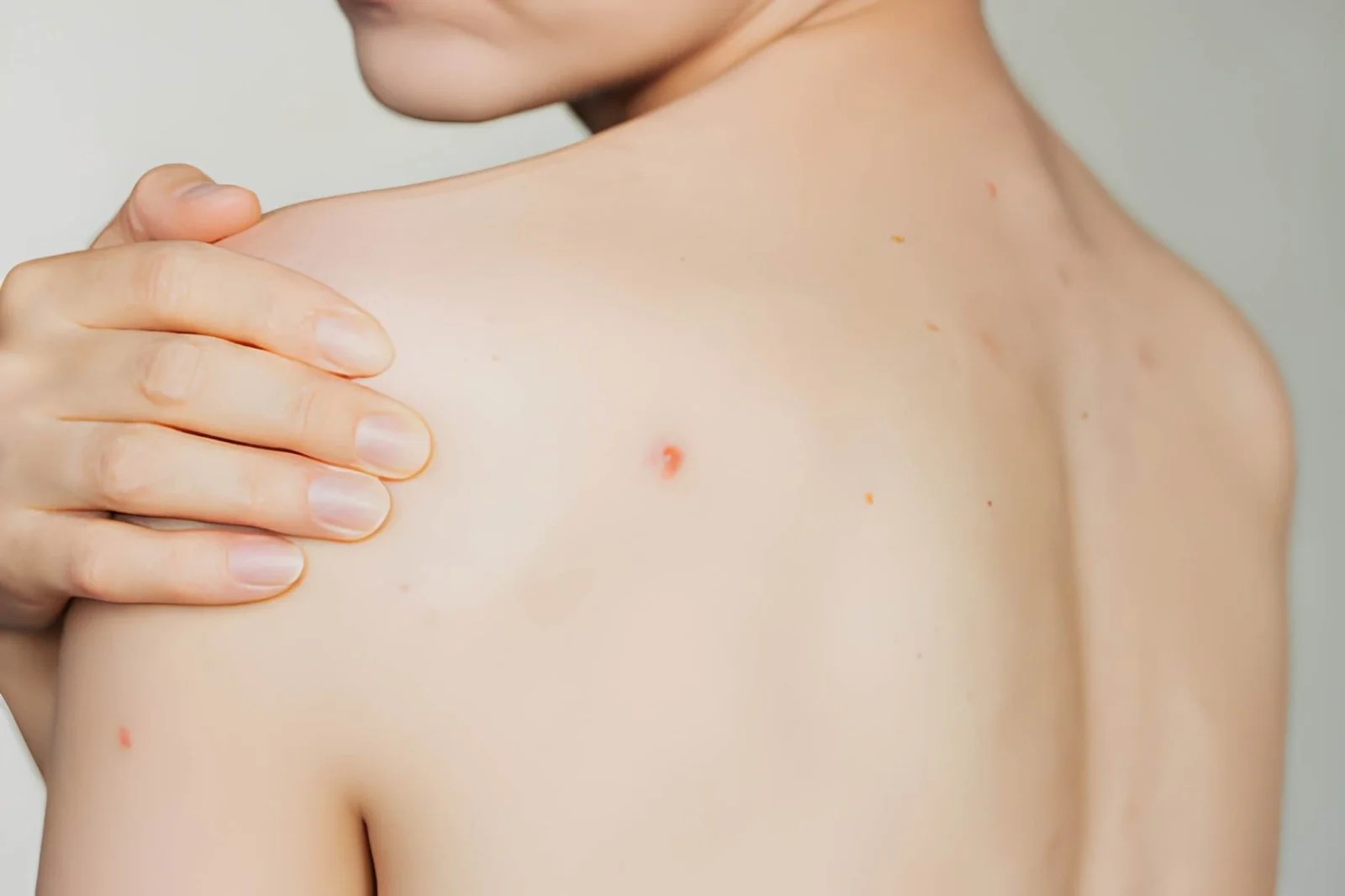
Back acne can leave more than one type of mark after breakouts settle. Some people notice dark spots across their shoulders, while others develop indented or raised scars. These changes are not all the same, so the options for improving them can differ.
Understanding the type of scarring is a useful starting point before considering skincare, professional treatment or medical assessment.
Quick Answer
Back-acne scars may become less noticeable with appropriate treatment, but the approach depends on the type of skin change. Flat dark marks may fade gradually with suitable skincare, while indented scars may benefit from selected professional procedures. Raised or keloid scars often need different medical care. Home remedies generally cannot remove established structural scars.
Considering Treatment for Back Acne Scars?
Discuss your back-acne marks or scarring with the Skinduced team. An assessment can help clarify whether cosmetic treatment or referral for medical care may be appropriate.
Key Takeaways
- Flat dark marks are not always permanent acne scars.
- Indented and raised back scars require different treatment approaches.
- Home skincare cannot usually remove deep structural scars.
- Controlling active acne helps reduce new scarring.
- Professional treatment requires individual assessment, and results vary.
Are the Marks on Your Back Acne Scars or Dark Spots?
Not every mark left by back acne is a scar. Some changes affect the skin’s colour, while others affect its structure.
| Skin Change | What It May Look Like | Main Consideration |
| Post-inflammatory hyperpigmentation (PIH) | Flat brown, dark or grey-brown marks | May fade gradually; pigmentation care differs from scar treatment |
| Post-inflammatory erythema (PIE) | Flat pink, red or purplish marks | Persistent colour change rather than an indentation |
| Atrophic acne scars | Small pits or depressed areas | May require selected professional procedures |
| Hypertrophic or keloid scars | Raised, thickened scar tissue | May need GP or dermatologist assessment |
Several of these can occur together on the same area of skin. The upper back and shoulders are recognised sites for raised and keloid scarring, so back-acne scarring doesn’t always follow the same pattern commonly seen on the face.
If the main concern is flat dark marks, our guide to post-inflammatory hyperpigmentation explains how these colour changes differ from structural scarring.
Why Does Back Acne Leave Scars?
Inflammatory acne can damage the deeper layers of skin. As the skin repairs itself, it may not rebuild enough collagen, which creates a depressed scar. In other cases, the skin produces too much collagen during repair, which can create raised scar tissue.
Several factors specific to the back can contribute:
- Deep, inflamed acne lesions
- Picking or squeezing
- Recurrent breakouts in the same area
- Individual susceptibility to scarring
- Friction and irritation from clothing, backpacks or sports equipment, which can aggravate ongoing back acne
How to Get Rid of Back Acne Scars at Home?
Home care can help manage active acne, support the skin and improve some post-acne marks. However, creams and home remedies generally cannot remove established indented or raised scars.
Gentle body skincare. Avoid harsh scrubs, aggressive exfoliating brushes and repeated picking, all of which can worsen inflammation and pigmentation.
Pigmentation support. Appropriate sunscreen, protective clothing and selected ingredients such as azelaic acid may help some post-inflammatory pigmentation concerns fade over time.
Acne-control products. Salicylic acid, benzoyl peroxide and suitable retinoids are relevant mainly to managing active acne. They should not be presented as guaranteed treatments for structural scars.
Avoid DIY procedures. Home dermarolling, lemon juice and other improvised scar-removal attempts can irritate the skin and worsen pigmentation or scarring.
If your skin is already irritated from over-exfoliation or harsh products, our guide to skin barrier care explains how to support recovery before introducing further active ingredients.
What If You Still Have Active Back Acne?
If breakouts are still occurring, this matters for your scar-treatment plan. Current inflammatory acne can create new scars even while you’re trying to improve existing ones.
- Mild, occasional breakouts may respond to appropriate skincare or pharmacist advice.
- Deep, painful, widespread or persistent acne may need a GP or dermatologist.
- Cosmetic scar-focused procedures are often deferred until active inflammation is reasonably controlled.
Addressing current acne isn’t just about comfort; it reduces the risk of adding new scars to the ones you’re already trying to treat.
Which Professional Treatments May Improve Indented Back Acne Scars?
Skin Needling for Selected Indented Scars
Skin needling uses fine needles to create controlled microchannels in the skin, aiming to stimulate the body’s natural repair and collagen-remodelling response. Certain depressed acne scars may become less noticeable with this approach.
Whether skin needling is appropriate for your back, and how much improvement is realistic, depends on individual assessment of your scar type, skin condition and treatment area.
Other Resurfacing and Specialist Approaches
Laser resurfacing, selected peels and other scar-specific procedures may also be discussed for appropriate cases. Deep or tethered scars sometimes require specialist approaches beyond standard needling.
How Does Skin Needling Work for Acne Scarring?
Learn how professional skin needling works, why scar type and treatment area matter, and which suitability and recovery considerations should be discussed.
How Does Skin Needling Work for Acne Scarring?
Learn how professional skin needling works, why scar type and treatment area matter, and which suitability and recovery considerations should be discussed.
View Skin Needling Treatment
How Are Raised or Keloid Back Acne Scars Treated?
Raised scars develop differently from indented scars, so they need a different conversation. A hypertrophic scar stays within the original area of injury, while a keloid can extend beyond it.
Depending on individual assessment, specialist management may include silicone-based approaches, prescribed treatments, corticosteroid injections, selected laser procedures or other medical options.
Standard collagen-stimulating skin needling isn’t a universal solution for raised scars. If you notice a raised scar that is growing, painful or itchy, a GP or dermatologist is the appropriate first point of call.
Is RF Microneedling an Option for Back Acne Scars?
RF microneedling combines fine needles with radiofrequency energy, targeting both the mechanical and thermal aspects of skin repair. Selected concerns involving uneven skin texture on the back may be assessed for this type of treatment.
Skinduced offers both Vivace RF Microneedling, which includes a specific back-area treatment option, and Morpheus8, which also lists the back among its treatment areas. Neither is automatically more suitable than the other. This depends on your specific scarring and skin.
As with any energy-based device, RF microneedling carries procedure-specific risks, including temporary redness, swelling and, less commonly, more significant complications. These should be discussed as part of your assessment, alongside your medical history and treatment goals.
Looking Into RF Microneedling for Your Back?
Skinduced offers a dedicated back-area Vivace treatment. Learn what RF microneedling involves and discuss whether your particular scarring, skin condition and medical history make it appropriate.
How Long Do Back Acne Marks and Scars Take to Improve?
Timelines vary considerably depending on what you’re dealing with:
- Flat pigmentation marks may fade gradually over months, particularly with consistent sun protection
- Structural scarring (indented or raised) tends to persist without appropriate professional intervention
- Professional treatment response depends on the procedure, your individual skin characteristics, and often involves multiple sessions rather than a single visit.
There’s no guaranteed timeline or fixed number of treatments that applies to everyone; this is genuinely individual.
What Should You Know About Risks, Recovery and Costs?
Before considering any professional treatment, it helps to understand what’s involved:
- Temporary redness, swelling, tenderness and irritation are common after most scar-focused procedures
- Less commonly, infection, additional pigmentation changes or new scarring can occur
- RF-based treatments carry their own device-specific risk profile
- Active infection, a history of keloid scarring, skin tone, current medications and previous treatment reactions can all affect whether a treatment is suitable.
- Treating a larger area like the back may mean longer appointment times, different pricing and a different recovery experience compared to facial treatment.
Before starting any treatment plan, ask what it’s expected to cost, whether multiple sessions are likely to be recommended, and what the next step would be if your skin doesn’t respond as expected.
When Should You Seek a Medical or Skin Assessment?
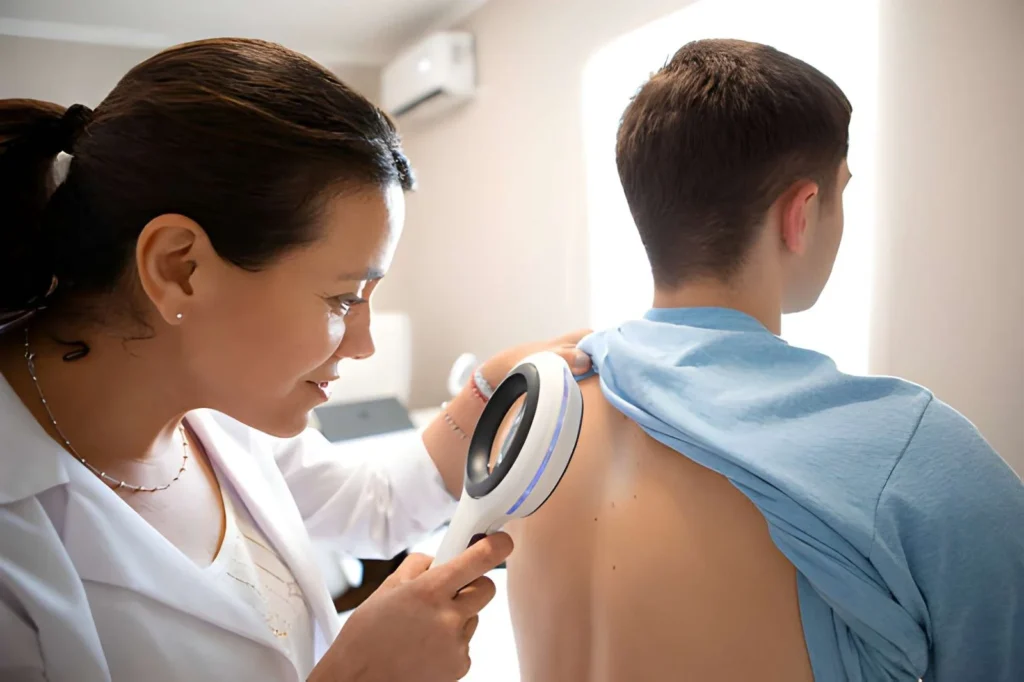
A GP or dermatologist is particularly important if you have severe or ongoing inflammatory acne, an uncertain diagnosis, a raised scar that is painful or changing, or any concern about keloid formation.
For established cosmetic texture concerns where active acne is under control, and you’re focused on improving the appearance of existing scarring, a skin assessment at Skinduced in Cameron Park, Newcastle can help clarify which options may be worth exploring.
FAQs
Can back acne scars go away completely?
Flat marks may fade over time, but established structural scars are less likely to disappear entirely. Professional treatment may reduce their appearance without guaranteeing complete removal.
Do back acne scar creams actually work?
Some ingredients may help with pigmentation or active acne, but creams generally cannot remove deep pits or raised scar tissue on their own.
Can back acne scars disappear in one week?
No. Structural scars don’t resolve that quickly — healing and treatment responses typically unfold over weeks to months, not days.
Can older back acne scars still improve?
Yes, older scars can still be assessed for treatment. Outcomes depend more on scar type, depth and skin characteristics than on how long ago the scarring occurred.
Have Questions About Your Skin Concerns?
Contact Skinduced Aesthetics Clinic in Cameron Park to discuss skin concerns, available consultation services and suitable next steps. Medical or specialist care may be recommended where appropriate.