Post-Inflammatory Hyperpigmentation – Why Acne Leaves Dark Marks
You treated the breakout. The pimple is gone. But the dark mark it left behind can linger for weeks or months, sometimes longer.
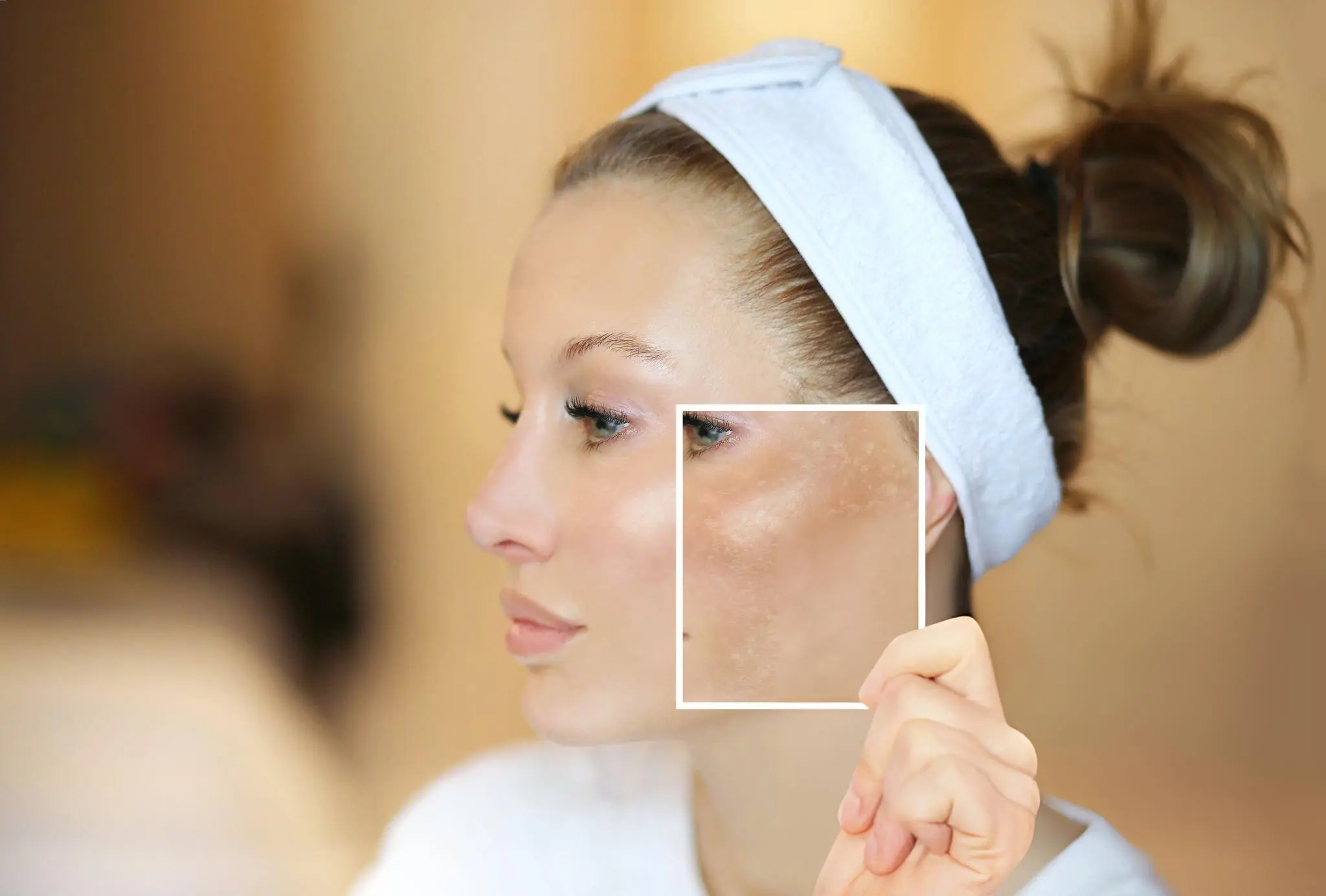
This is post-inflammatory hyperpigmentation, or PIH. It is one of the most common concerns people experience after acne, and it affects all skin types, though it tends to be more noticeable and persistent in medium to deeper skin tones.
Understanding why PIH happens, what makes it worse, and which approaches may genuinely help is the starting point for managing it effectively.
Dealing with persistent dark marks after acne? A skin consultation at Skinduced Aesthetic Clinic in Cameron Park can help assess your skin and discuss suitable options.
What Exactly Is Post-Inflammatory Hyperpigmentation?
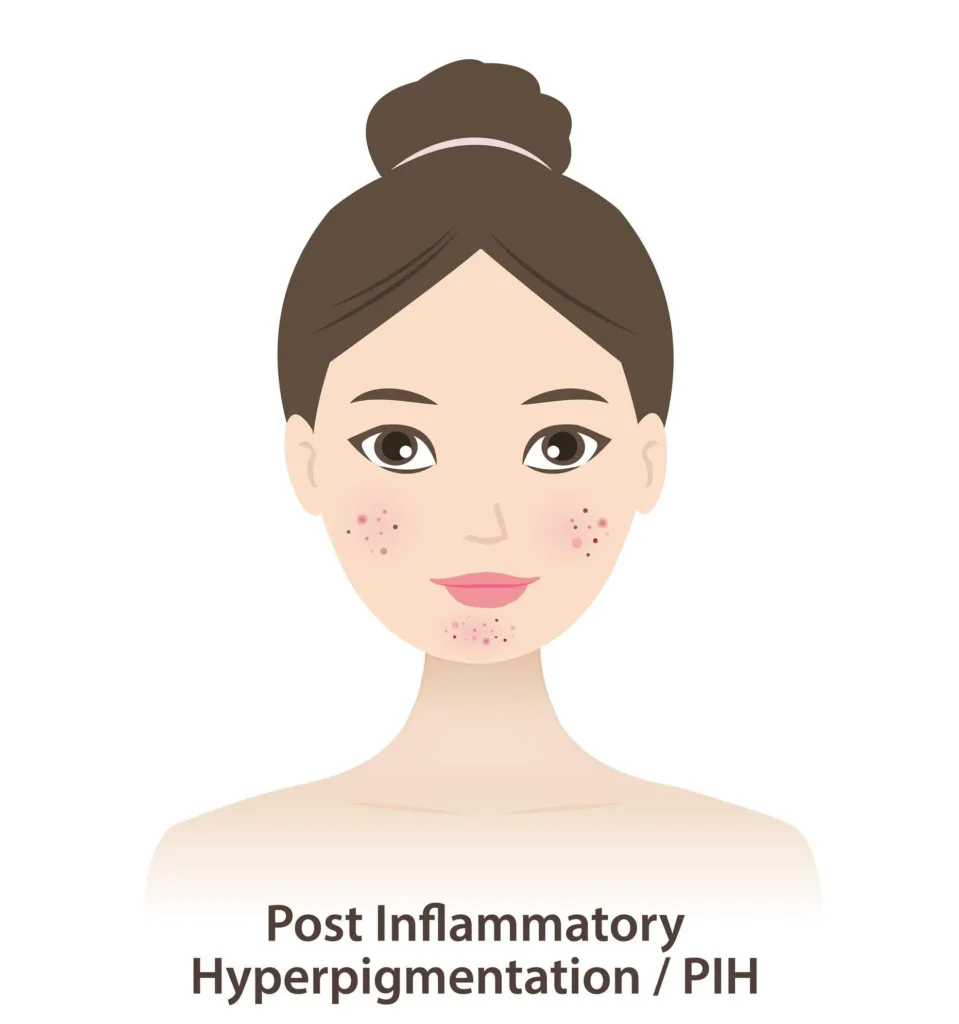
PIH is a flat, discoloured mark that forms after the skin experiences inflammation or injury. With acne, the inflammatory response that fights the breakout also triggers melanocytes, the cells responsible for producing melanin, to overproduce pigment. That excess pigment remains in the skin even after the acne itself has resolved.
The mark may appear tan, brown, dark brown, grey-brown or blue-grey depending on skin tone and pigment depth. Red or pink post-acne marks may instead relate to post-inflammatory erythema, or PIE, which is different from PIH. PIH primarily involves a change in skin colour rather than the structural changes seen with acne scarring.
According to DermNet NZ, PIH is caused by increased melanin synthesis following any type of skin injury or inflammation, including acne.
Why Some People Are More Affected Than Others
PIH does not affect everyone equally. Several factors influence how pronounced marks become and how long they last.
Skin tone can influence how PIH appears and how long it remains noticeable. PIH can affect all skin tones, but it may be more pronounced or persistent in medium-to-deeper skin tones because the melanin response to inflammation can be greater.
Acne severity may influence the likelihood of post-inflammatory pigmentation. More inflamed acne lesions can produce a stronger inflammatory response, which may increase the chance of a visible dark mark remaining after the breakout settles.
Picking and squeezing can cause additional skin injury and inflammation. This may increase the likelihood or persistence of post-inflammatory pigmentation.
Sun exposure without protection actively darkens existing PIH marks because UV stimulates further melanin production.
Skin barrier health is also relevant. A disrupted barrier can increase irritation and sensitivity, and further inflammation may contribute to additional pigmentation.
How Long Does PIH Last?
Some post-inflammatory hyperpigmentation gradually fades over months, while deeper or more persistent pigmentation can remain visible for much longer. There is no single timeframe that applies to everyone. Factors that may influence persistence include:
- How deep the pigment sits in the skin
- Skin tone and melanin activity
- Whether the area is consistently protected from UV
- General skin health and cell turnover rate
Superficial epidermal PIH, where pigment sits closer to the skin surface, may fade sooner than deeper pigmentation. Deeper dermal pigmentation can persist for longer and may respond differently to topical approaches. Professional assessment may be useful when the type or depth of pigmentation is uncertain.
Why Managing Ongoing Acne Matters
New inflammatory breakouts can leave new areas of post-inflammatory pigmentation. Managing existing dark marks without addressing ongoing acne may therefore lead to a continuing cycle of new marks.
Acne management should be appropriate to the individual. Persistent, painful, deep or scarring acne may warrant assessment by a GP or dermatologist rather than relying only on cosmetic skincare or pigmentation treatment.
Ingredients That May Help Fade PIH
Some topical ingredients are used in the management of post-inflammatory hyperpigmentation, but response varies between individuals. Irritation can also make pigmentation more noticeable, so introducing multiple active ingredients at the same time is not always helpful.
Vitamin C
Vitamin C inhibits tyrosinase, the enzyme involved in melanin production. Regular use may help slow new pigment formation and support a more even skin tone. It works well alongside daily sunscreen.
Niacinamide
Niacinamide reduces the transfer of melanin to surface skin cells. It also supports the skin barrier, reduces redness and is generally well tolerated across most skin types.
AHAs and BHAs
Glycolic acid and lactic acid support cell turnover, helping the skin shed pigmented surface cells more quickly. Salicylic acid penetrates pores and may reduce active acne while also supporting surface renewal.
Retinoids
Retinol and stronger retinoids accelerate cell turnover, which can help bring pigmented cells to the surface faster. They may also support collagen over time. They require gradual introduction, particularly in sensitive or reactive skin. If your skin barrier is already compromised, address that before introducing retinoids.
Azelaic Acid
Azelaic acid inhibits tyrosinase and is used in the management of acne and some forms of post-inflammatory hyperpigmentation. It can still irritate some people, so product strength, other active ingredients and individual skin sensitivity should be considered.
Using several acids, retinoids or brightening products at the same time can increase irritation. More active ingredients do not necessarily mean faster improvement, particularly if the skin barrier becomes irritated.
The Role of Sunscreen in PIH Management
Sun protection is an important part of managing post-inflammatory hyperpigmentation because UV exposure, and in some skin types, visible light, can contribute to persistent or more noticeable pigmentation.
Use appropriate broad-spectrum sun protection as part of your daily routine and combine sunscreen with other protective measures such as shade, hats and protective clothing where appropriate. Sunscreen should be used according to the product directions, including reapplication when required.
Professional Treatments That May Support PIH
Professional treatment may be considered for selected pigmentation concerns after assessment. The appropriate approach, if any, depends on whether the mark is PIH, pigment depth, whether acne remains active, skin characteristics, medical history and the risk of further pigmentation.
Chemical Peels
Professional peels use controlled exfoliation and may be considered for selected superficial pigmentation or uneven-tone concerns. Peels can also cause irritation, temporary redness and changes in pigmentation, so peel type, strength and suitability should be determined through individual assessment.
Laser Pigmentation Treatment
Laser pigmentation treatment uses light-based technology and may be considered for selected pigmentation concerns after assessment. Suitability depends on the pigmentation type, skin characteristics, device and treatment settings. Possible effects can include temporary redness, swelling or sensitivity, and laser treatment can sometimes contribute to further pigment changes.
Skin Needling
Skin needling may be considered when acne-related texture or scarring is also present. A flat pigmentation mark alone may require a different approach. Suitability, treatment area and the risk of further pigmentation should be considered during individual assessment.
LED Light Therapy
LED light therapy is a non-invasive light-based treatment that may be considered for selected skin concerns. Its role in a treatment plan depends on the individual concern and assessment. Possible effects include temporary redness or irritation, and appropriate eye protection is required during treatment.
What to Avoid When Managing PIH
Some common habits make PIH worse rather than better.
- Picking, squeezing or scratching active breakouts can increase inflammation and may contribute to further post-inflammatory pigmentation.
- Inadequate sun protection may allow UV exposure to make existing pigmentation more noticeable or persistent.
- Using too many active ingredients at once can irritate the skin barrier and increase inflammation, which may contribute to additional pigmentation.
- Over-exfoliating can disrupt the skin barrier and increase irritation or sensitivity.
PIH vs PIE vs Acne Scarring – What Is the Difference?
Post-acne marks can involve changes in colour, redness or skin structure. These concerns can occur together, but they are not the same and may require different approaches.
| Concern | Typical appearance | Main change |
| PIH | Flat brown, dark-brown, grey-brown or blue-grey mark | Increased pigmentation |
| Post-inflammatory erythema (PIE) | Flat pink, red or purplish mark | Persistent redness or vascular change |
| Atrophic acne scar | Indented, pitted or depressed area | Structural change in skin texture |
| Raised scar | Elevated area of scar tissue | Structural scar formation |
More than one type of post-acne mark can be present at the same time. A professional assessment may help distinguish visible pigmentation, redness and texture before treatment options are considered.
When to See a Skin Professional
Consider a professional skin assessment if:
- Dark marks have persisted beyond several months despite consistent skincare
- New dark marks continue to appear because breakouts or inflammation are ongoing
- You want guidance about treatment suitability and pigmentation risks for your skin characteristics
- Marks are associated with changing skin texture or early scarring
- You are unsure which active ingredients may be appropriate for your skin type and current skincare routine
Skinduced Aesthetic Clinic in Cameron Park offers a range of skin treatments for concerns involving pigmentation, uneven tone and skin texture. A consultation can review visible concerns before suitable skincare, professional treatment or another pathway is discussed. The clinic serves clients from Newcastle, Lake Macquarie and surrounding Hunter areas.
Book a consultation to discuss visible pigmentation, redness or texture concerns and whether skincare, professional treatment or another pathway may be appropriate.
PIH Summary
What it is: A flat change in pigmentation that can occur after inflammation or skin injury.
Common trigger: Acne-related inflammation.
Who it affects: PIH can affect all skin tones and may be more pronounced or persistent in medium-to-deeper skin tones.
Factors that may worsen or prolong it: Ongoing inflammation, picking, irritation and sun exposure.
Home-care considerations: Appropriate sun protection, avoiding unnecessary irritation and carefully selected skincare ingredients.
Professional options: Selected pigmentation treatments, chemical peels or other procedures may be considered after assessment.
Timeline: PIH often fades gradually over months, while deeper pigmentation can persist longer.
FAQs
Is PIH the same as an acne scar?
No. PIH is a flat change in pigmentation, while acne scars involve structural changes such as pitting, depression or raised tissue. Pink or red flat post-acne marks may instead relate to post-inflammatory erythema, or PIE.
Can PIH fade on its own?
Some PIH gradually fades over time, particularly once the underlying inflammation has settled. The timeframe varies according to pigment depth, skin characteristics, ongoing acne, irritation and sun exposure. Deeper pigmentation may remain visible for longer.
Does skin tone affect how PIH heals?
Skin tone can influence how PIH appears and how persistent it may be. PIH may be more pronounced in medium-to-deeper skin tones, and some procedures can carry a greater risk of additional pigment changes depending on skin characteristics, treatment type and settings.
Is retinol safe to use on PIH?
Retinol may be considered as part of a skincare approach for some people with post-inflammatory pigmentation, but it can also irritate. Introduce active skincare cautiously, particularly if the skin is already sensitive or other exfoliating products are being used.
How long should I wait before seeking professional treatment?
There is no fixed period you need to wait before seeking professional advice. Assessment may be useful if you are unsure whether a mark is pigmentation, redness or scarring, acne is ongoing, pigmentation remains persistent, or skincare is causing irritation. Painful, severe or scarring acne should be discussed with an appropriate healthcare professional.
References and Resources
DermNet – Postinflammatory Hyperpigmentation: Clinical information on causes, appearance and management of PIH.
StatPearls / NCBI Bookshelf – Postinflammatory Hyperpigmentation: Clinical overview of PIH mechanisms, diagnosis and management considerations.
American Academy of Dermatology – Acne Scars and Dark Spots: Patient guidance explaining the difference between flat post-acne dark spots and acne scarring.
Cancer Council Australia – Sun Protection: Australian guidance on appropriate sun protection.