
How to Get Rid of Loose Skin After Weight Loss?
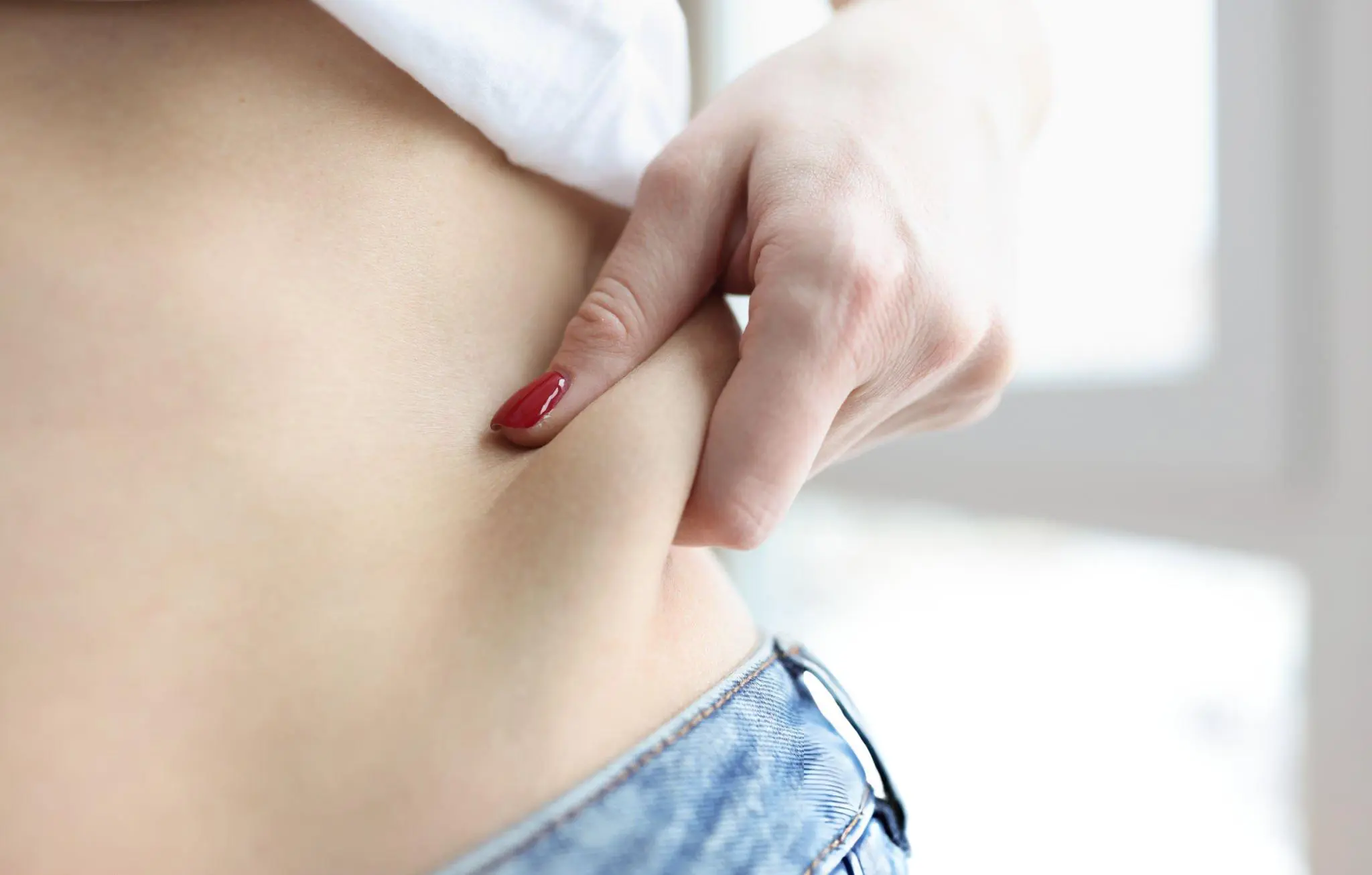
Loose skin can remain after significant weight loss, whether the weight was lost through lifestyle changes, bariatric surgery or a combination of approaches. How much the skin changes varies between individuals and can be influenced by the amount of weight lost, how long the skin was stretched, age, genetics and overall skin quality.
This guide explains what may change over time, what lifestyle and skincare measures can realistically support, and when non-surgical, medical or surgical options may be worth discussing.
Quick Answer
Loose skin after weight loss may improve somewhat over time, particularly when the degree of laxity is mild, and weight has stabilised. However, exercise, skincare, hydration and nutrition cannot physically remove substantial excess skin.
For selected mild-to-moderate skin laxity, some non-surgical options may be discussed after individual assessment. Where substantial excess skin is present, and a person wants it physically removed, surgical assessment may be more relevant. Treatment is optional, and the appropriate pathway depends on the area involved, degree of laxity, skin characteristics, medical history and individual preferences.
Key Takeaways
- Loose skin after weight loss varies considerably between individuals.
- Mild skin laxity may change gradually after weight stabilises, but significant excess skin is less likely to fully retract on its own.
- Exercise can improve muscle strength and body composition but does not physically remove excess skin.
- Skincare, nutrition and hydration can support general skin health but should not be expected to eliminate substantial loose skin.
- Non-surgical options may be considered for selected mild-to-moderate laxity, but they do not physically remove substantial excess skin.
Why Does Loose Skin Happen After Weight Loss?
Skin contains collagen and elastin, which contribute to its structure and elasticity. When skin has remained stretched for an extended period, its ability to fully retract after body volume decreases can vary.
After significant weight loss, the skin may not fully conform to the body’s reduced volume. The amount of laxity or excess skin that remains differs considerably between individuals.
Key factors that may influence how much loose skin remains include:
- Amount of weight and body-volume change: larger changes can make excess skin more noticeable
- How long the skin was stretched: skin that remained stretched for a longer period may have less capacity to retract fully.
- Age and baseline skin elasticity: skin elasticity changes over time and also varies naturally between individuals
- Genetics: inherited differences can influence skin structure and elasticity
- Long-term skin exposures: smoking and cumulative UV exposure can affect collagen, elastin and overall skin quality
The amount and pattern of weight change may be relevant, but several factors influence loose skin and cannot always be prevented by changing the rate of weight loss.
Ready to get your personalised consultation?
Book a $50 aesthetic consultation and your clinician will assess your needs and map out your sessions and cost. The $50 fee is credited toward your treatment if you proceed.
Will Loose Skin Tighten on Its Own?
Some mild skin laxity may change gradually after weight stabilises, but there is no universal timeframe or guaranteed degree of skin retraction.
How much change occurs depends on factors such as the amount of excess skin, how long the skin was stretched, baseline skin elasticity and other individual characteristics. Substantial hanging or folded excess skin is less likely to retract on its own fully.
Exercise and skincare may support body composition or general skin health, but they do not physically remove excess skin. If someone wants to explore further options, non-surgical or surgical assessment may be discussed depending on the degree of laxity.
Is It Loose Skin or Remaining Body Fat?
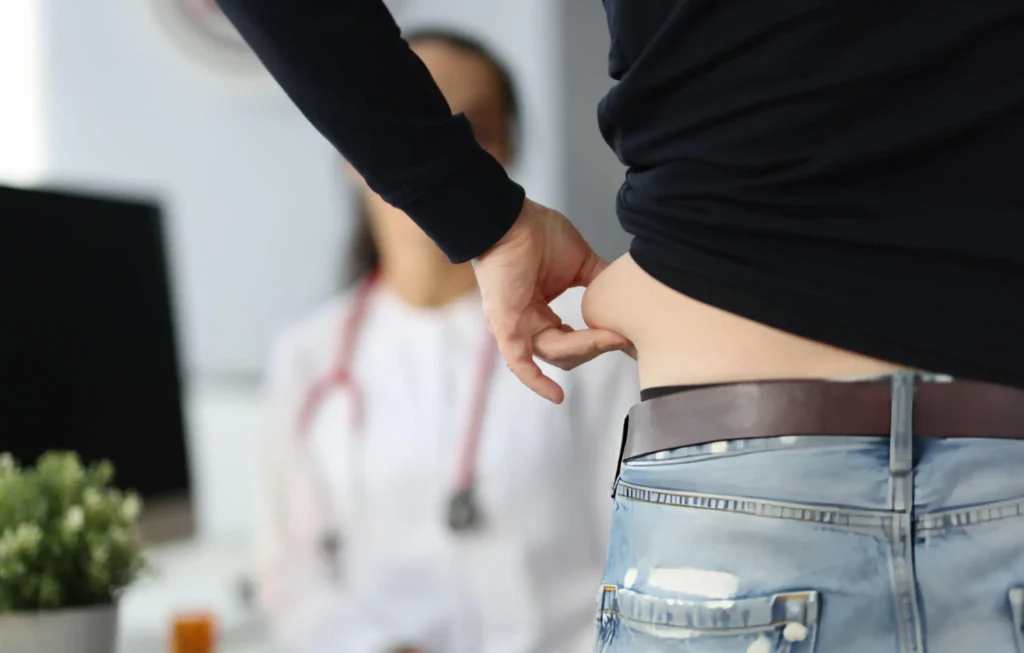
Loose skin and remaining subcutaneous fat are not the same. An area may contain skin laxity, remaining fat or a combination of both, and this distinction matters because different options address different tissue.
Looking at or pinching an area at home cannot reliably determine its tissue composition. If you are unsure what is contributing, an in-person assessment can help clarify the concern before any cosmetic treatment is considered.
Lifestyle and Skincare Measures That May Help
Lifestyle and skincare measures can support general health, body composition, hydration and skin quality, but they do not physically remove substantial excess skin.
Build or Maintain Muscle Mass
Resistance training can build muscle, improve strength and change body composition, which may alter the overall contour of an area. It does not physically tighten or remove excess skin, and the visible effect varies between individuals.
Support Collagen Through Nutrition
A balanced diet that provides adequate protein, vitamin C and other nutrients supports normal skin and connective-tissue function. Adequate fluid intake also supports normal hydration. These measures are important for general health but should not be presented as ways to remove or substantially tighten excess skin.
What Can Skincare Realistically Do?
Skincare can support hydration, barrier function and surface texture, but topical products cannot physically remove excess skin. Moisturising and sun protection are often more relevant than relying on products marketed as “firming” or “tightening”.
If you use active skincare, introduce products according to your skin tolerance and the area being treated. If your skin barrier has been compromised, simplifying the routine before adding further active ingredients may be appropriate.
Protect the Skin From UV
Cumulative UV exposure contributes to collagen and elastin breakdown and other signs of photoaging. Using broad-spectrum sunscreen on exposed skin supports general skin health, but sunscreen should not be presented as a treatment for existing excess skin.
What Professional Options May Be Considered for Loose Skin After Weight Loss?
Some non-surgical procedures may be considered for selected mild-to-moderate skin laxity after individual assessment. They do not physically remove substantial excess skin, and the degree and duration of any visible change vary between individuals and devices. Potential risks, recovery considerations, alternatives and realistic expectations should be discussed before treatment.
RF Microneedling (Morpheus8 and Vivace)
RF microneedling combines microneedling with radiofrequency energy delivered into the skin. It has been studied for selected skin-laxity and skin-quality concerns, but evidence and outcomes vary by device, treatment area and study population. Evidence for facial skin laxity should not automatically be assumed to apply to substantial post-weight-loss body laxity.
Morpheus8 and Vivace RF Microneedling are available at Skinduced. Whether either option is appropriate depends on the treatment area, degree of laxity, skin characteristics, medical history and individual assessment. These procedures do not remove substantial excess skin.
Possible effects can include temporary redness, swelling, sensitivity, bruising, or pinpoint bleeding. Depending on the device and treatment area, other risks such as blistering, burns, pigment changes or scarring may also need to be discussed before treatment.
Considering Morpheus8 for Skin Laxity?
Learn more about Morpheus8, including how the procedure works, areas that may be considered, possible risks and what to expect before deciding whether it may be appropriate for you.
Fat Freezing vs Loose Skin
Fat freezing is intended to address selected areas of localised fat rather than excess skin. If the main concern is skin laxity without significant remaining fat, reducing fat would not directly address the loose skin itsel
Some areas can contain both loose skin and remaining subcutaneous fat. An assessment may help clarify which tissue is contributing before a body-contouring option is considered.
When Should You See a GP About Excess Skin?
Speak with a GP if excess skin or skin folds are causing repeated rashes, infection, skin breakdown, persistent pain, hygiene difficulties or problems with movement or exercise. These concerns may require a medical pathway rather than an aesthetic treatment.
A GP can assess the problem and, where appropriate, discuss referral to a relevant medical or surgical specialist.
When Is Surgery the Right Conversation?
For substantial excess skin, non-surgical procedures have important limitations because they do not physically remove redundant tissue.
If someone wants substantial excess skin removed, procedures such as abdominoplasty, brachioplasty or body lift may be discussed with an appropriately qualified surgical specialist, such as a specialist plastic surgeon. Surgery involves scars, recovery and procedure-specific risks, and suitability depends on individual medical assessment.
Non-surgical cosmetic treatments should not be presented as equivalent to surgical excess-skin removal.
Getting Support at Skinduced
Skinduced Aesthetic Clinic in Cameron Park offers consultations for selected non-surgical skin-laxity concerns. A consultation can review the area, degree of laxity, skin characteristics and relevant medical history and discuss whether a non-surgical option may be appropriate, whether no cosmetic treatment is needed, or whether another medical or surgical pathway may be more relevant.
Skinduced supports clients from Cameron Park, Newcastle, Lake Macquarie and surrounding Hunter areas.
Book a consultation to discuss your concern and realistic options. Treatment is not required simply because loose skin is present.
FAQs
How long does it take for loose skin to tighten after weight loss?
There is no universal timeframe. Some mild skin laxity may change after weight stabilises, but how much change occurs and how long it takes vary between individuals. Significant excess skin is less likely to retract on its own fully.
Does exercise help with loose skin after weight loss?
Resistance training can build muscle and change body composition, which may alter the contour of an area. It does not physically tighten or remove excess skin, and the visible effect varies between individuals.
Can RF microneedling help loosen skin on the stomach?
RF microneedling may be considered for selected mild-to-moderate skin-laxity concerns after individual assessment, but it does not physically remove excess abdominal skin. Evidence and outcomes vary by device, settings, treatment area and individual factors, and potential risks should be discussed before treatment.
Is loose skin after weight loss permanent?
Not always. Some mild laxity may change over time, while substantial excess skin can persist. Lifestyle measures may support general skin health or body composition, but they do not physically remove excess skin. If someone wants substantial excess skin removed, surgical assessment may be the more relevant pathway.
Does drinking water help with loose skin?
Adequate hydration supports normal skin hydration and general health, but drinking more water does not physically tighten or remove excess skin.
