How Do You Get Rid of Ingrown Hairs?
If you have an ingrown hair right now, avoid squeezing, picking or trying to dig it out. Reducing irritation and temporarily pausing the hair-removal method that triggered it may help the area settle.
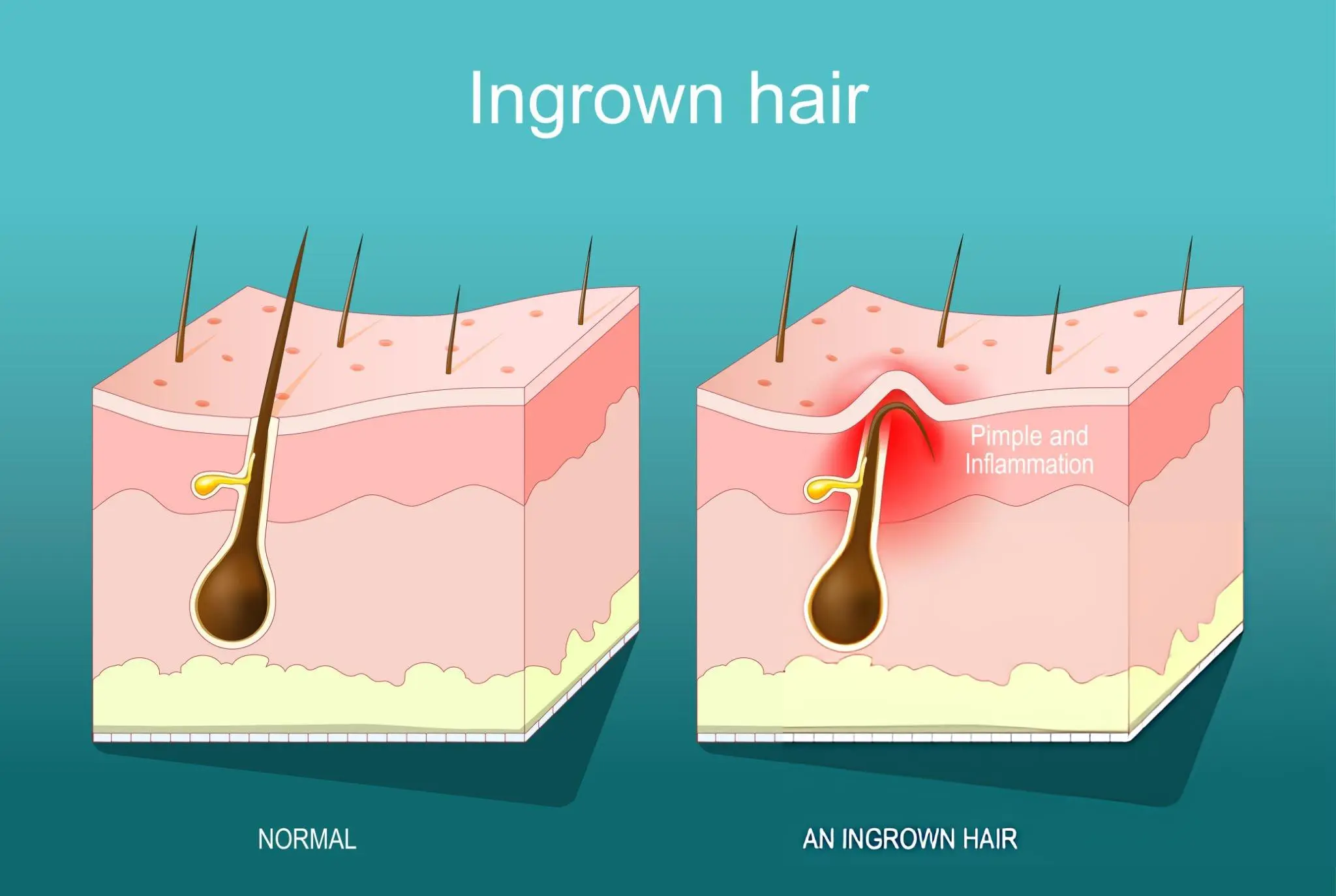
An ingrown hair develops when hair grows back into or becomes trapped beneath the skin. While many mild cases settle on their own, recurring ingrown hairs often need a prevention-focused approach rather than repeatedly treating each bump. Healthdirect notes that shaving, waxing and tweezing are common triggers.
Quick Answer
Most mild ingrown hairs should be allowed to settle rather than squeezed, popped or dug out. Temporarily pause shaving, waxing or other hair removal over the affected area, reduce friction and keep your skincare gentle while inflammation settles.
A warm compress may help soften the skin and provide comfort. Gentle exfoliation may be useful in some cases, but avoid aggressive scrubbing over an inflamed or infected-looking bump. Persistent, painful or recurring concerns may need professional medical assessment.
Key Takeaways
- Avoid squeezing, picking or digging into an ingrown hair.
- Pause shaving or waxing over an irritated area while it settles.
- Gentle skincare and careful exfoliation may help reduce surface build-up around some follicles, while aggressive exfoliation can worsen irritation.
- Recurring ingrown hairs can be influenced by hair texture, shaving technique, friction and repeated hair removal.
- Laser hair reduction may be considered for selected people with recurring hair-removal-related ingrown hairs, but it does not guarantee permanent prevention.
How Do You Safely Get Rid of an Ingrown Hair?
Most mild ingrown hairs improve without invasive treatment. The aim is to reduce further irritation and give the hair and surrounding skin time to settle.
There is no single method that instantly and safely removes every ingrown hair. Management also differs if the area is significantly inflamed, infected-looking or part of a recurring pattern.
Pause Shaving or Waxing the Area
Continuing to shave, wax or tweeze over an irritated follicle can keep aggravating the area. Where practical, pause hair removal until the skin has settled.
Use a Warm Compress
A warm, damp washcloth may help soften the skin and provide comfort while the area settles. It should not be treated as a guaranteed method for releasing a trapped hair.
Keep Skin Care Gentle
Avoid layering several exfoliating or active products over an inflamed bump. Gentle cleansing and a simple moisturiser may be more appropriate while irritation settles.
If products sting, burn or visibly worsen redness, stop using them on the affected area.
Should You Pop or Pull Out an Ingrown Hair?
No. Avoid squeezing, popping or digging into an ingrown hair. Repeated trauma can increase inflammation and may increase the risk of infection, post-inflammatory pigmentation or scarring.
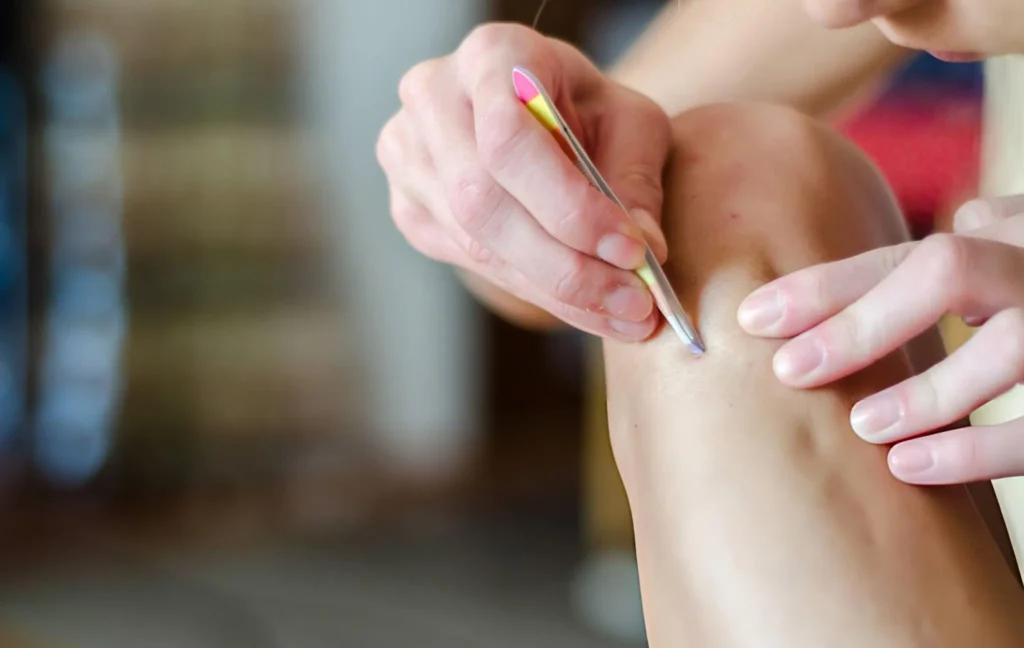
Avoid using needles or tweezers to dig for a deeply trapped hair at home. Healthdirect notes that when removal is medically required, a doctor may bring the end of the hair to the surface using sterile technique.
What Causes Ingrown Hairs?
An ingrown hair develops when a hair grows back into the skin rather than continuing normally away from the follicle. Hair-removal methods, hair texture and friction can all contribute.
Shaving
Shaving can leave short hair that curves back towards the skin as it grows. Very close shaving and shaving against the direction of growth can contribute to razor bumps in people who are susceptible.
Waxing, Tweezing and Epilation
Ingrown hairs can also occur after hair is removed from the root. As the new hair grows, it may become trapped or grow back into the skin rather than emerging normally.
Curly or Coarse Hair
People with curly or coarse hair are more likely to experience ingrown hairs because the natural curve of the hair makes it easier for regrowth to turn back towards the skin.
Friction and Tight Clothing
Friction or pressure from clothing can also contribute, particularly in areas that have recently been shaved or waxed. Common locations include the bikini area, thighs and underarms.
How to Prevent Ingrown Hairs After Shaving
Changing the way you shave may reduce the likelihood of recurring ingrown hairs or razor bumps.
- Soften the hair and skin before shaving, such as by shaving after a warm shower.
- Use adequate shaving cream or gel to reduce friction.
- Shave in the direction of hair growth where practical.
- Avoid repeatedly passing the razor over the same area.
- Use clean, sharp shaving equipment and allow razors to dry properly between uses.
- Avoid shaving excessively close over already irritated or bumpy skin.
The American Academy of Dermatology similarly recommends softening hair before shaving, using shaving cream, shaving with hair growth and maintaining clean shaving equipment.
Moisturising afterwards may also help support the skin barrier, provided the product does not irritate the area.
Does Exfoliating Help Ingrown Hairs?
Gentle exfoliation may help reduce surface build-up around some follicles, but aggressive scrubbing can worsen irritation.
If you use exfoliation, choose a gentle method and avoid exfoliating broken, highly inflamed or infected-looking skin. Ingredients such as salicylic acid or glycolic acid may be used in some skincare routines, but suitability depends on the area and your skin tolerance.
Stop if you develop burning, marked redness or increased irritation. If your skin becomes sensitised, simplify your routine and focus on barrier-supportive care.
Why Do I Keep Getting Ingrown Hairs?
If ingrown hairs repeatedly return, one or more contributing factors may still be present. These can include close shaving, repeated waxing or tweezing, naturally curly or coarse hair, friction and repeated irritation.
Managing the bump you have and preventing the next one are different goals. Recurring cases often require attention to the hair-removal routine rather than simply treating each bump.
Razor Bumps and Pseudofolliculitis Barbae
Repeated bumps after close shaving may represent pseudofolliculitis barbae (PFB) rather than a series of unrelated ingrown hairs.
PFB commonly affects closely shaved beard and neck areas and occurs when cut hairs curve back towards the skin, triggering repeated inflammation. Persistent or worsening razor bumps should be assessed by an appropriately qualified health professional rather than self-diagnosed.
Ingrown Hair vs Folliculitis: What’s the Difference?
Ingrown hairs, razor bumps and folliculitis can look similar, and more than one problem can occur at the same time.
| Concern | Typical features |
| Ingrown hair | One or a few bumps following hair removal; a trapped or curved hair may sometimes be visible |
| Razor bumps / PFB | Recurring inflammatory bumps in an area that is regularly shaved closely |
| Folliculitis | Inflamed follicular bumps that can have several causes, including infection |
| Post-inflammatory pigmentation | A flat darker mark remaining after inflammation has settled |
Healthdirect notes that an ingrown hair can sometimes become associated with inflammation or infection around the follicle, known as folliculitis.
Persistent, painful or unusual-looking bumps should be assessed rather than diagnosed from appearance alone.
Why Do Ingrown Hairs Leave Dark Marks?
Inflammation from an ingrown hair can sometimes leave a flat darker mark after the bump settles. This is known as post-inflammatory hyperpigmentation and is different from a scar.
Picking, squeezing or repeatedly irritating the area can add further skin injury and inflammation, which may increase the likelihood of post-inflammatory pigmentation.
Preventing repeated ingrown hairs can therefore be just as important as addressing marks that have already developed.
Can Laser Hair Removal Help With Recurring Ingrown Hairs?
For some people who repeatedly develop ingrown hairs or shaving-related razor bumps, professional laser hair removal may be worth discussing.
Laser hair reduction reduces hair growth over time. For someone whose recurring ingrown hairs are closely linked to frequent shaving, waxing or tweezing, reducing hair growth may reduce reliance on those repeated hair-removal methods. Mayo Clinic includes laser-assisted hair removal among options a healthcare provider may consider for recurring ingrown hair.
It may be more relevant where:
- ingrown hairs repeatedly occur after shaving or waxing;
- razor bumps continue despite changing shaving technique; or
- the affected area requires frequent, close hair removal.
Laser hair reduction does not guarantee that ingrown hairs will never occur again. Suitability depends on factors including hair colour, skin characteristics, treatment area and medical history.
Multiple sessions may be recommended depending on factors such as the treatment area, hair characteristics and individual response. Possible effects can include temporary redness, swelling or sensitivity, while less frequent risks may include burns, pigment changes or scarring. These should be discussed during consultation before deciding whether treatment is appropriate.
Recurring Ingrown Hairs After Shaving or Waxing?
If repeated hair removal is contributing to recurring ingrown hairs, a consultation at Skinduced Aesthetics Clinic in Cameron Park can discuss whether laser hair reduction or another approach may be appropriate for your hair, skin characteristics and treatment area.
Potential risks, limitations and realistic expectations can also be discussed before deciding whether treatment is suitable.
When Should You See a GP About an Ingrown Hair?
Most mild ingrown hairs settle without medical treatment. However, some symptoms may indicate infection or another skin problem that needs assessment.
See a GP if you notice:
- increasing pain or significant swelling;
- marked warmth or spreading redness;
- pus or discharge;
- fever or feeling generally unwell;
- repeatedly developing deep or very inflamed lumps; or
- uncertainty about whether the bump is actually an ingrown hair.
Healthdirect recommends seeing a doctor if an ingrown hair does not go away or is causing concern, and notes that infected follicles may require medical treatment.
An aesthetic clinic is not the appropriate pathway for an infected or medically uncertain skin concern. If you are unsure what the bump is, start with a GP.
Laser Hair Reduction Consultations in Newcastle
Skinduced Aesthetics Clinic in Cameron Park provides laser hair removal consultations for suitable adults concerned about unwanted hair and recurring hair-removal-related issues.
Assessment can consider the treatment area, hair characteristics, skin type, medical history, potential risks and realistic expectations. Skinduced is located in Cameron Park and supports clients from Newcastle, Lake Macquarie and surrounding Hunter areas.
FAQs
Will an ingrown hair go away on its own?
Many mild ingrown hairs improve without invasive treatment, particularly when further hair removal and irritation are reduced. Healthdirect states that ingrown hairs usually heal on their own.
Can waxing cause ingrown hairs?
Yes. Ingrown hairs can occur after waxing as well as shaving, tweezing and other forms of hair removal because the regrowing hair can become trapped beneath or grow back into the skin.
Should You Tweeze an Ingrown Hair?
Avoid digging into the skin or attempting to pull out a deeply embedded hair with tweezers at home. This can add irritation and skin injury. If the area remains painful, inflamed or persistent, appropriate professional assessment is safer.
Can Ingrown Hairs Cause Dark Spots?
Yes. Inflammation can sometimes leave post-inflammatory hyperpigmentation, which appears as a flat darker mark after the original bump settles. Avoiding repeated picking, squeezing, and irritation may help reduce additional inflammation in the area.
Does Laser Hair Removal Stop Ingrown Hairs Permanently?
No treatment can guarantee that an ingrown hair will never occur again. Laser hair reduction may reduce hair growth and therefore reduce one contributing factor for some people with recurring shaving-related ingrown hairs. Whether it is appropriate depends on individual assessment, including hair characteristics, skin type, treatment area and medical history.
References and Resources
- Healthdirect Australia – Ingrown Hair
Covers causes, self-care, prevention and when to seek medical advice.
Healthdirect – Ingrown Hair - American Academy of Dermatology – Razor Bump Prevention Tips
Guidance on shaving technique and reducing razor bumps.
AAD – Razor Bump Prevention - Mayo Clinic – Ingrown Hair: Diagnosis and Treatment
Covers management, prevention and treatment options for recurring ingrown hairs.
Mayo Clinic – Ingrown Hair Treatment - DermNet – Pseudofolliculitis Barbae
Useful for recurring razor bumps, inflammation and related pigmentation concerns.
DermNet – Pseudofolliculitis Barbae
