
What Causes Crepey Skin Under Eyes? Treatment Options Explained
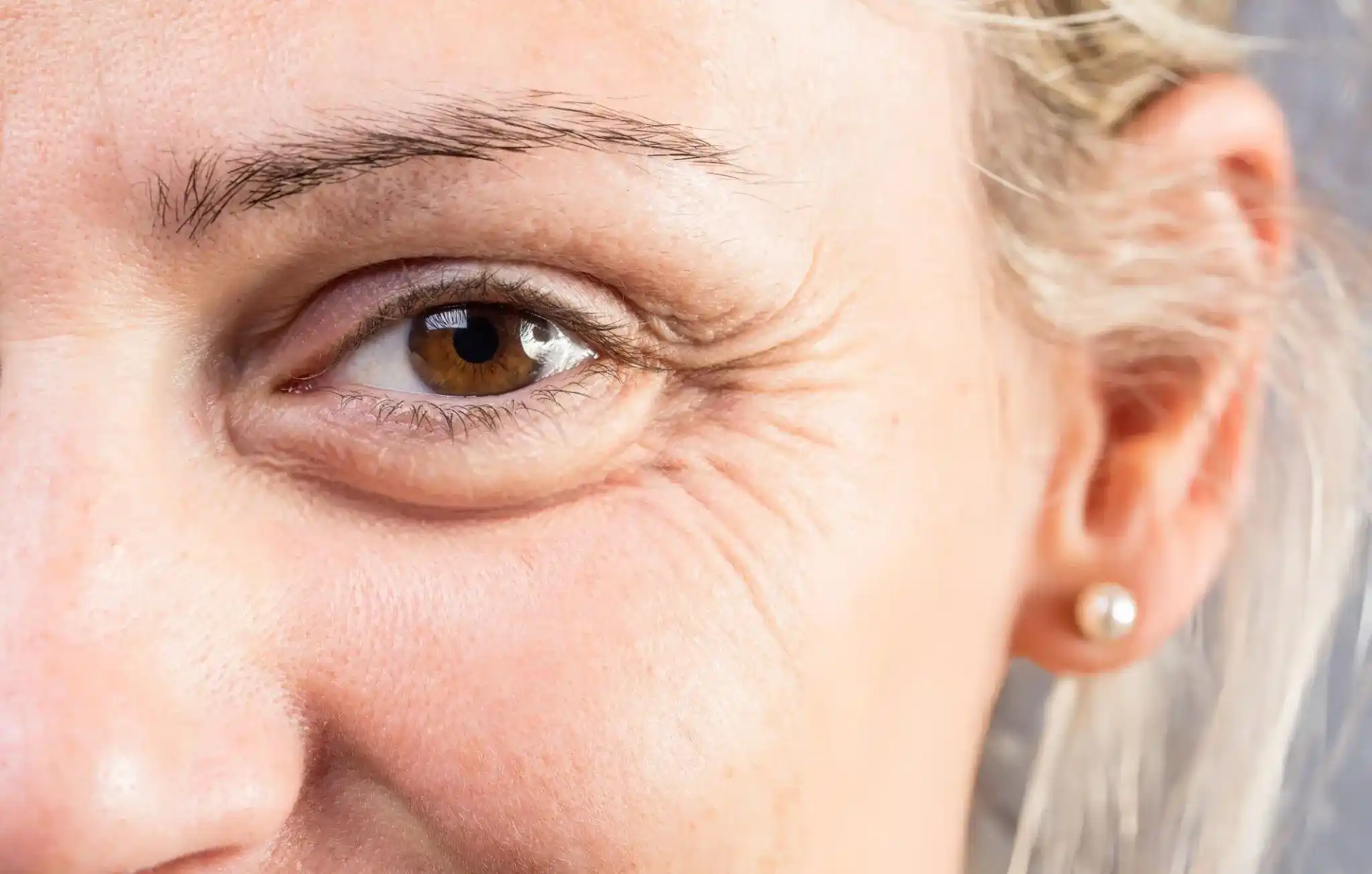
Crepey skin under the eyes describes a fine, crinkled or paper-like texture in the under-eye area. Dryness, sun exposure, naturally thin skin, changes in elasticity and other factors may contribute, and more than one factor can be involved.
The skin under the eyes is thinner than almost anywhere else on the face. It has fewer oil glands, less structural support and is subject to constant movement from blinking, squinting and facial expression. These factors make it particularly vulnerable to early changes in skin quality.
Noticing changes in the skin under your eyes? A skin consultation at Skinduced Aesthetic Clinic in Cameron Park can help assess the concern and discuss suitable treatment options.
Key Takeaways
- Crepey under-eye skin can have several contributing factors, including natural changes in skin structure, UV exposure and dryness.
- Other contributing factors may include repeated movement, irritation, changes in facial support and individual skin characteristics.
- Skincare with targeted ingredients may help improve texture and hydration.
- Different professional treatments address different concerns, and no single option is suitable for everyone.
- Professional treatment is optional, and suitability depends on the specific concern and individual assessment.
What Is Crepey Skin Under the Eyes?
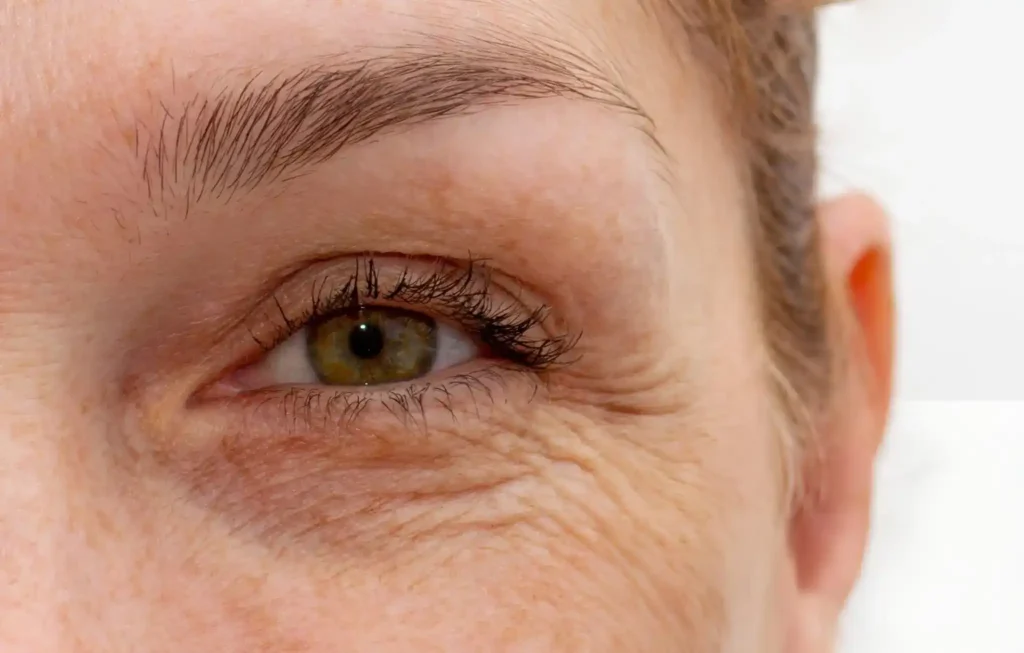
Crepey skin is characterised by a fine, loose, tissue-like texture that looks and feels thin and delicate. Under the eyes, it often appears as a network of fine lines that become more visible when the skin is stretched, in certain lighting or when makeup settles into the creases.
It differs from expression wrinkles, which deepen with facial movement. Crepey skin is a structural change in the skin itself. According to Healthdirect Australia, skin naturally becomes thinner and loses moisture-retaining capacity with age, contributing to fragile, fine-textured skin in delicate areas.
What Causes Crepey Skin Under the Eyes?
Collagen and Elastin Decline
Skin structure naturally changes over time, including changes in collagen and elasticity. These changes can contribute to fine texture or reduced firmness, alongside factors such as UV exposure and dryness.
Collagen contributes to skin structure, while elastin helps the skin respond to movement. Changes in these components can make fine lines and textural changes more noticeable, but they are only part of the wider picture.
UV Exposure and Sun Damage
UV exposure can contribute to photoageing, including changes in skin texture, elasticity and fine lines over time. Because the under-eye area is delicate, appropriate sun protection around the eyes is an important part of ongoing skin care.
Daily broad-spectrum sunscreen, together with other sun-protection measures such as sunglasses and shade, can help limit further UV-related skin damage.
Dehydration and Skin Barrier Disruption
The under-eye area has limited oil gland activity, making it more prone to moisture loss. Dehydrated skin appears more crepey because it lacks the plumpness that hydrated skin provides.
A disrupted skin barrier increases transepidermal water loss, which worsens the appearance of fine, thin skin. Supporting barrier health through gentle skincare is an important part of managing under-eye texture.
Volume Loss and Hollowing
Changes in facial volume and tissue support around the tear trough can create hollowing or shadowing, which may make under-eye texture appear more noticeable. Hollowing is a different concern from crepey skin and may require a different assessment or treatment pathway.
Repeated Movement and Mechanical Stress
Blinking occurs thousands of times per day. Squinting, rubbing and facial expression all contribute to repeated mechanical stress on the delicate under-eye skin. Over time, this repetitive movement contributes to texture changes and fine line formation.
Lifestyle Factors
Smoking, sleep, alcohol intake, nutrition and other lifestyle factors may influence overall skin health and appearance. Their contribution varies between individuals. Addressing general health and lifestyle factors may support overall skin health, but it does not guarantee improvement in crepey under-eye texture.
How to Improve Crepey Skin Under the Eyes – What Can Realistically Help?
There is no single method that can completely remove crepey under-eye skin for everyone. What may help depends on whether dryness, texture, laxity, sun-related changes or another factor is contributing.
If dryness is contributing, gentle moisturising, barrier-supportive skincare and sun protection may help improve hydration and make fine texture less noticeable. Skincare cannot address every cause, particularly where hollowing, significant laxity or another structural concern is involved.
Ingredients Worth Looking For
Retinol and retinoids may support cell turnover and collagen stimulation over time. They should be introduced carefully in the eye area because the skin here is particularly sensitive.
Hyaluronic acid draws water into the skin and may temporarily plump and smooth fine crepey texture.
Active skincare can irritate the eye area in some people. Introduce new products cautiously and stop using a product if persistent irritation develops. Prescription skincare should be used according to advice from an appropriate healthcare professional.
Ceramides and niacinamide support barrier function and moisture retention, helping the skin hold hydration more effectively.
Vitamin C may support collagen synthesis and reduce the impact of oxidative stress from UV and environmental exposure.
Application Tips
- Use a dedicated eye product or apply face products very gently around the orbital bone
- Avoid tugging or pulling when applying or removing products
- Pat rather than rub to avoid mechanical stress
- Apply morning SPF including the under-eye area
If your overall skincare routine is contributing to dryness or sensitivity around the eyes, simplifying it may help reduce further irritation.
Professional Treatment Options for Crepey Under-Eye Skin
Some people may choose to discuss professional treatment for a specific under-eye concern. The appropriate option, if any, depends on what is contributing to the appearance, the treatment area, medical history and individual assessment.
Skin Needling
Skin needling may be considered for selected fine-line or texture concerns. Because the eye area is delicate, whether this area is appropriate for treatment must be confirmed by the practitioner following individual assessment.
RF Microneedling (Vivace and Morpheus8)
RF microneedling combines microneedling with radiofrequency energy. Skinduced offers Morpheus8 and Vivace for selected facial skin concerns, while the current Morpheus8 service specifically includes a periorbital applicator.
Whether RF microneedling is appropriate for an individual under-eye concern depends on the device, anatomy, treatment area, skin characteristics and practitioner assessment.
LED Light Therapy
LED light therapy is a non-invasive light-based option that may be considered for selected skin concerns. Responses vary, and potential irritation, photosensitivity and eye-safety considerations should be discussed before treatment.
PRP for Under-Eye Skin Quality and Texture
PRP (Platelet Rich Plasma) uses a component prepared from the patient’s own blood. It may be considered for selected concerns relating to skin quality or texture following individual assessment.
PRP is not suitable for everyone and does not address every cause of a crepey under-eye appearance. Treatment planning, application and expected response vary between individuals.
Forma Radiofrequency for Mild Under-Eye Laxity
Forma is a non-invasive radiofrequency treatment that may be considered for selected concerns involving mild skin laxity or changes in firmness around the upper or lower eyelid area following assessment.
It does not address every cause of crepey texture, including hollowing or pigmentation. Suitability depends on the person’s skin characteristics, medical history, medications, treatment area and individual goals.
Is Crepey Skin Under the Eyes the Same as Dry Skin or Wrinkles?
Not always. Several under-eye concerns can look similar, and more than one may occur at the same time. Understanding the difference can help guide more appropriate skincare or professional assessment.
| Concern | What you may notice |
| Crepey texture | Fine, closely spaced crinkling or paper-like texture |
| Dry skin | Tightness, roughness, flaking or irritation |
| Fine lines | Individual lines visible at rest or with movement |
| Skin laxity | Looser or less firm-looking skin |
| Eye bags | Puffiness or fullness beneath the eyes |
| Hollowing | A depression or shadow in the tear-trough area |
| Dark circles | Pigmentation, visible vessels, shadowing or a combination |
These concerns do not all have the same cause or treatment pathway. A treatment that may be considered for texture or mild laxity may not address hollowing, pigmentation or eye bags.
When to Consider a Professional Assessment
A professional skin assessment may be helpful if:
- Crepey texture is becoming more noticeable despite consistent skincare
- Under-eye hollowing or volume loss is contributing to the appearance
- You are unsure which treatment approach may be most appropriate
- Skin feels persistently dry, sensitive or is not tolerating current products
- You want professional guidance before deciding whether treatment is appropriate.
Skinduced Aesthetic Clinic in Cameron Park offers skin treatments across a range of under-eye and facial concerns. The clinic supports clients from Newcastle, Lake Macquarie, Wallsend, Edgeworth, Cardiff, Glendale and surrounding Hunter suburbs.
Book a consultation to discuss your under-eye skin concerns and which options may be appropriate for your skin type and goals.
What Should You Know About Risks and Recovery?
Non-surgical does not mean risk-free. Risks and recovery differ between treatments, treatment areas and individuals.
PRP may involve bruising, swelling, redness, tenderness, bleeding, infection or other needle-related effects. Skin needling and RF microneedling can cause temporary redness, swelling, sensitivity or pinpoint bleeding. Forma may cause temporary warmth, redness or swelling, with less common risks including burns, altered sensation or pigmentation changes. LED can cause temporary redness or irritation and requires appropriate eye protection.
Your practitioner should discuss relevant risks, expected recovery, alternatives and individual suitability before treatment.
When Should You See a GP or Other Health Professional?
Crepey texture itself may be a cosmetic concern, but persistent itching, scaling, redness, pain, significant swelling, discharge or sudden changes can have other causes. Vision changes or significant eye symptoms should not be treated as a cosmetic skin concern.
Depending on the symptoms, assessment by a GP, dermatologist, optometrist or another appropriate health professional may be more suitable.
FAQs
Can crepey skin under the eyes be reversed?
Crepey under-eye texture may change in appearance depending on the contributing factors and treatment used, but no treatment can guarantee complete reversal.
What is the best treatment for crepey skin under the eyes?
The more appropriate approach depends on whether the main concern is dryness, texture, mild laxity, hollowing or another factor. Professional options should be considered according to the cause and individual assessment.
Does sunscreen help with crepey skin?
Daily sunscreen is one of the most effective preventive measures. UV exposure accelerates collagen breakdown and is a significant driver of crepey texture over time.
Can dehydration cause crepey under-eye skin?
Yes. Dehydrated skin appears thinner and more textured. Supporting hydration through skincare and barrier repair can help reduce the visibility of fine crepey lines.
Is crepey under-eye skin the same as eye bags?
No. Crepey skin mainly describes fine surface texture, while eye bags usually involve puffiness or structural fullness beneath the eye. They can occur together, but they may have different contributing factors and treatment pathways.
Is eye cream enough to fix crepey under-eye skin?
Eye cream can support hydration and barrier health, but it is unlikely to address significant structural changes on its own. Professional treatment is optional. Some people may choose to discuss professional options if a specific concern persists and they want to understand what may be appropriate.
