Strawberry Legs – Causes, Prevention and Treatment Options
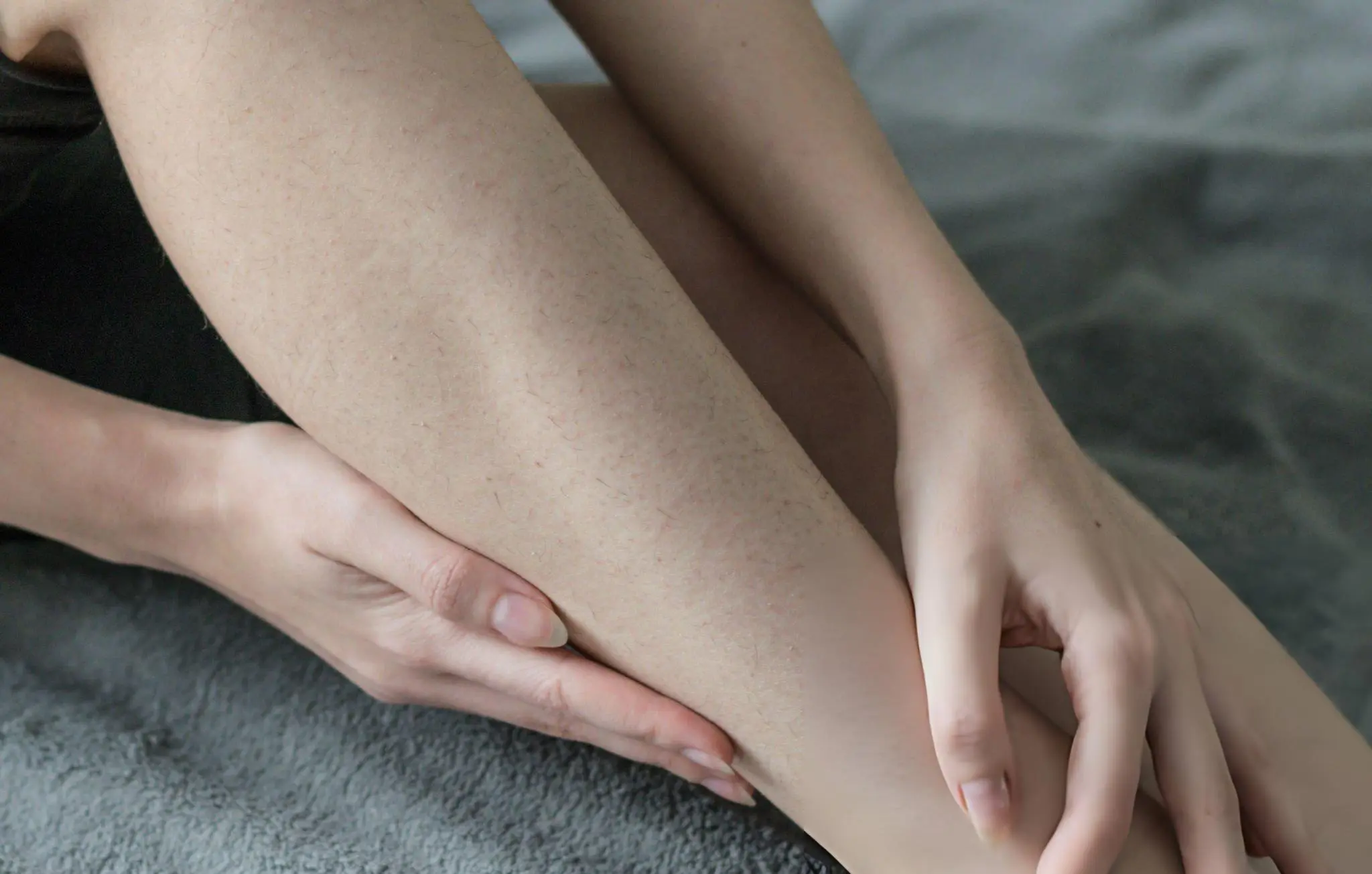
Strawberry legs describes dark, red or brown dots around hair follicles. It is not a medical diagnosis, as several underlying factors can create the same appearance. The dots may become more noticeable after shaving or waxing, when cut hairs remain visible, or when oil, dead skin, irritation or inflammation affects follicle openings.
Because several factors can create the appearance, identifying the cause helps determine whether home care, another hair-removal method or professional assessment may be appropriate.
Unsure what is causing the dark dots on your legs? A skin consultation at Skinduced can review your hair-removal routine, skin sensitivity and visible concerns before professional treatment is considered.
Key Takeaways
- Strawberry legs describes visible follicular dots, not one medical diagnosis.
- Shaving irritation, ingrown hairs, buildup, keratosis pilaris, folliculitis and visible hair may contribute.
- Careful shaving, gentle exfoliation and moisturising may make the dots less noticeable.
- Laser hair removal may be discussed when frequent shaving, visible dark hair or recurring ingrown hairs contribute.
- Painful, infected, spreading or worsening bumps need GP or dermatologist review.
What Are Strawberry Legs?
Strawberry legs appear as dark, red or brown dots on the shins, thighs and calves. The pattern resembles strawberry seeds.
Each dot usually corresponds to a hair follicle or pore. Visible cut hair, oxidised oil, ingrown hairs, dead skin or mild inflammation may create the darker appearance. The Cleveland Clinic describes strawberry legs as a cosmetic concern rather than a disease.
Visibility can vary with skin tone, hair colour and the underlying cause.
What Causes Strawberry Legs?
Several factors may contribute together.
Shaving Irritation and Razor Bumps
A dull razor, dry shaving, shaving against hair growth or pressing too hard can irritate follicles. This may cause dots, bumps or ingrown hairs.
Follicular Buildup
Oil, dead skin, cut hairs or surface buildup may make follicle openings more noticeable. Not every dark follicle is clogged or inflamed.
Keratosis Pilaris
Keratosis pilaris involves keratin buildup inside follicles, creating rough bumps. On the legs, these bumps and surrounding redness may create a strawberry-like appearance.
Folliculitis
Folliculitis is inflammation of hair follicles and may sometimes result from infection. It can cause red, itchy, tender or pus-filled bumps. Persistent, painful or spreading symptoms need GP assessment.
Visible Hair Follicles
Dark or coarse hair can make follicle openings more noticeable. Cut hair, oil or surface buildup may make the dots appear darker after shaving.
How to Prevent Strawberry Legs
Strawberry legs cannot always be prevented because visible follicles, hair colour and keratosis pilaris may contribute. Reducing shaving irritation, ingrown hairs and friction may help.
When shaving:
- Wet the skin and hair first.
- Apply shaving cream or gel.
- Use a clean, sharp razor.
- Shave in the direction of hair growth.
- Avoid pressure and repeated passes.
- Rinse the blade between strokes.
- Moisturise afterwards.
- Do not pick or squeeze bumps.
- Pause shaving if skin is inflamed, painful or broken.
Avoid dry shaving, harsh scrubs and frequent exfoliation on irritated skin.
How to Get Rid of Strawberry Legs at Home
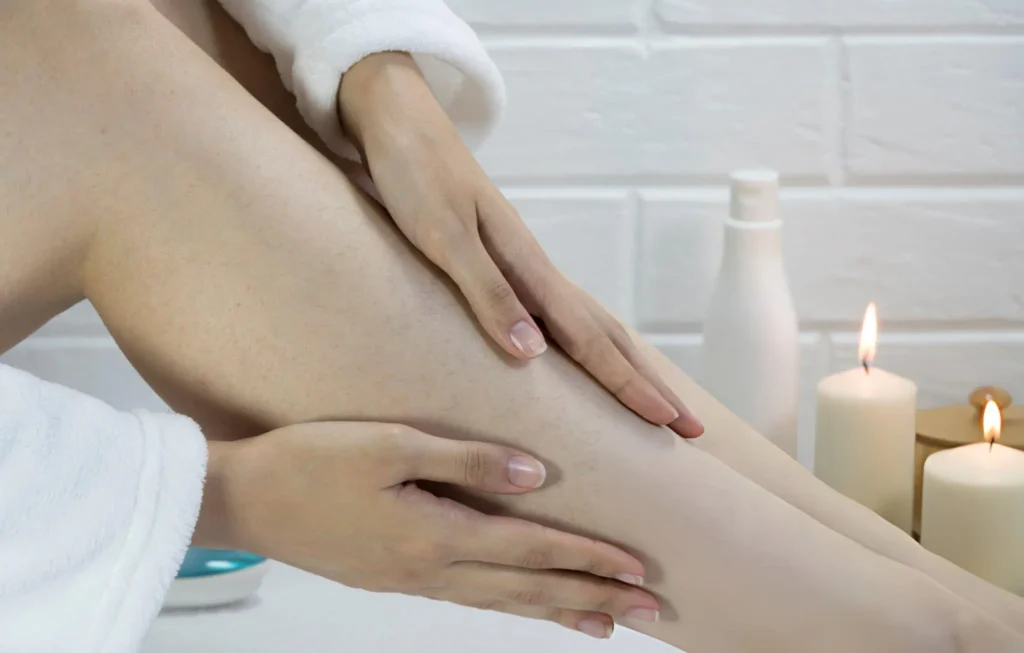
Home care may make strawberry legs less noticeable, depending on the cause.
Exfoliate Gently
Salicylic acid, glycolic acid or lactic acid may support exfoliation when roughness or buildup contributes. Introduce one product at a time, follow directions, and stop if skin becomes red, sore, dry or reactive.
Moisturise Consistently
A barrier-supporting moisturiser may reduce dryness and roughness. Ingredients include ceramides, glycerin, urea and niacinamide. Apply after bathing while skin is slightly damp.
Consider Alternative Hair Removal
If shaving causes irritation or dark dots, consider waxing, depilatory creams or laser hair removal. Each method affects skin differently, so follow directions, patch test where appropriate, and consider hair characteristics and sensitivity.
Use Sunscreen on Exposed Legs
UV exposure may worsen post-inflammatory marks. Apply broad-spectrum sunscreen when legs are exposed, especially when using exfoliating acids.
Professional Treatment Options for Strawberry Legs
Professional treatment is not necessary for every case. If home care has not provided enough improvement, a consultation can review the appearance, hair-removal history, sensitivity and routine.
Medical assessment may be recommended first when the cause is uncertain, or skin appears infected or significantly inflamed.
Laser Hair Removal
Laser hair removal may help when frequent shaving, visible dark hairs or recurring ingrown hairs contribute. Reducing hair growth may reduce regular shaving and related irritation.
It does not address every cause and may not help keratosis pilaris, active folliculitis or all residual pigmentation. Suitability depends on hair colour, skin type and assessment. Multiple sessions are typically needed, and results vary.
The clinic’s guide to laser hair removal cost explains factors that may affect pricing.
Professional Exfoliation
Controlled professional exfoliation may be discussed when rough texture or follicular buildup contributes. Suitability depends on the treatment area, sensitivity, active irritation and formulation.
Professional peels should not be applied to broken, infected or highly inflamed skin. Temporary effects may include redness, dryness, sensitivity, peeling, itching or skin-colour changes.
Strawberry Legs vs Keratosis Pilaris
Strawberry legs describes visible follicular dots that may relate to shaving, buildup or ingrown hairs. Keratosis pilaris is a specific condition involving keratin buildup and small rough bumps.
Both can appear on the legs and may benefit from gentle exfoliation and moisturising, but their underlying factors differ. The clinic’s guide to keratosis pilaris treatment explains that concern further.
What Causes Dark Marks After Shaving?
Flat brown, grey or darker marks may remain after razor irritation, shaving bumps, ingrown hairs or follicular inflammation settles. This is sometimes called post-inflammatory pigmentation.
Not every dark follicular dot is pigmentation. Visible cut hair, buildup or active inflammation can look similar. Repeated irritation or ingrown hairs should be managed before pigmentation-focused treatment.
If flat marks remain after irritation resolves, a practitioner may assess whether pigmentation treatment is appropriate. Suitability depends on pigmentation type, skin tone, treatment area and assessment.
When Should You See a Doctor?
Similar-looking bumps may involve folliculitis or another condition requiring medical assessment. See a GP or dermatologist if:
- Dots are painful, swollen or infected.
- Bumps spread or produce pus.
- The appearance worsens despite home care.
- The cause is uncertain.
- Marks or scarring develop.
A medical professional can assess whether folliculitis, dermatitis or another condition needs specific treatment.
Strawberry Legs Treatment in Newcastle
Skinduced Aesthetic Clinic in Cameron Park can review persistent follicular dots, shaving irritation, recurring ingrown hairs, hair-removal routines and treatment goals.
Depending on the likely contributing factors and individual assessment, a practitioner may discuss whether laser hair removal or an appropriate exfoliation-focused option is suitable.
Discuss your treatment options: Book a consultation for information about suitability, risks, session requirements, costs and aftercare.
FAQs
Can strawberry legs go away completely?
The appearance may become less noticeable when the cause is identified and managed. Recurrence remains possible when hair growth, shaving irritation, keratosis pilaris or follicular inflammation continues.
Does laser hair removal help strawberry legs?
It may help when visible hair, frequent shaving or recurring ingrown hairs contribute. Reducing hair growth may reduce shaving, but it will not address every cause.
Is shaving the main cause?
Shaving is common, but buildup, keratosis pilaris, folliculitis, ingrown hairs and visible follicles may also contribute.
What Type of Exfoliant May Help?
Salicylic acid, lactic acid and glycolic acid are commonly used for rough or congested skin. Suitability and frequency depend on the product, area and sensitivity.
Are strawberry legs the same as ingrown hairs?
No. Ingrown hairs may contribute, but buildup, keratosis pilaris, folliculitis and visible cut hair can create a similar appearance.
Can moisturiser help?
Consistent moisturising supports hydration and may reduce roughness. Ceramides, glycerin, urea and niacinamide are among the ingredients discussed.
This information is general only and does not replace personalised skin or medical advice. Treatment suitability and outcomes vary. A GP, dermatologist or qualified skin professional should assess painful, infected, worsening or uncertain concerns.
