
Keratosis Pilaris Treatment – Managing Chicken Skin in Winter
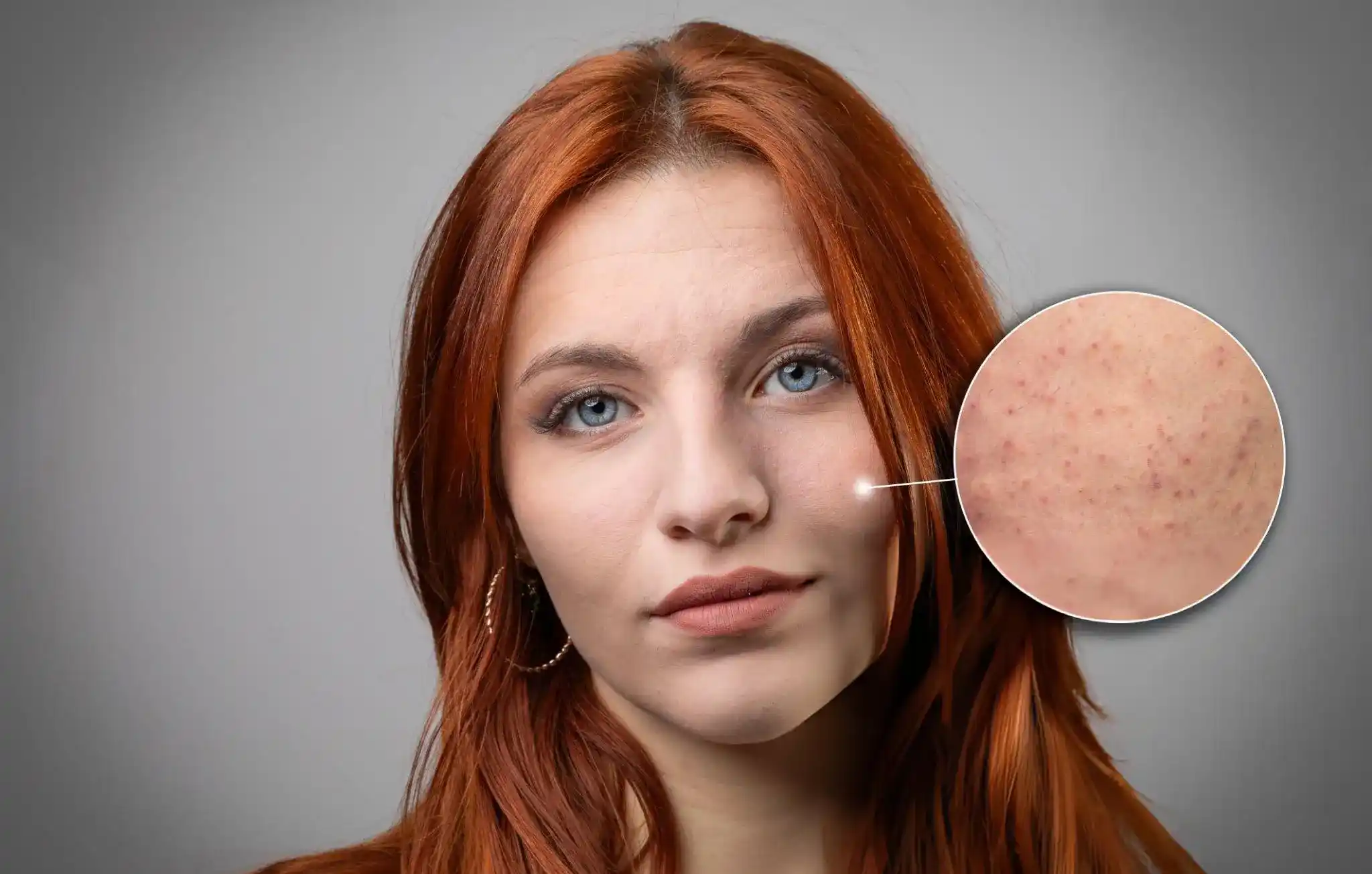
Small, rough bumps on the upper arms, thighs, buttocks or cheeks may become more noticeable during winter. These bumps are often keratosis pilaris, sometimes called chicken skin. They are usually harmless but can feel rough, look red or skin-coloured, and become more noticeable when the skin is dry.
Keratosis pilaris often requires ongoing management. Its appearance may improve with consistent skincare, although the bumps can return or become more noticeable when the skin is dry.
Concerned about persistent rough or bumpy skin? A skin consultation at Skinduced Aesthetic Clinic can review your skin’s surface condition, sensitivity and current routine before any professional treatment is considered.
Key Takeaways
- Keratosis pilaris is a common, usually harmless condition caused by keratin buildup inside hair follicles.
- It commonly appears on the upper arms, thighs, buttocks and cheeks.
- Winter dryness and indoor heating can make it more visible and feel rougher.
- Consistent moisturising and gentle exfoliation are the main management strategies at home.
- Professional skin treatments may be discussed for persistent or more noticeable cases.
- Keratosis pilaris often requires ongoing management rather than a one-time cure.
What Is Keratosis Pilaris?
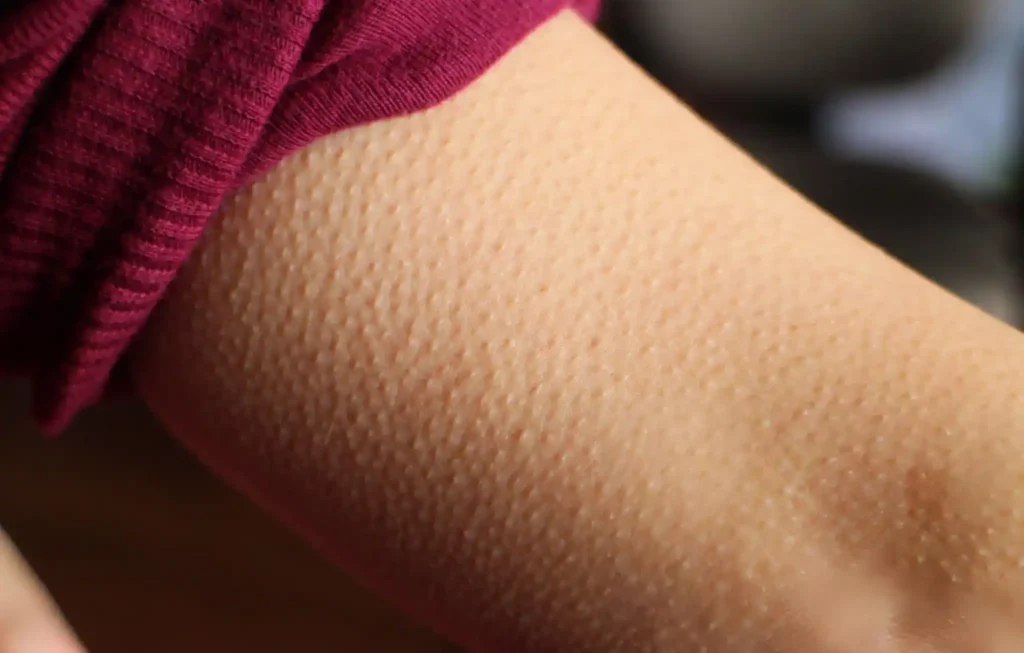
Keratosis pilaris is a common skin condition where keratin, the protein that makes up the outer layer of skin, builds up inside hair follicles. This buildup creates small, rough bumps that may appear red, white, or skin-coloured depending on skin tone.
It most commonly appears on the outer upper arms, thighs, buttocks and cheeks. The skin around the bumps can feel rough or sandpaper-like. It is not contagious and is not caused by poor hygiene. The Cleveland Clinic notes that keratosis pilaris is common in both teenagers and adults.
Why Does Keratosis Pilaris Get Worse in Winter?
Cold weather, low humidity and indoor heating can increase skin dryness. Long hot showers and harsh cleansers may also remove natural oils and make rough texture more noticeable. When the skin becomes dry, keratin buildup inside hair follicles becomes more prominent, and the rough texture becomes more noticeable.
Winter in NSW and the Hunter Region often brings cooler temperatures and dry indoor air that can make keratosis pilaris harder to manage. People who already have dry or sensitive skin may notice that the texture and redness become more noticeable during winter. Supporting skin hydration is the most practical starting point.
What Causes Keratosis Pilaris?
Keratosis pilaris occurs when keratin builds up and blocks hair follicles. The exact reason this happens in some people and not others is not fully understood, but several factors are known to contribute.
Common contributing factors include:
- Genetics and family tendency
- Dry skin
- Atopic dermatitis or other dry-skin conditions
- Seasonal dryness
- Age and life-stage factors
People with a family history of eczema or dry skin conditions are more likely to develop keratosis pilaris. It tends to improve with age in many people, but not always.
How to Treat Keratosis Pilaris at Home
A consistent home-care routine may help reduce dryness and make rough texture less noticeable. The best approach depends on skin sensitivity, the affected area and whether the bumps have been appropriately identified.
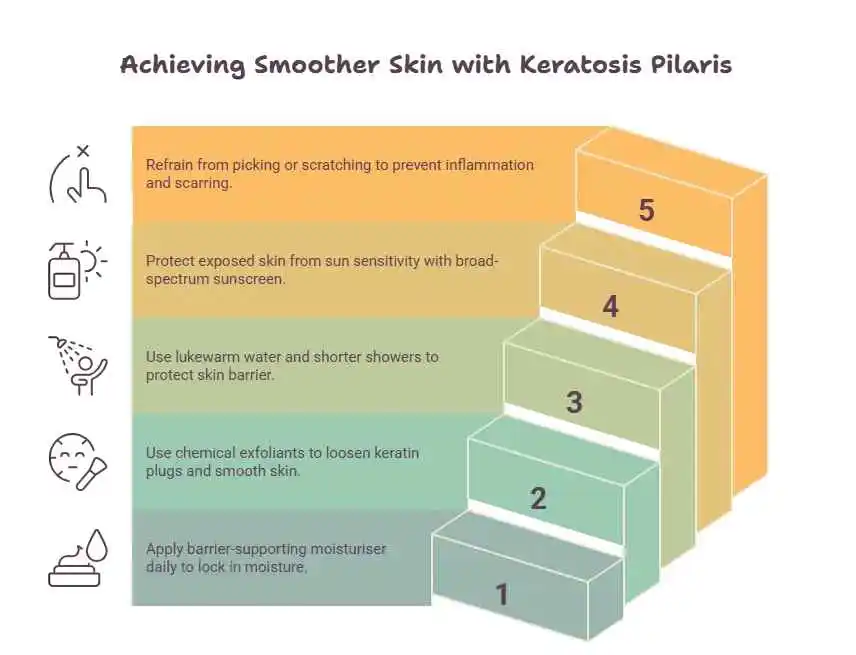
Step 1: Moisturise Consistently
Applying a barrier-supporting moisturiser daily is the most important step. Look for ingredients such as ceramides, glycerin, urea, shea butter and dimethicone. Urea-containing moisturisers may help soften rough keratin buildup while supporting hydration. Follow the product directions and consider your skin sensitivity and the treatment area. Apply immediately after bathing while skin is still slightly damp to lock in moisture.
Step 2: Exfoliate Gently
Gentle chemical exfoliation can help loosen the keratin plugs and smooth the skin surface over time. Ingredients commonly used for rough or dry skin include lactic acid, glycolic acid, salicylic acid and urea. Avoid harsh or aggressive scrubbing, which may irritate the skin and make redness more noticeable. Introduce one exfoliating product at a time and follow its directions. Reduce or stop use if the skin becomes increasingly red, sore, dry or reactive.
Step 3: Avoid Hot Water and Over-Washing
Long hot showers and harsh cleansers strip the skin barrier and increase dryness. Use lukewarm water, cleanse gently and keep shower time shorter during winter months. Pat the skin dry rather than rubbing, and moisturise straight after.
Step 4: Use Sunscreen on Exposed Areas
Use broad-spectrum sunscreen on exposed areas, particularly when using exfoliating ingredients that may increase sensitivity to sunlight. Follow the sunscreen directions and reapply when required.
Step 5: Avoid Picking or Scratching
Picking at the bumps can cause inflammation, skin damage and scarring. Scratching can also introduce bacteria into open follicles. Consistent moisturising and gentle exfoliation are a more appropriate long-term approach.
Ingredients Commonly Used to Manage Rough, Bumpy Skin
Ingredients that support hydration or gentle exfoliation may help make rough texture less noticeable. Suitability depends on the product, concentration, body area and individual skin sensitivity.
Urea-containing moisturisers may help soften rough keratin buildup while supporting hydration. The appropriate concentration depends on the product, body area and skin sensitivity, so follow product directions or seek professional advice.
Lactic acid gently exfoliates and also hydrates. It may support gentle surface exfoliation and hydration, depending on the formulation and skin sensitivity.
Glycolic acid is an alpha-hydroxy acid that exfoliates the skin surface. Suitability depends on the product strength, body area and skin sensitivity.
Salicylic acid is a keratolytic ingredient that may help loosen thickened or adherent surface scale. It may irritate sensitive or inflamed skin, so introduce it carefully and follow product directions.
Ceramides and glycerin support barrier function and hydration, which is essential for managing winter dryness alongside keratosis pilaris. If your skin barrier has been compromised by over-exfoliation or harsh products, if exfoliating products cause ongoing stinging, tightness or redness, pause active products and consider whether you may be dealing with a damaged skin barrier before adding further treatment.
Can Professional Treatments Help Manage Rough Skin Texture?
Professional treatments do not cure keratosis pilaris. For appropriately assessed skin, selected exfoliation-focused services may be discussed to support the appearance of rough surface texture. Suitability depends on the treatment area, skin sensitivity, active irritation and the specific service available.
Professional Peels
Professional peels provide controlled exfoliation and may be discussed where rough surface texture remains a concern. Suitability depends on the treatment area, skin sensitivity, active irritation, recent sun exposure and the peel formulation used.
Outcomes vary, and treatment may not be suitable for irritated or inflamed skin. Temporary effects may include redness, dryness, sensitivity, flaking, itching or temporary or longer-lasting changes in skin colour.
SkinInduced’s Dermal Peels may be discussed after assessment where controlled exfoliation is appropriate for the skin and treatment area.
Skin Consultation
A skin consultation can review surface texture, dryness, sensitivity, current skincare and treatment goals. It can help determine whether an available exfoliation-focused service may be appropriate.
If the bumps are painful, inflamed, spreading, infected or difficult to identify, assessment by a GP or dermatologist may be recommended before cosmetic treatment is considered.
When Should You See a Doctor?
Keratosis pilaris is usually harmless and managed through skincare. However, a GP or dermatologist review is recommended if:
- The bumps are spreading rapidly or appearing in unusual areas
- You experience significant inflammation, pain or infection
- The skin is not responding to several months of consistent home care
- You are unsure whether the bumps are keratosis pilaris or another condition
- Redness or irritation is causing significant distress
A GP or dermatologist can assess the condition and discuss whether prescription treatment or another management approach may be appropriate.
What Results Can You Realistically Expect?
Keratosis pilaris may become less noticeable with consistent moisturising, careful exfoliation and appropriate professional guidance. Improvement is usually gradual, and the bumps may return or become more visible when the skin becomes dry.
Professional treatments may support the appearance of rough surface texture, but they cannot guarantee completely smooth skin or prevent every future flare-up. Results, treatment frequency and aftercare vary between individuals.
Managing Rough, Bumpy Skin in Newcastle
If rough, bumpy skin remains a concern despite gentle home care, Skinduced Aesthetic Clinic in Cameron Park can review your skin’s surface condition, sensitivity and current routine.
During a skin consultation, a practitioner can discuss whether a professional peel or another available exfoliation-focused service may be suitable. Medical assessment may be recommended when the condition is uncertain, inflamed or causing significant symptoms.
Discuss your skin concerns with Skinduced: Book a consultation to receive individual information about treatment suitability, possible risks, expected response, costs and aftercare.
FAQs
Can keratosis pilaris be cured?
Keratosis pilaris often requires ongoing management. Its appearance may improve with consistent moisturising and careful exfoliation, but the bumps can return or become more noticeable when the skin is dry.
Does keratosis pilaris get worse in winter?
Yes. Cold air, low humidity, indoor heating and hot showers all dry the skin and can make the rough texture and redness more noticeable during winter months.
What Type of Moisturiser May Help Keratosis Pilaris?
Moisturisers containing ingredients such as urea, ceramides, glycerin or lactic acid may be helpful for some people. The suitable formulation depends on the body area, product directions and skin sensitivity.
Can I exfoliate keratosis pilaris every day?
Daily exfoliation may irritate some skin, particularly during winter or when the area is already red or sensitive. Follow the product directions, introduce one exfoliant at a time and reduce use if irritation develops.
At what age does keratosis pilaris go away?
Keratosis pilaris often improves naturally in adulthood, but not for everyone. Some people continue to manage it throughout their adult life.
Is keratosis pilaris the same as acne?
No. Keratosis pilaris is caused by keratin buildup inside hair follicles. Acne involves oil, bacteria and inflammation. They can look similar, and a professional assessment can help distinguish between them.
Does keratosis pilaris cause scarring?
Keratosis pilaris itself does not typically cause scarring, but repeated picking, scratching or squeezing the bumps can lead to skin damage, hyperpigmentation or scarring over time.
