
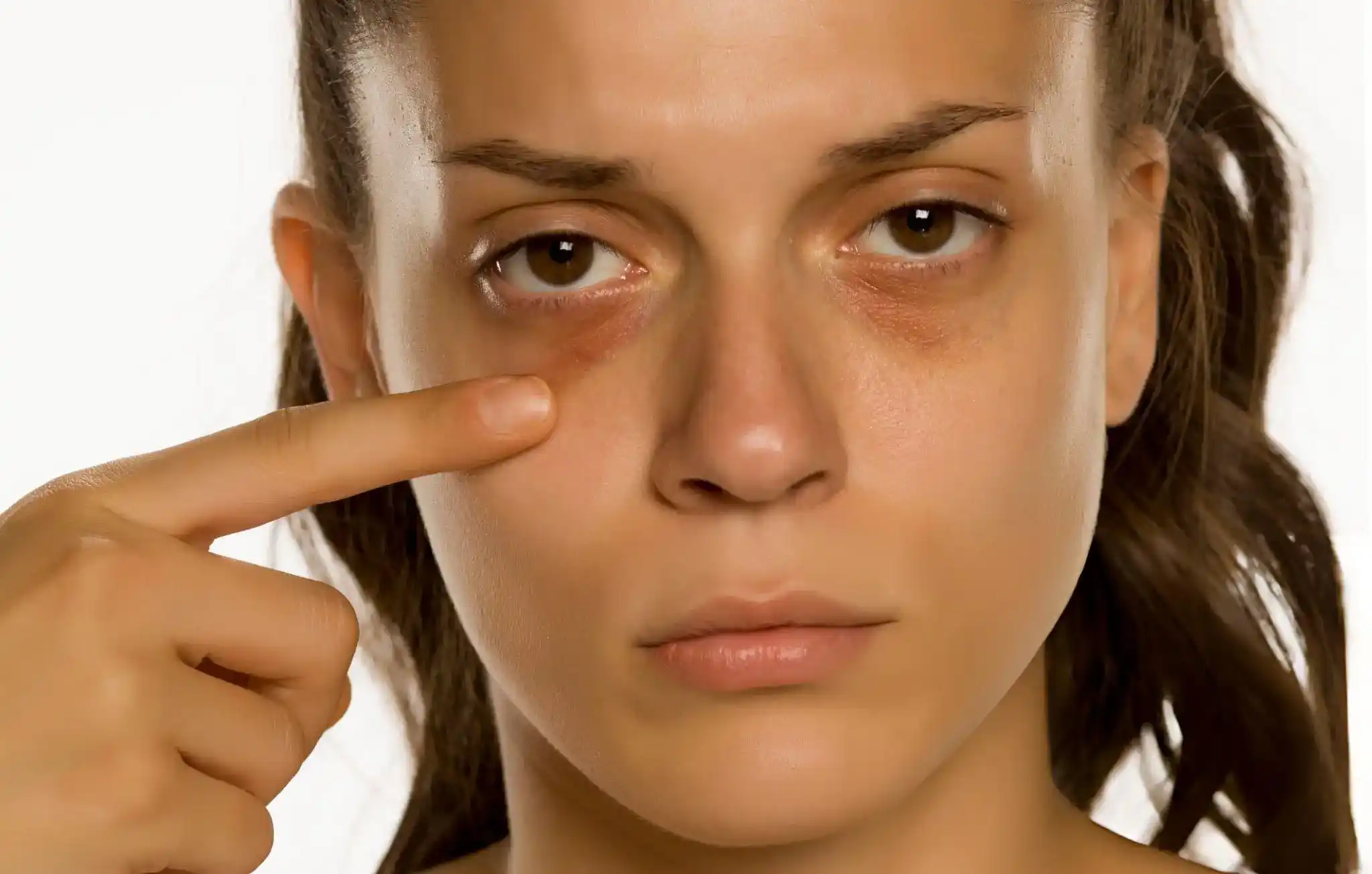
How to Get Rid of Dark Circles
Dark circles are one of the most common under-eye concerns adults ask about. Some are linked to sleep, dehydration, or lifestyle habits. Others are caused by pigmentation, thin skin, genetics, visible blood vessels, hollowing, or ageing changes around the eye area.
Getting rid of dark circles starts with understanding what is causing them. Not every type of under-eye darkness responds to the same approach. This article covers home care, skincare ingredients, professional treatment options, and when to book an assessment.
What Causes Dark Circles Under the Eyes?
Dark circles develop for more reasons than most people realise. The under-eye area has some of the thinnest skin on the face, which makes it particularly sensitive to changes in pigmentation, volume, hydration, and circulation.
Common contributing factors include:
- Genetics and natural under-eye structure
- Thin under-eye skin allows blood vessels to show through
- Pigmentation or excess melanin in the periorbital area
- Sun exposure and UV-driven skin discolouration
- Lack of sleep or chronic fatigue
- Dehydration and poor fluid intake
- Allergies or nasal congestion causing under-eye congestion
- Habitual eye rubbing is causing inflammation
- Ageing-related volume changes and tear trough hollowing
- Facial structural shadows created by bone and fat pad changes
One clinical point most patients are not told: under-eye shadows caused by tear trough hollowing are often mistaken for pigmentation. Brightening eye creams will not address structural shadows because the darkness is created by depth and light, not by melanin.
Types of Dark Circles – Pigmentation, Hollowing, Thin Skin and Shadows
Dark circles are not all the same. Identifying the type helps determine which approach may be most useful.
Pigmentation-Based Dark Circles
Pigmentation-based dark circles appear as a brown or grey-brown tone beneath the eyes. They are more common in people with medium to darker skin tones, who may be more prone to hyperpigmentation changes in the periorbital area. Sun exposure, post-inflammatory pigmentation, and melanin accumulation can all contribute.
Shadow-Based or Hollow Dark Circles
Shadow-based dark circles develop when tear trough hollowing creates a groove beneath the lower eyelid. Facial volume changes and ageing-related fat pad shifts cause a shadow effect. The skin itself may not be discoloured, but the structural depth creates the appearance of darkness.
Vascular or Thin-Skin Dark Circles
When under-eye skin is very thin, the bluish or purplish colour of blood vessels beneath can show through. This is often genetic and becomes more noticeable with ageing as collagen support reduces and skin becomes increasingly fine and translucent. Collagen-stimulating options such as RF skin tightening may be discussed where skin laxity around the eye area is contributing to the appearance.
How to Get Rid of Dark Circles at Home
Home care can support some under-eye concerns, particularly those linked to lifestyle, dehydration, mild puffiness, and surface pigmentation. Results depend on the underlying cause.
Practical steps that may help include:
- Maintaining a consistent sleep routine
- Drinking adequate water throughout the day
- Avoid rubbing or pulling the skin around the eyes
- Managing seasonal allergies where relevant
- Applying broad-spectrum sunscreen daily to prevent UV-driven pigmentation
- Using a gentle, non-irritating skincare routine around the eye area
- Applying a cold compress briefly to reduce puffiness in the morning
- Reducing alcohol and sodium intake, which can contribute to fluid retention
Home care may help some dark circles, but it may not fully address pigmentation, hollowing, or genetic causes. If the underlying cause is structural or pigment-driven, lifestyle changes alone are unlikely to produce a significant visible difference.
How Do I Remove Dark Circles Safely?
Dark circle removal depends on the cause. The safest first step is to identify whether the concern is linked to pigmentation, thin skin, hollowing, lifestyle factors, or irritation.
Some dark circles may improve with skincare and lifestyle changes, while others need professional assessment. Avoid strong actives close to the eyes without guidance, as retinoids, exfoliating acids, and harsh brightening products can irritate the delicate under-eye skin.
Best Skincare Ingredients for Dark Circles
Skincare may support dark circles linked to pigmentation, dullness, dryness, fine lines, or poor skin quality. It is less likely to correct hollow-based shadows or deeper structural causes.
Ingredients worth considering include:
- Vitamin C: may support brightness and uneven skin tone
- Niacinamide: supports the skin barrier and may help with uneven pigmentation
- Hyaluronic acid: supports hydration and surface plumpness
- Peptides: may support skin quality and firmness over time
- Caffeine: may temporarily reduce the appearance of puffiness
- Retinol or retinal: may support texture, but should be used carefully near the eyes
- Broad-spectrum sunscreen: helps reduce UV-driven pigmentation changes
At Skinduced, eye-specific products such as Cosmedix Eye Genius, Aspect Dr Eyelift Cream, Cosmedix Opti Crystal Eye Serum, and Societe Eye Gel Peptide Mask may be discussed during consultation, depending on your skin type, sensitivity, and under-eye concern.
Why Dark Circles May Not Improve With Sleep Alone
Sleep can help when dark circles are linked to fatigue or fluid retention. However, if you sleep well and still notice under-eye darkness, the cause may be pigmentation, thin skin, hollowing, genetics, or visible blood vessels.
Pigmentation, structural shadows, and natural under-eye anatomy usually need a different approach. Understanding the cause first helps avoid spending time on skincare or habits that may not address the real issue.
Professional Treatment Options for Dark Circles
Professional treatment for dark circles depends on what is causing the concern. A consultation can help identify whether under-eye darkness is linked to pigmentation, thin skin, hollowing, skin quality, or a combination of factors.
Dark circles often have more than one cause. For example, mild tear-trough hollowing and early pigmentation can make the under-eye area appear more noticeable together.
Depending on the assessment, options may include:
- Medical-grade skincare for pigmentation, dryness, or dullness
- Hydration-focused treatments to support skin quality
- Pigmentation assessment for under-eye discolouration
- PRP for skin, where suitable (see our PRP cost and sessions guide for pricing details)
- Skin rejuvenation for texture or skin quality concerns
- Laser pigmentation treatment, if pigmentation is contributing
At Skinduced Aesthetics Clinic, your clinician can assess the under-eye area and discuss suitable options based on your skin type, concern, and treatment goals. Not every option suits every type of dark circle, so suitability is always confirmed during consultation.
When Should You Book a Skin Consultation for Dark Circles?
A professional assessment may be the right next step in several situations.
Consider booking a consultation if:
- Dark circles do not improve with sleep, hydration, or skincare changes
- Under-eye darkness is becoming more noticeable over time
- Puffiness, pigmentation, or irritation is present alongside darkness
- You are unsure whether the cause is pigment, hollowing, or skin quality
- You want realistic, personalised advice before considering any treatment
- Products have caused stinging, redness, or worsening around the eye area
If your dark circles do not improve with sleep, skincare, or simple home care, booking a consultation at Skinduced Aesthetics Clinic in Cameron Park can help identify what may be contributing and guide suitable next steps for your under-eye concerns.
What to Avoid When Trying to Treat Dark Circles
Some common approaches can irritate the under-eye area rather than help it. This skin is thin, sensitive, and easily affected by harsh ingredients or too many active products.
Avoid the following:
- Harsh scrubs or physical exfoliants near the eyes
- Strong retinol is applied too close to the lash line without guidance
- Lemon juice or DIY citrus remedies that may irritate the skin
- Rubbing or pulling the skin when removing makeup
- Skipping daily sunscreen, especially during high-UV months in NSW
- Using too many brightening or active products at once
- Expecting eye creams to correct hollow-based shadows
- Choosing treatment without assessing the cause first
UV exposure can contribute to under-eye pigmentation, especially for people across Newcastle, Charlestown, Cardiff, and Glendale who spend time outdoors. Daily SPF used carefully around the eye area is one of the simplest ways to support pigmentation prevention.
Simple Dark Circle Care Checklist
Use this as a practical starting point:
- Identify whether the concern looks more like pigment, shadow, puffiness, or thin skin
- Improve sleep consistency and hydration where relevant
- Apply broad-spectrum sunscreen daily
- Avoid rubbing or pulling the skin around the eyes
- Use a gentle under-eye skincare routine
- Consider ingredients such as vitamin C, niacinamide, peptides, caffeine, and hyaluronic acid
- Book a professional assessment if dark circles persist despite home care
FAQs
How do I remove dark circles safely?
Identify the cause first. Use gentle skincare, daily sunscreen, and adequate hydration. Seek professional advice for persistent or worsening under-eye darkness that does not respond to home care.
What causes dark circles under the eyes?
Dark circles can be caused by genetics, ageing, thin skin, pigmentation, sun exposure, allergies, dehydration, sleep, eye rubbing, hollowing, and visible blood vessels. Often, more than one factor contributes at the same time.
Can skincare get rid of dark circles?
Skincare may support improvement when dryness, surface pigmentation, dullness, or skin quality is contributing. It is less likely to correct hollow-based or structural shadows. A consultation can help clarify what skincare may realistically address.
Why do I have dark circles even when I sleep well?
Sleep is only one factor. Pigmentation, genetics, thin skin, visible blood vessels, or tear-trough hollowing may be contributing. These causes do not respond to rest alone and may need a different approach.
Are dark circles caused by pigmentation or hollowing?
They can be caused by either or by a combination of both. A professional assessment can help identify what is actually contributing before any treatment is considered.
Can dark circles be permanently removed?
Some causes may improve significantly with the right approach, but results vary between individuals. Maintenance may be needed over time, depending on the contributing factors. No outcome can be guaranteed.
When should I consider professional treatment for dark circles?
Consider professional treatment if dark circles persist despite home care, are worsening, are linked to noticeable pigmentation or skin changes, or if you are unsure what is causing the concern and want personalised guidance.
Final Thoughts:
Getting rid of dark circles starts with understanding the cause. Sleep, hydration, skincare, and sunscreen may help some people, but pigmentation, hollowing, genetics, or thin under-eye skin may need a more personalised approach.
If your dark circles do not improve with home care, a professional consultation at Skinduced Aesthetics Clinic can help assess what may be contributing and discuss suitable next steps based on your skin type, under-eye structure, and goals.
