
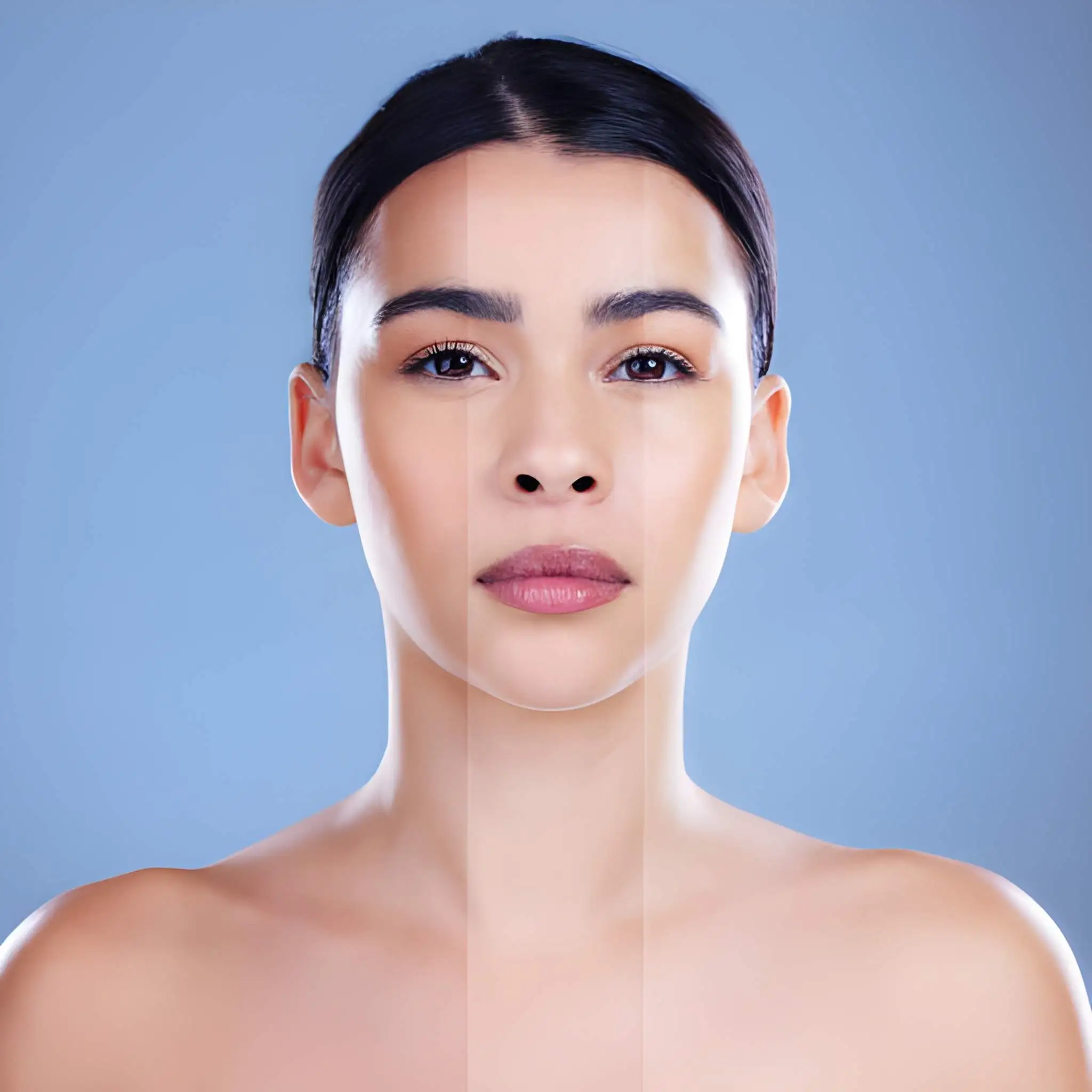
What Is Uneven Skin Tone – Causes and Common Pigmentation Management Treatments
Uneven skin tone is a common concern across Australia, showing up as dark patches, sunspots, redness, or dull areas. It happens when melanin builds up unevenly, often due to strong UV exposure in places like Newcastle and Lake Macquarie. Ageing, hormones, and acne can make these patches more noticeable.
With consistent skincare and, where clinically appropriate, professional treatments, some people notice improvements in pigmentation and overall skin tone. Outcomes vary depending on skin type, pigmentation depth, and sun exposure, and complete clearance cannot be guaranteed.
All pigmentation removal treatments at Skinduced are doctor-led and use TGA-approved devices selected based on individual skin assessment. You can book a personalised plan at our Cameron Park clinic.
What Is Uneven Skin Tone?
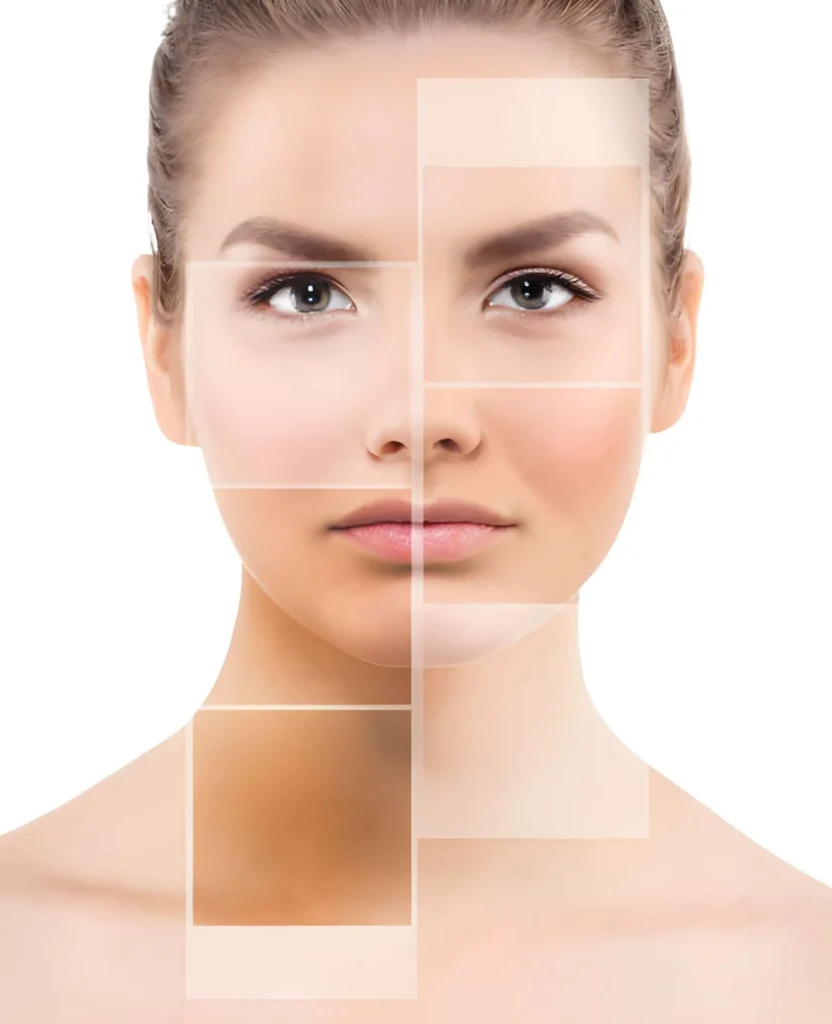
Uneven skin tone simply means your complexion does not look uniform. Some areas appear darker, while others look lighter or duller. You may notice:
- Brown patches
- Sunspots or age spots
- Redness or blotchiness
- Acne marks
- A tired or grey appearance
This occurs when melanocytes, the cells that produce melanin, become overactive in certain spots. Sun damage, hormones, inflammation, or genetic factors can trigger this overactivity.
There are several forms of pigmentation:
- Hyperpigmentation: general dark patches caused by excess melanin
- Post-inflammatory hyperpigmentation (PIH): marks left behind after acne or skin injury
- Melasma: hormone-triggered pigmentation across the cheeks, forehead, and upper lip
- Sunspots and age spots: small brown marks from years of UV exposure
Ensure the tone remains educational and does not unnecessarily increase anxiety about skin appearance.
Common Signs of Uneven Skin Tone
Dark patches or brown spots
These usually appear on sun-exposed areas like the cheeks, forehead, and nose. Some patches appear light brown, while others look darker or even greyish. Melasma commonly creates symmetrical patches on both sides of the face.
Sunspots and age spots
These are flat brown marks caused by long-term sun exposure. They appear on the face, hands, chest, and shoulders and tend to increase with age.
Blotchy or red areas
Uneven redness often appears around the nose, cheeks, and chin. Heat, inflammation, or broken capillaries can contribute to this.
Dull or grey-looking skin
Dead skin cells, dehydration, or slow cell turnover make skin appear tired and uneven.
Acne marks
PIH is extremely common and can last for months without treatment. These marks appear after inflammation and are darker in people with deeper skin tones.
What Causes Uneven Skin Tone?
Sun Damage and UV Exposure
- Sun exposure is a common cause of uneven skin tone, as UV rays trigger excess melanin and create dark patches.
- The UV index in Newcastle and Lake Macquarie remains high most of the year, and even cloudy days still expose your skin to UV.
- Early sun exposure during childhood and outdoor activities often leads to pigmentation appearing later in life.
Melanin Overproduction
Melanin gives your skin its colour. When melanocytes produce too much melanin in certain areas, dark patches form. This can happen due to:
- Sun exposure triggers defence mechanisms
- Inflammation from acne or injury
- Hormonal fluctuations
- Genetic predisposition
Ageing and Slower Cell Turnover
As you age, your skin’s cell turnover slows down, causing dead skin cells to sit on the surface longer and make your complexion look dull and uneven. Collagen levels also drop, which thins the skin and makes pigmentation more visible. These changes, along with years of sun exposure, lead to age spots, fine lines, and a more aged appearance.
Hormonal Changes (Melasma)
- Hormonal changes during pregnancy, menopause, or birth control can trigger melasma, causing stubborn brown patches on the cheeks, forehead, and upper lip.
- Melasma is difficult to treat because hormones keep stimulating pigment, and it often gets darker with heat and sun exposure.
- Some pregnancy-related pigmentation fades after childbirth, but many women still have patches that need treatment.
Acne Scarring and Inflammation
Acne often leaves dark marks because inflammation triggers extra melanin in the healing area, and picking makes these spots even darker. These marks fade slowly and can last months, especially for darker skin types, and any skin injury, like eczema, cuts, or burns, can cause the same pigmentation.
Lifestyle Factors
Several lifestyle factors contribute to uneven skin tone:
- Dehydration: Makes skin look dull and emphasises uneven areas
- Smoking: Reduces blood flow, creating a grey, tired appearance
- Stress: Increases inflammation throughout your body, including your skin
- Poor sleep: Your skin repairs itself while you sleep, so lack of rest affects healing
- Heat exposure: Saunas, hot showers, or working in hot environments can trigger melasma
If you are considering professional options, a skin assessment can help determine suitability based on your skin type and pigmentation depth.
Also Read : https://skinduced.com.au/laser-treatment-for-pigmentation-in-australia/
How to Fix Uneven Skin Tone at Home
Vitamin C for Brightening
Vitamin C is a powerful antioxidant that brightens skin and fades dark spots. It blocks melanin production and protects against sun damage.
How to use it:
- Apply vitamin C serum every morning before sunscreen
- Look for products with ascorbic acid or stable vitamin C derivatives
- Start with a 10% concentration and increase gradually if tolerated, based on how your skin responds
- Store your serum in a cool, dark place to prevent oxidation
Changes may be noticed over several weeks with consistent use of consistent use. The timeframe for noticing changes in skin appearance varies between individuals and depends on consistent use and individual skin response.
Niacinamide for Reducing Dark Spots
Niacinamide (vitamin B3) helps fade dark patches by reducing melanin transfer and evening out your skin tone. It also strengthens the skin barrier and reduces inflammation.
Many people can use a 5–10% serum morning or night, and it works well with vitamin C and retinol. This gentle ingredient suits sensitive skin and also helps improve pores, fine lines, and redness.
Retinol for Faster Cell Turnover
Retinol speeds up cell turnover, removing dead skin cells from the surface. This reveals brighter, fresher skin underneath. Ensure this claim is supported by high-quality evidence or framed as a potential benefit that varies by individual.
Tips for using retinol:
- Start with a 0.25–0.5% concentration, 2–3 times per week
- Gradually increase to nightly use as your skin adjusts
- Always wear SPF during the day because retinol increases sun sensitivity
- Use a hydrating moisturiser to reduce dryness and peeling
Glycolic Acid or AHA Exfoliation
Glycolic acid and other AHAs exfoliate the skin, remove dead cells, and gradually fade dark spots while improving texture and radiance. Use them 2–3 times a week (starting with low strength), and avoid combining them with retinol on the same night to prevent irritation.
SPF 50+ Sunscreen
Sunscreen is the most important step for treating and preventing uneven skin tone. UV exposure darkens existing pigmentation and triggers new sunspots.
Choose the right sunscreen:
- Broad-spectrum SPF 50+ with zinc oxide or titanium dioxide
- Physical sunscreens with zinc sit on top of your skin and reflect UV rays
- Apply about half a teaspoon to your face and neck
- Reapply every 2 hours when outdoors
Hydration + Gentle Cleansers
Hydration helps your skin heal and look healthier, so use a moisturiser with hyaluronic acid and ceramides to keep moisture in and support your skin barrier.
Gentle cleansers work best because they clean without stripping the skin, and staying well-hydrated prevents your complexion from looking dull or uneven.
Best Professional Treatments for Uneven Skin Tone
Laser Pigmentation Removal
Laser treatment is an option for dark spots and sunspots. While medical-grade lasers are designed to target melanin, all laser procedures carry risks such as temporary redness, swelling, or pigment changes, which will be discussed during your consultation.
What to expect:
- Treatment takes 15–30 minutes, depending on the area
- A course of treatments may be recommended spaced 4–6 weeks apart
- Dark spots may look darker for 3–5 days before they start fading
- Some people notice changes after initial sessions, but response varies
- Changes may continue over time after treatment, depending on individual healing and pigment
How Laser Pigmentation Removal Works
- Laser targets melanin
The laser focuses on dark spots, heats the pigment, and breaks it into tiny particles that your body clears through the lymphatic system. - Safe, precise technology
The wavelength is selected to target only melanin, keeping the surrounding skin protected. Trained clinicians adjust settings based on your skin tone. - Suitable for Australian skin types
TGA-approved lasers work on most skin types. Settings are adjusted based on skin tone to support safety and reduce the risk of pigment to avoid burns or worsening pigmentation. - What you feel during treatment
You may feel quick snapping sensations. Most people tolerate this easily, but numbing cream can be offered if needed. - What happens after treatment
Dark spots may darken for a few days (“frosting”) before fading and flaking off naturally. - Number of sessions needed
The number of sessions varies depending on pigmentation depth, skin type, and individual response.
What Results Can You Expect?
Changes after treatment typically occur gradually as the skin heals and the body processes treated pigment. Some people notice lightening over the following weeks, while others may require multiple sessions. Individual response varies, and complete clearance cannot be guaranteed. Your clinician can explain what is realistic for your skin type and pigmentation depth.
How Many Sessions Do You Need
Session numbers vary depending on pigmentation type, depth, skin tone, and individual response. A skin assessment helps determine whether treatment is suitable and what a typical course may involve. Your clinician can discuss likely session ranges and aftercare based on your individual presentation.
How Long Do Results Last?
Longevity varies between individuals and depends heavily on ongoing sun exposure, heat triggers (for melasma), hormonal factors, and skincare habits. Daily sun protection supports long-term management and helps reduce the risk of new pigmentation forming. Some people choose maintenance treatments over time based on recurrence and individual skin response.
Factors That Affect Longevity
Several factors can bring pigmentation back:
- Sun exposure: UV rays trigger melanin production, creating new dark spots
- Heat: Saunas or hot environments can darken melasma
- Hormones: Changes during pregnancy or menopause may cause pigmentation to return
- Ageing: Natural collagen breakdown makes pigmentation more visible over time
Sun exposure is the main culprit. UV rays can undo your results within months if you don’t wear sunscreen daily.
Why Daily SPF Matters
SPF protects your investment in pigmentation removal. Apply SPF 50+ every morning and reapply throughout the day when outdoors. Think of sunscreen as maintenance for your treatment results. Without it, you’re essentially undoing all the work and money you put into clearing your skin.
At-Home vs Professional Treatment
At-Home Products work best for:
- Mild pigmentation and prevention
- Maintaining professional treatment results
- People with limited budgets
- Those who prefer gradual improvement
Professional Treatment is better for:
- Moderate to severe pigmentation
- Stubborn dark spots that won’t fade with products
- People who want to explore clinical options after assessment
- Complex concerns like melasma or deep sun damage
Cost comparison:
- At-home: $30–$150 per product
- Professional: $200–$800 per session
Results timeline:
- At-home: Mild improvement over 2–3 months
- Professional: changes may be noticed over several weeks, depending on individual response
At-home products are a good starting point, but stubborn pigmentation may benefit from professional assessment and treatment options.
Who Should Avoid Laser Pigmentation Removal
Laser pigmentation removal is not suitable if your skin is sunburnt, irritated, or currently using strong actives like high-strength retinol. Pregnant women and people with very sensitive skin may need alternative options such as chemical peels or medical-grade skincare. Your clinician will advise the safest approach.
Aftercare Tips for Long-Lasting Results
Follow these aftercare steps to protect your results:
- Avoid sun and heat for 48 hours: Stay out of direct sun after laser or chemical peel treatment. Heat can cause inflammation and darken treated areas. Skip saunas, hot showers, and intense exercise.
- Use SPF every morning: Apply SPF 50+ sunscreen daily, starting the day after treatment. This prevents new pigmentation from forming and protects healing skin.
- Keep skin hydrated: Use a gentle cleanser and hydrating moisturiser while your skin heals. Look for products with hyaluronic acid and ceramides.
- Skip active ingredients for 5–7 days: Avoid retinol, vitamin C, and glycolic acid while your skin recovers. These can irritate healing skin and slow down recovery. Your clinician will tell you when to restart your usual routine.
When to See a Professional for Uneven Skin Tone
You should see a professional if:
- Dark patches don’t fade after 3 months of using at-home products
- You have melasma or hormonal pigmentation that worsens with sun or heat
- Acne scars are combined with uneven texture and colour
- Use more neutral clinical language to describe skin changes.
- Pigmentation is a common skin concern that can be discussed during a professional skin assessment to determine if treatment is suitable for your goals.
Stubborn pigmentation may require stronger in-clinic options depending on depth and skin type. A professional assessment helps clarify the likely causes and which options may be suitable for your skin.
Why Choose Skinduced Aesthetics Clinic
Skinduced Aesthetics Clinic offers doctor-led skin assessments and treatment options for pigmentation concerns. Treatment planning is based on skin type, pigmentation depth, and individual risk factors, with a focus on realistic expectations and safety. Devices and settings are selected following assessment, and aftercare guidance is provided to support recovery and reduce the risk of pigment changes.
FAQ’s:
What causes uneven skin tone?
Uneven skin tone happens when melanin builds up in certain spots due to sun exposure, ageing, hormones, or acne scarring. UV rays are the main trigger in Australia.
Does vitamin C help with uneven skin tone?
Yes, vitamin C brightens skin and fades dark spots by blocking melanin production. Use it every morning before sunscreen for best results. Changes may be noticed over several weeks with consistent use.
How does laser pigmentation removal work?
Laser treatment uses light energy to target and break down melanin in dark spots. Your body removes these broken pigment particles naturally over several weeks through your lymphatic system.
Is pigmentation permanent?
Pigmentation isn’t always permanent. Many dark spots fade with professional treatment and proper sun protection. However, sun exposure and hormones can cause pigmentation to return if you don’t protect your skin daily.
Can I treat uneven skin tone at home?
Mild uneven skin tone can improve with products like vitamin C, niacinamide, retinol, and glycolic acid. SPF 50+ sunscreen is essential. Stubborn pigmentation usually needs professional treatment for noticeable results.
How many laser sessions do I need?
A course of sessions may be recommended depending on pigmentation depth and skin response laser sessions spaced 4–6 weeks apart. The number depends on your pigmentation type, severity, and how well your skin responds to treatment.
What’s the best cream for uneven skin tone?
Common ingredients used for tone support include vitamin C, niacinamide, and retinoids. Suitability depends on skin type and tolerance vitamin C, niacinamide, or retinol. Look for brightening serums with high concentrations of these ingredients. Always pair them with SPF 50+ sunscreen to prevent new dark spots.
Why does my skin look more uneven in summer?
UV exposure in summer triggers melanin production, making dark spots darker. Heat can also worsen melasma. Your skin needs extra sun protection during warmer months to prevent pigmentation from worsening.
Can men get pigmentation removal?
Yes, men can get pigmentation removal. Sunspots, age spots, and uneven skin tone affect people of all genders. Professional treatments work the same way for men and women.
How long do results last?
Longevity varies and depends on sun exposure, heat triggers, hormones, and skincare. Consistent SPF use and a good skincare routine help maintain even skin tone. Some people need maintenance treatments every 6–12 months.
Book Your Pigmentation Removal Consultation
If you are considering professional advice for pigmentation concerns, and more even skin, book your pigmentation removal consultation at Skinduced Aesthetics Clinic in Newcastle, NSW. Our clinicians guide you with safe, honest, and personalised treatment options.
Visit us at Cameron Park to book a consultation to discuss options based on a skin assessment. We’ll assess your pigmentation, explain your options, and create a treatment plan that fits your goals and budget.
