
How to Exfoliate Your Face Effectively Exfoliating your face can improve skin texture. But doing it wrong can damage...
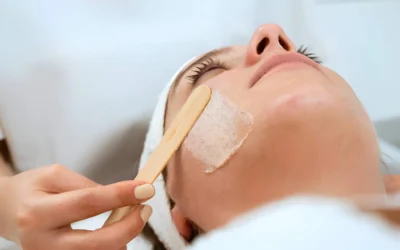
Fade unwanted ink with a personalised treatment plan.


Feeling more comfortable with the appearance of treated tattoos.

Reduced friction from tattoos that sit under clothing or equipment.

Lightened ink can make cover‑up or redesign options easier.

Short appointments scheduled several weeks apart.

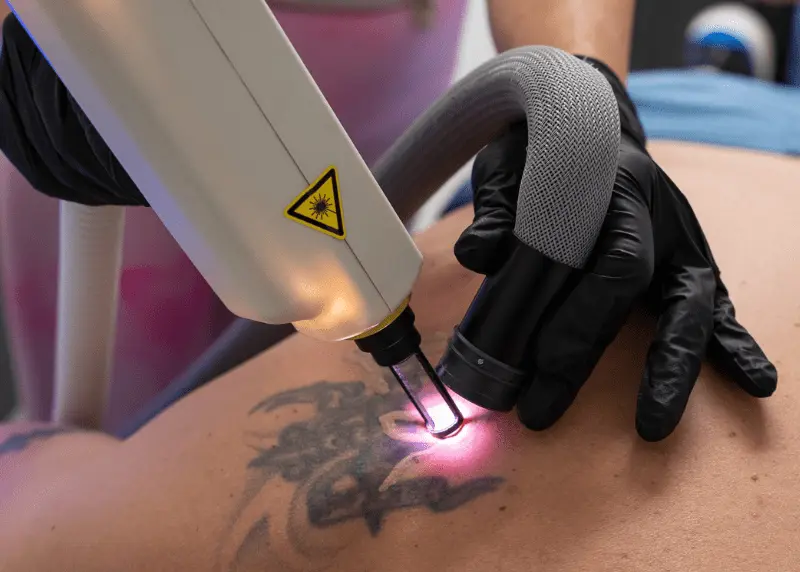
Cooling and careful settings used to help manage discomfort.
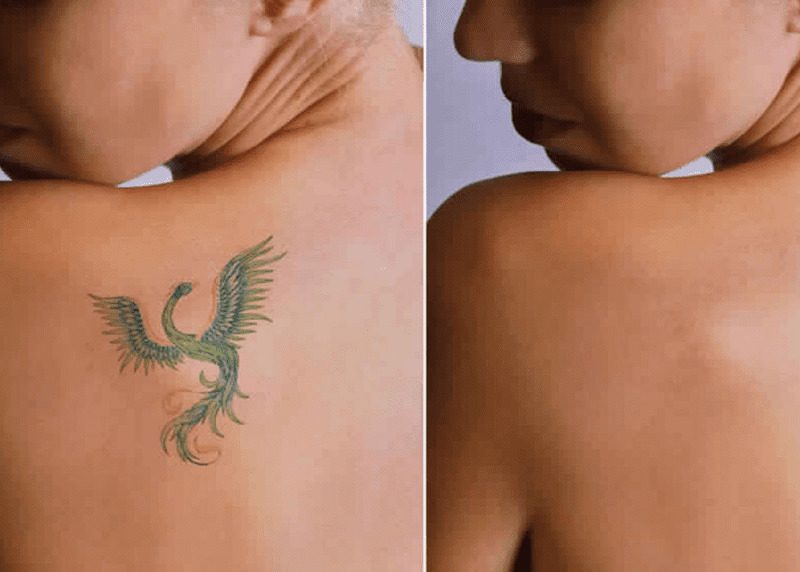
Many tattoos become lighter over a series of treatments; results vary.
Possible temporary skin responses after tattoo removal
As your skin responds to laser tattoo removal, some short-term changes can occur as part of the natural healing process. These usually settle with proper aftercare.
Your practitioner will guide you through aftercare steps to support safe healing and reduce the likelihood of complications.



How to Exfoliate Your Face Effectively Exfoliating your face can improve skin texture. But doing it wrong can damage...
Fraction Laser Treatment for Skin: A Complete Guide Many people ask about fractional laser treatment when they want to...

Everything You Need to Know About Exosomes Treatment for Skin and Hair You might have heard about exosomes in...
Most people feel heat or a snapping sensation during laser tattoo removal, but discomfort levels vary and cooling measures are usually used to help.
Multiple sessions are almost always needed, and the number varies widely depending on the tattoo’s size, colours, depth, location and your skin type; complete removal cannot be guaranteed.
Common short‑term effects include redness, swelling, blistering or temporary darkening/lightening of the skin; less common risks include scarring and persistent pigment changes, which will be discussed before treatment.
Costs depend on the size, complexity and number of tattoos treated, as well as sessions required, and are confirmed in a personalised quote at your consultation.
Tattoos usually fade gradually over several months, with improvement seen across a series of sessions spaced weeks apart rather than after a single visit.
Some people with sensitive skin can have laser tattoo removal, but an assessment is needed to check suitability, adjust settings and discuss the risk of irritation or pigment changes.
The treated area may feel tender and look red, swollen or blistered for a short period; you will receive aftercare instructions on cleaning, sun protection and when to contact the clinic.
For many tattoos, medical‑grade laser removal is the preferred first‑line option, but in some cases alternatives such as surgical excision or cover‑up tattooing may be more appropriate after specialist advice.