How to Exfoliate Your Face Effectively Exfoliating your face can improve skin texture. But doing it wrong can damage...
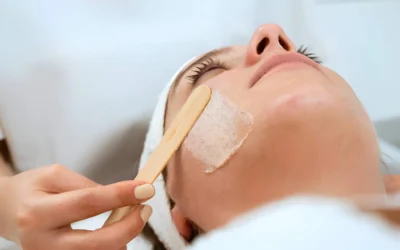

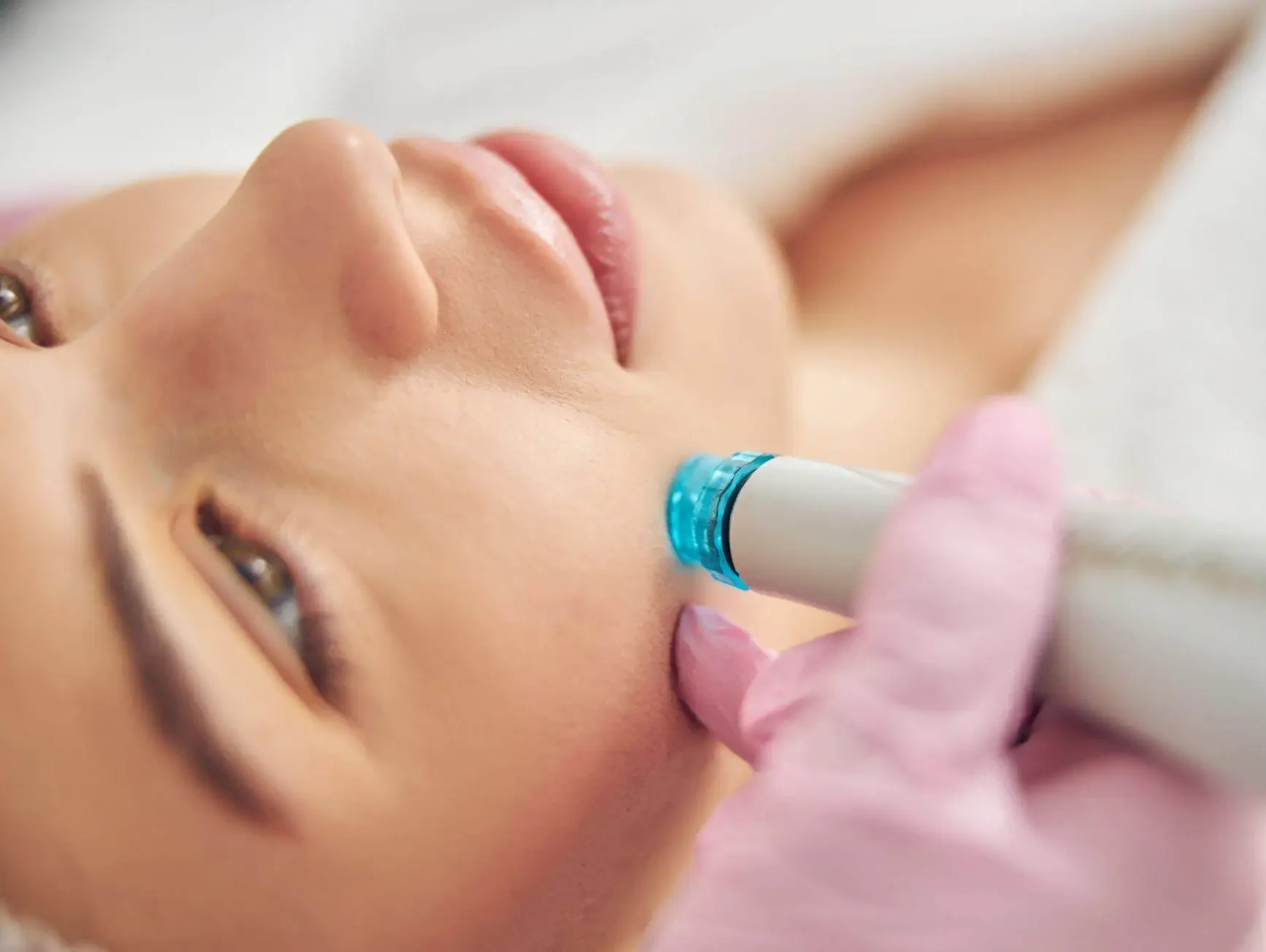
Hydrodermabrasion is a non-invasive facial treatment that deeply cleanses, exfoliates, and hydrates the skin, leaving it smoother, clearer, and more balanced.


May help lift surface oil and debris, supporting fresher‑looking skin

The treatment is designed to exfoliate the surface layer of the skin, which can result in a smoother appearance for many skin types.

May help soften the appearance of fine lines in some skin types

Uses moisture-rich serums to support skin hydration during treatment

May improve the look of dull, uneven skin texture

Gentle, non‑invasive treatment that can be tailored to different skin types.

Avoid the use of retinol products, exfoliants, or active skincare ingredients for at least 48 hours prior to treatment, unless advised otherwise by your practitioner.
Maintain normal hydration in the days leading up to your appointment.
Minimise sun exposure, tanning, and facial waxing for approximately 5 days before treatment, as advised during consultation.
Ongoing care and treatment intervals vary between individuals and are discussed during consultation based on skin type, concerns, and practitioner assessment.
For a short period following treatment, patients are generally advised to avoid active skincare products, excessive heat, strenuous exercise, and makeup, and to cleanse the skin gently as directed by their practitioner.
Daily sun protection, gentle skincare, and adequate hydration may be recommended to support skin recovery between sessions, depending on individual circumstances.
Hydrodermabrasion is a non-invasive exfoliation treatment that uses water and suction to cleanse and renew the skin’s surface. As with any aesthetic procedure, there are some effects you should be aware of as your skin responds to the treatment.
Possible effects following treatment may include:
How to Exfoliate Your Face Effectively Exfoliating your face can improve skin texture. But doing it wrong can damage...
Fraction Laser Treatment for Skin: A Complete Guide Many people ask about fractional laser treatment when they want to...
Everything You Need to Know About Exosomes Treatment for Skin and Hair You might have heard about exosomes in...
Hydrodermabrasion is designed to cleanse, exfoliate and hydrate the skin, which may help it look smoother, clearer and more refined over time.
Mild redness, sensitivity or temporary tightness can occur after treatment; more significant irritation or flare‑ups are less common but possible and will be discussed beforehand.
Suitability in pregnancy depends on your skin, medical history and the products used, so you should discuss this with your practitioner and obstetric provider before booking.
Most people find hydrodermabrasion comfortable, feeling only light pressure or suction, though very sensitive skin may feel mild temporary discomfort.
Some people notice their skin feels smoother and looks fresher soon after treatment, while others see more gradual changes over several sessions.
Improvements are typically temporary and depend on your skin type, home care and sun exposure; many people choose regular sessions as part of an ongoing skincare plan.
A course of treatments is often suggested, with the number and spacing tailored to your skin concerns and how your skin responds.
Hydrodermabrasion can often be adapted for normal, dry, oily and some sensitive skin types, but a consultation is needed to confirm suitability.
Microdermabrasion uses dry crystal or diamond exfoliation, whereas hydrodermabrasion combines gentle exfoliation with fluid and serums for simultaneous cleansing and hydration.
It may improve the look of congestion and mild superficial acne scarring in some people, but it is not a stand‑alone treatment for active or severe acne.
People with certain conditions—such as active skin infections, open wounds, some forms of rosacea, recent surgery or specific medications—may be advised to avoid or delay treatment.
In some cases it can be combined with other non‑invasive treatments, but your practitioner will advise on safe combinations and timing for your skin.
Many people book 2–7 days before an event to allow any temporary redness to settle, but your practitioner can suggest timing based on how your skin usually reacts.
<script type=”application/ld+json”> { “@context”: “https://schema.org“, “@type”: “FAQPage”, “mainEntity”: [{ “@type”: “Question”, “name”: “What are the benefits of hydrodermabrasion?”, “acceptedAnswer”: { “@type”: “Answer”, “text”: “Hydrodermabrasion deeply cleans your pores, removes dead skin cells, and hydrates your skin at the same time. It improves skin texture, reduces fine lines, brightens dull skin, and helps with blackheads and acne. You’ll notice smoother, fresher-looking skin after just one session.” } },{ “@type”: “Question”, “name”: “Are there any side effects of hydrodermabrasion?”, “acceptedAnswer”: { “@type”: “Answer”, “text”: “Hydrodermabrasion is very gentle, so side effects are rare. Some people may notice mild redness right after the treatment, but it usually fades within a few hours. There’s no pain, peeling, or long recovery time.” } },{ “@type”: “Question”, “name”: “Can I get a hydrodermabrasion facial while pregnant?”, “acceptedAnswer”: { “@type”: “Answer”, “text”: “Yes, hydrodermabrasion is a safe option during pregnancy because it doesn’t use harsh chemicals or strong peels. However, we always recommend speaking to your doctor before starting any new treatment.” } },{ “@type”: “Question”, “name”: “Does a hydrodermabrasion facial hurt?”, “acceptedAnswer”: { “@type”: “Answer”, “text”: “No, it doesn’t hurt at all. Most people find the treatment very relaxing and even say it feels like a cool, gentle massage.” } },{ “@type”: “Question”, “name”: “When will I see the facial results?”, “acceptedAnswer”: { “@type”: “Answer”, “text”: “You’ll notice brighter, cleaner, and more hydrated skin right after your first session. Your skin will continue to improve over the next few days as the active serums work deeper.” } },{ “@type”: “Question”, “name”: “How long do the results last for?”, “acceptedAnswer”: { “@type”: “Answer”, “text”: “Results typically last 5 to 7 days after the first facial. With regular sessions, your skin stays clearer and more balanced for longer.” } },{ “@type”: “Question”, “name”: “How many treatments are recommended to see results?”, “acceptedAnswer”: { “@type”: “Answer”, “text”: “You’ll see a glow after one session, but for longer-lasting improvements, we recommend a series of 4 to 6 treatments spaced 2 to 4 weeks apart.” } },{ “@type”: “Question”, “name”: “What skin types are best suited for hydrodermabrasion?”, “acceptedAnswer”: { “@type”: “Answer”, “text”: “This treatment is safe and effective for all skin types and can be performed on any skin colour from light to dark, without any down time.” } },{ “@type”: “Question”, “name”: “What’s the difference between hydrodermabrasion and microdermabrasion?”, “acceptedAnswer”: { “@type”: “Answer”, “text”: “Hydrodermabrasion uses water and oxygen to exfoliate and hydrate the skin at the same time, making it gentler and more suitable for sensitive skin. Microdermabrasion, on the other hand, uses abrasive crystals or a diamond tip to remove dead skin cells, which can feel more intense. Both treatments improve skin texture, but hydrodermabrasion also delivers moisture and nutrients during the process, reducing irritation and boosting hydration.” } },{ “@type”: “Question”, “name”: “How many hydrodermabrasion treatments will I need?”, “acceptedAnswer”: { “@type”: “Answer”, “text”: “Most clients see noticeable results after just one session, but for long-term improvement in skin tone, texture, and hydration, a series of 4 to 6 hydrodermabrasion treatments spaced 2 to 4 weeks apart is usually recommended. Your skin goals and condition will guide the ideal treatment plan, which can be discussed during your consultation.” } },{ “@type”: “Question”, “name”: “Who is not a good candidate for hydrodermabrasion?”, “acceptedAnswer”: { “@type”: “Answer”, “text”: “Hydrodermabrasion is safe for most skin types, including sensitive skin. However, it may not be suitable for individuals with active skin infections, open wounds, or severe rosacea. Those with chronic skin conditions or who are using strong topical medications (like Accutane) should consult their skin therapist before treatment to avoid irritation or adverse reactions.” } }] } </script>