How to Exfoliate Your Face Effectively Exfoliating your face can improve skin texture. But doing it wrong can damage...
Non‑invasive radiofrequency treatment designed to gently firm and smooth the appearance of the skin.
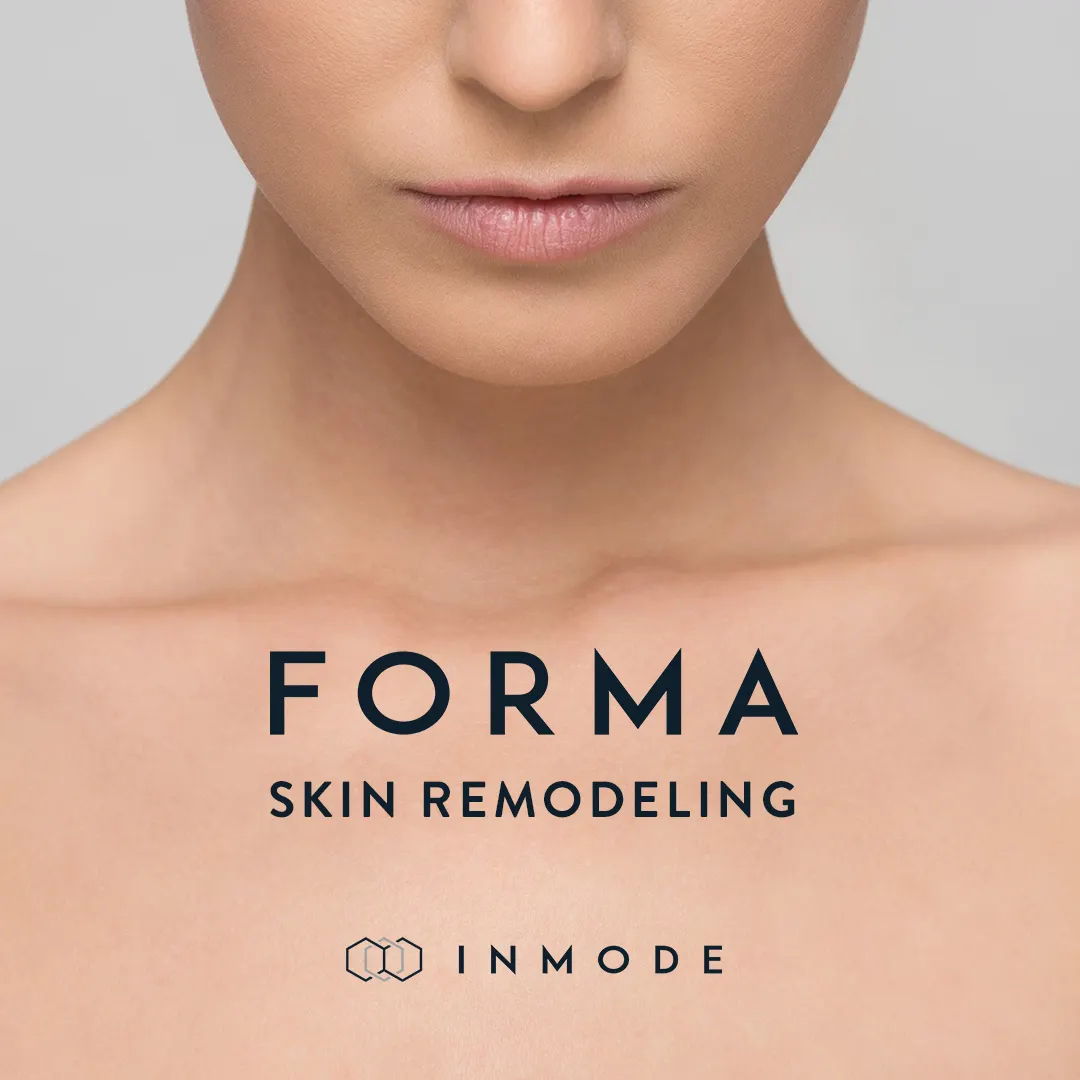

May help soften the look of the skin without surgery.

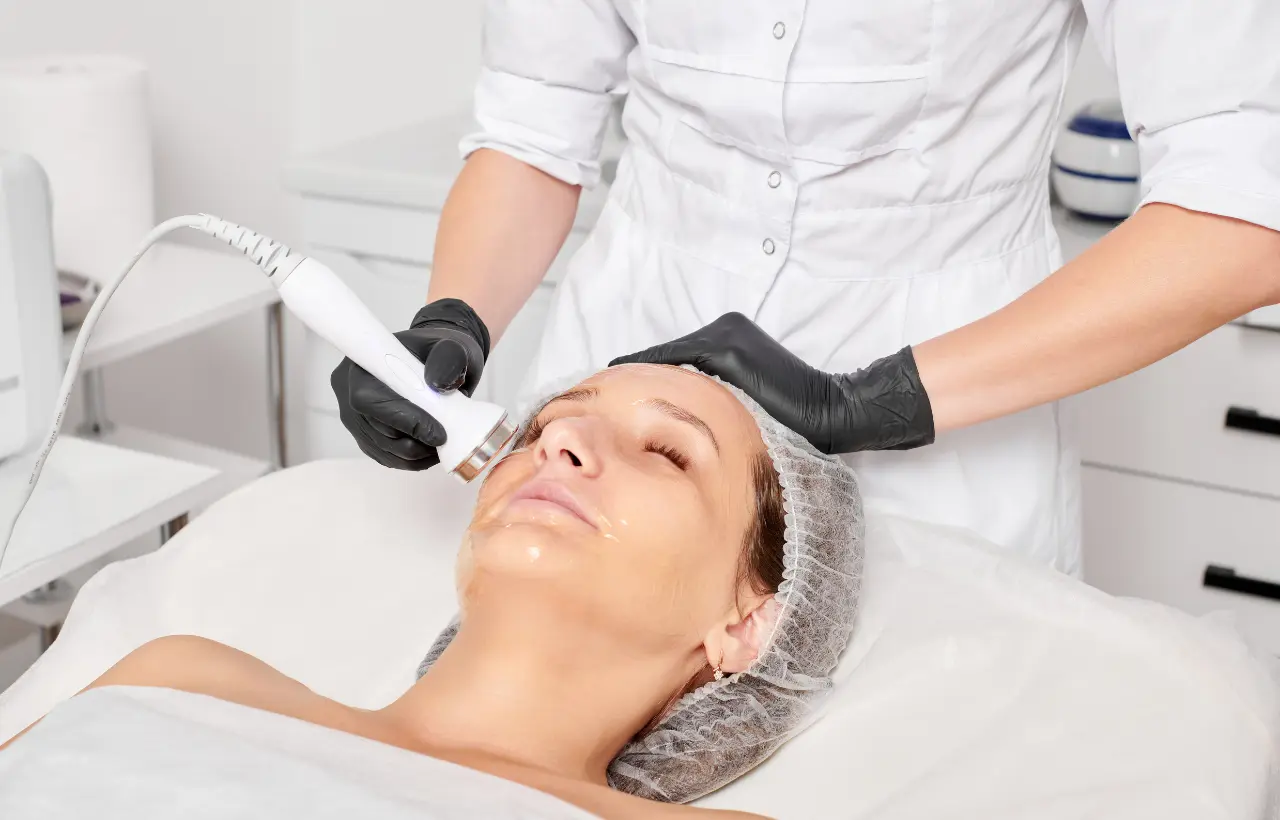
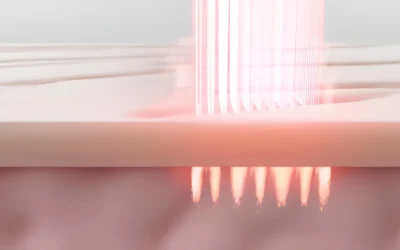
Uses radiofrequency heat to gently target the deeper skin layers.

Can improve the appearance of fine lines and mild wrinkles in treated areas.

May reduce the look of mild skin laxity and uneven texture.

A non‑invasive treatment performed without cutting the skin.

Aims to support firmer, smoother‑feeling skin over time, with outcomes varying between individuals.
Possible effects following treatment may include:

How to Exfoliate Your Face Effectively Exfoliating your face can improve skin texture. But doing it wrong can damage...
Fraction Laser Treatment for Skin: A Complete Guide Many people ask about fractional laser treatment when they want to...
Everything You Need to Know About Exosomes Treatment for Skin and Hair You might have heard about exosomes in...
The number of sessions varies from person to person and depends on your skin concerns, treatment area and how your skin responds. Your practitioner will recommend a plan after assessing you and discussing what is realistic for you.
Most people experience temporary warmth, redness and mild swelling in the treated area, which usually settles within a few hours. Less common risks can include burns, changes in skin sensation or pigmentation, or dissatisfaction with the cosmetic outcome, and these will be discussed with you before treatment.
Forma may be considered if you are concerned about mild skin laxity or uneven texture and prefer a non‑surgical option. Your suitability depends on your medical history, skin type, current medications and expectations, so this can only be confirmed after a face‑to‑face consultation.
Some people notice gradual improvement over a series of treatments, but the degree and duration of change vary and no result can be guaranteed. Ageing, lifestyle factors and skin care all influence how long any visible effect may last.
Many people describe a feeling of warmth or heat during treatment, and some areas can feel more sensitive than others. Your practitioner will monitor your comfort and can adjust settings, but a completely pain‑free experience cannot be promised.
Forma is a non‑invasive treatment that uses controlled radiofrequency energy to gently heat the deeper layers of the skin. This heating is intended to support collagen activity and gradual firming in the treated area, although individual responses vary and multiple sessions are often needed.
Forma can be used on many skin types when appropriate settings and precautions are followed. However, it is not suitable for everyone, including some people with certain medical conditions, implanted devices, active skin disease or pregnancy, so a consultation is required to check if it is safe for you.
Skin tightening treatments such as Forma are generally considered for adults who are in good general health, have realistic expectations and have specific concerns about mild laxity or texture. Your practitioner will assess your goals, health and alternative options before advising whether this treatment is appropriate for you.