Skin Purging vs Breakout – Key Differences You Should Know
Starting a new skincare product and seeing more pimples can be confusing. Skin purging may occur after introducing selected active ingredients, while a breakout or irritation may mean the product or routine needs review. Purging does not automatically mean a product is working.
Not sure whether your skin is purging or reacting? A skin consultation at Skinduced Aesthetic Clinic in Cameron Park can review your recent products, visible concerns and skin sensitivity before suitable next steps are discussed.
Key Takeaways
- Breakouts or irritation may appear in familiar or new areas and can continue worsening after the product is introduced.
- Purging is often discussed as a temporary change, but there is no single timeline for every product or person. Gradual improvement is more useful than an exact week count.
- If you are unsure, professional skin advice is the safest approach.
- Skin purging is a non-medical term for a temporary increase in blemishes after starting selected retinoids or exfoliating acids.
- Painful, spreading, severely irritated or continually worsening symptoms need professional or medical review.
What Is Skin Purging?
Skin purging is a non-medical term used for an initial increase in visible blemishes after starting selected ingredients that affect exfoliation or skin-cell turnover.
The term is commonly used when existing congestion appears to surface sooner. However, appearance and timing alone cannot confirm that purging is occurring.
Skin purging is not a detoxification process, and it does not mean toxins are leaving the skin.
Which Products Can Cause Purging?
Skin purging is mainly discussed in connection with selected ingredients that affect exfoliation or skin-cell turnover. Blemishes after other products may be more consistent with blocked pores, irritation or an unrelated acne flare, although the cause cannot be confirmed from timing alone.
Not everyone experiences an initial increase in blemishes. These ingredients may also cause dryness, peeling or irritation, so a reaction after starting one does not automatically confirm purging.
Prescription acne products work in different ways. Any changes to prescribed treatment should be discussed with the prescribing clinician.
Cleansers, basic moisturisers and sunscreens do not usually increase skin-cell turnover in the same way as retinoids or exfoliating acids. However, an unsuitable formula may still contribute to irritation, blocked pores or a breakout.
What Is a Breakout?
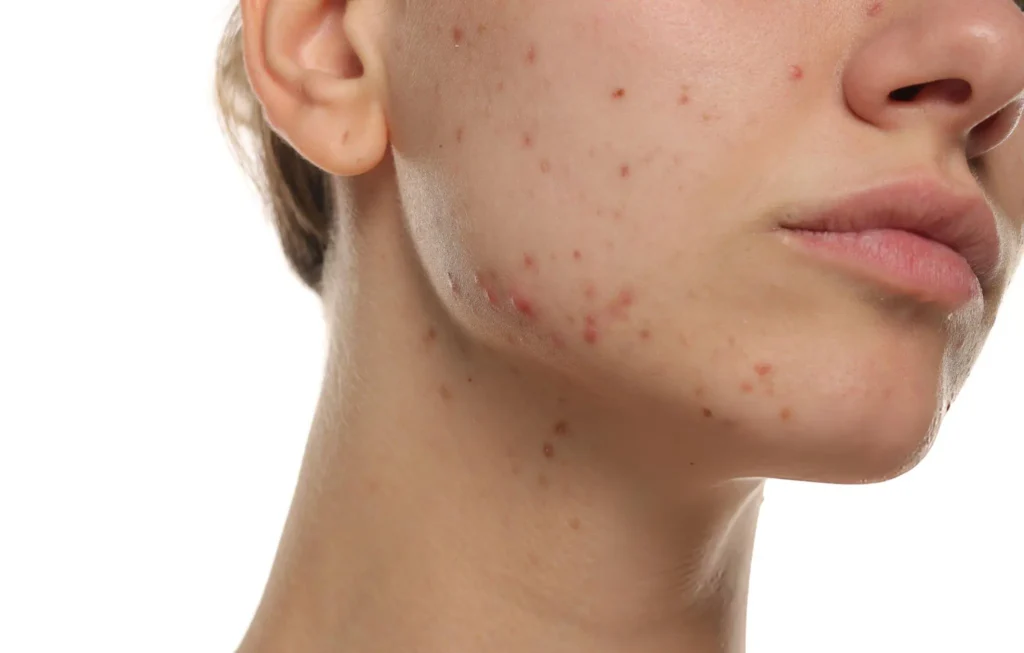
A breakout involves new acne lesions such as blackheads, whiteheads or inflamed pimples. It may relate to an unsuitable product, irritation, blocked pores, an existing acne pattern or several contributing factors. The cause cannot always be attributed to one ingredient without reviewing the wider routine.
Common factors associated with product-related breakouts include:
- A formula that contributes to blocked pores for that person
- Fragrance or another irritating ingredient
- Introducing several new products together
- Layering too many active ingredients
- Using a routine that is too harsh for the skin’s current condition
A breakout may also reflect an existing acne pattern and may not have been caused by the newest product.
Skin Purging vs Breakout: How Can You Tell the Difference?
The product involved, symptom location, type of blemish and associated irritation can provide useful clues. However, no single sign can confirm whether the skin is purging, breaking out or reacting.
| Clue | Possible purging | Breakout | Irritation or reaction |
| Likely trigger | Selected retinoid or exfoliating active | An unsuitable product, blocked pores or existing acne | Any irritating or sensitising product |
| Location | Often appears in usual breakout areas | May occur in familiar or new areas | May affect any application area and can spread |
| Appearance | May resemble usual small blemishes or congestion | Blackheads, whiteheads or inflamed pimples | Redness, dryness, peeling, swelling or a rash-like appearance |
| Sensation | Should not involve marked burning, itching or swelling | Spots may feel tender or painful | Burning, stinging, strong itching or swelling is more concerning |
| Progress | Expected to gradually settle if it is purging | May persist or worsen | May worsen while exposure continues |
If symptoms spread, become more painful or continue worsening, seek advice rather than assuming the reaction is purging.
How Long Does Skin Purging Last?
Skin purging is often described as lasting several weeks, but there is no universal timeframe. The ingredient, formulation, frequency of use and individual skin response can all affect how the skin changes.
Gradual improvement matters more than reaching a specific week. Continued worsening, new affected areas or persistent burning, itching and peeling may point to irritation or another cause.
Is It Purging or a Damaged Skin Barrier?
Burning, stinging, tightness, persistent redness, excessive dryness or peeling may indicate irritation or a damaged skin barrier rather than straightforward purging.
More irritation does not mean a product is working better. Layering several retinoids, acids or exfoliating products may increase sensitivity and make it harder to identify the trigger.
If these symptoms develop, simplify the routine and avoid introducing further active ingredients. Our guide to a damaged skin barrier explains common signs, contributing factors and gentle care considerations.
What to Do If Your Skin Is Purging
If a relevant active ingredient was recently introduced, review the product directions, timing and areas affected. Do not assume that every new blemish is a normal purge.
Helpful steps may include:
- Avoid introducing other new active products.
- Keep cleansing gentle.
- Use a suitable moisturiser.
- Apply sunscreen as directed.
- Avoid picking or squeezing blemishes.
- Monitor whether symptoms gradually improve or worsen.
For a non-prescription cosmetic product, follow the directions and consider pausing or reducing use if irritation develops. Seek professional advice before restarting when symptoms are significant or worsening.
Contact the prescribing clinician before changing a prescription treatment.
What to Do If It Is a Breakout
If a new non-prescription product appears to worsen irritation or breakouts, pause it and simplify the routine while seeking advice.
If a new non-prescription product appears to be causing worsening irritation or breakouts, pause it and simplify the routine while seeking advice. Contact the prescribing clinician before changing a prescription treatment.
- Simplify your routine to cleanser, moisturiser and sunscreen
- Avoid adding new active products until the skin settles
- Do not pick, squeeze or scrub the affected areas
- Monitor whether the breakout improves after removing the product
If breakouts persist after simplifying the routine, seek professional advice. A GP or dermatologist may be needed when acne is painful, severe, spreading, causing scars or difficult to identify.

Can Professional Treatments Cause Temporary Breakouts or Irritation?
Some professional treatments may be followed by temporary redness, dryness, sensitivity, peeling or increased blemishes. These effects should not automatically be labelled skin purging.
The expected response depends on the treatment, current skin condition and individual factors. Active irritation, barrier damage or severe acne may require medical review before further cosmetic treatment is considered.
Once active irritation has settled, dermal peels may be discussed for suitably assessed congestion or uneven texture. Suitability, risks and expected effects should be reviewed during consultation.
When Should You Seek Professional Advice?
Seek professional or medical advice if:
- Blemishes are painful, deep, inflamed or spreading.
- Symptoms continue worsening.
- The skin feels strongly burning, stinging or itchy.
- Swelling, hives, blistering or a spreading rash develops.
- Scarring or persistent dark marks are developing.
- A prescription treatment may be causing a reaction.
- Post-treatment symptoms are not settling as expected.
A skin consultation can review recent cosmetic products, visible concerns and sensitivity. A GP or dermatologist is more appropriate for painful, severe, spreading, scar-forming or medically uncertain symptoms.
Skin Consultation for Breakouts in Newcastle
Skinduced Aesthetic Clinic in Cameron Park can review your recent skincare products, visible blemishes, sensitivity and treatment goals.
An Observ Skin Analysis may also support a visual discussion of skin texture, hydration patterns and visible concerns. Observ imaging is observational and supports skincare and treatment discussions; it does not diagnose acne, dermatitis or allergic reactions.
Discuss your current skincare routine: Book a consultation for individual information about product use, sensitivity, treatment suitability, potential risks, costs and appropriate next steps.
FAQs:
Can moisturisers cause purging?
Moisturisers do not usually affect skin-cell turnover in the same way as retinoids or exfoliating acids. However, an unsuitable formula may contribute to blocked pores, irritation or a breakout.
Does purging mean a product is working?
Not necessarily. Purging does not prove that a product is effective or suitable. Consider whether symptoms are gradually improving and whether the product remains tolerable.
Should I stop using retinol if my skin purges?
Retinol may cause dryness, peeling, irritation or an initial increase in blemishes. Follow the product directions and seek advice if symptoms are significant or worsening. Speak with the prescriber before changing a prescription retinoid.
Can salicylic acid cause skin purging?
Salicylic acid exfoliates within pores and may be associated with an initial increase in visible congestion for some people. It can also cause dryness or irritation, so worsening symptoms should not automatically be labelled purging.
Is skin purging the same as an allergic reaction?
No. The term purging describes a temporary increase in blemishes after selected active ingredients. Strong itching, swelling, hives, blistering or a spreading rash may indicate an allergic or significant adverse reaction. Stop using the suspected cosmetic product and seek prompt medical advice. Call Triple Zero (000) for difficulty breathing or swelling of the face, lips, tongue or throat.
