
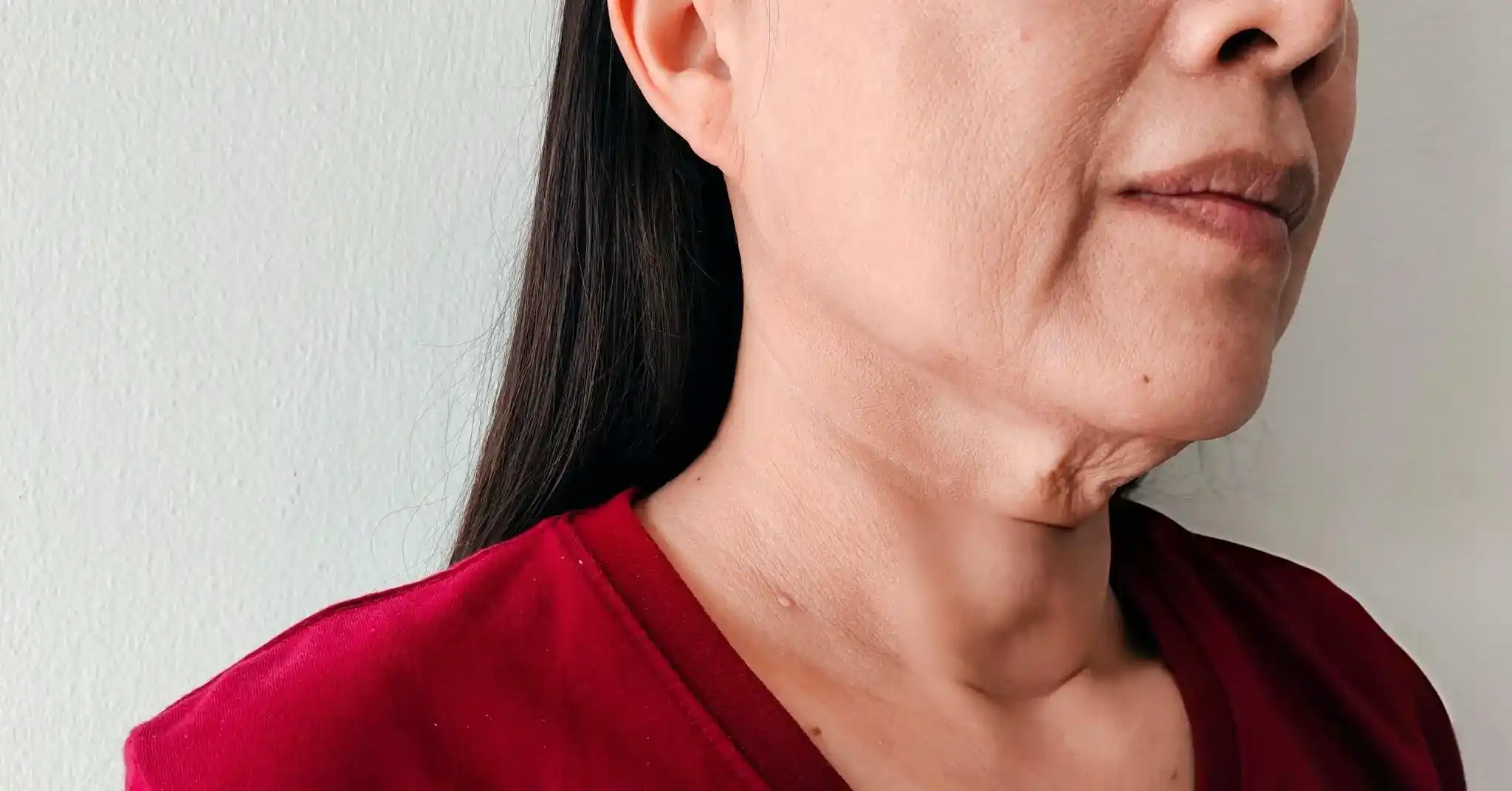
Crepey Neck & Décolletage – How to Firm Ageing Skin
The neck and décolletage can show visible signs of ageing, including fine lines, crepey texture and changes in firmness. For some people, these changes become noticeable even when facial skin appears relatively unchanged.
It is common to focus skincare on the face while giving less attention to the neck and chest. The skin in these areas also has structural characteristics and cumulative sun exposure that can influence how ageing appears.
Quick Answer
Crepey neck and décolletage skin is thin, finely wrinkled or crinkled-looking skin that can become more noticeable with ageing, cumulative UV exposure and changes in collagen and elastin. Skincare and sun protection can support skin quality, while RF microneedling may help improve texture and firmness for some suitable patients. Significant laxity may respond less to non-surgical options.
Considering Skin Tightening for Your Neck or Décolletage?
Explore the skin-tightening options available at Skinduced and learn how suitability is assessed for different skin concerns.
Key Takeaways
- The neck and chest can show visible signs of ageing because of their skin structure, cumulative UV exposure and changes in collagen and elastin over time.
- Cumulative UV exposure contributes to photoageing, so sun protection matters for the neck and décolletage as well as the face.
- Age-related changes in collagen and elastin contribute to loss of firmness and fine lines. Repeated neck movement may also contribute to some horizontal lines.
- RF microneedling may support skin firmness and texture improvement for mild to moderate crepiness.
- Established, significant skin laxity has a more limited response to non-surgical treatment; individual assessment clarifies what’s realistic.
What Is Crepey Neck Skin?
Crepey neck skin describes a thin, finely wrinkled or crinkled-looking texture that may appear alongside fine lines or mild laxity. It is a description of appearance rather than a diagnosis.
Thinner skin structure. The neck and upper chest have structural differences that can affect how ageing appears. The neck has a thinner dermis and fewer sebaceous glands than many facial areas, which can contribute to dryness and greater visibility of fine texture and photoageing.
Less underlying support. The underlying anatomy also differs from the face. Changes in skin and soft-tissue support over time, including changes involving the platysma muscle, can contribute to visible laxity or banding in some people.
Chronic under-protection from UV exposure. Cumulative UV exposure is an important contributor to photoageing. The neck and décolletage are often exposed during everyday activities, so extending sun protection to these areas can help reduce further UV-related skin damage.
Repetitive movement. Repeated neck movement and prolonged flexion may contribute to the appearance of some horizontal lines, although ageing and cumulative UV exposure are more established contributors.
Natural collagen and elastin decline. As with the rest of the body, collagen production decreases with age, and this decline is further accelerated by hormonal changes, particularly the drop in oestrogen around menopause.
Changes in the platysma muscle and shifts in soft-tissue support can contribute to vertical banding or looseness in the neck. These structural changes are different from crepey surface texture and may occur alongside it.
What Causes Crepey Skin on the Neck?
Several factors can contribute to visible changes in the neck and décolletage, including skin structure, UV exposure, ageing, dryness and changes in underlying support.
Is It Crepey Texture, Lines, or Looseness?
These present differently and may respond differently to treatment, so it’s a useful first distinction to make.
| Presentation | What It May Indicate | What May Be Discussed |
| Crepey, finely wrinkled texture | Thin, crinkled-looking skin with age-related changes in collagen, elastin and other skin structures | Skincare, sun protection and, where appropriate, professional skin-quality options |
| Horizontal neck lines | Repeated skin folding alongside age-related skin changes | Skincare and, depending on the concern, professional treatment options |
| Sun damage, pigmentation, uneven tone | Cumulative UV exposure can cause colour and texture changes | Pigmentation may need a separate assessment and treatment approach |
| Visible looseness or banding | Skin laxity and changes involving the platysma or other supporting tissues | Non-surgical treatment has more limited effect; assessment helps clarify options |
People can have more than one of these concerns at the same time, so treatment choice depends on which features are most prominent and whether professional treatment is appropriate.
Can Skin Tightening Help Crepey Neck Skin?
RF Microneedling (Morpheus8 and Vivace)
Radiofrequency microneedling combines controlled needle penetration with radiofrequency energy delivered into the skin. It may support collagen remodelling and improve aspects of skin texture and firmness. At Skinduced, both Morpheus8 and Vivace RF Microneedling are available. They use different device platforms and treatment approaches, so a clinician can assess your skin and discuss which option, if any, may be appropriate.
Forma
Forma is a non-invasive radiofrequency option that delivers controlled RF energy from the skin surface. Skinduced lists the neck among areas that may be considered for mild laxity or uneven texture. Suitability depends on your skin, medical history and individual assessment.
This approach may be considered for some people with crepey texture, fine lines or mild skin laxity in the neck and décolletage. Any response develops over time and varies between individuals, and the number of sessions depends on the treatment and individual assessment.
What Are the Risks and Recovery Like?
RF-based treatments can cause temporary redness, warmth or swelling. RF microneedling also involves needle penetration and may cause sensitivity, bruising, or pinpoint bleeding. Less common risks can include burns, infection, pigment changes or scarring. Recovery varies by treatment area, device settings and individual factors. Your clinician should explain relevant risks and recovery before treatment.
What Non-Surgical Treatment Cannot Do?
Non-surgical skin tightening does not remove excess skin. Where there is significant skin laxity or prominent platysmal banding, non-surgical options may be less suitable or may provide limited change. A clinician can explain whether non-surgical treatment, another option or no treatment is appropriate.
Prevention and Supportive Measures
Because UV exposure and other ageing factors accumulate over time, consistent daily skin care can help support skin health.
- Extend daily broad-spectrum sun protection to the neck and chest, not just the face. In Australia, sun protection is recommended when the UV Index reaches 3 or higher.
- Consider incorporating the neck and décolletage into your existing skincare routine, rather than treating it as a separate, forgotten area.
- Avoid smoking, which can accelerate skin ageing.
If you notice a new, changing, bleeding or non-healing spot on the neck or décolletage, have it assessed by a GP or other appropriate health professional rather than assuming it is simply an ageing change.
When Should You Consider a Consultation?
A professional assessment is worth considering if you’ve noticed:
- Changes in neck or décolletage skin texture, lines or firmness that you would like to understand
- Fine, crepey wrinkling that’s become more pronounced over recent years
- Uncertainty about whether your concern is primarily texture, lines, or looseness
- Interest in understanding whether non-surgical treatment is realistic for your presentation before considering other options
If you’re in Newcastle or the surrounding Hunter Region and would like to understand your options, a skin consultation can help clarify what may be contributing to the visible changes and whether professional treatment is appropriate.
Not Sure Which Option Is Right for Your Skin?
A skin consultation can help clarify whether your concern is mainly texture, lines or laxity and whether professional treatment is appropriate.
FAQs
Why does my neck look older than my face even though I use the same skincare?
Differences in sun protection, combined with the neck’s skin structure and normal ageing processes, can contribute to why changes become more noticeable there.
Can RF microneedling fully fix a crepey neck?
RF microneedling may help support firmness and improve texture for mild to moderate crepiness, but it does not remove excess skin or fully reverse significant, longstanding looseness. Expectations are best discussed individually based on your specific presentation.
Is “tech neck” a real contributing factor?
Repeated downward neck posture from looking at phones and screens may contribute to some horizontal lines, but it is not considered a standalone explanation for neck ageing.
How many sessions of RF microneedling are typically needed for the neck?
This depends on individual skin condition and treatment goals and is determined during consultation rather than following a universal protocol.
At what age should I start protecting my neck and décolletage?
There is no single age at which to start. In Australia, sun protection is recommended when the UV Index reaches 3 or higher, and the same protection should be extended to exposed areas such as the neck and décolletage.
