What Is an LED Face Mask?
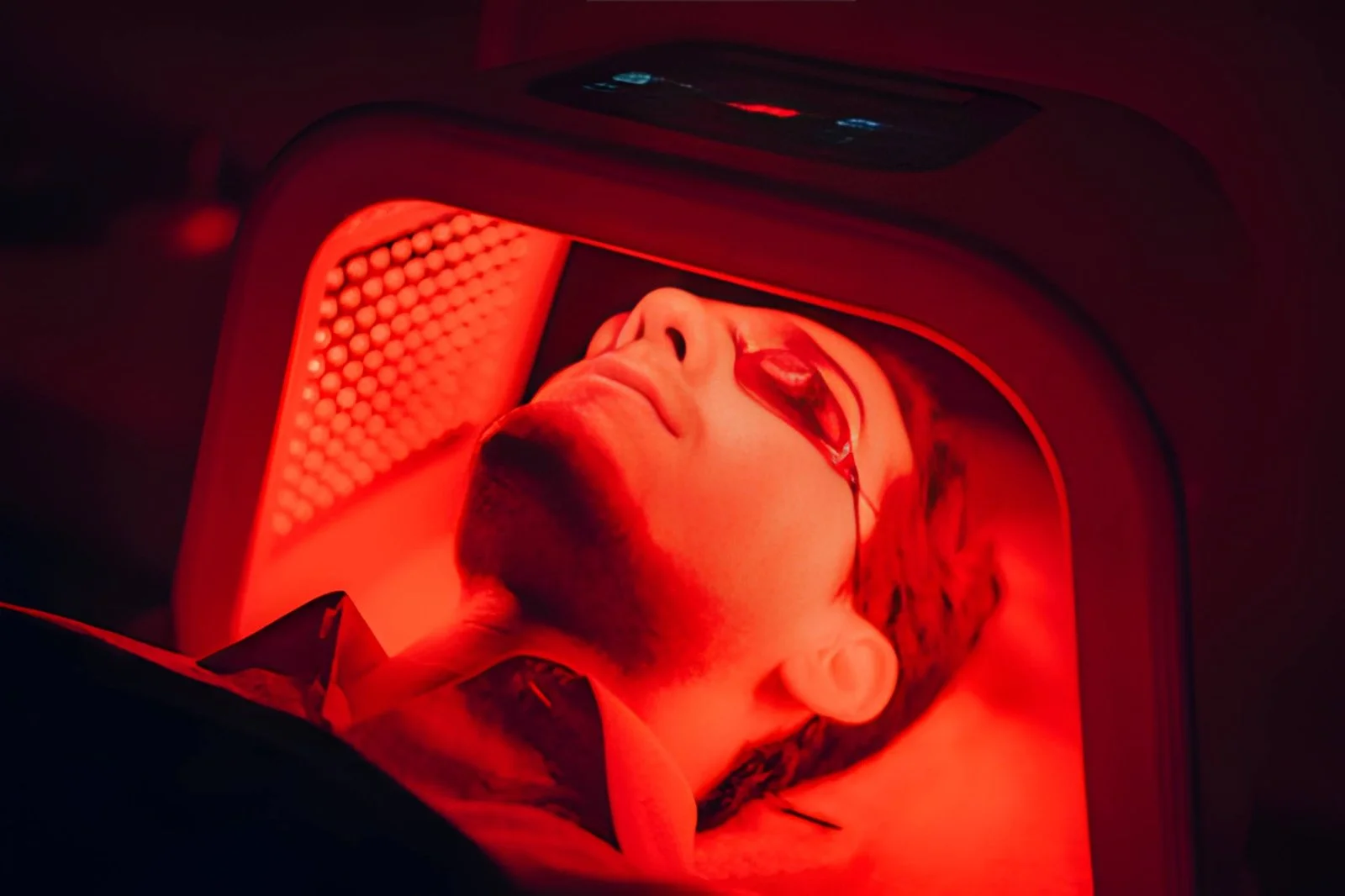
LED face masks have moved from professional clinics into mainstream skincare conversations over the past few years. You have probably seen them online or in beauty stores, wearable devices that emit coloured light across the face and claim to improve skin texture, reduce acne, or support anti-ageing.
But do they actually work? And how do at-home LED masks compare to professional LED light therapy in a clinical setting?
This article covers both questions clearly so you can make an informed decision.
Quick Answer
LED light therapy, when delivered at the correct wavelength and energy output, has research supporting its effects on skin. Some home and professional LED devices have evidence for selected skin concerns, but results depend on the specific wavelength, output, treatment protocol, device and individual. Evidence for one LED system cannot automatically be applied to another.
What Is a Face LED Mask?
A face LED mask is a wearable device that sits over the face and emits light-emitting diode (LED) light at specific wavelengths. Each wavelength, represented by a different colour, targets different processes in the skin.
The most common wavelengths used in face LED masks are:
- Red light (approximately 630–660 nm): Associated with collagen stimulation, skin repair and reducing fine lines
- Near-infrared light (approximately 830 nm): Penetrates deeper into tissue and may support cellular repair and inflammation reduction
- Blue light (approximately 415–430 nm): Targets the bacteria responsible for acne, specifically Cutibacterium acnes
- Green light (approximately 520 nm): Sometimes included for targeting pigmentation and supporting skin tone
- Yellow light (approximately 590 nm): May support redness reduction and skin recovery
Most consumer LED face masks offer red and blue light as standard, with some including combinations of multiple wavelengths.
How Does LED Light Therapy Work?
LED therapy works through a process called photobiomodulation. When specific wavelengths of light reach the skin cells, they interact with chromophores within the cell, particularly the mitochondria.
This interaction stimulates cellular activity:
- Red light may stimulate fibroblasts to produce more collagen and elastin
- Near-infrared light may penetrate deeper to support tissue repair and reduce inflammation
- Blue light has been studied for its effects on Cutibacterium acnes and selected acne-related concerns.
The key distinction is that LED light does not damage the skin to trigger a healing response, unlike lasers or needling. It works by supporting existing cellular processes rather than creating a wound response.
According to a review published in the Journal of Clinical and Aesthetic Dermatology, LED phototherapy has demonstrated efficacy in improving acne and supporting skin rejuvenation when delivered at appropriate parameters.
Do LED Face Masks Work?
The direct answer is: it depends on the device, the wavelength, the energy output and how consistently it is used.
What the research shows:
Research has examined specific professional and home LED protocols for selected skin concerns. The quality and applicability of evidence varies according to wavelength, device, treatment parameters and the concern being studied.
- Mild to moderate acne
- Supporting wound healing and skin recovery
- Collagen stimulation with cumulative use
- Reducing inflammation and redness
The limitation of at-home masks:
Consumer-grade LED face masks typically operate at much lower energy output (irradiance) than professional devices. Lower energy means less photon delivery to the skin cells, which generally translates to more modest results, if any, compared to clinic-based treatment.
Some higher-end consumer masks have improved significantly in recent years, but the gap between at-home and professional-grade devices remains meaningful for anyone seeking noticeable skin changes.
At-Home LED Mask vs Professional LED Light Therapy
| Factor | At-home LED mask | Professional LED system |
| Device design | Wearable consumer device | Clinic-based equipment |
| Wavelengths | Depend on product | Depend on clinic device |
| Treatment protocol | Manufacturer instructions | Device protocol and practitioner assessment |
| Administration | Self-administered | Delivered in a clinic |
| Suitability review | Consumer follows device guidance | Skin concern, history and medications can be reviewed |
| Results | Depend on device and individual | Depend on device, settings and individual |
What Can a Face LED Mask Help With?
If you are considering an at-home LED mask, it may be most useful for:
- Mild, early acne: Blue light may help reduce bacterial load on the skin surface, but it does not address deeper acne drivers such as hormonal factors or clogged pores
- General skin maintenance: Consistent red light use may offer gradual support to skin quality over months
- Supporting skin recovery: After irritation, mild inflammation or during a skincare reset period
Choosing an At-Home LED Mask
If you decide to try an at-home LED mask, look for these features when comparing products:
- Verified wavelengths: The device should clearly state the nanometre (nm) range of each light
- Energy output (irradiance): Review the wavelength, intended use, recommended treatment duration and available evidence for the specific device rather than assuming that higher output means better results.
- Australian regulatory status: Check the device’s intended purpose and whether it is lawfully supplied in Australia. Where relevant, consumers can check its ARTG entry.
- Clinical data or peer-reviewed references: Reputable brands cite studies or clinical testing
- Comfortable design: Wearing time matters — you are more likely to use a comfortable device consistently
Avoid making purchase decisions based on colour alone. Green light and yellow light have less research support than red and near-infrared for anti-ageing, though they may have a role in tone management.
Professional LED Light Therapy at Skinduced
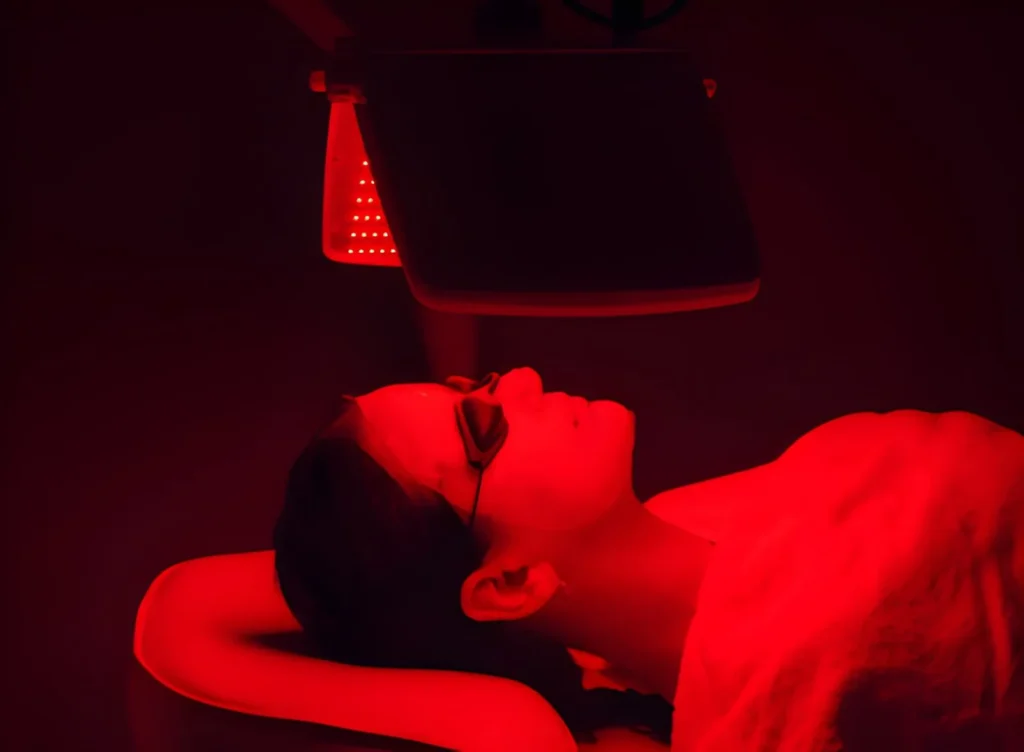
Skinduced Aesthetic Clinic in Cameron Park provides professional LED light therapy for selected skin concerns following individual assessment. Professional LED systems and at-home masks can differ in device design, wavelengths, treatment parameters and how the treatment is delivered, but these differences do not mean one option is automatically suitable or more effective for everyone.
A consultation can review your visible skin concerns, medical history, medications and current skincare before discussing whether professional LED light therapy or another approach may be appropriate. Suitability depends on the individual concern and other personal factors.
LED treatment can have possible effects such as temporary redness or irritation. Photosensitivity, medications and appropriate eye protection should also be considered before treatment. Individual responses and treatment requirements vary.
Is Professional LED Therapy Right for You?
A professional LED consultation may be useful if:
- You are unsure whether LED is relevant to your particular skin concern
- You have persistent acne, redness or another visible skin concern and want professional guidance
- You are considering LED alongside or after another skin procedure and want to understand whether it is appropriate
- You take medication or have a condition that may affect sensitivity to light
- You want to understand how professional LED differs from the at-home device you are considering or already using
Skinduced Aesthetic Clinic is located in Cameron Park and supports clients from Newcastle, Lake Macquarie and surrounding Hunter areas.
Book a consultation to discuss your visible skin concerns, relevant medical history and whether professional LED light therapy or another approach may be appropriate.
Frequently Asked Questions
Are LED face masks safe?
LED face masks are non-invasive devices, but suitability and possible risks depend on the device and individual. Follow the manufacturer’s instructions, including any eye-protection requirements. People with photosensitive conditions or medicines that increase light sensitivity should seek appropriate medical advice before use.
How often should I use an LED face mask?
How often an LED mask should be used depends on the specific device. Follow the manufacturer’s recommended treatment duration and frequency rather than assuming that more frequent use produces better results.
Can LED masks help with acne?
Blue and combined red-blue LED devices have been studied for selected acne concerns, but results depend on the device and treatment protocol. Persistent, painful, deep or scarring acne may require assessment and treatment by an appropriate healthcare professional.
How long before I see results from a face LED mask?
There is no universal timeframe for LED face-mask results. Studies of specific devices have used different treatment periods, and visible changes, if they occur, depend on the device, treatment protocol, skin concern and individual response.
Can I use an LED mask if I have sensitive skin?
Having sensitive skin does not automatically mean an LED mask is suitable or unsuitable. Device instructions, current irritation, photosensitivity, medications and the underlying skin concern should be considered before use. If your skin is currently inflamed, broken or reactive, check with a skin professional before starting any new device-based treatment.