
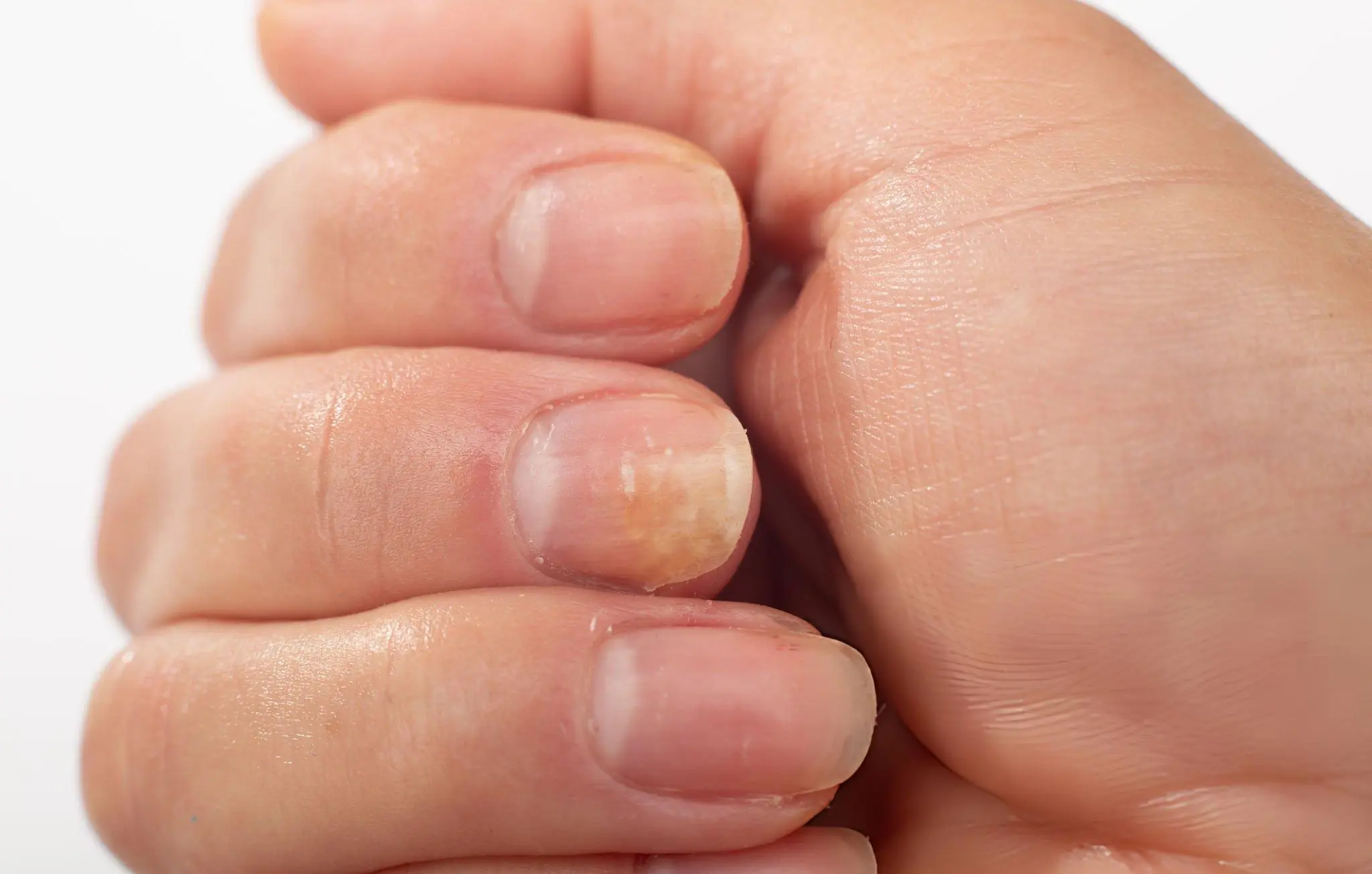
Fungal Nail Infection Treatment
Thickened, discoloured or crumbling nails may be caused by a fungal nail infection. However, nail trauma, psoriasis and other conditions can create a similar appearance, so assessment may be needed before treatment begins.
Fungal nail infections can persist or progress without appropriate care. Treatment decisions depend on the extent of the nail changes, symptoms, health history and whether fungal infection has been confirmed.
NOT SURE WHAT MAY BE CAUSING YOUR NAIL CHANGES?
Persistent thickening, discolouration or crumbling can have different causes. Book a consultation at our Cameron Park clinic to discuss your nail concern, whether further medical or podiatry assessment may be appropriate, and what next steps may be suitable.
Key Takeaways
- Not every thick, yellow or damaged nail is fungal.
- Nail clippings or scrapings may be recommended before prescription or laser treatment.
- Topical and oral antifungal medicines are established treatment options, depending on infection severity and individual health.
- Evidence for laser treatment is limited, and outcomes vary.
- A healthy-looking nail must gradually grow out, so visible improvement may take months.
- Pain, pus, spreading redness, diabetes, or reduced immunity require medical or podiatry advice.
What Is a Fungal Nail Infection?
A fungal nail infection, also called onychomycosis, occurs when a fungus infects one or more nails. It most commonly affects the toenails but can also affect fingernails.
The infection develops when dermatophytes, yeasts or non-dermatophyte moulds affect the nail plate or tissue beneath it.
Common signs include:
- Yellow, white, brown or grey discolouration
- Thickened or brittle nail
- Nail lifting or separating from the nail bed, called onycholysis
- Crumbling or distorted nail shape
- Mild odour in some cases
- Mild discomfort when pressure is applied
Fungal nail infection is more common in older adults and people with diabetes, reduced immunity, repeated nail trauma, athlete’s foot or frequent exposure to communal wet areas.
What Causes Fungal Nail Infections?
Dermatophytes, non-dermatophyte moulds, or yeasts such as Candida cause fungal nail infections. They are not caused by poor hygiene alone.
Contributing factors may include:
- Walking barefoot in shared wet areas such as pools, gyms and change rooms
- Wearing tight, non-breathable footwear
- Nail trauma or damage that allows fungi to enter
- Athlete’s foot spreading to the nails
- Reduced circulation in the feet
- A weakened immune system
- Older age and slower nail growth
Fungal infection may spread between nails and can occur alongside athlete’s foot. Exposure in communal wet areas and sharing unclean nail tools may also increase transmission risk.
How Is a Fungal Nail Infection Diagnosed?
Nail appearance alone cannot reliably confirm fungal infection. Trauma, psoriasis, bacterial infection and other nail disorders may cause similar thickening, discolouration or lifting.
A GP, dermatologist or podiatrist may examine the nail and surrounding skin. Nail clippings or scrapings may be sent for microscopy, fungal culture or another laboratory test before treatment is selected.
Testing is particularly important before prescription tablets or laser treatment because those options should not be used for an incorrectly identified nail condition.
Unsure whether the change is fungal? Consider GP or podiatry assessment before beginning prescription or laser treatment.
Fungal Nail Infection Treatment Options
Treatment depends on whether fungal infection has been confirmed, how much of the nail is affected, the number of involved nails, symptoms, medical history, medicine interactions and previous treatment.
Antifungal Nail Lacquers
Topical antifungal nail lacquers or solutions may be considered for limited infection affecting part of one or two nails. They must be applied consistently according to the product directions, often for many months.
Thickened nails and infection extending towards the nail root may respond less well to topical treatment alone. A pharmacist, GP or podiatrist can advise whether a topical product is suitable.
Oral Antifungal Medicine
Prescription oral antifungal medicine may be considered for more extensive or confirmed fungal nail infection. Oral treatment may be more effective than topical treatment for some cases, but it does not suit everyone.
A GP will consider medical history, other medicines and possible adverse effects. Blood tests or other monitoring may sometimes be required. Treatment duration varies according to the affected nail, infection severity and nail growth.
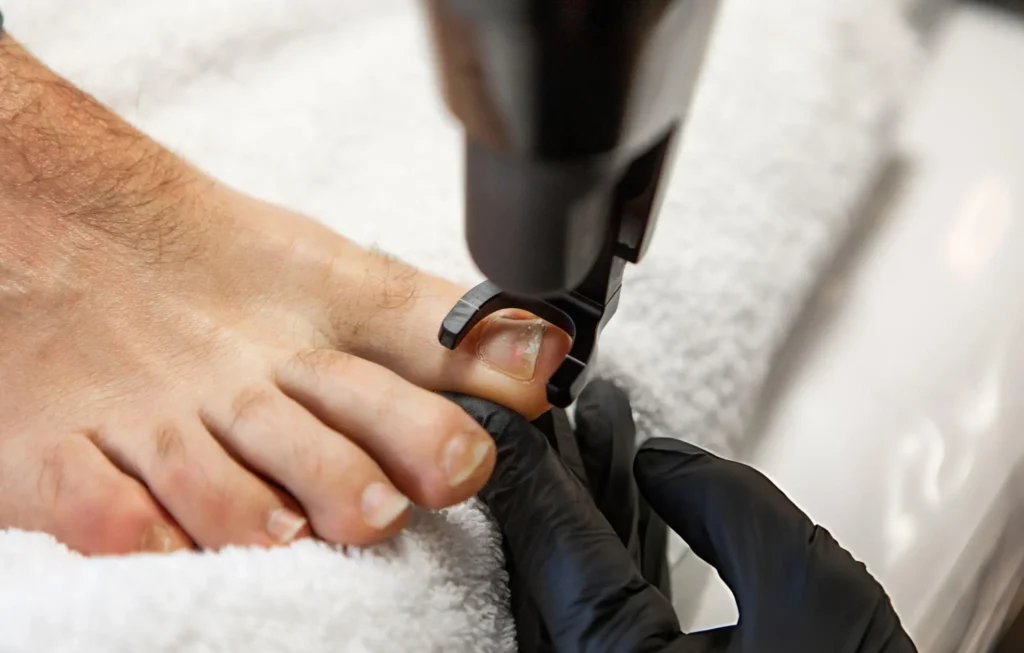
Laser Treatment for Fungal Nails
Laser treatment may be discussed as a non-pharmaceutical option for selected fungal nail concerns. However, evidence about its effectiveness is mixed, and it should not be presented as a proven equivalent or superior alternative to established antifungal medicines.
Laser avoids systemic exposure to oral antifungal medicine, but local effects may still occur. These can include discomfort, heat, redness, inflammation, swelling or a burning sensation, depending on the device and individual response.
CONSIDERING LASER FOR A PERSISTENT FUNGAL NAIL CONCERN?
Skinduced Aesthetic Clinic in Cameron Park offers a laser-based option for selected nail concerns. A consultation can discuss treatment suitability, expected treatment requirements, possible risks and limitations, and whether medical or podiatry assessment should come first.
Nail Removal
Medical nail removal may be considered in selected severe, painful or treatment-resistant cases. Partial or complete nail removal may be combined with antifungal treatment and should be discussed with an appropriately qualified medical or podiatry professional.
How Long Does Fungal Nail Treatment Take?
Treatment timelines vary depending on the method used and the severity of the infection.
- Topical treatment commonly requires consistent use for many months.
- Oral treatment duration varies by medicine, nail involved, infection severity and nail growth.
- There is no universal laser schedule; recommendations vary by device, provider and individual assessment.
- Visible recovery depends on healthy nail gradually replacing the damaged portion.
Toenails grow slowly, so the nail may remain thickened or discoloured after the infection has responded. It can take many months for a healthier-looking nail to grow from the base and replace the affected nail.
Can a Fungal Nail Infection Clear Without Treatment?
Fungal nail infection often persists without appropriate treatment, although its course varies. Some infections remain limited, while others may thicken, spread or damage the nail.
Treatment is not identical for every person. The decision should consider symptoms, infection extent, affected nails, health risks and whether the diagnosis has been confirmed.
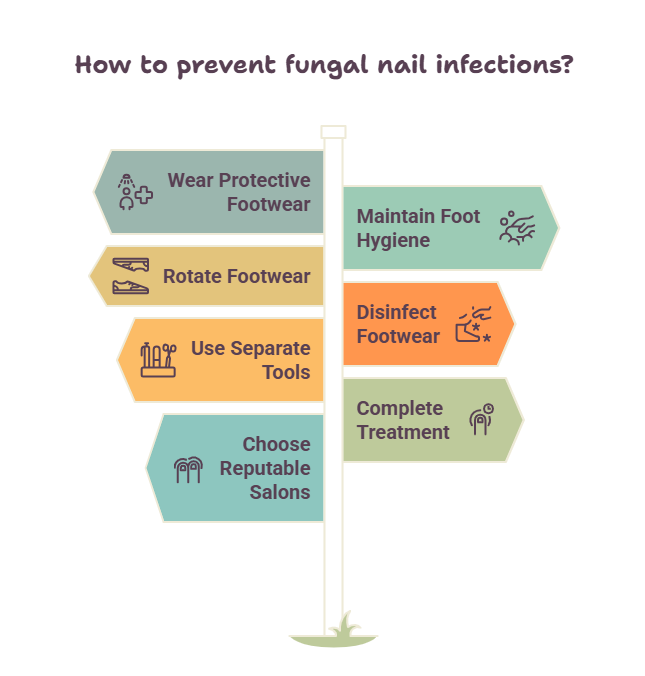
Preventing Fungal Nail Infections
Reducing the risk of developing a fungal nail infection involves consistent hygiene and lifestyle habits. Because persistent moisture creates the ideal environment for fungus, managing excessive foot sweating can also help lower your risk.
- Wear thongs or sandals in communal showers, pools and change rooms
- Keep feet clean and dry, particularly between the toes
- Rotate footwear, allow shoes to dry fully and change damp socks promptly
- Clean or disinfect footwear that may contain fungal contamination.
- Use separate nail clippers or files for affected nails.
- Follow the full treatment instructions rather than stopping when the nail first looks better.
- Choose nail salons that properly clean and disinfect reusable instruments between clients.
If you have a history of fungal nail infections, preventive habits are important for reducing recurrence.
When Should You See a GP or Podiatrist?
See a GP or podiatrist if:
- A pharmacy treatment has not helped after being used correctly for the recommended period
- There is redness, warmth, pus or swelling around the nail.
- A dark streak or unexplained pigment change is developing.
- Several nails are affected.
- You have reduced sensation in your feet.
- The concern involves a child.
Nail trauma, psoriasis, bacterial infection and other nail disorders can resemble fungal infection. Testing may be recommended before treatment, particularly before oral medicine or laser treatment.
Laser Treatment for Fungal Nails at Skinduced
Skinduced Aesthetic Clinic in Cameron Park currently lists Nail Infection Treatment with Laser under its Revital Laser service. Laser may be discussed only after considering whether the nail change has been appropriately assessed and whether medical or podiatry care should come first.
During consultation, ask about the device used, expected treatment course, possible local effects, evidence limitations, costs and how improvement will be assessed. Laser outcomes vary, and complete fungal clearance cannot be guaranteed.
Skinduced serves Newcastle, Lake Macquarie, Wallsend, Edgeworth, Cardiff and surrounding Hunter suburbs.
Discuss the available options: Book a consultation to review treatment suitability, risks, limitations and whether nail testing or medical assessment is recommended first.
FAQs
How do I know if I have a fungal nail infection?
Yellowing, thickening, crumbling, debris beneath the nail or nail lifting may suggest fungal infection. However, appearance alone cannot confirm it. A clinician may recommend nail clippings or scrapings for laboratory testing.
Is laser treatment effective for fungal nails?
Evidence is mixed. Laser may be considered for selected cases, but it is not consistently superior to established antifungal treatment. Suitability, risks, limitations and realistic expectations should be discussed before treatment.
Can fungal nail infections come back after treatment?
Yes. Recurrence is possible, particularly without preventive habits. Wearing footwear in shared wet areas and maintaining good nail hygiene can reduce the risk.
Are fungal nail infections contagious?
Fungal infection may spread between nails and can occur alongside athlete’s foot. Communal wet areas and shared, unclean nail tools may also increase exposure, so hygiene and prevention remain important.
Can I treat a fungal nail infection at home?
Some limited infections may be managed with a pharmacy antifungal nail product used exactly as directed. Seek GP or podiatry advice for painful, extensive, uncertain or persistent nail changes, or if you have diabetes or reduced immunity.
Does nail polish hide a fungal nail infection?
Nail polish can hide changes and may interfere with the directions for some antifungal nail products. Check the treatment instructions or ask a pharmacist before using cosmetic polish during treatment.
Can tea tree oil treat a fungal nail infection?
Evidence is insufficient to confirm that tea tree oil reliably treats fungal nail infection. It may also irritate the surrounding skin. Do not use it as a substitute for assessment or established treatment.
