Blackheads vs Sebaceous Filaments – What Is the Difference?
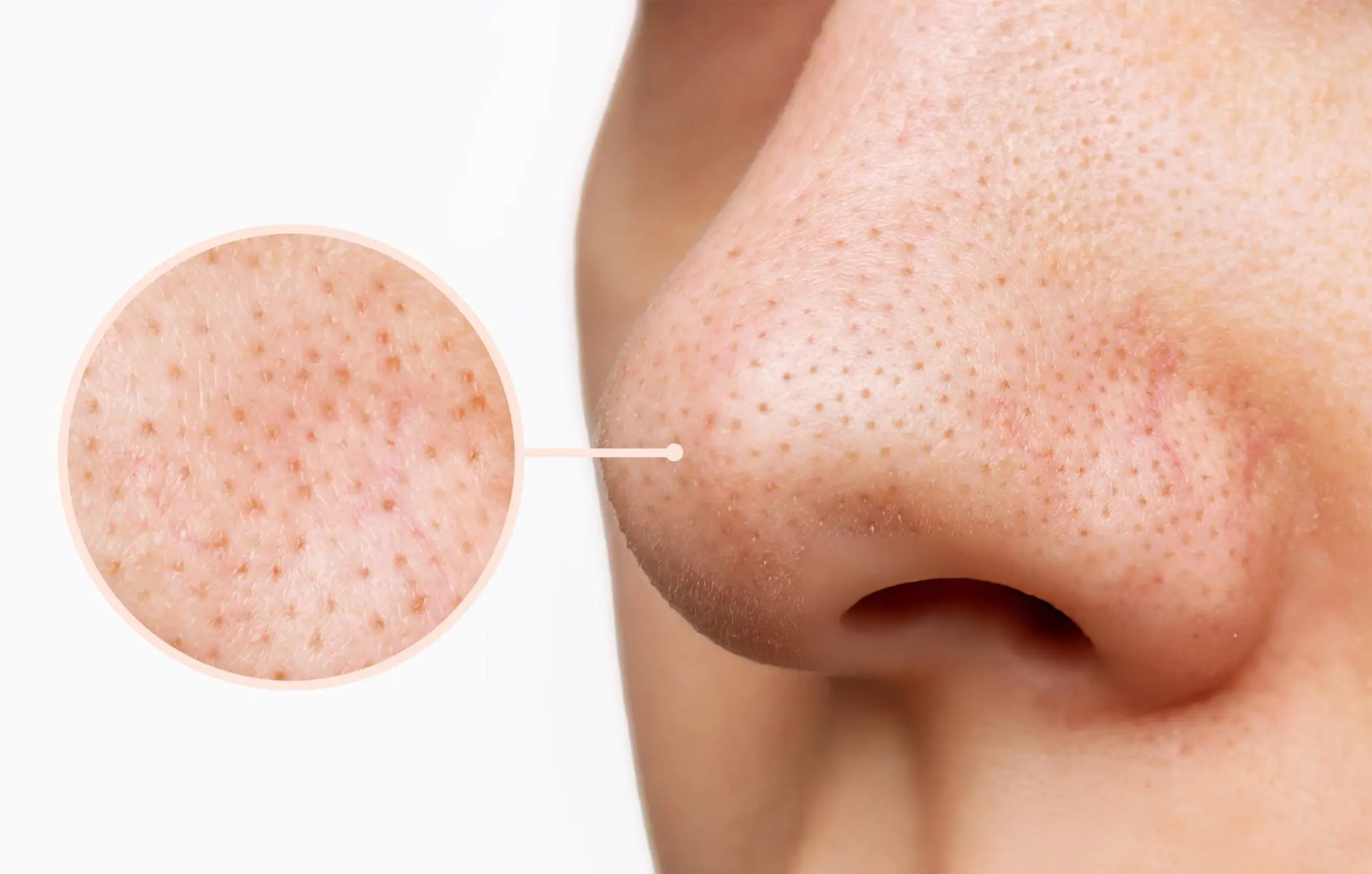
Small dark or grey dots around the nose, chin or cheeks are one of the most common skincare frustrations. Many people assume they are blackheads and try to scrub, squeeze or extract them, only for the dots to return within days. In many cases, these dots are not blackheads at all. They are sebaceous filaments.
Understanding the difference between blackheads and sebaceous filaments matters, because both are treated differently. Trying to remove sebaceous filaments the way you would treat blackheads may irritate the skin and damage the skin barrier.
Key Takeaways
- Blackheads and sebaceous filaments both appear as small dots but are structurally different.
- Blackheads are a type of acne caused by clogged pores. Sebaceous filaments are a normal part of skin function.
- Sebaceous filaments cannot be permanently removed, but consistent skincare may make them less noticeable.
- Home extraction is not recommended for either concern.
- Gentle skincare and selected professional treatments may help manage blackheads or make visible sebaceous filaments less noticeable, although results vary.
Blackheads vs Sebaceous Filaments
Blackheads and sebaceous filaments may look similar, but they are different skin structures.
| Feature | Blackheads | Sebaceous Filaments |
| What they are | Open comedones and a mild form of acne | Normal structures that line the hair follicle |
| How they form | Sebum and dead skin cells plug the follicle | They help move sebum from the sebaceous gland to the skin surface |
| Typical colour | Dark brown or black due to oxidation and pigment changes—not dirt | Grey, yellow or beige |
| Common areas | Nose, chin, forehead and other acne-prone areas | Nose, chin and cheeks |
| Are they acne? | Yes | No |
What Are Blackheads?
Blackheads are open pores blocked by oil, dead skin cells and other debris. When the trapped material is exposed to air, it oxidises and develops a dark or black surface.
Common features include:
- Often appear on the nose, chin, forehead, back and shoulders
- May feel slightly raised, firm or bumpy
- Can occur alongside whiteheads or inflammatory acne
- May contain a firmer plug of oxidised material
- Are considered a mild form of acne
Factors that may contribute to blackheads include hormonal changes, oily or combination skin, dead skin cell buildup, humid conditions, genetics and heavy or pore-clogging skincare products.
What Are Sebaceous Filaments?
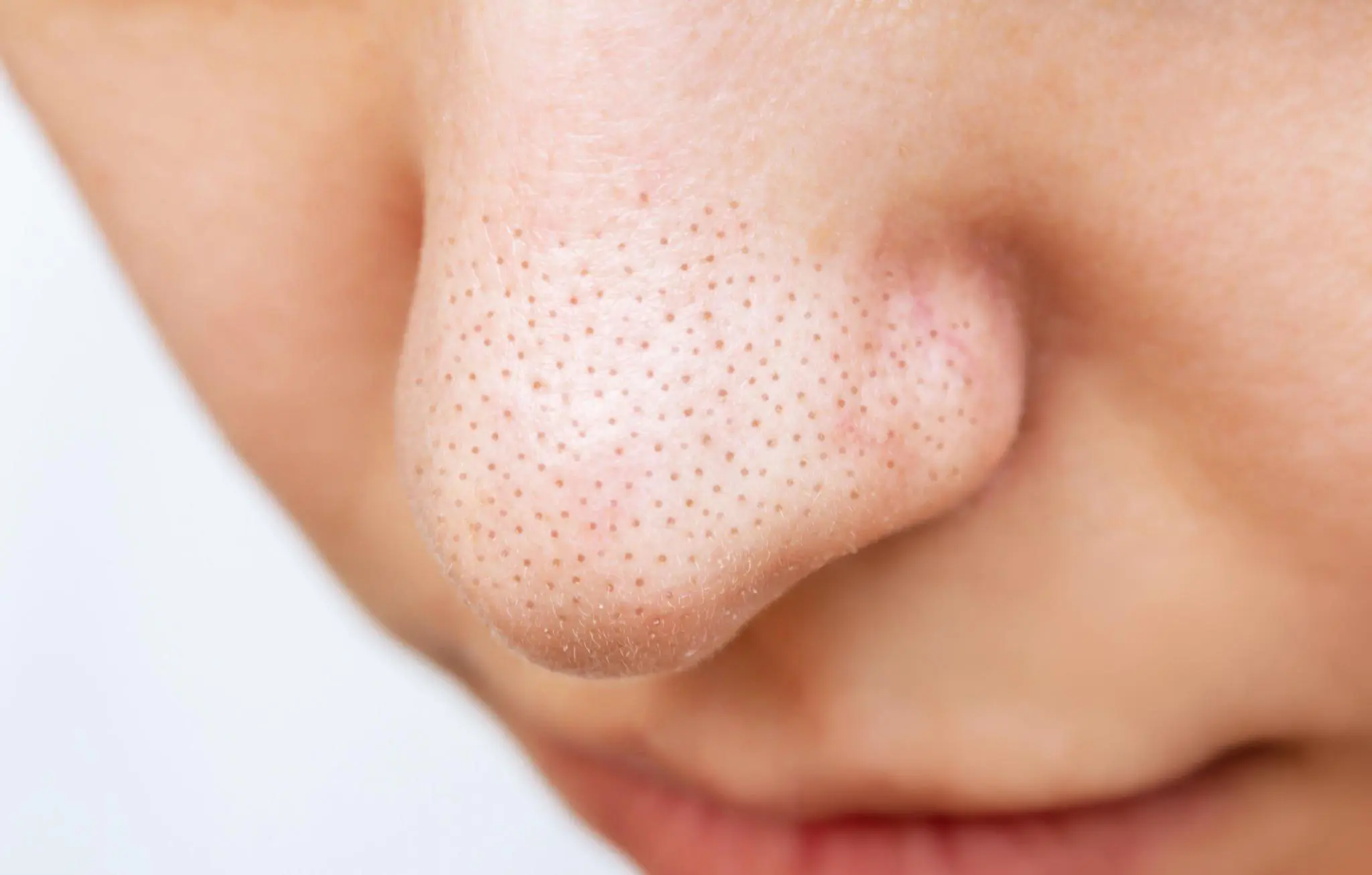
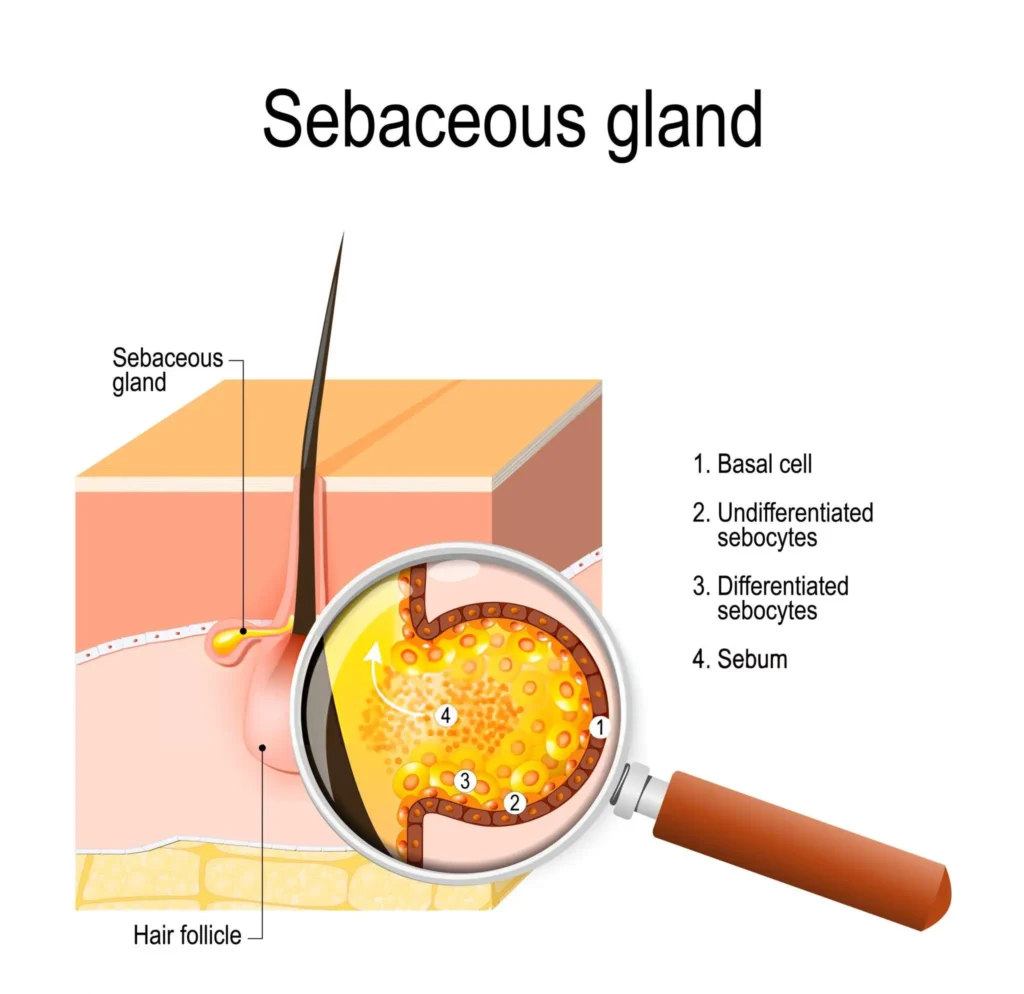
Sebaceous filaments are natural, thread-like structures inside hair follicles. They help move sebum from the sebaceous glands to the skin’s surface, so everyone has them.
They are more likely to look noticeable in areas with active oil glands or larger pore openings.
Typical features include:
- Fine grey, yellow or beige dots
- Usually flat and evenly distributed
- Most visible across the nose, chin and cheeks
- May contain a thin thread of sebum
- Refill within days or weeks after being squeezed
- Are not caused by acne, clogged pores or poor hygiene
According to the Cleveland Clinic, sebaceous filaments are part of the skin’s normal oil-transport system and cannot be permanently removed.
How to Tell the Difference at Home
Blackheads and sebaceous filaments can look similar, but several features may help you tell them apart.
| Feature | Blackheads | Sebaceous Filaments |
| Colour | Dark brown or black | Grey, yellow or beige |
| Texture | May feel raised, firm or bumpy | Usually flat and smooth |
| Pattern | Often appear irregularly | Commonly appear evenly spaced |
| Typical areas | Nose, chin, forehead and other acne-prone areas | Nose, chin and cheeks |
| Contents | May contain a firmer plug | May contain a thin thread of sebum |
| How they return | May recur as pores become blocked again | Naturally refill within days or weeks |
| Connection with acne | A mild form of acne | Not a form of acne |
Avoid squeezing either concern at home, as this may irritate the skin. When the difference is unclear, a professional skin consultation can help identify what you are seeing and guide the next step.
Why Do You Get Blackheads and Sebaceous Filaments?
Blackheads develop when sebum and dead skin cells build up inside a hair follicle. Several factors may make them more likely.
Blackheads may be influenced by:
- Higher oil production
- Hormonal changes
- Oily or combination skin
- Dead skin cell buildup
- Pore-clogging skincare or makeup
- Hot or humid conditions
- Acne tendency and genetics
Sebaceous filaments are normal structures, but they may become more noticeable under certain conditions.
Sebaceous filaments may look more visible when:
- Oil production is higher
- Pore openings appear larger
- The skin is dry
- Age-related changes make texture more noticeable
- Harsh cleansing or frequent scrubbing irritates the skin
Neither concern is caused by poor hygiene. Frequent washing, strong cleansers and aggressive scrubbing may dry or irritate the skin, making redness and surface texture more noticeable.
Can You Get Rid of Sebaceous Filaments Permanently?
Sebaceous filaments cannot be permanently removed because they are a normal part of the skin’s oil-transport system.
Key points to remember:
- Everyone has sebaceous filaments.
- They naturally refill after being squeezed or extracted.
- Extraction provides only a temporary visible change.
- Gentle skincare may make them less noticeable over time.
- Professional facial treatments may temporarily make visible sebaceous filaments less noticeable, but they cannot permanently remove them or prevent them from refilling.
The realistic goal is to manage their appearance rather than expect complete removal.
How to Reduce the Appearance of Blackheads and Sebaceous Filaments
A gentle and consistent skincare routine may help reduce blackheads and make sebaceous filaments less noticeable.
- Cleanse gently: Use a mild cleanser that removes oil, sunscreen and makeup without leaving the skin tight or irritated.
- Consider salicylic acid: This oil-soluble ingredient may help reduce the buildup of sebum and dead skin cells within follicles.
- Use active ingredients carefully: Topical retinoids may help with comedonal acne, but they can cause dryness or irritation and may not suit everyone.
- Choose non-comedogenic products: Look for skincare and makeup formulated to reduce the chance of blocked pores.
- Support the skin barrier: Use a suitable moisturiser to help manage dryness and irritation.
- Apply sunscreen daily: Sun protection supports overall skin health and helps limit irritation from active skincare ingredients.
- Avoid aggressive routines: Harsh scrubs, frequent pore strips and daily use of strong exfoliating acids may irritate the skin.
Ask a pharmacist, GP or dermatologist for advice before using retinoids if you are pregnant, using prescription acne treatments or unsure which active ingredients can be combined.
Professional Treatments That May Help
Hydrodermabrasion
Hydrodermabrasion: Hydrodermabrasion combines cleansing, surface exfoliation and hydration. It may temporarily improve the appearance of surface congestion and uneven texture, but it does not permanently remove sebaceous filaments.
Pro Power Peel
The Pro Power Peel may be discussed for concerns such as comedonal congestion or uneven-looking texture after assessment. The peel selected, possible irritation, downtime and aftercare depend on skin type and current product use.
Skinduced Signature Facial
The Skinduced Signature Facial combines several facial-care steps that may support cleansing, hydration and general skin appearance. It should not be presented as a treatment that permanently removes blackheads or sebaceous filaments.
Not every treatment suits every skin. Suitability, session numbers and expected outcomes are always confirmed at consultation. Results vary between individuals.
What to Avoid With Blackheads and Sebaceous Filaments
Home extraction and aggressive treatments often make both concerns worse. Try to avoid the following:
- Squeezing or picking, which can push debris deeper and cause inflammation
- Physical scrubs with rough particles
- Daily use of strong exfoliating acids
- Frequent pore-strip use, which may dry or irritate the skin and provides only temporary removal of surface material.
- Over-cleansing or hot water washing
- Charcoal peel-off masks with harsh adhesives
- Toothpaste, lemon juice or other unverified home remedies
If you have persistent inflammatory acne, seek advice from a GP, dermatologist or a qualified skin professional rather than relying on aggressive home methods.
When Should You See a Skin Professional?
Consider booking a professional skin consultation if:
- You are unsure whether the concern is blackheads or sebaceous filaments
- Home skincare has not made enough difference
- Blackheads are appearing alongside inflammatory acne
- You would like professional help identifying the concern or choosing a suitable routine.
- Extractions or DIY treatments have irritated your skin.
At Skinduced Aesthetic Clinic in Cameron Park, a skin therapist can review your concern, discuss suitable options and help you build a routine that supports your skin over time.
FAQs
Can sebaceous filaments turn into blackheads?
Sebaceous filaments do not automatically turn into blackheads. They are structurally different. A blackhead can form when a pore becomes fully clogged, but this happens through a different process.
Are blackheads a form of acne?
Yes. Blackheads are a mild form of acne, medically known as open comedones. They may appear on their own or alongside whiteheads and inflammatory breakouts.
Do pore strips remove sebaceous filaments?
Pore strips may temporarily lift surface debris and sebum threads, but the filaments refill within days. Frequent use may irritate the skin barrier.
Can I squeeze sebaceous filaments?
Squeezing is not recommended. It can irritate the skin, damage the pore lining and cause temporary redness or inflammation.
Does salicylic acid help with both concerns?
Salicylic acid is oil-soluble and may help reduce blackheads and soften the appearance of sebaceous filaments when used consistently and in appropriate concentrations.
Do sebaceous filaments go away with age?
They remain throughout life but may become more or less visible depending on oil production, skin health and pore appearance.
This information is general only and does not replace personalised skin or medical advice. Treatment suitability and outcomes vary between individuals. Persistent or worsening skin concerns should be assessed by a qualified skin professional, GP or dermatologist.
