Can You Get Rid of Rosacea? Signs, Symptoms and Treatment Options
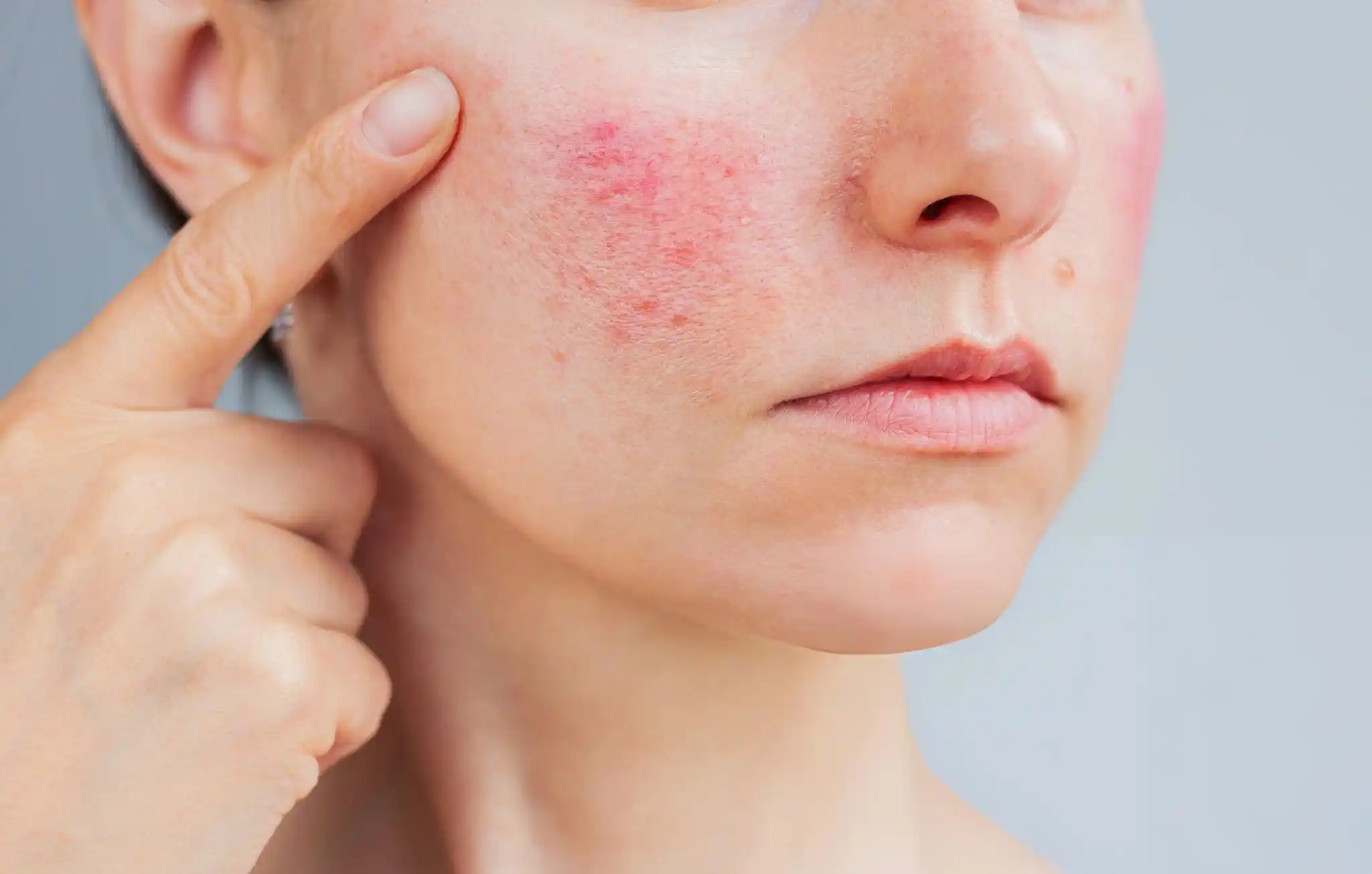
Facial redness that keeps coming back can feel frustrating. You might notice red cheeks, flushing, sensitive skin, or visible vessels that do not settle, no matter what you try.
For many adults across NSW, this kind of ongoing redness can be linked to rosacea-prone skin. The right approach depends on your symptoms, triggers, and skin type, which is why understanding the cause matters before choosing any treatment.
If your redness keeps returning or your skin reacts easily, a professional skin consultation can help you understand what may be causing it. You can book a skin consultation in Cameron Park to discuss your concerns and suitable next steps.
Can You Get Rid of Rosacea?
Rosacea usually cannot be permanently cured. However, symptoms such as redness, flushing, and flare-ups may be managed with the right care plan.
Most people focus on reducing the frequency of flare-ups and improving the appearance of persistent redness over time. This often involves a mix of trigger management, gentle skincare, sun protection, and professional advice.
The most suitable approach varies from individual to individual. A professional assessment helps identify what is contributing to your redness before any treatment option is discussed.
What Is Rosacea?
Rosacea is a common long-term skin condition that can cause facial redness, flushing, visible blood vessels, and sometimes acne-like bumps. It usually affects the cheeks, nose, chin, and forehead.
It is considered a chronic inflammatory skin condition. This means it tends to come and go in flare-ups rather than appearing once and disappearing for good.
Rosacea often develops in adults rather than teenagers. Many people first notice it as redness or flushing that gradually becomes more frequent.
Common Signs and Symptoms of Rosacea
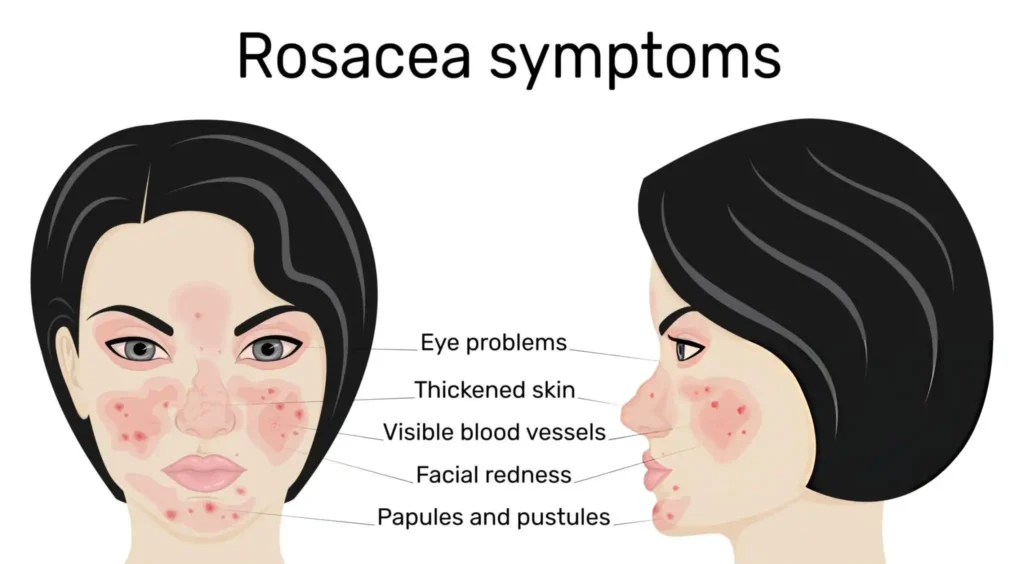
Rosacea symptoms can vary from person to person. They often affect the central areas of the face, including the cheeks, nose, chin, and forehead.
Common signs of rosacea may include:
- Persistent facial redness that does not fully settle
- Flushing or blushing easily
- Red cheeks or a red nose
- Visible blood vessels on the face
- Burning or stinging skin
- Sensitive or dry skin
- Acne-like bumps or small pustules
- Eye irritation or gritty, watery eyes
Symptoms can range from mild to more noticeable. Some people mainly experience redness and visible vessels, while others notice bumps or eye-related symptoms.
Is It Rosacea, Acne or Sensitive Skin?
Rosacea can look similar to acne, dermatitis, sun damage, or general sensitive skin. This overlap often confuses and leads people to use the wrong products.
Because of this, a professional skin assessment is helpful before choosing any treatment. Self-diagnosis can sometimes make redness or irritation worse.
What Can Trigger Rosacea Redness?
Many people notice rosacea flare-ups after certain lifestyle, weather, or skincare triggers. Identifying your personal triggers is one of the most useful steps in managing redness.
Common rosacea triggers may include:
- Sun exposure and UV radiation
- Heat or hot weather
- Wind and sudden temperature changes
- Exercise and physical exertion
- Emotional stress
- Spicy foods and hot drinks
- Alcohol
- Harsh skincare, fragrance, or over-exfoliation
Living in NSW often means regular sun exposure, warmer days, and an outdoor lifestyle. For some people with rosacea-prone skin, these factors may trigger flushing or redness more easily, which makes daily sun protection particularly important. Adjusting your routine seasonally also helps reduce flare-ups; see our autumn skincare routine for sensitive skin for cooler-month guidance.
How to Get Rid of Rosacea: Treatment Options for Sensitive Skin
Rosacea treatment depends on your symptoms, skin type, triggers, and whether you have redness, visible vessels, bumps, or eye irritation. There is no single approach that suits everyone.
Options that may be discussed include:
- Gentle, non-irritating skincare
- Daily sunscreen, ideally a mineral-based option
- Trigger management and lifestyle adjustments
- GP or dermatologist advice for ongoing symptoms
- Topical prescription treatments in some cases
- Oral medication, where a doctor considers it appropriate
- Vascular laser for visible vessels or persistent redness in suitable patients
- IPL for some redness concerns, where suitable after assessment
Results vary between individuals, and suitability is determined during consultation. A balanced plan often works better than relying on one treatment alone.
When May Vascular Laser Be Discussed?
Vascular laser may be discussed when redness is linked with visible blood vessels, broken capillaries, telangiectasia, or rosacea-prone skin. It focuses on reducing the appearance of surface redness and visible vessels rather than curing rosacea.
Suitability depends on your skin type, symptoms, and individual response. You can learn more about vascular laser treatment options and discuss whether it may be appropriate during a consultation.
How to Manage Rosacea Redness Day to Day
Daily habits can make a real difference in how often flare-ups happen. The goal is to reduce irritation and protect the skin barrier. If your skin feels reactive or compromised, our guide on how to fix a damaged skin barrier covers practical repair steps that pair well with a rosacea-friendly routine.
Practical steps that may help include:
- Keep a trigger diary to identify what worsens your redness
- Use gentle, non-irritating skincare
- Avoid harsh scrubs and exfoliating acids
- Avoid fragrance-heavy products
- Apply sunscreen daily, even on cooler days
- Keep your face cool during flushing episodes
- Speak with a GP or dermatologist for ongoing or worsening symptoms
These steps will not cure rosacea, but they may help reduce how reactive your skin feels over time. Some patients also explore regenerative options like PRP treatment for skin healing as part of a wider rejuvenation plan, when suitable after consultation.
When Should You Seek Professional Advice for Facial Redness?
Some redness settles with simple care. Other times, professional advice is the more sensible step.
Consider seeking advice if:
- Redness keeps coming back or does not settle
- Your skin burns or stings regularly
- Skincare products consistently irritate your face
- Visible blood vessels appear to be increasing
- Red bumps do not respond to acne products
- You notice eye irritation or gritty eyes
- You are unsure whether it is rosacea, acne, or dermatitis
If you notice visible red lines or redness that does not settle, a skin assessment can help identify whether vascular redness may be part of the concern. Skinduced offers consultation-based options for broken capillaries and facial redness in Cameron Park and the surrounding NSW areas.
Rosacea and Redness Support Near Cameron Park, Newcastle and Lake Macquarie
Skinduced Aesthetics Clinic is located at Shop 19, Cameron Park Plaza, 309 George Booth Drive, Cameron Park NSW 2285. The clinic supports patients across Newcastle, Lake Macquarie, Wallsend, Cardiff, Glendale, Charlestown, Warners Bay, Maitland, and the wider Hunter Region.
If you are based nearby and want to understand your redness concern, Skinduced can assess your skin and discuss suitable treatment options based on your skin type, symptoms, and goals.
Quick Summary: Can Rosacea Redness Be Managed?
- Rosacea can cause facial redness, flushing, and visible vessels.
- It may look like acne or sensitive skin, so assessment matters.
- Triggers can include sun, heat, stress, spicy food, and skincare irritation.
- Rosacea usually cannot be permanently cured.
- Redness and flare-ups may be managed with professional advice and suitable treatment options.
FAQs
How to get rid of rosacea permanently?
Rosacea usually cannot be permanently cured. However, symptoms such as redness, flushing, and flare-ups may be managed with trigger control, gentle skincare, sun protection, and treatment options discussed after a professional assessment.
What are the common signs of rosacea?
Common signs of rosacea include persistent facial redness, flushing, visible blood vessels, acne-like bumps, burning or stinging skin, and sometimes eye irritation. Symptoms vary between individuals and usually affect the central face.
What are the symptoms on the face?
Rosacea symptoms on the face often appear across the cheeks, nose, chin, and forehead. They can include redness, flushing, visible vessels, small bumps, and sensitive or stinging skin. The eyes may also be affected in some cases.
Can lasers help rosacea redness?
Vascular laser may be discussed for visible blood vessels or persistent redness in suitable patients. It focuses on reducing the appearance of redness rather than curing rosacea. Suitability and expected outcomes are determined during a consultation.