
Everything You Need to Know About RF Skin Tightening Treatment
RF skin tightening is a non-surgical treatment category that may be considered for mild to moderate skin laxity concerns. Many people search for it when they notice loose skin, reduced firmness, jawline softening, or stomach skin laxity that has not responded to lifestyle changes alone.
This article covers how radio frequency skin tightening works, which face and body areas it may address, what RF machines involve, realistic expectations, cost estimates, and what a consultation typically includes.
What Is RF Skin Tightening?
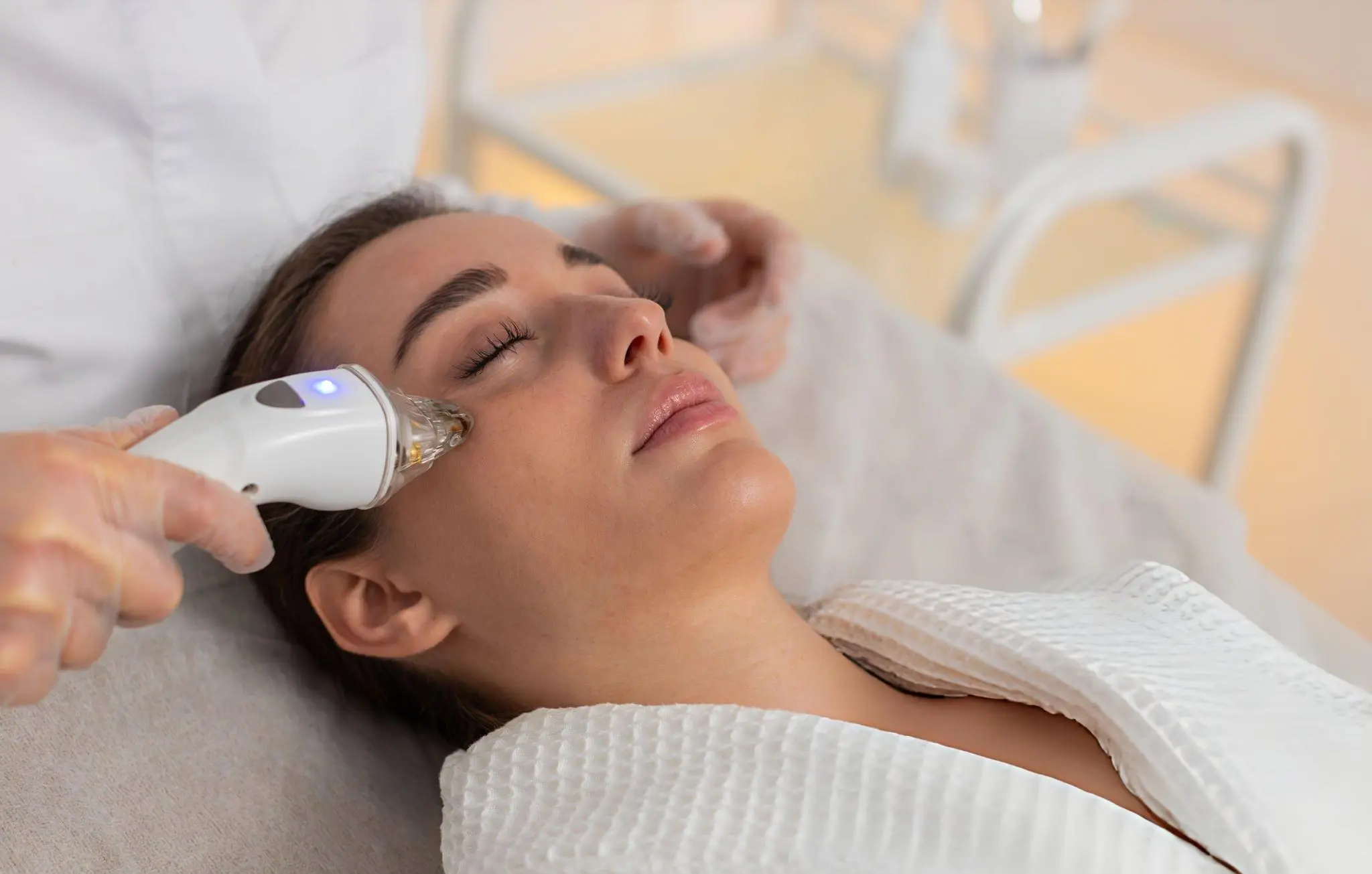
RF skin tightening uses radiofrequency energy to deliver controlled heat into the deeper layers of the skin. The goal is to support collagen and elastin production, which may contribute to gradual improvements in skin firmness over time.
It is not the same as surgery and does not remove excess skin. RF skin tightening is generally considered for mild to moderate skin laxity rather than significant or severe looseness. Suitability depends on individual skin assessment and the concern being addressed.
How Does Radio Frequency Skin Tightening Work?
RF energy creates controlled heat in the dermis and deeper skin layers. This heat may support collagen remodelling and tissue response over time. Some RF treatments work at the skin surface, while RF microneedling delivers energy through fine needles into deeper tissue.
A typical session may involve:
- Skin is cleaned and prepared before treatment begins
- An RF device or handpiece is applied to the treatment area
- Controlled heat is delivered into the skin at clinician-adjusted settings
- Comfort and skin response are monitored throughout
- Aftercare advice is provided before you leave
Treatment settings depend on skin type, concern, and the area being treated. Individual experience varies.
Also read: https://skinduced.com.au/autumn-skin-care-routine/
Does RF Skin Tightening Work for Skin Laxity?
RF skin tightening may support improvements in skin firmness for people with mild to moderate skin laxity. It is not designed for severe loose skin or surgical-level lifting. It works gradually because the collagen response takes time to develop following treatment.
Results vary between individuals and depend on age, skin quality, laxity level, treatment area, number of sessions, and aftercare consistency. RF skin tightening may be a suitable option for some people, but it is not appropriate for every concern. A consultation helps set realistic expectations before any treatment is planned.
RF Face Skin Tightening – Jawline, Neck, and Facial Areas
RF facial skin tightening is commonly explored for concerns including jawline softening, lower face laxity, neck skin laxity, and reduced skin firmness around the cheeks and under-chin area. Fine lines and overall facial skin texture may also be discussed depending on the treatment approach.
Common facial treatment areas include:
- Cheeks and mid-face
- Jawline and lower face
- Neck and under-chin area
- Décolletage
At Skinduced, RF-based treatment options such as Morpheus8 and Vivace RF Microneedling combine microneedling with radiofrequency energy to target deeper skin layers. These may be discussed for facial laxity, fine lines, skin texture, and mild contouring concerns, depending on individual assessment findings. Some patients also combine RF with regenerative options like PRP treatment to support collagen response — pricing and session details are covered in our PRP cost guide.
If jawline, neck, or lower-face laxity is your main concern, a professional skin assessment can help identify whether RF-based treatment is suitable for your skin. For laxity-related changes around the eye area, our guide on how to treat dark circles covers related considerations.
RF Body Skin Tightening – Stomach, Arms, Thighs, and Abdomen
RF body skin tightening may be considered for mild laxity concerns on the stomach, abdomen, arms, thighs, knees, and décolletage. Some adults explore RF skin tightening for the stomach or abdomen after weight changes, ageing, or changes in skin firmness over time.
Body areas often require larger treatment zones, longer session times, and more sessions than facial areas. This affects the overall cost and treatment plan.
RF body skin tightening may be discussed for mild to moderate laxity after a proper assessment. It is not designed to remove large amounts of loose skin or to replace surgical options where significant excess skin is present.
RF Skin Tightening Machine – Professional Devices vs At-Home Devices
People often search for an RF skin tightening machine to understand how RF devices work and whether at-home options compare with clinic-based treatment. Professional RF machines allow trained clinicians to adjust energy levels, device depth, handpiece type, and treatment settings based on individual skin assessment.
Key differences include:
- Professional RF machines use clinician-controlled settings
- Treatment parameters can be adjusted for skin type, concern, and area
- At-home RF devices are usually lower-powered
- At-home devices should not be viewed as equal to clinical-grade treatment
- RF microneedling devices should not be used at home due to safety risks
- Clinic-based treatment includes assessment, device selection, monitored settings, and aftercare guidance
Morpheus8, Vivace RF Microneedling, and RF Skin Tightening
RF skin tightening is a broad category that includes different devices and treatment approaches. Morpheus8 and Vivace RF Microneedling are two RF-based treatments that combine microneedling with radiofrequency energy, placing them in a more advanced category than basic surface RF treatments.
Basic RF skin tightening uses a surface applicator to deliver radiofrequency energy. RF microneedling uses fine needles to deliver RF energy directly into deeper tissue layers, which may support a more targeted collagen response and tissue remodelling.
At Skinduced, both Morpheus8 and Vivace RF Microneedling are available. These treatments may be discussed for skin texture, acne scarring, fine lines, mild laxity, and skin rejuvenation, depending on individual skin assessment findings.
If you are considering RF skin tightening and want to understand which option may suit your skin, a consultation at Skinduced Aesthetics Clinic can help assess your concerns and discuss treatments such as Morpheus8 or Vivace RF Microneedling based on your skin type and goals.
Fat Cavitation and RF Skin Tightening
Fat cavitation and RF skin tightening are different body contouring treatments. Fat cavitation focuses on localised fat concerns, while RF skin tightening focuses on skin firmness, collagen support, and mild tissue laxity.
Some people may discuss one treatment, while others may need a combined plan depending on their body area, skin quality, and goals. Suitability is confirmed through a professional assessment before any treatment is recommended.
RF Skin Tightening Before and After
Visible changes from RF skin tightening develop gradually. Some people notice improvements in skin firmness or texture after completing a treatment course. These changes reflect the skin’s collagen response over weeks and months following treatment.
Realistic expectations include:
- Gradual rather than immediate visible change
- Improvements that continue to develop over the weeks following each session
- Variation between individuals based on age, skin quality, treatment area, and session plan
- Maintenance sessions that may be discussed, depending on individual goals and skin response
No guaranteed outcome applies to RF skin tightening. Results depend on individual factors and are best discussed at a consultation before any treatment begins.
How Much Does RF Skin Tightening Cost in Australia?
RF skin tightening is generally priced per session. Cost depends on the treatment area, device type, clinic, practitioner experience, and number of sessions required. Basic RF treatments typically cost less than RF microneedling or more advanced RF technologies.
Please note: The prices below are general estimates based on common clinic ranges across Australia. Actual costs vary depending on treatment area, device type, clinic, number of sessions, and individual assessment. A consultation is required for an accurate quote.
Cost by Treatment Area
| Treatment Area | Estimated Cost Per Session | Notes |
| Face | $150 – $650 | Basic RF may cost less; RF microneedling costs more |
| Face and Neck | $200 – $800 | Depends on device and session time |
| Neck Only | $150 – $650 | Often treated with a face or jawline |
| Jawline and Under Chin | $150 – $600 | Depends on laxity and device type |
| Decolletage | $150 – $650 | Often paired with neck treatment |
| Stomach and Abdomen | $250 – $900 | Larger area, longer session |
| Arms or Thighs | $250 – $900 | Cost varies by area size |
| RF Microneedling (Morpheus8 style) | $500 – $2,000 | Higher due to device depth and technology |
City-Wise Pricing Guide
| City | State | Est. Cost Per Session | Avg Sessions | Est. Total Cost |
| Sydney | NSW | $180 – $1,500 | 3 – 6 | $540 – $9,000 |
| Newcastle | NSW | $150 – $1,200 | 3 – 6 | $450 – $7,200 |
| Melbourne | VIC | $180 – $1,500 | 3 – 6 | $540 – $9,000 |
| Brisbane | QLD | $150 – $1,300 | 3 – 6 | $450 – $7,800 |
| Gold Coast | QLD | $150 – $1,200 | 3 – 6 | $450 – $7,200 |
| Perth | WA | $150 – $1,200 | 3 – 6 | $450 – $7,200 |
| Adelaide | SA | $150 – $1,100 | 3 – 6 | $450 – $6,600 |
| Canberra | ACT | $180 – $1,300 | 3 – 6 | $540 – $7,800 |
| Hobart | TAS | $150 – $1,000 | 3 – 6 | $450 – $6,000 |
| Darwin | NT | $150 – $1,100 | 3 – 6 | $450 – $6,600 |
These estimates are broad because RF skin tightening covers a range of devices and approaches from basic surface RF to RF microneedling. Treatment type significantly influences cost, and a consultation provides the most accurate pricing for your individual plan.
RF skin tightening costs vary depending on the treatment area, device used, and number of sessions needed. For a more accurate estimate, booking a consultation allows your clinician to assess your skin and provide a personalised treatment plan and cost guide.
Who May Be Suitable for RF Skin Tightening Treatment?
RF skin tightening may be worth discussing for adults who are dealing with mild to moderate skin laxity and prefer a non-surgical approach to skin firming.
People who may be assessed for RF skin tightening include those who:
- Notice skin laxity on the face, neck, jawline, abdomen, arms, or thighs
- Prefer non-surgical skin firming options
- Have realistic expectations about gradual improvement over time
- Are prepared to follow aftercare guidance and a recommended session plan
RF skin tightening may not be appropriate for people who are pregnant, have active skin infections, certain medical conditions, or are taking medications that affect skin healing. People with severe loose skin may require a surgical opinion rather than RF treatment. Suitability is always confirmed through individual assessment.
What Happens During an RF Skin Tightening Consultation?
A consultation allows you to discuss your concern and understand what options may be appropriate before any treatment begins.
During a consultation at Skinduced, your clinician will typically cover:
- Assessment of the skin concern and treatment area
- Review of medical history and suitability
- Discussion of relevant device or treatment options
- Session plan and expected treatment timeline
- Cost estimate based on individual needs
- Aftercare requirements and what to expect
If you are considering RF skin tightening in Newcastle or the Hunter Region, a consultation at Skinduced can help assess your skin concerns and discuss whether options such as Morpheus8, Vivace RF Microneedling, or another skin tightening approach may be suitable for your needs.
FAQs
What is RF skin tightening?
RF skin tightening is a non-surgical treatment that uses radiofrequency energy to deliver controlled heat into deeper skin layers. It may support collagen production and gradual improvements in skin firmness, depending on individual suitability and assessment.
Does RF skin tightening work?
RF skin tightening may support skin firmness improvements for people with mild to moderate laxity. Results vary between individuals and depend on skin quality, age, treatment area, session plan, and aftercare. It is not suitable for every concern, and a consultation helps determine whether it is appropriate.
Is RF skin tightening suitable for the face?
Yes, RF facial skin tightening may be considered for concerns including jawline softening, neck laxity, lower face firmness, and cheek texture. Suitability depends on individual skin assessment.
Can RF skin tightening be used on the stomach?
RF skin tightening for the stomach or abdomen may be discussed for mild laxity concerns after assessment. It is not designed to remove significant loose skin or replace surgical options.
What is an RF skin tightening machine?
An RF skin tightening machine is a clinical device that delivers radiofrequency energy through a handpiece or applicator. Professional machines allow clinicians to adjust energy levels, depth, and treatment parameters based on individual skin assessment.
Is professional RF skin tightening different from an at-home RF device?
Clinic-based RF treatments use professional equipment with controlled settings and clinical assessment. At-home RF devices are generally lower-powered and do not replicate clinical-grade treatment. Regulatory guidance advises against using RF microneedling devices at home.
What is the difference between RF skin tightening and RF microneedling?
Basic RF skin tightening uses a surface applicator to deliver radiofrequency energy. RF microneedling uses fine needles to deliver RF energy into deeper tissue layers, which may support more targeted skin tightening and remodelling.
Can fat cavitation and RF skin tightening be combined?
Fat cavitation and RF skin tightening address different concerns. Fat cavitation targets localised fat while RF skin tightening focuses on skin firmness and laxity. A combined approach may be discussed after assessment, depending on individual goals and suitability.
How many RF skin tightening sessions are usually needed?
The number of sessions depends on the treatment area, skin laxity, device used, and individual response. Many people require a series of sessions rather than a single treatment, but this is confirmed during consultation after the skin has been assessed.
Is RF skin tightening safe?
RF skin tightening is generally considered safe when performed by trained clinicians using appropriate technology and after a proper skin assessment. Temporary redness, warmth, or sensitivity may occur after treatment. Suitability depends on skin type, medical history, and the treatment area.
Final Thoughts
RF skin tightening may be considered for mild to moderate skin laxity on the face or body, depending on the concern, skin quality, device used, and treatment goals. A consultation is the best first step to assess suitability and discuss the most appropriate treatment option.
If you want to understand whether RF skin tightening is suitable for your skin concerns, book a consultation at Skinduced Aesthetics Clinic. Your clinician can assess your skin, explain suitable options, and discuss whether treatments such as Morpheus8, Vivace RF Microneedling, or another skin-tightening approach may be appropriate for your goals.
