What is Broken Capillaries: Causes and Treatment
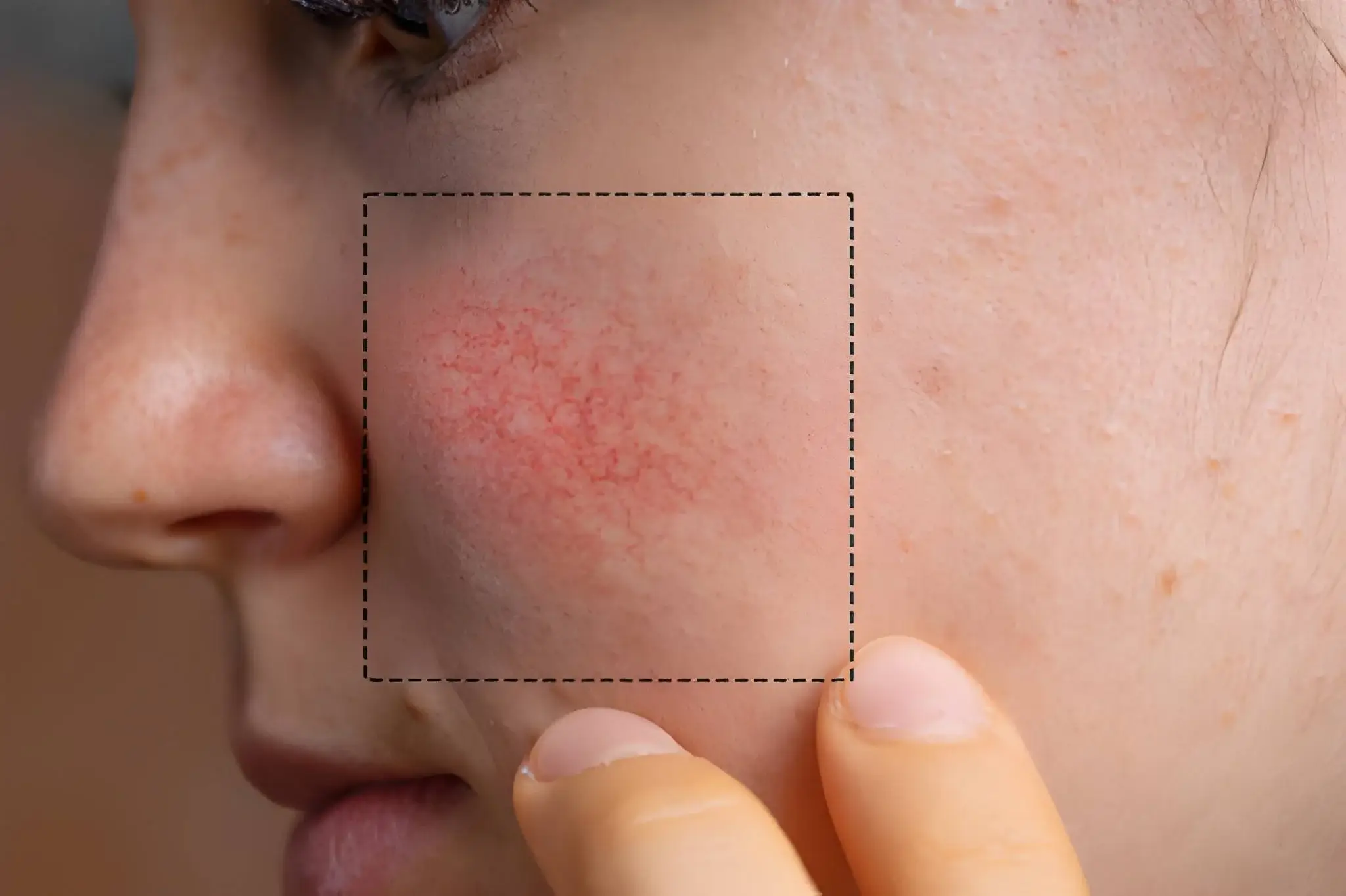
Broken capillaries appear as fine red or purple lines on the skin. They are most visible on the face, particularly around the nose and cheeks. Once they form, these tiny blood vessels typically do not fade without targeted treatment. They form when small blood vessels near the skin’s surface become persistently dilated.
Many people notice broken capillaries as they age or after years of sun exposure. They are harmless in most cases, but can affect skin tone and the overall appearance of the skin. Treatment options exist, but suitability depends on your skin type, the depth of the vessels, and what caused them.
Understanding why broken capillaries form helps you decide whether treatment is proper for you. A valued skin assessment is an appropriate way to explore suitable options.
Not sure which treatment suits your skin? A clinician consultation helps determine whether IPL, vascular laser, or another option is appropriate based on your skin and vessel depth.
Noticing broken capillaries on your face?
Book a complimentary skin consultation at our Cameron Park clinic and our clinicians will assess your skin and recommend the right treatment.
What Is a Broken Capillary?
A broken capillary is a small blood vessel that has become permanently dilated near the skin’s surface. The medical term is telangiectasia. These vessels carry blood but have stretched or weakened over time.
When capillaries dilate, they become visible through the skin as red or purple lines. They do not rupture or bleed through the skin. The term “broken” refers to their damaged structure, not actual breakage.
Once visible, these capillaries remain dilated without treatment. Skincare does not reverse established dilation, but may help reduce the risk of new vessels forming.
Key points:
- Also known as telangiectasia or thread veins
- Not the same as bruising or temporary redness
- Usually permanent without treatment
What Do Broken Capillaries Look Like?
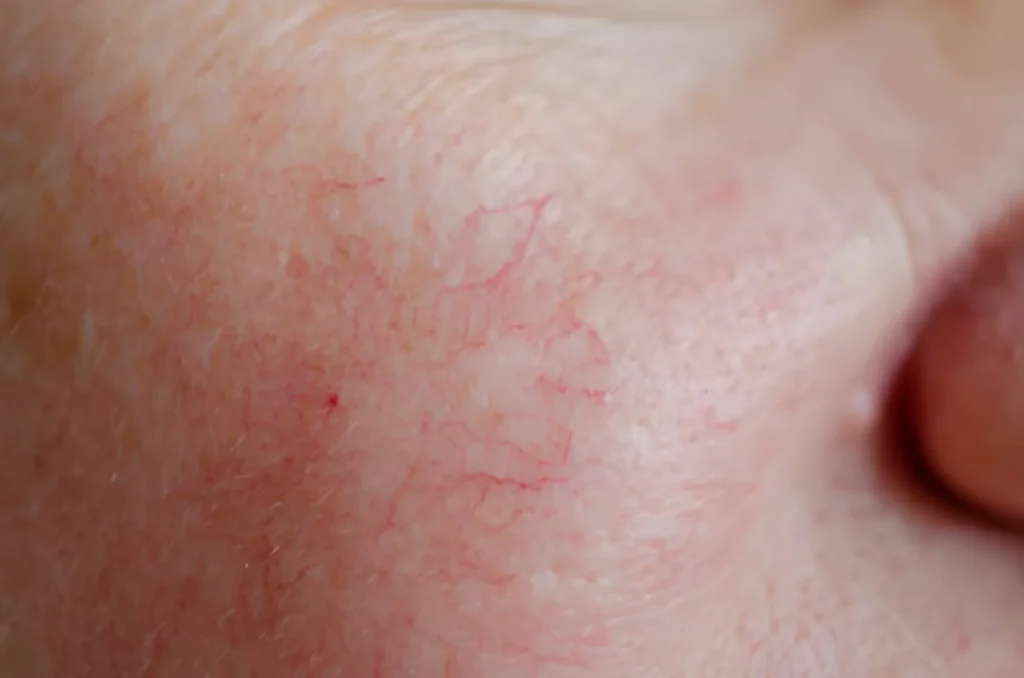
Broken capillaries appear as thin red or purple lines on the skin. They may look like spider webs or small clusters of vessels. Some people see isolated lines, while others notice patches of delicate redness.
The colour ranges from bright red to deeper purple. This depends on vessel depth and skin tone.
Unlike redness from flushing or irritation, broken capillaries typically do not fade with cooling or calming measures. They tend to remain visible, though lighting can affect how noticeable they appear.
Common visual signs:
- Fine red lines or threads
- Spider-web patterns near the nose
- Small clusters on cheeks or chin
- Persistent redness that does not easily fade
If you notice pigmented spots, irregular borders, or lesions that change over time, these should be assessed by a doctor before any cosmetic treatment.
Which Areas Are Most Affected by Broken Capillaries?
Broken capillaries most commonly appear in areas with thinner skin and high sun exposure. The face is a common location, particularly around the nose and cheeks.
Most affected areas:
- Nose and sides of the nostrils
- Cheeks and upper cheekbones
- Chin
- Around the eyes (periorbital area)
- Neck and chest (less common but still possible)
Facial skin is thinner and receives more UV exposure than other body parts. This can make blood vessels more vulnerable to damage over time. Heat, wind, and environmental stress may also affect these areas more noticeably.
Broken capillaries can also appear on the legs, though these are often related to circulation or pressure rather than sun damage.
What Causes Broken Capillaries?
Several factors can weaken capillary walls and contribute to permanent dilation over time. Sun exposure is one of the most common causes in Australia, where UV levels are high year-round.
Sun exposure and UV damage: Repeated UV exposure breaks down collagen in the skin. This weakens the support around blood vessels. Over time, vessels may dilate and become more visible. Coastal areas like Newcastle have strong UV reflection from water and sand, which increases exposure.
Ageing and collagen loss
As skin ages, it produces less collagen. Capillary walls lose structural support and become more fragile. This makes vessels more likely to dilate and this can make vessels more likely to dilate and remain visible over time.
Genetics
Some people are genetically prone to broken capillaries. Fair skin, light eyes, and a family history of vascular concerns increase risk. Genetics also influence how skin responds to the sun and heat.
Rosacea and skin sensitivity
Rosacea causes chronic inflammation and flushing. This repeated dilation can damage vessel walls. Over time, capillaries may lose their ability to constrict and remain enlarged. Over time, capillaries lose their ability to constrict and stay enlarged.
Heat exposure
Hot showers, saunas, and prolonged heat exposure can weaken capillaries. Heat causes vessels to expand. Frequent expansion over time may contribute to permanent dilation.
Trauma or pressure
Frequent nose blowing, coughing, or rubbing can stress delicate facial vessels. Physical trauma from injury or pressure can also can also contribute to capillary wall damage.
Steroid cream misuse
Long-term use of topical steroid creams can thin the skin. This can make blood vessels more visible and vulnerable to damage.
Alcohol and dietary triggers
Alcohol and spicy foods cause temporary flushing. Repeated flushing can contribute to capillary damage over time, especially in people with rosacea or sensitive skin.
None of these causes means you have done something wrong. Broken capillaries are a common skin concern that affects many people for varied reasons.
Are Broken Capillaries a Medical Concern?
Broken capillaries are usually cosmetic and not harmful to your health in most cases. They do not cause pain or affect circulation. Most people seek treatment because of appearance or visible redness.
However, a professional clinical assessment is still essential before treatment. Some skin changes may need medical review rather than cosmetic intervention.
When to seek medical review:
- Rapid appearance of new vessels
- Bleeding from the skin
- Irregular pigmentation or borders
- Associated symptoms like swelling or tenderness
A doctor can rule out underlying conditions and confirm that cosmetic treatment is appropriate. This step is important before proceeding to ensure no other skin conditions are present.
Do Broken Capillaries Go Away on Their Own?
No, visible broken capillaries usually do not fade naturally. Once a capillary has dilated and become visible, it typically remains that way without treatment.
Skincare can help reduce inflammation and support the skin barrier. This may prevent new capillaries from forming. However, skincare cannot reliably reverse existing vessel dilation or remove visible vessels.
Targeted clinical treatments are a common and effective way to reduce the appearance of broken capillaries that are already present.
What Are the Treatment Options for Broken Capillaries?
Treatment for broken capillaries depends on vessel depth, skin tone, and the cause of the concern. Not all methods suit all skin types. A consultation helps identify which option may work best for you.
Broken capillaries can vary in depth and cause. A consultation allows your clinician to assess your skin properly before suggesting any treatment option.
IPL Treatment for Broken Capillaries
IPL stands for Intense Pulsed Light. It uses broad-spectrum light to target haemoglobin in the blood. The light energy heats the vessel walls, which leads to controlled damage to the vessel walls. The body then reabsorbs the treated vessel over time.
IPL is commonly used for widespread facial redness and fine capillaries. It treats larger areas in one session. Results develop gradually over several weeks as treated vessels fade.
IPL treatment details:
- Commonly used for mild to moderate vessels
- Treats diffuse redness across the face
- Requires multiple sessions for optimal results
- Gradual improvement over several weeks
IPL may not be suitable for all skin tones. Darker skin carries a higher risk of pigmentation changes. A patch test and skin assessment are essential before treatment.
Multiple sessions are often required. Results vary depending on vessel depth and skin response.
Vascular Laser Treatment
Vascular laser uses a targeted wavelength to treat specific blood vessels. It delivers precise energy to individual capillaries, which damages the vessel so it can be naturally cleared by the body over time. The body gradually removes the treated vessel.
Vascular laser allows targeted treatment of individual vessels. Settings must be carefully adjusted based on skin tone and vessel depth. It works well for isolated vessels or stubborn capillaries that have not responded to other treatments.
Vascular laser details:
- Precise targeting of individual vessels
- Suitable for deeper or resistant capillaries
- Requires skin assessment
- Treatment course varies depending on vessel depth and skin response
Skin tone and vessel depth affect treatment safety and results. Settings must be adjusted carefully to avoid pigmentation changes or skin damage.
If you are unsure whether IPL or a vascular laser is suitable for your skin, a consultation allows options to be discussed safely based on your skin assessment.
Can Skincare Treat Broken Capillaries?
Skincare cannot remove broken capillaries. However, it can support your skin barrier and may help reduce factors that contribute to the development of new visible vessels.
Gentle products reduce inflammation and protect against environmental damage. This may help support skin stability and reduce ongoing irritation that can affect blood vessels.
Supportive skincare habits:
- Use a gentle, non-foaming cleanser
- Apply broad-spectrum SPF 50+ daily
- Choose barrier-repair moisturisers
- Avoid harsh scrubs or strong exfoliants
Skincare is an essential part of prevention and maintenance. It does not replace treatment for existing broken capillaries.
Want to know which treatment suits your skin?
A quick complimentary consultation helps our team assess vessel depth and skin type, then map out a plan and realistic number of sessions.
How Many Sessions Are Usually Needed?
The number of sessions depends on the treatment type and severity of the capillaries. Results also vary between individuals based on skin response and vessel depth.
Typical session ranges:
- IPL treatment: often 2–4 sessions
- Vascular laser: Session numbers vary depending on vessel depth and response
- Maintenance treatments may be required over time
This allows the skin to heal between treatments and for changes to be assessed safely.
Your clinician will assess your skin during each session and adjust the plan as needed. Some vessels may respond sooner than others, while additional sessions may be needed in certain cases.
Treatment outcomes vary between individuals. A thorough assessment helps set realistic expectations and guide a treatment plan suited to your skin.
What Results Can You Realistically Expect?
Results from broken capillary treatment are gradual. Vessels fade over several weeks as the body gradually processes treated vessels. Most people see visible improvement, but complete clearance is not always possible. No treatment can guarantee complete or permanent removal of broken capillaries.
Some vessels respond better than others. Deeper capillaries or those caused by ongoing triggers like rosacea may require maintenance. New vessels can also form over time, especially without sun protection.
Realistic expectations:
- Gradual reduction in the appearance of treated vessels
- Partial clearance is common
- Some vessels may persist or require further treatment
- Long-term sun protection and trigger management are essential
Treatment does not prevent new capillaries from forming. Ongoing skin care and lifestyle adjustments may help support longer-term results.
No treatment can guarantee the complete or permanent removal of all broken capillaries. Results depend on individual skin factors and response to treatment.
8 Ways to Help Reduce the Risk of Broken Capillaries on the Face
While treatment addresses existing capillaries, certain habits can help reduce the risk of new ones forming or existing ones worsening.
Protective measures:
- Wear daily SPF 50+ sunscreen to protect against UV damage
- Avoid excessive heat exposure, including hot showers, saunas, and steam rooms
- Use gentle skincare products that do not irritate or inflame the skin
- Avoid long-term use of topical steroid creams unless prescribed and monitored by a doctor
- Manage rosacea triggers if you have sensitive or reactive skin
- Limit alcohol consumption, as it can cause facial flushing
- Protect your skin from wind and cold with appropriate clothing or barrier creams
- Seek professional clinical assessment before treatment to ensure safety and suitability
These steps support skin health and may help reduce factors that contribute to the development of new capillaries. They do not reverse existing damage but form part of a long-term care plan.
How to Prevent Broken Capillaries from Worsening
Prevention focuses on protecting the skin and avoiding triggers that cause vessel dilation. Early intervention may help reduce factors that contribute to progression.
Sun protection
Daily use of broad-spectrum SPF 50+ is strongly recommended. Reapply every two hours during outdoor activity. UV exposure is one of the leading causes of capillary damage in Australia.
Skin barrier care
A healthy skin barrier supports skin resilience and may help reduce inflammation and sensitivity. Use gentle cleansers and moisturisers that support barrier function. Avoid products with harsh ingredients or strong fragrances.
Early intervention
If you notice new redness or visible vessels, consider a our clinician assessment. Treating capillaries early may help avoid more extensive treatment later.
Avoid aggressive treatments
Harsh exfoliants, peels, or devices can damage delicate facial vessels. Choose treatments that are appropriate for your skin type and concerns.
Consistent care helps protect existing skin health and may help limit factors that contribute to new capillaries forming.
Broken Capillaries Treatment in Cameron Park and Surrounding Areas
Skinduced Aesthetics Clinic is located in Cameron Park, Newcastle. The clinic offers doctor-led skin assessments and treatments for broken capillaries. Services include IPL and vascular laser options, selected based on individual skin concerns following assessment.
Consultations focus on understanding your skin type, vessel depth, and treatment suitability. A customize treatment plan is created only after assessment. This approach supports safety and realistic outcomes.
The clinic serves Cameron Park, Newcastle, Lake Macquarie, and surrounding areas. If you live locally, an in-person consultation allows your skin to be assessed before any treatment is considered.
Pricing and What Affects Treatment Cost
Treatment costs vary depending on several factors. Pricing is usually discussed during consultation after your skin has been assessed.
Factors that affect cost:
- Area being treated – larger areas may cost more
- Number of vessels – extensive capillaries may require more time or sessions
- Treatment type – IPL and vascular laser have different pricing structures
- Sessions required – total cost depends on how many treatments are needed
Final pricing and treatment suitability are confirmed only after a clinical assessment.
Some clinics price per session, while others offer package pricing. Maintenance sessions may sometimes be discussed depending on individual response and skin changes over time.
Estimated Broken Capillaries Treatment Cost by City (Australia)
Pricing for IPL and vascular laser treatment can vary slightly by city due to clinic overheads, demand, and equipment used. The table below provides indicative price ranges across major Australian locations.
| City / Location | IPL Treatment (Per Session) | Vascular Laser Treatment (Per Session) |
|---|---|---|
| Newcastle / Lake Macquarie | $180 – $400 | $250 – $550 |
| Sydney | $220 – $480 | $300 – $650 |
| Melbourne | $200 – $450 | $280 – $620 |
| Brisbane | $190 – $420 | $260 – $580 |
| Perth | $180 – $400 | $250 – $560 |
| Adelaide | $170 – $380 | $240 – $540 |
Prices shown are indicative only and may vary based on individual skin assessment, vessel depth, treatment area, and clinical suitability.
Pricing is discussed after consultation to help align the treatment plan with your skin needs and budget. This prevents misunderstandings and allows for informed decisions.
The Role of Doctor-Led Care in Treating Broken Capillaries
A doctor-led clinic provides medical oversight and supports the safe delivery of treatments. This is especially important for energy-based treatments like IPL and vascular lasers.
Benefits of doctor-led care:
- Proper diagnosis before treatment
- Use of TGA-approved medical-grade devices
- Treatment planning based on individual skin assessment
- Ongoing monitoring and adjustment of treatment
They assess your skin thoroughly and select treatment settings based on clinical assessment and response.
This approach helps reduce the risk of complications and supports appropriate care based on your skin type and concerns.
When Should You Book a Skin Assessment?
A skin assessment is the first step toward understanding your treatment options. It allows a clinician to examine your skin, discuss your concerns, and discuss potential next steps based on your skin assessment.
Consider booking an assessment if you:
- Have persistent facial redness that does not fade
- Notice visible red or purple lines on your face
- Find that skincare is not improving your redness
- Are unsure whether IPL or a vascular laser is suitable for you
An assessment does not commit you to treatment. It provides information to support informed decision-making about your skin care.
Conclusion
Broken capillaries are a common skin concern. They form when small blood vessels dilate and remain visible near the skin’s surface. Sun exposure, ageing, and genetics are among the leading causes.
Treatment options include IPL and vascular laser. Both work by targeting blood vessels, which may reduce their appearance over time. Results vary, and multiple sessions are often needed.
Prevention and long-term care matter. Daily sun protection and gentle skincare may help reduce the risk of new capillaries forming.
Broken capillaries are familiar and manageable, but treatment suitability depends on individual skin factors. A consultation is the safest way to understand your options and discuss whether treatment may be appropriate based on your skin assessment.
Ready to treat those visible vessels?
Book a complimentary, doctor-led skin assessment in Cameron Park and discuss whether vascular laser or IPL is right for your skin.
