Laser Tattoo Removal

Fade unwanted ink with a personalised treatment plan.

In compliance with TGA and AHPRA advertising guidelines, we are unable to provide detailed treatment information on our website. If you’re considering cosmetic treatments, we invite you to book a consultation where our experienced team can discuss your goals, treatment suitability, options available, potential risks, and expected outcomes.
Laser Tattoo Removal Newcastle

Gradual fading of unwanted tattoos over a series of sessions

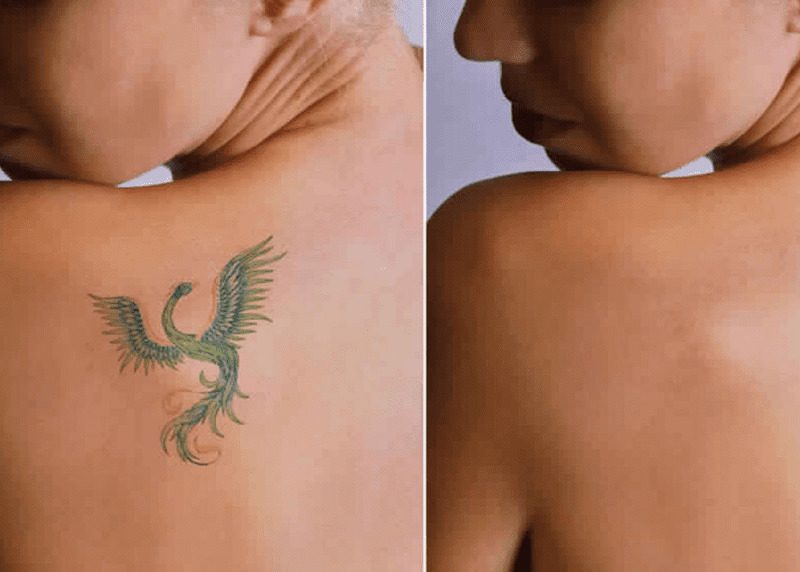
If you no longer want a tattoo because your style has changed or the design is no longer right for you, laser tattoo removal may help to gradually fade or remove its appearance over time. Results depend on factors such as ink colour, depth, size, location and your skin type, and multiple sessions are usually required.

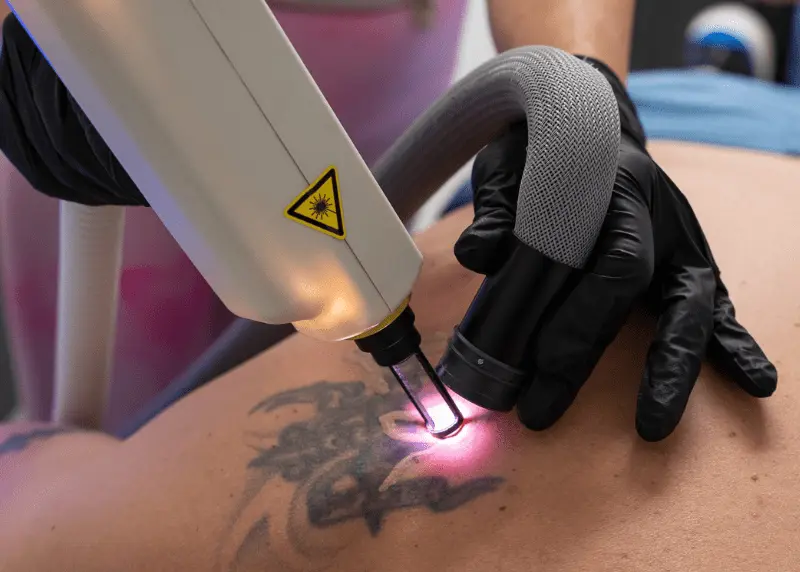
At Skinduced, our doctors and nurses use medical‑grade Q‑switched and picosecond laser technology designed to break tattoo ink into smaller particles that the body can gradually clear. The number of treatments needed can vary widely, and some tattoos may not disappear completely. There is also a risk of side effects such as pigment change or scarring, which your practitioner will discuss with you before treatment.

Benefits of Laser Tattoo Removal Treatment

Boosted confidence

Feeling more comfortable with the appearance of treated tattoos.

Less irritation and rubbing

Reduced friction from tattoos that sit under clothing or equipment.

More freedom to change designs

Lightened ink can make cover‑up or redesign options easier.
Quick sessions

Short appointments scheduled several weeks apart.

Comfort‑focused treatment

Cooling and careful settings used to help manage discomfort.
Gradual fading of tattoos

Many tattoos become lighter over a series of treatments; results vary.
How Does Tattoo Removal Work?

Modern laser tattoo removal uses focused light energy to target tattoo ink in the skin without the scraping, freezing or cutting involved in older methods such as dermabrasion, cryosurgery or surgical excision. While scarring is less common than with those techniques, it can still occur, and your practitioner will discuss this risk with you.

Different ink colours absorb different wavelengths of light, so specific laser settings are chosen to target particular pigments. The laser energy heats and fragments the ink particles in the deeper layers of the skin while aiming to limit effects on the surrounding tissue.

These smaller ink particles can then be gradually cleared by the body’s immune system over time. Multiple treatment sessions, spaced several weeks apart, are usually needed, and the degree of fading or clearance achieved varies between individuals, tattoo colours and locations. Individual sessions are typically short, often around 10–30 minutes depending on the size and complexity of the tattoo.

When Tattoo Removal May Be Considered

Laser tattoo removal may be discussed during consultation for individuals who are unhappy with the appearance of an existing tattoo or are considering changes to a previous design. Suitability and expected changes vary between individuals and are assessed by a qualified practitioner.

Tattoo removal or fading may be considered in situations such as:

• When a tattoo no longer reflects personal preference or lifestyle
• To reduce the visibility of an existing tattoo over time
• To lighten a tattoo in preparation for a cover-up design
• When dissatisfaction exists with tattoo colour, placement, or quality
• For tattoos that cause ongoing friction, irritation, or discomfort, following clinical assessment

Treatment Care Guidelines

  • Stay out of direct sunlight and avoid tanning for at least two weeks 
  • Drink plenty of water to keep your skin hydrated.
  •  Avoid applying lotions, creams, or makeup on the tattooed area


  • Complete 3–4 treatments, spaced 6–8 weeks apart, to match your tattoo’s ink layers and colour depth.
  • Avoid sun exposure before and after sessions; keep the area covered and use broad-spectrum SPF 30+ to prevent pigmentation changes.
  • Keep the area clean, moisturised, and avoid scratching or picking; mild saline soaks and gentle ointment aid healing and pigment clearance.

Possible temporary skin responses after tattoo removal

As your skin responds to laser tattoo removal, some short-term changes can occur as part of the natural healing process. These usually settle with proper aftercare.

  • Mild redness or warmth in the treated area

  • Temporary swelling or sensitivity

  • Light bruising or minor pinpoint bleeding in some cases

  • Changes in skin colour during the fading process, which typically improve over time

  • Uneven tattoo fading, as different ink colours respond at different rates

  • In rare cases, scarring or infection may occur, particularly if aftercare instructions are not followed

Your practitioner will guide you through aftercare steps to support safe healing and reduce the likelihood of complications.


What it costs

Tattoo Removal Consultation
Time: 30min
Price
$0.00
Appointment
Tattoo Removal X-Large
Time: 45min
Price
$300.00
Appointment
Eyebrow Tattoo Removal
Time: 15min
Price
$90.00
Appointment
Tattoo Removal Extra Small
Time: 15min
Price
$75.00
Appointment
Tattoo Removal Full Sleeve
Time: 60min
Price
$700.00
Appointment
Tattoo Removal Half Sleeve
Time: 60min
Price
$350.00
Appointment

Select A body area you want to treat

NOT SURE WHAT TREATMENT IS RIGHT FOR YOU?

Book a free skin consultation – It‘s time to put your skin first.

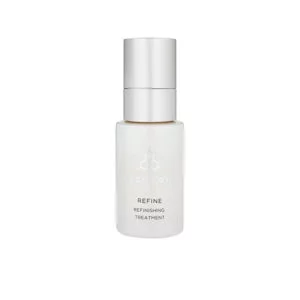
Post Care Cosmeceutical

Frequently Asked Questions

Is tattoo removal painful?

Most people feel heat or a snapping sensation during laser tattoo removal, but discomfort levels vary and cooling measures are usually used to help.

How many sessions are required for the complete removal of tattoo ink?

Multiple sessions are almost always needed, and the number varies widely depending on the tattoo’s size, colours, depth, location and your skin type; complete removal cannot be guaranteed.

Are there any side effects or risks?

Common short‑term effects include redness, swelling, blistering or temporary darkening/lightening of the skin; less common risks include scarring and persistent pigment changes, which will be discussed before treatment.

How much does tattoo removal cost?

Costs depend on the size, complexity and number of tattoos treated, as well as sessions required, and are confirmed in a personalised quote at your consultation.

How long does it take to see maximum results?

Tattoos usually fade gradually over several months, with improvement seen across a series of sessions spaced weeks apart rather than after a single visit.

Can I undergo tattoo removal if I have sensitive skin?

Some people with sensitive skin can have laser tattoo removal, but an assessment is needed to check suitability, adjust settings and discuss the risk of irritation or pigment changes.

What should I expect during the recovery process?

The treated area may feel tender and look red, swollen or blistered for a short period; you will receive aftercare instructions on cleaning, sun protection and when to contact the clinic.

Which is the best method to remove a tattoo?

For many tattoos, medical‑grade laser removal is the preferred first‑line option, but in some cases alternatives such as surgical excision or cover‑up tattooing may be more appropriate after specialist advice.

0
    0
    Your Cart
    Your cart is emptyReturn to Shop