
Why Is My Skin Flaking? Common Causes and What Helps
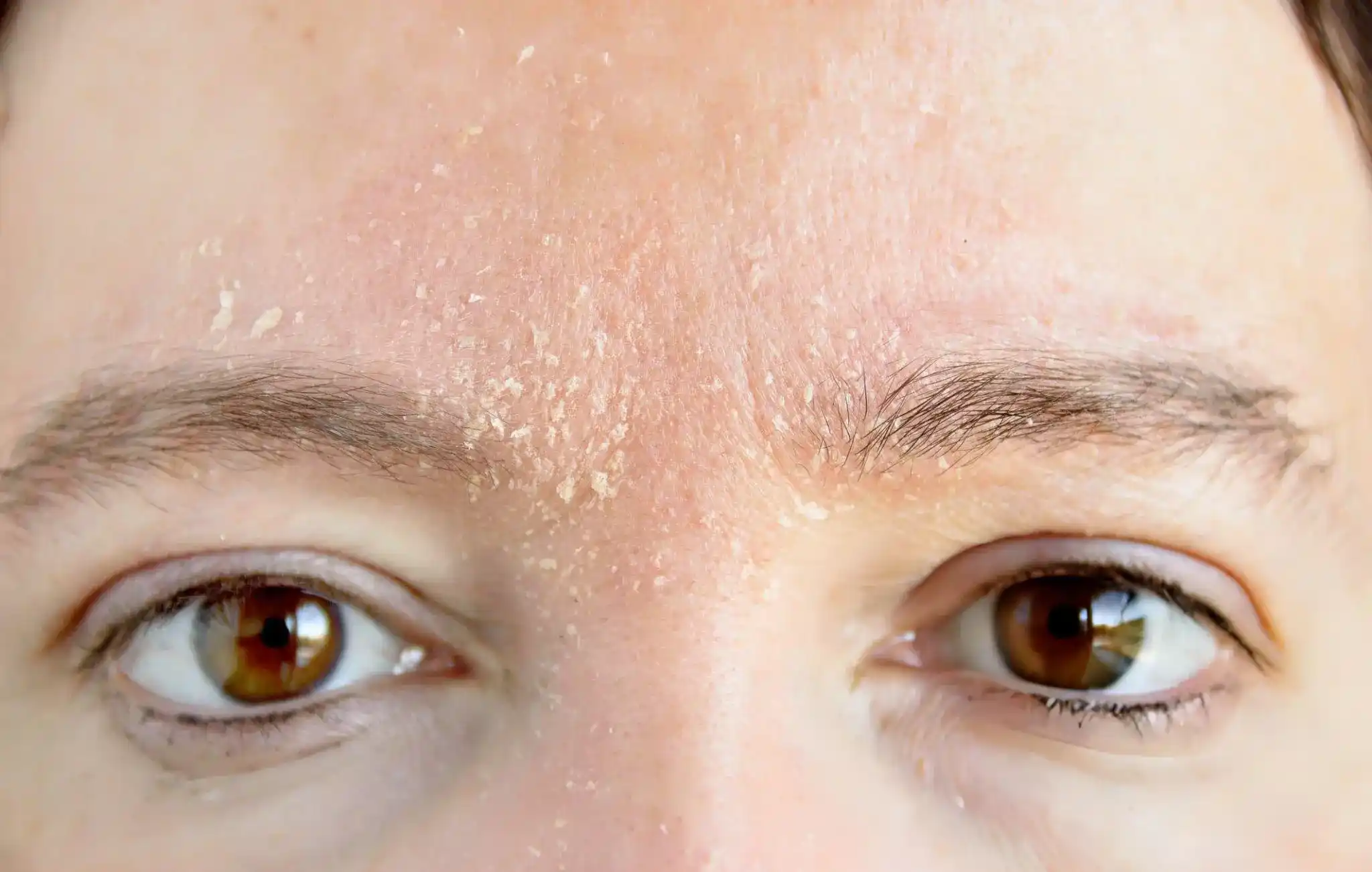
Visible flakes, peeling patches, a rough texture, tightness after cleansing, and makeup clinging to dry areas are all signs that the skin’s natural balance has been disrupted. If your skin stings after applying products or feels worse despite your routine, you are not alone.
Skin flaking can happen for several reasons, including dry skin, cold weather, product irritation, over-exfoliation, or a disrupted skin barrier. The right response depends on the cause. Scrubbing or adding more active products may make irritation worse, not better.
Key Takeaways
- Skin flaking may be linked with dry skin, cold weather, hot water, harsh products, over-exfoliation, retinol, or a disrupted skin barrier.
- Scrubbing, rubbing, or picking visible flakes may increase irritation and worsen the skin barrier.
- A gentle cleanser, a suitable moisturiser, and broad-spectrum sunscreen are sensible first steps for mild skincare-related flaking.
- Pause products that cause burning, strong stinging, redness, or worsening peeling.
- Mild dryness or dehydrated-looking skin may be assessed for professional hydration-focused treatments, but suitability depends on the skin’s condition.
- Painful, infected, spreading, intensely itchy, or persistent flaking should be assessed by a GP or dermatologist.
Why Is My Skin Flaking?
Skin flaking often occurs when the outer skin barrier becomes dry or irritated. Cold weather, hot water, harsh cleansers, retinol, exfoliating acids and some acne treatments may contribute. Persistent, painful or worsening flaking should be assessed by a GP or dermatologist.
Need personalised skin guidance?
If mild skin flaking keeps returning, a consultation at Skinduced Aesthetic Clinic in Cameron Park may help review your current products, sensitivity and suitable barrier-support options.
Painful, infected, spreading or persistent symptoms should be assessed by a GP or dermatologist first.
What Causes Skin Flaking?
Dry Skin and Moisture Loss
Dry skin generally produces less oil than other skin types. Without enough surface lipids, the outer skin barrier can become rough, tight, and flaky. This is one of the most common causes of visible skin flaking on the face.
Cold Weather, Heating and Hot Water
Low humidity in winter, indoor heating, wind, and long hot showers can all increase moisture loss from the skin. In areas like Newcastle and the Hunter Region, where temperatures drop and indoor heating is used regularly, seasonal dryness can make flaking noticeably worse.
Harsh or Irritating Skincare
Some products strip the skin barrier rather than support it. Foaming cleansers, soap-based products, fragrance in leave-on formulas, alcohol-based toners, physical scrubs, and using too many active ingredients at once can all contribute to flaking, tightness, and irritation.
Skin Conditions That Need Assessment
Recurring skin flaking can sometimes be associated with eczema, contact dermatitis, seborrhoeic dermatitis, psoriasis, or infection. These conditions are not always obvious, and they look different on different skin types. A GP or dermatologist can assess persistent or severe symptoms. This article is not a substitute for that assessment.
Why Is My Skin Flaking After Skincare?
If your skin started flaking after changing products or introducing new actives, product irritation may be contributing.
Retinol, retinoids, glycolic acid, salicylic acid, exfoliating toners, benzoyl peroxide, and strong acne treatments can all irritate the skin barrier, especially when used too frequently or combined with other active ingredients.
Burning, strong stinging, redness, and worsening flaking should not automatically be treated as normal purging. These signs often indicate irritation rather than skin adjustment. If products are causing this kind of reaction, pausing them and simplifying your routine is usually the right first step. Seek professional advice if symptoms continue. Healthdirect Australia provides general guidance on dry skin management that may be useful.
Is Skin Flaking the Same as Dry or Dehydrated Skin?
Flaking is a visible symptom. Dehydrated skin is a different concern that can contribute to visible flaking.
| Concern | What It Generally Lacks | Common Signs |
| Dry skin | Oil | Roughness, flakes, tightness |
| Dehydrated skin | Water | Tightness, dullness, fine dehydration lines |
| Barrier irritation | Protection | Stinging, redness, sensitivity, and flaking |
Dry skin generally lacks oil, while dehydrated skin lacks water. A damaged skin barrier may increase both moisture loss and surface sensitivity. Importantly, oily or combination skin can still become dehydrated and flaky, especially after using harsh or drying products.
Why Is My Skin Flaking Around My Nose, Mouth or Eyebrows?
Location can provide useful clues, but it cannot confirm a diagnosis.
Flaking around the nose may relate to dryness, weather, or frequent wiping. Flaking near the eyebrows or hairline can sometimes be linked with seborrhoeic dermatitis. Flaking around the mouth or chin may relate to lip licking, product irritation, or shaving. Flaking on the cheeks or forehead is often associated with dry skin, dehydration, or harsh product use.
Flaking around the eyes, persistent redness, spreading patches, or strong itching should be assessed by a qualified health professional rather than managed with home skincare products alone.
What Helps Flaky Skin?
When skin is flaking due to dryness or product irritation, a simpler and gentler routine is usually more effective than adding more products.
Step 1: Simplify your routine. Pause unnecessary products and avoid introducing any new actives until the skin settles.
Step 2: Cleanse gently. Use a mild cleanser, cream cleanser, or hydrating non-foaming cleanser with lukewarm water. Avoid foaming cleansers that leave the skin feeling tight after use.
Step 3: Apply moisturiser. Choose a moisturiser with barrier-support ingredients. Apply it after cleansing while the skin is slightly damp to help lock in hydration.
Step 4: Protect very dry areas. A thin layer of a suitable balm or occlusive product may help reduce moisture loss on localised dry patches.
Step 5: Use sunscreen. Check the UV Index each day and use broad-spectrum SPF 50 or higher when the UV is forecast to reach 3 or above. UV can still be strong during winter and on cool or cloudy days. Cancer Council Australia offers practical guidance on daily sun protection.
Step 6: Introduce products slowly. Once the skin has settled, add products back one at a time and patch-test on a small area first if your skin is reactive.
Best Ingredients for Flaky Skin and Barrier Support
Understanding ingredient types helps you choose products more confidently.
Hydrating ingredients attract water into the skin: glycerin, hyaluronic acid, panthenol, sodium PCA, and beta-glucan.
Barrier-support ingredients may help support the outer skin layer and reduce moisture loss. These include ceramides, cholesterol, fatty acids, niacinamide, colloidal oatmeal and squalane.
Moisture-sealing ingredients reduce water loss from the surface: petrolatum, dimethicone, mineral oil, and balm-style products.
A gentle cleanser, a suitable moisturiser, and daily sunscreen may be enough for many people. You do not need every ingredient in every product.
Should You Exfoliate Flaky Skin?
Scrubbing visible flakes is usually not the best first step, especially when the skin is red, sore, stinging, or irritated.
Physical scrubs may worsen irritation and damage the skin surface. Acids may increase peeling if overused. Picking or rubbing at flakes can also damage the skin barrier further.
Gentle exfoliation may sometimes be appropriate after the skin has fully settled, but suitability depends on the cause, skin type, and how well the barrier has recovered.
How to Care for Flaky Skin in Winter or Before Makeup
During winter, reduce the length and temperature of showers. Switch to a richer moisturiser if your usual one is not providing enough hydration. Protect the skin from wind exposure and continue using sunscreen daily. Indoor heating and low humidity can both increase moisture loss, so moisturising more frequently may help.
Before makeup: Moisturise well in advance and allow it to absorb before applying makeup. Avoid last-minute scrubs, peels, or strong active products, as these can worsen irritation before an event. Keep makeup application gentle and avoid pressing heavily over dry areas. A light hydrating primer may help reduce the appearance of dry patches.
When Should You See a GP or Dermatologist for Skin Flaking?
Not all skin flaking can be managed at home. Seek medical assessment if the skin is:
- Painful, cracked, or bleeding
- Intensely itchy or not responding to gentle home care
- Swollen, oozing, warm, or showing signs of infection
- Spreading to new areas or affecting the eyes
- Rapidly worsening
- Repeatedly returning despite routine changes
Persistent skin flaking can sometimes be linked with eczema, contact dermatitis, psoriasis, seborrhoeic dermatitis, or infection. A GP or dermatologist can assess the cause and recommend suitable care. An aesthetic consultation is not a substitute for medical assessment of these symptoms.
Can Professional Treatments Help Mildly Flaky or Dehydrated-Looking Skin?
Professional facial treatments are not suitable for every cause of skin flaking. They should not be used to diagnose or manage eczema, dermatitis, psoriasis, infection, or actively inflamed, broken or painful skin. These symptoms should be assessed by a GP or dermatologist first.
If skin flaking is mild and appears to be related to dryness, dehydration, surface buildup, or an unsuitable skincare routine, a Skinduced skin therapist may discuss the following options after assessing the skin.
Oxygen Medifacial
The Oxygen Medifacial is a non-invasive facial designed to support skin hydration, comfort, and a refreshed appearance. It may be discussed for dry, dull-looking, or dehydrated-feeling skin when the therapist considers the skin suitable for treatment.
Hydrodermabrasion
Hydrodermabrasion combines surface cleansing, exfoliation and hydration. It may be discussed for suitable dry, dull or rough-looking skin once active irritation has settled. Treatment should be postponed if the skin is inflamed, broken, painful, infected or showing symptoms that require medical assessment.
Skinduced Signature Facial
The Skinduced Signature Facial combines professional cleansing, exfoliation, LED light therapy, and facial massage. The treatment may be adjusted according to the person’s skin type, sensitivity, and goals. It should only be considered after assessment and when active irritation has settled.
Treatment suitability and individual responses vary. A consultation is required to review the skin, discuss potential risks, and determine whether home care, a professional facial, or medical advice is the more appropriate next step.
FAQs
Why is my skin flaking even after moisturising?
Possible reasons may include a harsh cleanser stripping the skin, an unsuitable moisturiser, over-exfoliation, product irritation, or an underlying skin concern that needs assessment.
Can retinol cause skin flaking?
Yes. Retinol may cause dryness, peeling, and irritation, especially when introduced too quickly or used alongside other active ingredients.
Should I scrub flaky skin off?
Usually no. Scrubbing or picking visible flakes may irritate the skin further and damage the skin barrier.
What should I put on flaky skin?
A mild cleanser, a suitable barrier moisturiser, and broad-spectrum sunscreen are sensible starting points. A balm may help localised dry patches if tolerated.
Why is my skin flaking around my nose?
Dryness, frequent wiping, product irritation, weather, or dermatitis may all contribute. Persistent symptoms in this area should be assessed.
How long does flaky skin take to settle?
It depends on the cause, the condition of the skin and the products involved. Mild irritation may improve after simplifying the routine, but recovery time varies. Persistent or recurring flaking may need professional or medical assessment.
Is skin flaking a sign of a damaged skin barrier?
It can be, particularly when flaking occurs alongside stinging, redness, tightness, or increased sensitivity to products.
Final Thoughts
Skin flaking can have several causes, so the right next step depends on whether the skin is mildly dry, irritated by products, or showing signs of a medical condition. Start with a gentle routine and avoid scrubbing visible flakes.
For mild, recurring dryness or product-related concerns, book a skin consultation at Skinduced Aesthetic Clinic in Cameron Park to review your routine and suitable options. Painful, infected, spreading, or persistent symptoms should be assessed by a GP or dermatologist first.
This information is general only and does not replace personalised skin or medical advice. Suitability and outcomes vary between individuals and should be discussed with an appropriately qualified health practitioner.