Men's Skincare Guide - How to Manage Common Skin Concerns Men's skin has specific characteristics that make it respond...
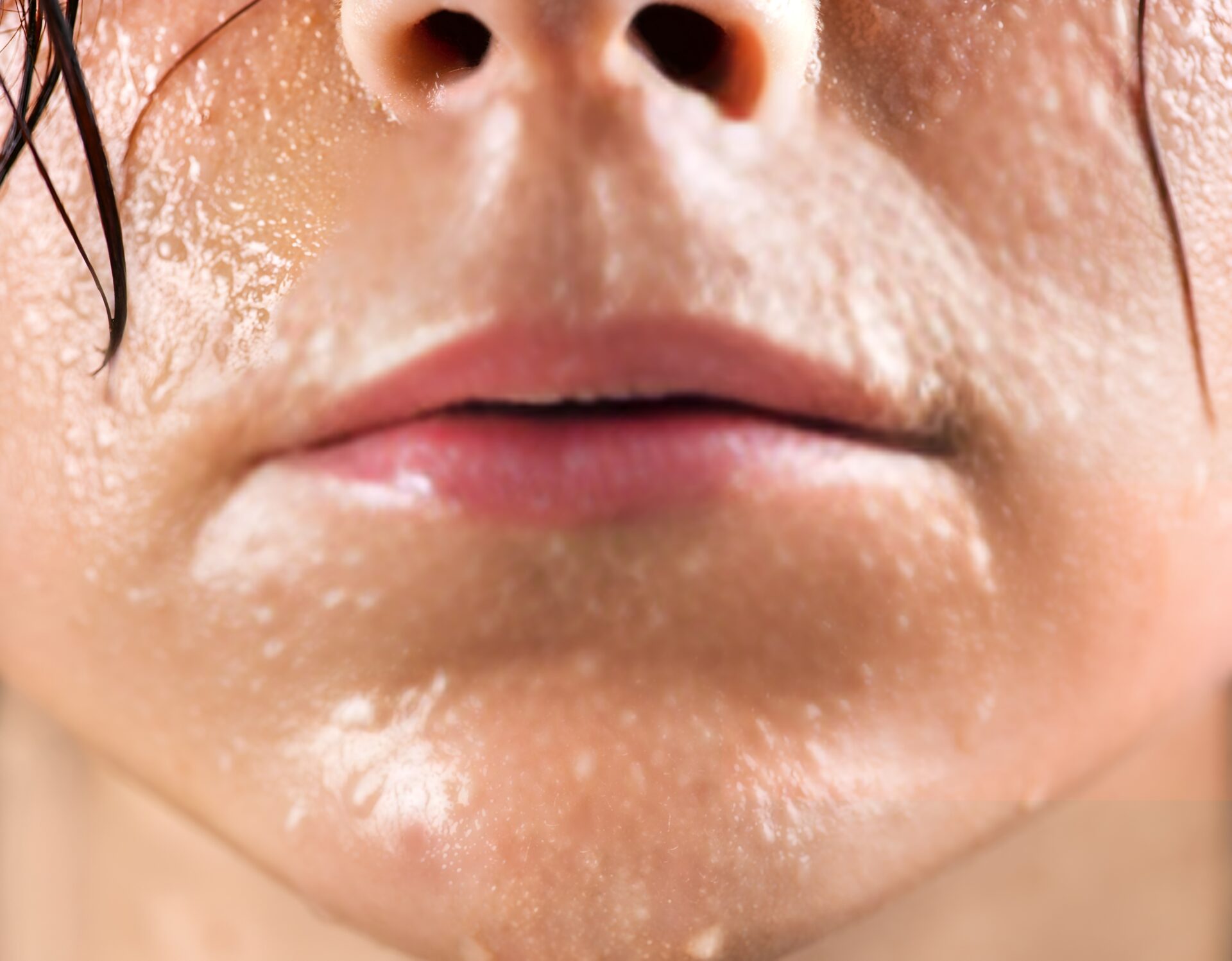
Concerned about excessive sweating? Book a consultation at Skinduced in Newcastle, to discuss treatment options that help manage hyperhidrosis of the underarms, hands, feet or face.

May be discussed with individuals who experience concerns related to excessive sweating in social, work, or daily settings.

May be considered for people who experience discomfort associated with persistent sweating, following clinical assessment.

May be discussed for individuals concerned about body odour associated with excessive sweating.

May be considered where ongoing moisture contributes to skin irritation or sensitivity, assessed on an individual basis.

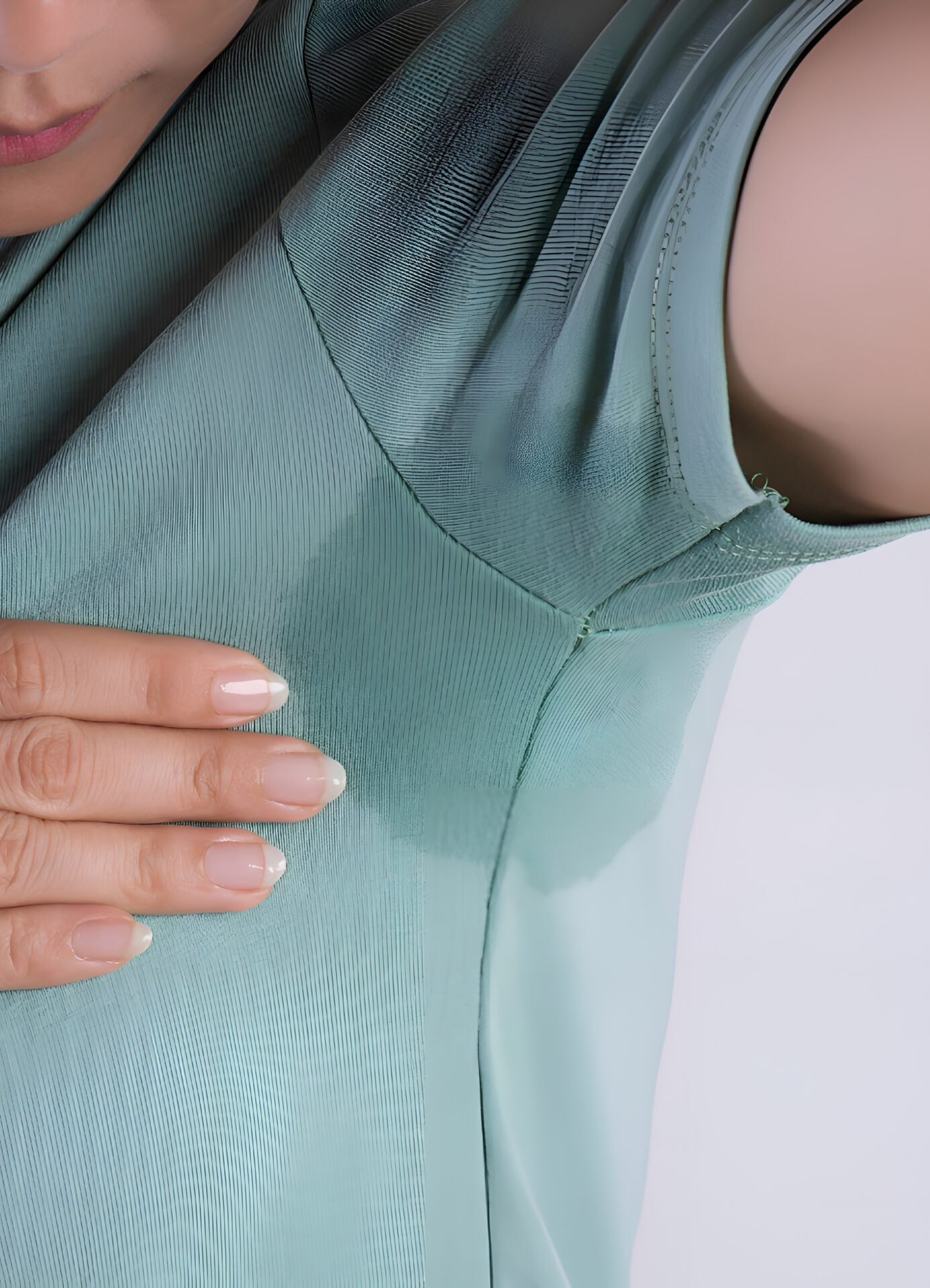
May be discussed for individuals who experience visible sweat marks on clothing due to excessive sweating.
The duration of effect varies between individuals and will be discussed during consultation. Maintenance planning depends on individual response and clinical assessment.
48 Hours Before Treatment:
24 Hours Before Treatment:
Possible effects following treatment may include:
Every skin journey starts with a conversation. Book a personalised consultation and we’ll tailor a plan just for you.
Men's Skincare Guide - How to Manage Common Skin Concerns Men's skin has specific characteristics that make it respond...
Hair Shedding vs Hair Loss - What's the Difference? Finding hair on your pillow, in the shower drain, or coming out in...
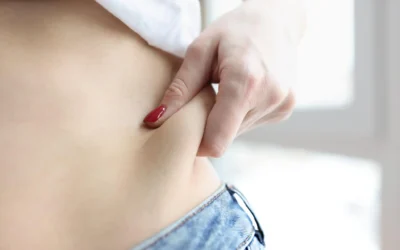
How to Get Rid of Loose Skin After Weight Loss? Loose skin can remain after significant weight loss, whether the...
Hyperhidrosis is caused by overactive sweat glands triggered by your nervous system. In primary hyperhidrosis, the cause is usually unknown and not linked to other health conditions. In secondary hyperhidrosis, it may result from medical issues like diabetes, infections, hormonal imbalance, or medication side effects.
You may have hyperhidrosis if you sweat excessively without physical exertion or heat, especially in areas like underarms, palms, feet, or face. If sweating interferes with daily tasks or causes discomfort or embarrassment, it’s important to consult a medical professional for assessment.
Primary hyperhidrosis is a chronic condition that causes excessive sweating without a medical cause. It usually affects specific areas like underarms, hands, or feet. Secondary hyperhidrosis is caused by an underlying condition or medication and typically results in more widespread sweating.
Primary hyperhidrosis often starts in childhood or adolescence and is localised to specific areas like underarms or palms. Secondary hyperhidrosis tends to begin later in life and may involve full-body sweating. A consultation and medical history review help determine the type.
Several options may be discussed for managing excessive sweating, including anti-sweat (muscle-relaxing) injectables treatment, topical treatments and other approaches. Injectable treatment works by temporarily reducing the nerve signals that stimulate sweat glands in a targeted area. Suitability, benefits, risks and alternatives are discussed at your consultation.
As with any medical treatment, side effects are possible. These may include temporary bruising, tenderness, mild discomfort or short-term muscle weakness in or near the treated area, and less commonly other effects. Your practitioner will discuss the full range of potential risks and side effects with you before treatment.
No medical treatment is entirely without risk. Anti-sweat injectable treatment is widely used and, in Australia, is provided by qualified practitioners after individual assessment. At Skinduced, treatment is doctor-led, and your practitioner will discuss the benefits, risks and alternatives with you as part of the informed-consent process.
Most patients require treatment every 6 to 12 months, depending on individual response and sweat levels. Over time, many people find they need less frequent sessions to maintain dryness.
How long any effect lasts varies between individuals. Some people find results are temporary and choose to have treatment repeated over time; your practitioner will discuss what may be realistic for you at consultation.
Hyperhidrosis treatment usually does not require anaesthesia. However, a topical numbing cream may be applied to reduce any minor discomfort during the injections.
Normal sweating helps regulate your body temperature. It is triggered by heat, physical activity, stress, or emotions. Unlike hyperhidrosis, it does not interfere with daily life or occur excessively without clear cause.
Normal sweating happens as a response to heat, exercise, or stress. Hyperhidrosis causes excessive sweating even at rest or in cool temperatures and can disrupt daily activities. It usually affects specific areas like the underarms, palms, or feet.
Fees depend on your individual treatment plan and are confirmed at your consultation. Please contact the clinic to discuss your options.
Skinduced is at Shop 19 Cameron Park Plaza, 309 George Booth Drive, Cameron Park NSW 2285. We see patients from across Newcastle, Lake Macquarie and the Hunter.
MiraDry and iontophoresis are other ways to manage sweating. Skinduced offers anti-sweat injectables performed by a doctor. Your consultation helps match the right option to your needs.