Hair Shedding vs Hair Loss – What’s the Difference?
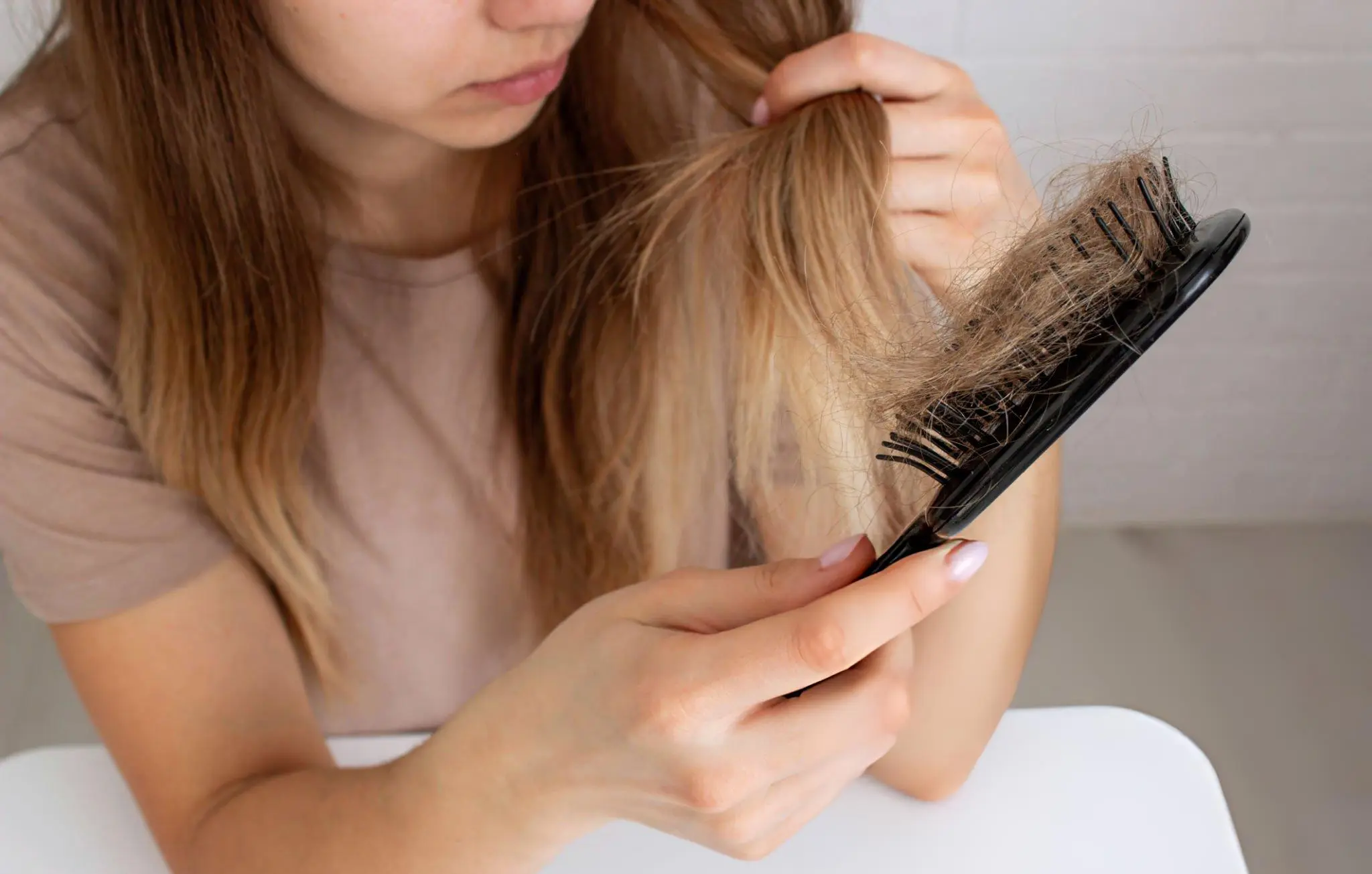
Finding hair on your pillow, in the shower drain, or coming out in clumps when you brush can feel alarming. But not all hair loss is the same, and understanding whether what you are experiencing is normal shedding or a more significant form of hair loss changes what you should do about it.
This article explains the difference clearly, covers the most common causes of each, and outlines when professional assessment is the right next step.
Quick Answer
Hair shedding refers to hairs naturally leaving the scalp as part of the normal growth cycle. Hair loss usually refers to reduced hair density, thinning, patches or changes where new growth does not replace shed hairs. Increased shedding can be temporary, while some forms of hair loss may require assessment to understand the underlying cause.
Key Takeaways
- Hair shedding and hair loss are different concerns.
- Some daily shedding is part of the normal hair growth cycle.
- Increased shedding can occur after stress, illness, hormonal changes or nutritional changes.
- Hair loss may involve thinning, reduced density or changes in the growth pattern.
- Understanding the cause is the first step before considering treatment options.
The Core Distinction
Hair shedding is a normal, continuous biological process. Everyone loses hair every day as part of the hair growth cycle. It is not a sign that something is wrong.
Hair loss, also called alopecia, occurs when the growth cycle is disrupted, the follicle is damaged, or regrowth no longer replaces what is shed. This results in actual thinning, visible scalp, reduced density or patches where hair no longer grows.
The distinction matters because the cause determines the appropriate response.
Understanding the Hair Growth Cycle
Each hair follicle goes through three phases independently.
- Anagen (growth phase): Lasts two to seven years. Approximately 85 to 90 per cent of scalp hairs are in this phase at any one time.
- Catagen (transition phase): A brief two-week period where growth stops, and the follicle shrinks.
- Telogen (resting and shedding phase): Lasts around three months before the hair sheds and a new cycle begins.
At any given time, roughly 50 to 100 hairs are in the telogen phase and ready to shed. Daily hair shedding varies between individuals. Many people notice some amount of shedding each day as part of the normal hair growth cycle, but the pattern and change from your usual baseline are often more important than an exact number.
When significantly more follicles enter the telogen phase simultaneously, usually triggered by stress, illness, nutritional changes, or hormonal shifts, the result is excessive shedding, a condition called telogen effluvium.
Normal Hair Shedding – What to Expect
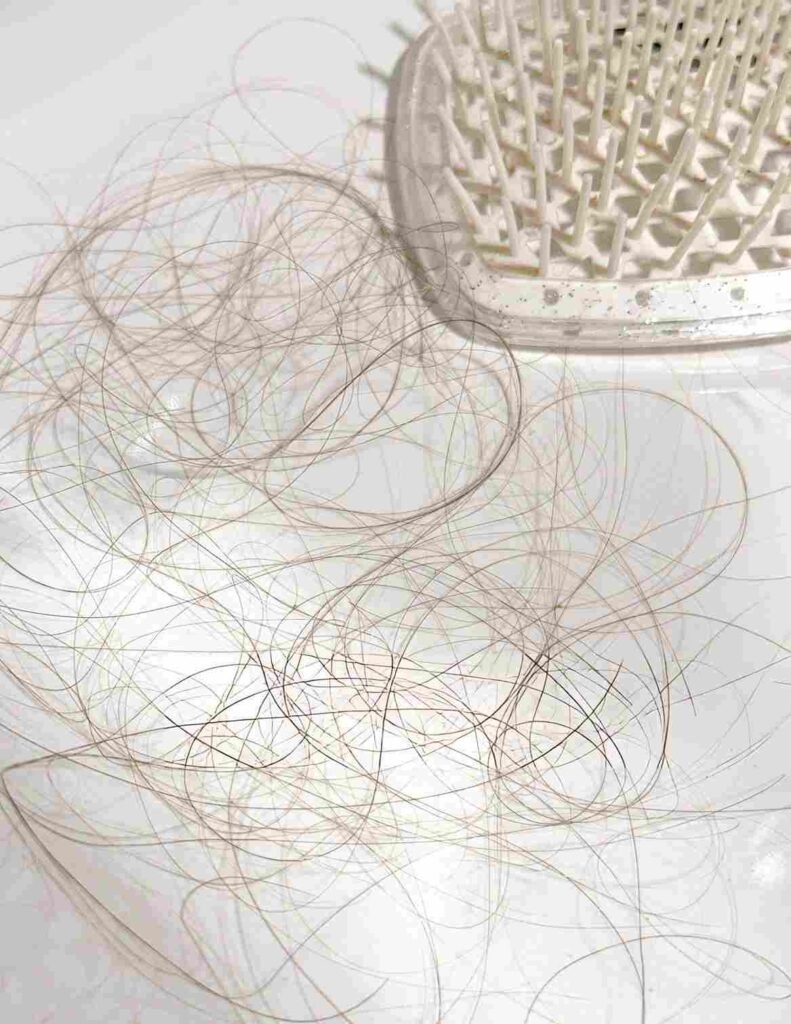
Normal daily shedding is distributed across the scalp rather than concentrated in one area. You may notice it on your brush, pillow or in the shower, but it is consistent and spread out.
Factors that can temporarily increase normal shedding include:
- Washing hair infrequently, which results in accumulated shed hairs releasing at once
- Hormonal fluctuations during the menstrual cycle
- Seasonal shifts, particularly in autumn when many people notice slightly more shedding
- Recovery after illness or a period of high stress
This type of increased shedding is usually temporary and self-resolving. Hair density returns to its previous state once the trigger passes.
When Shedding Becomes a Concern
The line between normal shedding and problematic loss is not always clear, but there are patterns worth paying attention to.
Signs that shedding may be excessive:
- Noticeably more hair than usual coming out during washing or brushing
- Hair looks visibly thinner or less dense overall
- The parting appears wider than before
- Scalp is more visible under certain lighting conditions
- Hair takes longer to fill out a ponytail or hair tie
Signs that suggest actual hair loss rather than shedding:
- Patches where hair has stopped growing entirely
- A progressively receding hairline
- Thinning concentrated at the crown or temples
- Hair that is not regrowing after shedding
- Scalp changes such as redness, scaling or scarring
According to Healthdirect Australia, hair loss affects both men and women and can result from a range of causes including genetics, hormones, nutritional deficiencies, medical conditions and certain medications.
Common Causes of Excessive Shedding (Telogen Effluvium)
Telogen effluvium is the most common cause of diffuse, temporary hair shedding. It typically begins two to four months after a triggering event because that is the duration of the telogen phase.
Common triggers include:
- Physical or emotional stress
- Illness, surgery, or hospitalisation
- Significant weight loss or nutritional deficiency, particularly iron, zinc, ferritin or protein
- Pregnancy and the postpartum period
- Thyroid dysfunction
- Starting or stopping hormonal contraceptives
- Crash dieting
Telogen effluvium often improves over time once the triggering factor has been addressed, although the timeframe can vary between individuals.
If you are experiencing hair shedding alongside significant skin concerns or hormonal symptoms, a GP assessment can help identify whether there is an underlying systemic cause.
Common Causes of Hair Loss (Alopecia)
Unlike shedding, hair loss involves a disruption to the growth cycle or follicle itself that prevents normal regrowth. The most prevalent types include:
Androgenetic Alopecia
The most common form of hair loss in both men and women. It is genetically driven and related to the effects of androgens on susceptible hair follicles. In men, it presents as a receding hairline and crown thinning. In women, it typically causes diffuse thinning across the top of the scalp rather than complete hairlessness.
This type of hair loss can gradually progress over time. Assessment can help identify the pattern and discuss management options that may be suitable.
Alopecia Areata
An autoimmune condition where the immune system attacks hair follicles, causing patchy, often circular areas of hair loss on the scalp or elsewhere on the body. It can resolve spontaneously in some cases or progress more extensively in others. A dermatologist or GP should assess this type of loss.
Traction Alopecia
Caused by repeated tension on the hair from tight hairstyles such as braids, ponytails or extensions. It commonly affects the hairline and temples. Caught early, it may be reversible. Persistent traction can cause permanent follicle damage.
Scarring Alopecia
A group of conditions where inflammation destroys hair follicles and replaces them with scar tissue. Scarring alopecia can permanently affect affected follicles, which is why early assessment is important when this condition is suspected. Early diagnosis and treatment are important to halt progression.
PRP for Hair Loss – A Professional Option Worth Knowing
For appropriate cases of hair thinning or androgenetic alopecia, PRP (Platelet Rich Plasma) for hair loss may be discussed as a non-surgical treatment option.
PRP involves preparing a platelet concentration from a person’s own blood and injecting it into the scalp area being assessed. Research has explored PRP for some types of hair thinning, but outcomes vary, and it is not suitable for every cause of hair loss. A qualified practitioner can discuss whether it may be appropriate based on the type of hair concern, scalp health and individual circumstances.
A consultation helps determine whether PRP is appropriate based on the type and extent of loss, scalp health and individual assessment findings.
How to Tell the Difference at Home
There is no reliable home test that can confirm the exact cause of hair shedding. Changes in pattern, duration, scalp appearance and other symptoms are usually more useful factors to consider.
Another useful indicator is regrowth. If shorter hairs are visible at the scalp near areas of thinning, the follicle is still active, and the hair cycle is functioning. If the area remains bare without any visible regrowth over several months, this may indicate follicle disruption or dormancy.
Timing also matters. Telogen effluvium typically resolves within six to nine months once the trigger has passed. Hair loss that is progressive, worsening or accompanied by scalp changes should be assessed professionally rather than monitored at home.
When to Seek Professional Assessment
See a GP or dermatologist if:
- Shedding has continued beyond three to four months without signs of resolution
- You notice patches of missing hair or a visibly widening parting
- The scalp is inflamed, red, itchy or scaling
- Hair loss is accompanied by fatigue, weight changes or hormonal symptoms
- You want to rule out underlying nutritional deficiency or thyroid dysfunction before beginning any treatment
An aesthetic consultation at Skinduced may be appropriate if hair thinning has been assessed and you want to explore whether options like PRP may be suitable alongside your management plan.
Skinduced Aesthetic Clinic is located in Cameron Park and supports clients from Newcastle, Lake Macquarie, Edgeworth, Wallsend, Cardiff, Glendale and surrounding Hunter suburbs.
Book a consultation to discuss hair thinning concerns and discuss your concerns and whether further assessment or suitable options may be appropriate for your situation.
Quick Reference
| Normal Shedding | Excessive Shedding | Hair Loss | |
| Daily volume | 50–100 hairs | 150+ hairs | Variable |
| Pattern | Distributed | Distributed | Patchy or patterned |
| Regrowth | Yes | Yes, after trigger resolves | Reduced or absent |
| Cause | Natural cycle | Trigger-based disruption | Follicle damage or cycle disruption |
| Resolves alone? | Yes | Usually | Often needs intervention |
FAQs
How many hairs a day is normal to lose?
50 to 100 hairs per day is considered within the normal range for most adults. This can vary based on hair length, washing frequency and individual hair density.
Can stress cause hair loss or just shedding?
Stress most commonly causes excessive shedding through telogen effluvium rather than true hair loss. However, chronic severe stress may contribute to conditions like alopecia areata in some individuals.
How long does telogen effluvium last?
Most cases resolve within six to nine months after the triggering event has passed. If shedding persists beyond this, further investigation is recommended.
Does PRP help with hair loss?
PRP may be discussed for appropriate cases of androgenetic alopecia or diffuse thinning where follicles remain active. It is not suitable for all types of hair loss and requires professional assessment to determine suitability.
Is hair shedding worse in autumn?
Many people notice slightly more shedding during autumn months. This seasonal variation has been observed in hair growth studies and is generally temporary.
