
What Causes a Gummy Smile? Treatment Options Explained
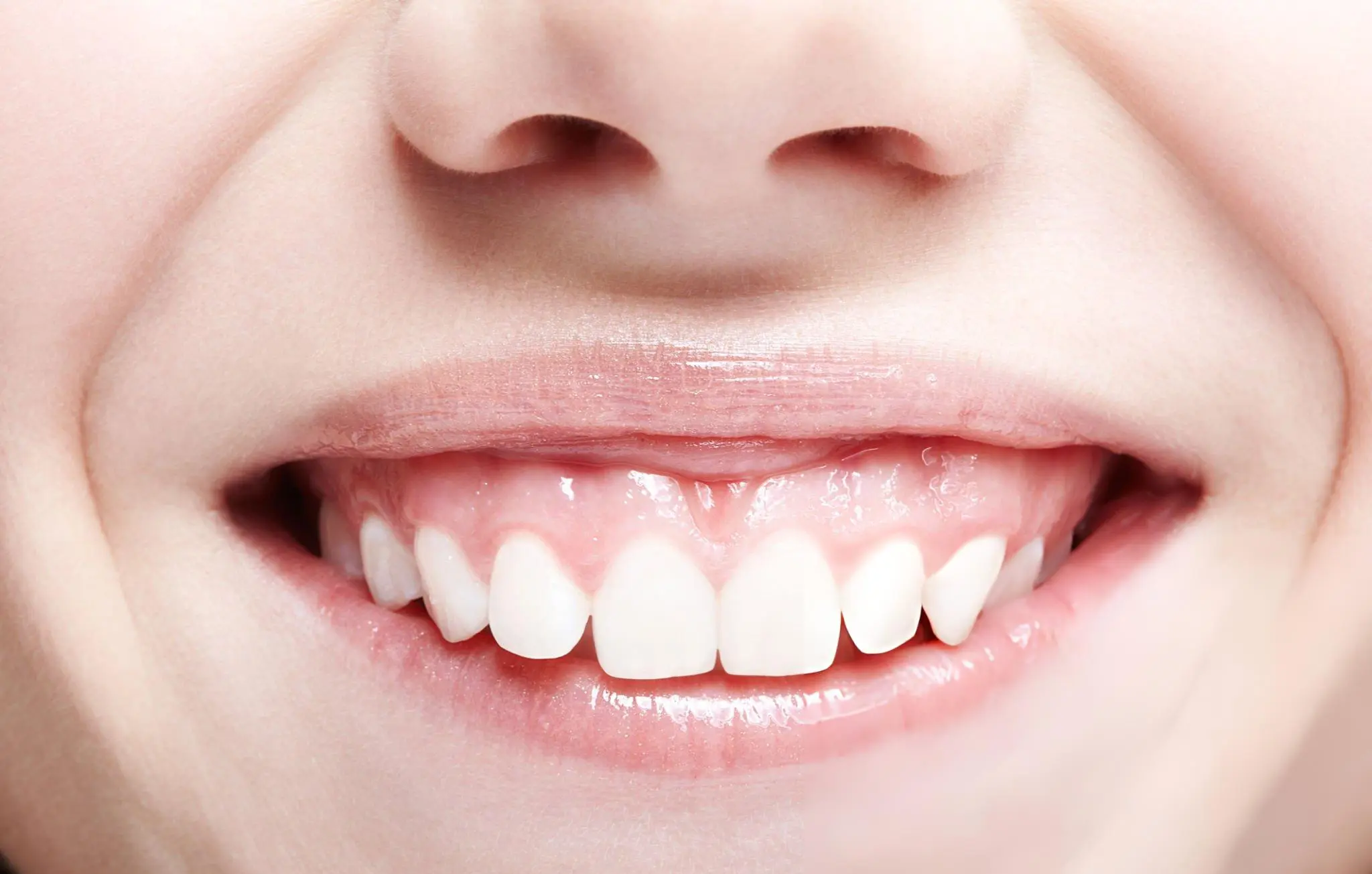
A gummy smile, also called excessive gingival display, describes a smile where more upper gum is visible. It can be related to upper-lip movement, gum tissue, tooth proportions, tooth position, jaw structure or a combination of factors.
Understanding the likely cause matters because different causes may require different professional pathways. Some concerns may be assessed in an aesthetic setting, while others are better reviewed by a dentist, periodontist, orthodontist or maxillofacial specialist.
NOT SURE WHAT MAY BE CONTRIBUTING TO YOUR GUMMY SMILE?
A consultation at Skinduced Aesthetic Clinic in Cameron Park can review your facial concerns and discuss whether an aesthetic assessment or referral to a dental professional may be the more appropriate next step.
Key Takeaways
- A gummy smile describes greater upper-gum visibility during smiling and is also called excessive gingival display.
- Causes include hyperactive upper lip muscles, jaw position, gum overgrowth and tooth size or eruption.
- Upper-lip movement, gum tissue, tooth position and jaw structure may require different assessment and management pathways.
- Dental and surgical options may be considered for structural causes.
- Treatment choice depends on the underlying cause and individual assessment.
What Is a Gummy Smile?
A gummy smile, clinically called excessive gingival display, describes greater-than-usual visibility of the upper gum during smiling. There is no single amount of visible gum that determines whether someone personally considers their smile “gummy.”
A gummy smile is often an aesthetic variation rather than a health problem by itself. However, gum enlargement, altered tooth eruption, bite concerns or other dental factors may sometimes warrant assessment by a dental professional.
What Causes a Gummy Smile?
A gummy smile rarely has a single cause. Several structural and muscular factors can contribute, and some people may have more than one at the same time.
Hypermobile Upper Lip
A hypermobile upper lip moves higher during smiling, increasing the amount of upper gum that becomes visible. Several upper-lip elevator muscles may contribute to this movement.
Excess Gum Tissue
Some people have gum tissue that covers more of the tooth surface than usual. This can make the teeth appear shorter and the gum line more prominent during smiling. The underlying tooth structure may be normal in size, but the gum tissue has not receded to its expected position.
Short Upper Lip
A shorter upper lip covers less of the gum when smiling. Even with normal gum tissue and tooth size, a short lip may reveal more gum than average.
Jaw Position and Vertical Maxillary Excess
When the upper jaw has developed with more vertical height than usual, the gum and teeth sit lower in the face. This structural factor can contribute to increased gum display during smiling. It is sometimes referred to as vertical maxillary excess and may require orthodontic or surgical assessment.
Tooth Size and Eruption
Teeth may appear shorter when more of the natural tooth surface remains covered by gum tissue. Natural tooth proportions, tooth position and altered eruption patterns can all influence the amount of gum visible during smiling.
Combination of Factors
Many people with a gummy smile have a combination of contributing factors. A short lip with a slightly hyperactive muscle, or mild gum overgrowth combined with smaller teeth, can together create a noticeable gummy appearance. This is why individual assessment matters before choosing a treatment approach.
Can Upper-Lip Movement Contribute to a Gummy Smile?
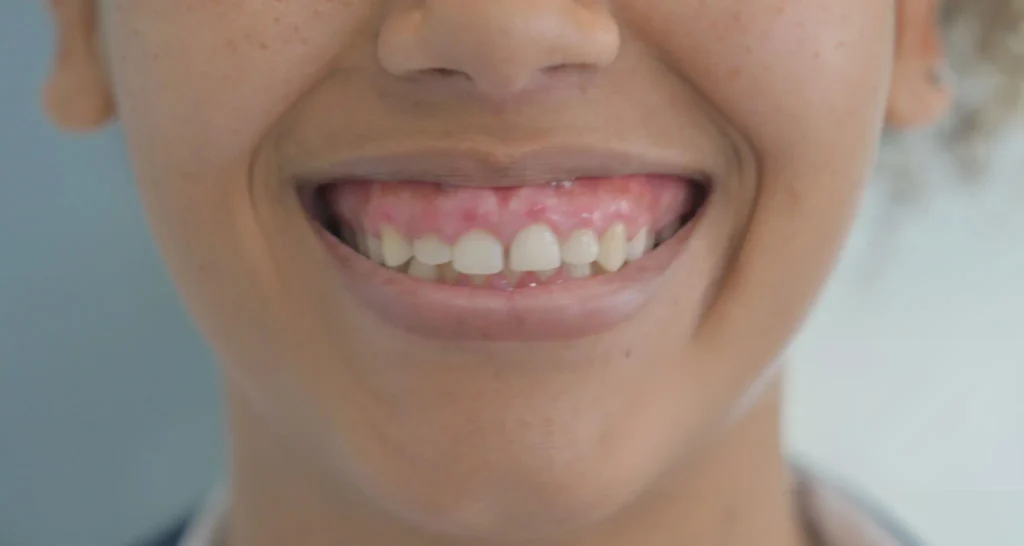
Yes. In some people, the upper lip moves higher during a full smile, which can increase the amount of upper gum that is visible. Lip length and lip mobility may both contribute.
Where upper-lip movement appears to be an important factor, an appropriately qualified practitioner can assess facial movement and discuss suitable management pathways during consultation. Dental or orthodontic assessment may still be appropriate where other factors also contribute.
Other Treatment Options for a Gummy Smile
When the cause of a gummy smile is structural rather than muscular, other treatment pathways may be more appropriate.
The following are examples of dental, orthodontic or surgical pathways that appropriately qualified professionals may consider. They are not services provided by Skinduced.
Gum Contouring (Gingivectomy)
Gum contouring involves reshaping the gum line to expose more of the tooth surface. This may be suitable for people with excess gum tissue covering the teeth. It is typically performed by a periodontist or dental professional.
Crown Lengthening
Crown lengthening is a dental procedure that removes gum tissue and sometimes bone to expose more of the natural tooth. It may be considered when teeth appear short due to gum coverage rather than actual tooth size.
Orthodontic Treatment
Braces or clear aligners may help reposition teeth and improve the gum-to-tooth ratio in some cases. Orthodontic treatment is usually a longer-term approach and may be combined with other options.
Orthognathic Surgery
For cases involving significant vertical maxillary excess, jaw repositioning surgery may be discussed. This is a surgical procedure performed by a maxillofacial surgeon and is generally reserved for more pronounced structural concerns.
Lip Repositioning Surgery
Lip repositioning involves surgically limiting how high the upper lip can rise during smiling. It is less common than other approaches and may be considered when other options are not suitable.
The right option depends on whether the cause is muscular, structural, dental, or a combination. An assessment helps identify which professional pathway and treatment options may be appropriate for the individual’s contributing factors.
How to Know Which Treatment Is Right for You
Because a gummy smile can have several contributing factors, choosing the right treatment starts with understanding the cause.
Questions to consider:
- Is the gum display mainly noticeable when smiling, or also at rest?
- Do your teeth appear shorter than average?
- Does your upper lip lift very high when you smile?
- Have you been told you have a jaw or bite alignment concern?
An appropriate assessment can help identify likely contributing factors. Depending on what is observed, further dental, periodontal, orthodontic or specialist assessment may be recommended.
Gummy Smile Consultation in Newcastle
Skinduced Aesthetic Clinic in Cameron Park can discuss concerns relating to facial movement and upper-gum visibility during smiling. A consultation can review your goals and whether further dental or specialist assessment may be appropriate.
Where the main contributing factor appears to involve gum tissue, tooth position, bite or jaw structure, assessment by a dentist, periodontist, orthodontist or maxillofacial specialist may be a more appropriate pathway.
WANT TO DISCUSS YOUR SMILE CONCERN?
Skinduced Aesthetic Clinic in Cameron Park can discuss concerns relating to facial movement and visible upper gum during smiling. Where dental, gum, tooth-position or jaw factors may be contributing, referral to an appropriate dental professional may be recommended.
Risks and Limitations Depend on the Treatment
Every treatment option has different limitations, risks and recovery considerations. Gum procedures, orthodontic care, surgery and facial aesthetic options are not interchangeable and may not suit every person.
The relevant practitioner should explain expected outcomes, alternatives, potential risks, recovery considerations and what may happen if no treatment is chosen before a decision is made.
FAQs
Can a Gummy Smile Be Treated Without Surgery?
Some gummy smile concerns may have non-surgical management pathways, while others may require dental, orthodontic or surgical assessment. The appropriate approach depends on whether the main contributing factor involves the upper lip, gums, teeth or jaw.
Can Gum Contouring Help a Gummy Smile?
Gum contouring may be considered when excess gum tissue contributes to upper-gum visibility. It may not address a gummy smile caused mainly by upper-lip movement, tooth position or jaw structure.
Can Braces Help a Gummy Smile?
Orthodontic treatment may help selected cases where tooth position or bite contributes to excessive gingival display. An orthodontic assessment is needed to determine whether this is relevant.
What Is the Best Treatment for a Gummy Smile?
There is no single best treatment for every gummy smile. The appropriate pathway depends on the underlying cause, which may involve lip movement, gum tissue, tooth position, jaw structure or several factors together.
Is a gummy smile a medical problem?
A gummy smile is often an aesthetic variation rather than a medical problem by itself. However, gum enlargement, tooth eruption, bite or jaw-related factors may sometimes warrant assessment by a dental professional.
Who should I see for a gummy smile?
If upper-lip movement appears to contribute, a facial aesthetic assessment may be relevant. A dentist or periodontist, tooth-position concerns by an orthodontist, and significant jaw-related concerns by an orthodontic or maxillofacial specialist may better assess gum-tissue concerns.
