PRP for Hair Loss – How It May Support Hair Growth
If you are concerned about hair thinning or loss, PRP therapy may be a suitable option to discuss with a health professional. Millions of people face hair thinning every day. It can affect confidence and how you feel about your appearance.
Research has explored PRP as a potential option to support hair health in some people. PRP therapy uses your own blood to wake up sleeping hair follicles. This treatment is non-surgical and uses components from your own blood.
If you want to know more about how PRP can help your hair, keep reading. Or book a quick consultation with our team at Skinduced Aesthetics Clinic in Newcastle. We offer PRP treatments for hair concerns at our clinic in Newcastle, following appropriate clinical protocols. Our team focuses on providing information and care based on individual suitability.
What Is PRP and How Does It Work?
PRP stands for Platelet-Rich Plasma. It comes from your own blood. Here is how it works in simple terms.
Your blood has different parts. Red blood cells carry oxygen. White blood cells fight infections. Platelets help your body heal cuts and wounds.
Platelets contain special proteins called growth factors. These growth factors are involved in normal healing and tissue repair processes. PDGF and VEGF are two important growth factors that help hair grow.
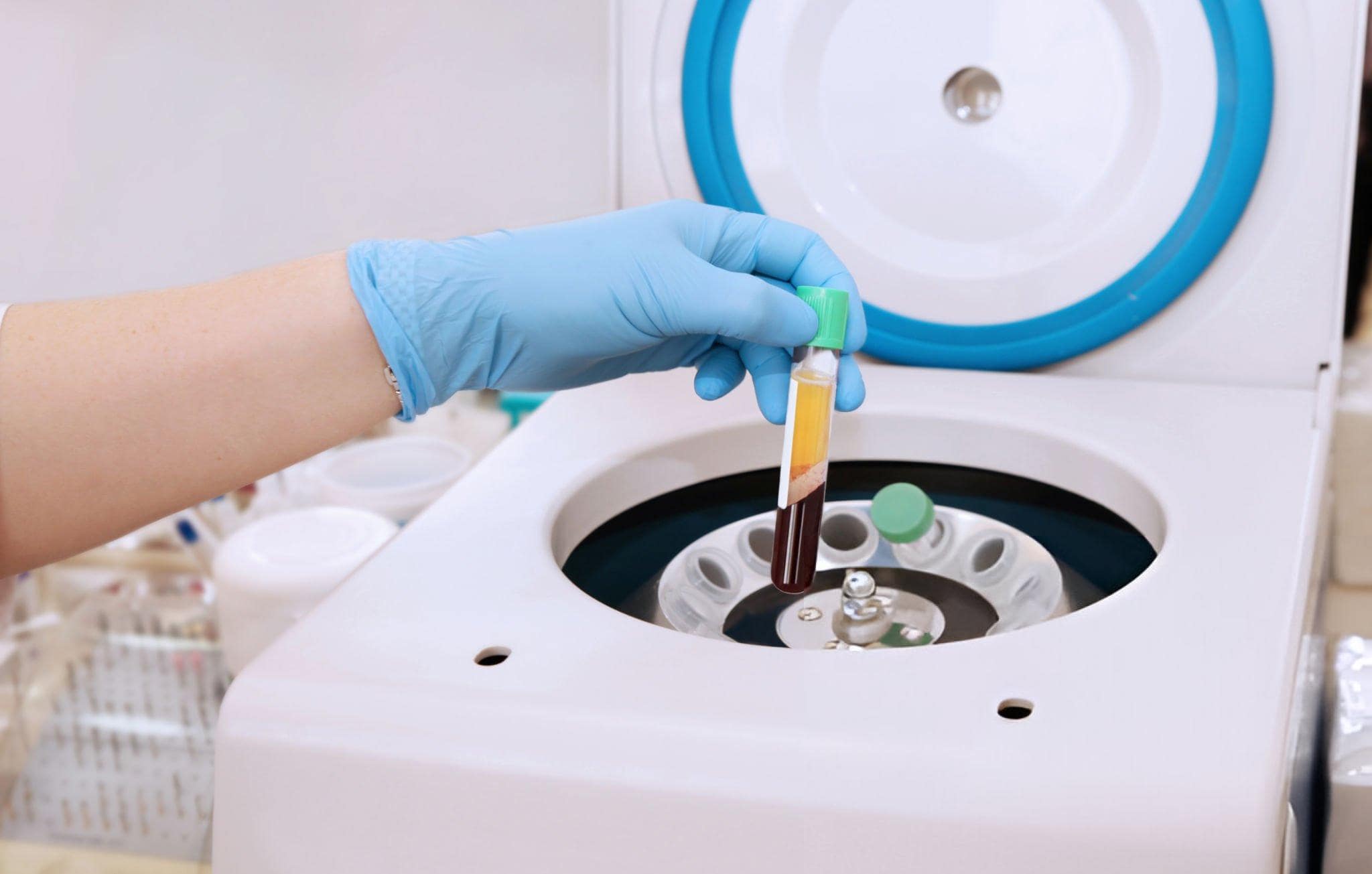
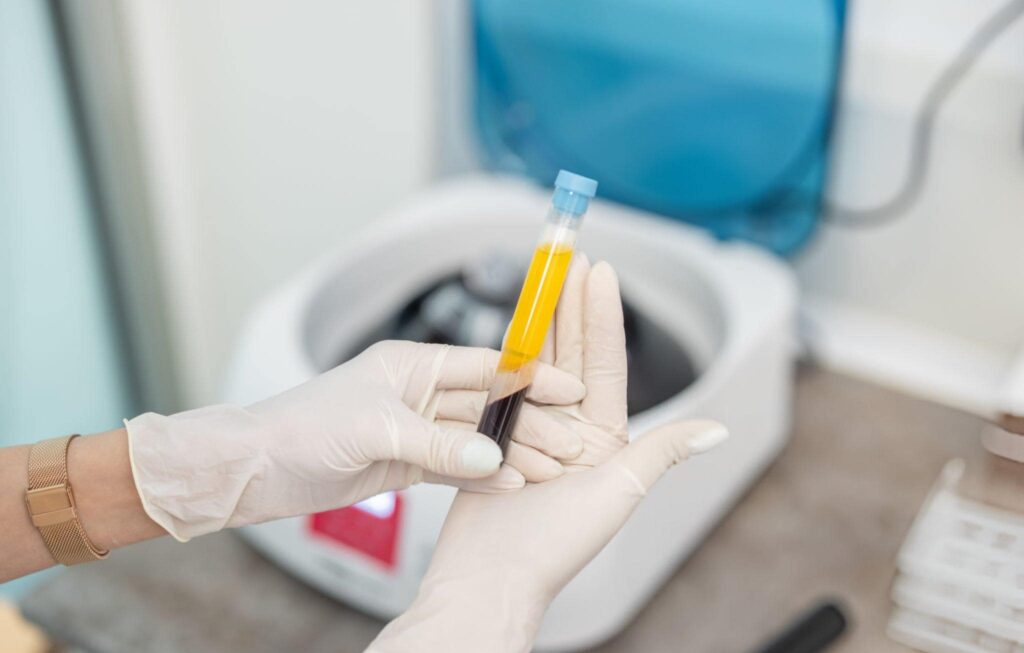
To make PRP, doctors take a small amount of your blood. They put it in a machine called a centrifuge. This machine spins very fast. It separates the platelets from other blood parts.The result is a liquid with lots more platelets than normal blood. This liquid is your PRP. It typically contains a higher concentration of platelets than whole blood.
Because PRP is prepared from your own blood, the risk of allergic reaction is generally low when performed appropriately.
Why PRP Helps with Hair Loss
Hair loss happens when hair follicles stop working properly. Think of follicles as tiny factories that make hair. When these factories slow down or stop, you lose hair.
PRP helps in several ways:
- Improves Blood Flow:
Hair follicles need good blood flow to stay healthy. PRP may support blood supply to the scalp by influencing normal healing pathways. This brings more nutrients and oxygen to your hair roots. - Makes Hair Thicker:
PRP does not just help new hair grow. Some people notice improvements in hair thickness and density over time. This gives you better overall hair density. - Reduces Hair Shedding:
Some individuals report reduced hair shedding following a course of PRP treatments. This happens because follicles become healthier and hold onto hair better. - No Harsh Chemicals:
PRP uses components derived from your own blood and does not involve synthetic medications. There are no artificial chemicals or drugs involved. - No Surgery Required:
PRP is done with small injections. PRP is delivered through small injections and does not involve surgical incisions.
Who Is a Good Candidate for PRP?
PRP works best for certain types of hair loss. PRP may be suitable for certain types of hair loss. The following groups are commonly assessed for treatment:
- Men with Male Pattern Baldness: This is the most common type of hair loss in men. It usually starts with a receding hairline or thinning crown. PRP may be considered for early to moderate stages.
- Women with Female Pattern Hair Loss: Women often have different hair loss patterns than men. They usually see overall thinning rather than bald spots. PRP may be considered as a supportive option for some women with hormonal hair thinning.
- Postpartum Hair Loss: Many women lose hair after having a baby. This happens because of hormone changes. PRP may support hair recovery in some women following postpartum hair shedding.
- Perimenopause Hair Thinning: Hormone changes during perimenopause can cause hair loss. PRP treatments may support hair thickness during this time for some individuals.
- Early Stage Hair Loss: PRP works best when you still have some hair left. It is harder to grow hair in completely bald areas.
- Good Overall Health: You need to be generally healthy for PRP treatments. People with certain blood disorders or infections may not be good candidates.
A medical assessment is required to determine whether PRP is appropriate for your individual situation. A qualified doctor can examine your scalp and discuss your options.
Ready to learn more about PRP for your hair concerns? Book a consultation with our team to get personalized advice for your situation.
Treatment Process & Timeline
Getting PRP for hair loss is a simple process. Here is what happens step by step:
- Step 1: Blood Draw
A nurse takes about 30-60ml of blood from your arm. This is similar to a regular blood test. - Step 2: Processing
Your blood goes into the centrifuge machine. It spins for about 10-15 minutes. This separates the PRP from other blood parts. - Step 3: Preparation
The doctor prepares your scalp. They may use numbing cream if you are sensitive to needles. - Step 4: Injection
Using very fine needles, the doctor injects PRP into areas of hair loss. This takes about 15-30 minutes. - Step 5: Optional Microneedling
Some clinics combine PRP with microneedling. This creates tiny channels in your scalp. It may enhance PRP delivery in some treatment protocols.
How Many Sessions Do You Need?
Most people need 3-4 sessions to start. These sessions are spaced 4-6 weeks apart. This gives your hair follicles time to respond between treatments.
After the initial series, you need maintenance treatments. These happen every 6-12 months. Maintenance treatments may help support ongoing treatment response.
What Happens After Treatment?
You can go back to normal activities right away. Some people have mild soreness for a day or two. You can wash your hair the next day.
Read more: https://skinduced.com.au/what-is-morpheus8
Results & What to Expect
PRP for hair loss takes time to show results. Your hair grows slowly, so you need patience.
Timeline for Results:
- First 4-6 weeks: You may not see much change yet
- 2-3 months: Individual response times vary, and results depend on personal and clinical factors.
- 4-6 months: More noticeable thickness and density
- 6-12 months: Some patients may observe results within 6-12 months
What Results Look Like: Some people report the following changes over time:
- Less hair falling out in the shower
- Thicker individual hair strands
- Fuller appearance overall
- Appearance of finer or thicker hairs in thinning areas
- Better hair texture and shine
Managing Expectations PRP does not work for everyone. Studies suggest that response rates vary, with a proportion of patients showing improvement. Factors that affect success include:
- Age and overall health
- Type and stage of hair loss
- Consistency with treatment plan
- Individual response to growth factors
Remember, everyone responds differently. Some people see dramatic changes while others see modest improvements.
Also Read: https://skinduced.com.au/is-prp-safe/
Safety, Risks & Side Effects
PRP is generally well tolerated when performed by trained medical professionals. Because it uses your own blood, the risk of allergic reaction is generally low.
Common Side Effects:
- Mild pain at injection sites
- Small bruises that fade in 2-3 days
- Slight scalp tenderness
- Temporary increased hair shedding (this is normal)
Rare Side Effects:
- Infection at injection site
- Nerve damage (extremely rare)
- Scarring (very uncommon)
Who Should Avoid PRP:
- People with active scalp infections
- Those with blood clotting disorders
- Patients on blood thinning medications
- People with certain autoimmune conditions
Safety Measures: Always get PRP from trained medical professionals. They use sterile equipment and follow proper protocols. This helps reduce the risk of complications.
At our clinic, we follow strict safety guidelines. Our medical team follows established clinical protocols for PRP treatments.
Cost of PRP in NSW
PRP treatment costs vary depending on several factors. Here is what you can expect in NSW:
Price Range:
- Single session: $600-$900
- Package deals: $1,800-$3,500 for 4 sessions
- Maintenance sessions: $500-$800 each
Factors That Affect Cost:
- Clinic location and reputation
- Doctor experience and qualifications
- Quality of centrifuge equipment
- Additional services included
- Package deals vs single sessions
Insurance Coverage: PRP for hair loss is generally not covered by private health insurance, as it is often classified as a cosmetic treatment. They consider it a cosmetic treatment. However, some plans may cover it for medical hair loss conditions.
Payment Options: Many clinics offer payment plans. This lets you spread the cost over several months. Some accept medical finance options with low interest rates.
Value Considerations: While PRP may seem expensive, consider the long-term costs:
- Daily medications cost $200-$500 per year
- Hair transplants can cost $8,000-$20,000
- PRP maintenance is typically $500-$1,600 per year
Why Choose Skinduced Aesthetics Clinic for Your PRP Treatment
Newcastle region have excellent medical facilities. Here is why nsw local residents trust Skinduced Aesthetic Clinic:
- Experienced Medical Team:
Our medical team has experience providing PRP treatments in a clinical setting. They understand the unique hair loss patterns common in Australian men and women. - Advanced Equipment:
We use the latest centrifuge technology. This supports consistent platelet separation during PRP preparation. - Personalized Care:
Treatment plans are tailored based on individual assessment and clinical suitability. We consider your age, hair loss pattern, and personal goals. - Local Convenience:
No need to travel to Sydney for quality treatment. Skinduced Aesthetic Clinic’s Newcastle location serves the entire Hunter region. - Ongoing Support:
We provide follow-up care and monitoring. Our team tracks your progress and adjusts treatment as needed.
Looking for expert PRP treatment close to home? Skinduced Aesthetic Clinic combines advanced technology with personalized care with a focus on appropriate clinical care.
Frequently Asked Questions
Q: Does PRP actually regrow hair?
PRP may support hair density and thickness in some individuals. Response varies between patients. Results vary from person to person. Clinical studies suggest that response rates vary, with a proportion of patients experiencing improvement.
Q: How soon will I see results from PRP?
Most people start seeing changes around 2-3 months. Hair grows slowly, so full results take 6-12 months. Some people notice less hair shedding within the first month.
Q: Is PRP treatment painful?
Most people describe it as mild discomfort. The needles are very fine. We can use numbing cream if you are sensitive to needles. Pain usually goes away within a few hours.
Q: Are PRP results permanent?
PRP results are not permanent. Hair loss is usually progressive. Maintenance treatments every 6-12 months help keep your results. Without maintenance, hair loss may continue.
Q: Can women get PRP for hair loss?
PRP may be considered for women with certain types of hair thinning, following medical assessment. It is especially helpful for hormonal hair loss, postpartum shedding, and age-related thinning. Women often see good results with PRP.
Q: How many PRP sessions do I need?
Most people need 3-4 sessions initially. These are spaced 4-6 weeks apart. After that, maintenance sessions every 6-12 months help maintain results.
Q: What should I do before PRP treatment?
Avoid blood-thinning medications if possible. Do not drink alcohol 24 hours before treatment. Eat a good meal before your appointment. Wash your hair the morning of treatment.
Q: Can I exercise after PRP?
Avoid intense exercise for 24-48 hours after treatment. Light walking is fine. Avoid swimming for 2-3 days. This helps prevent infection and irritation.
Conclusion:
PRP is a treatment option that uses a patient’s own blood components and is generally well tolerated when clinically appropriate. It uses your own blood to wake up sleeping hair follicles. Some individuals report improvements in hair density and thickness over time, fuller hair after treatment.The treatment works best for early to moderate hair loss. It is safe for both men and women. While results take time, most people start seeing improvements in 2-3 months.
PRP is not a miracle cure, but it may be beneficial for selected patients. Combined with realistic expectations and proper medical care, it offers hope for people struggling with hair loss.The key to success is working with experienced medical professionals. They can assess your individual situation and create the right treatment plan.
Ready to see if PRP may be suitable for your hair concerns? Book your PRP hair loss consultation in Newcastle, NSW today. Our expert medical team will examine your scalp and design a personalized treatment plan just for you.
Call us now or use our online booking system to take the first step toward addressing your hair concerns. Your confidence is worth the investment.
