Tips for Caring Your Skin After Morpheus8 Treatment
You have recently had a Morpheus8 treatment, and it is common for the skin to feel tender in the early recovery period. Post-treatment responses vary between individuals. The skin undergoes a healing process following treatment, and appropriate aftercare is important during this time.
The radiofrequency energy has been applied during treatment. Now it’s time to help your skin heal properly. This guide will walk you through everything you need to know about caring for your skin after Morpheus8. We’ll cover what to expect, how to manage any discomfort and the best ways to support your healing.
What Happens to Your Skin After Morpheus8 Treatment
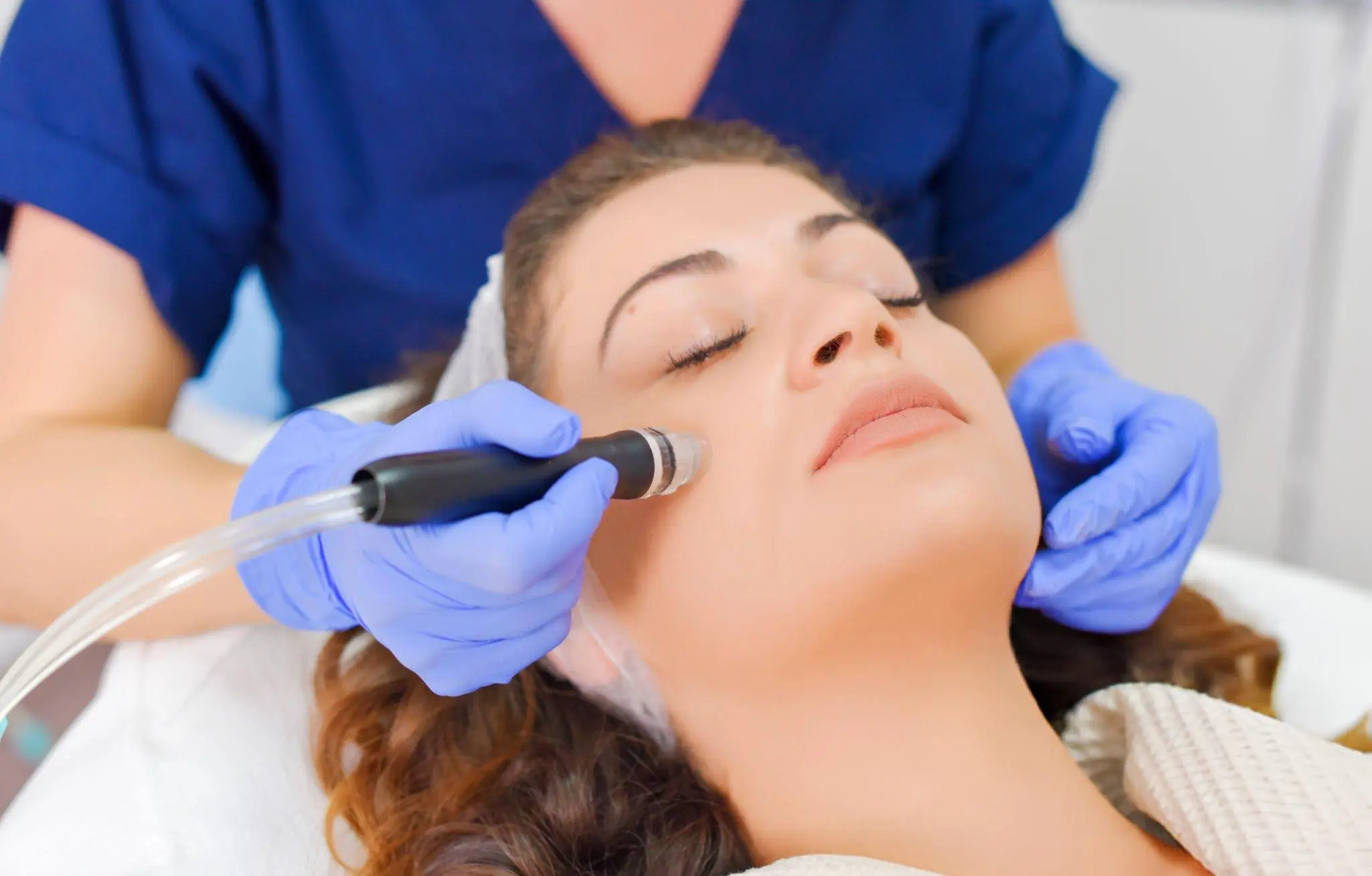
The microneedling device creates controlled micro-channels in the skin, and radiofrequency energy is delivered to deeper layers. This process triggers a biological healing response. The body initiates tissue repair over time, and individual responses vary.
The treatment area may appear red or swollen following the procedure. These responses can occur as part of the skin’s healing process. Redness often settles within 24–48 hours for some individuals, while others may experience small scabs at needle entry points. Healing responses and timelines vary between individuals.
The First 24 Hours: Your Immediate Care Plan
The first day after treatment requires careful skin care and protection. Your skin needs gentle care and protection. Here’s what to do:
- Keep Your Skin Clean: Wash your face very gently with lukewarm water. Use a mild, fragrance-free cleanser. Pat your skin dry with a clean towel. Don’t rub or scrub.
- Apply a Gentle Moisturiser: Your skin will feel tight and dry. Use a simple, hypoallergenic moisturiser. Apply it gently with clean hands. Reapply whenever your skin feels dry.
- Stay Out of the Sun: Sun protection is important during the early healing period. Your treated skin is susceptible to UV rays. Stay indoors if possible. If you must go out, wear a wide-brimmed hat and seek shade.
- Avoid Heat: Skip hot showers, saunas, and steam rooms. Heat can increase swelling and irritation. Stick to cool or lukewarm water for now.
- Don’t Touch: Keep your hands away from the treatment area. Touching the treated area may increase the risk of irritation or infection. If you need to apply products, wash your hands first.
Days 2-7: Managing the Healing Process
During this week, the skin undergoes ongoing healing processes following treatment. You might notice some changes day by day.
What You Might See:
The skin may appear slightly bronzed or darker during this period, sometimes described as micro-crusting. Some individuals may notice small flakes of skin as part of the healing response. These changes can vary between individuals. Avoid picking or attempting to remove any flakes.
Your Daily Routine:
Continue using a gentle cleanser and moisturiser as advised. If recommended by your practitioner, a thin layer of healing ointment may be applied. Using a humidifier may improve comfort in dry environments. Sleeping with your head elevated may help reduce swelling for some individuals, particularly following facial or neck treatments.
What to Avoid:
Don’t use any active skincare ingredients yet. Skip retinoids, acids, and vitamin C serums. These may increase irritation during the healing period. Avoid makeup for at least 48 hours. When you do start wearing makeup again, choose mineral-based products. These may be less likely to contribute to irritation for some individuals. Don’t exercise intensely. Sweating and increased blood flow may contribute to swelling in some individuals. Light walking is fine, but save the gym for later.
Also Read: https://skinduced.com.au/what-is-morpheus8/
Week 2–4: Ongoing Skin Recovery
During this period, deeper layers of the skin continue to undergo recovery processes following treatment. Individual responses vary, and skin changes develop gradually over time.
Gradual Product Introduction: You can slowly add products back to your routine. Start with one new product every few days. Watch how your skin responds. Begin with a gentle vitamin C serum in the morning. This is commonly included in skincare routines as part of general skin care. Add a mild retinol product once or twice a week in the evening. Start slowly and increase frequency as your skin tolerates it.
Hydration is Key: Some individuals may benefit from additional moisturising during this period. Use a good quality hyaluronic acid serum under your moisturiser. Consider adding a weekly hydrating mask. Look for ingredients like ceramides, peptides, and niacinamide. These ingredients are commonly included in moisturising products.
Professional Support: This is a good time for gentle, professional treatments. Some clinics may offer additional professional treatments during this period, where clinically appropriate. Many Australian clinics offer this service. Lymphatic drainage massage can help reduce any lingering swelling. The suitability of any adjunctive treatment should be discussed with your clinician.
Sun Protection After Morpheus8:
In Australia, sun exposure can be significant. Following Morpheus8 treatment, sun protection is particularly important, as treated skin may be more sensitive during the recovery period.
Daily Sun Protection: Applying a broad-spectrum SPF 30 or higher daily is commonly recommended. Apply it 20 minutes before going outside. Reapply every two hours when you’re outdoors. Choose a physical sunscreen with zinc oxide or titanium dioxide. Physical sunscreens containing zinc oxide or titanium dioxide are commonly used for sensitive skin.
Extra Protection Measures: Wear a wide-brimmed hat whenever you’re outside. The brim should be at least 10cm wide to protect your face and neck adequately. Seek shade between 10 am and 4 pm when UV rays are strongest. This is especially important in places like Queensland and NSW, where the sun is intense. Consider window tinting for your car. You get significant sun exposure while driving. Tinted windows may help reduce UV exposure while driving.
Signs Your Skin Needs More Protection: Watch for increased redness or sensitivity. This might mean you’re getting too much sun exposure. If your skin feels hot or stings when you apply products, step up your sun protection game. These signs may indicate increased sun sensitivity during recovery.
Managing Common Side Effects:
Some people may experience side effects after Morpheus8. Knowing what’s normal helps you care for your skin correctly.
Redness and Swelling: Redness and swelling may occur following treatment and typically settle over several days, depending on individual response. Apply cool compresses for 10-15 minutes several times a day. Sleep with your head elevated to reduce morning puffiness. Ice packs wrapped in a soft cloth can provide relief.
Skin Tightness: Some individuals may notice a sensation of skin tightness during the recovery period. This can occur as part of the skin’s response following treatment. Using a suitable moisturiser may help improve comfort, as advised by your clinician.
Micro-crusting and Peeling: Small scabs or peeling skin may occur during the healing process. Don’t pick or scratch at them. Let them fall off naturally. Keep the area moisturised to prevent excessive flaking. A gentle exfoliating cloth can help remove loose skin when you’re past the first week.
Breakouts: Some people experience small bumps or breakouts. This may occur during recovery, including when skin debris affects pores. Use a gentle salicylic acid cleanser once your skin has healed enough. Start slowly to avoid irritation.
Skin Types and Special Considerations
Different skin types may respond differently to Morpheus8 treatment. Here’s what to keep in mind:
Sensitive Skin: If you usually have sensitive skin, recovery timelines may be longer for some individuals. Redness may persist for several days in some cases. Use only gentle products during healing. Avoid fragrances, essential oils, and potent active ingredients during the early recovery period.
Oily Skin: You might notice some individuals may notice changes in oil production initially. This is temporary as your skin recovers. Don’t skip moisturiser even if your skin feels less oily. Proper hydration supports healing regardless of your skin type.
Mature Skin: Skin healing timelines can vary with age and overall skin condition. Some individuals may require a longer recovery period. Focus on gentle care and products that support skin comfort during recovery.
Sun-Damaged Skin: Some individuals may include gentle exfoliation or hydrating products in their routine once healing allows. The suitability and timing of these products should be guided by your clinician.
Building Your Long-Term Skincare Routine
Once initial healing has progressed, you may establish an ongoing skincare routine as advised by your clinician.
Morning Routine: Start with a gentle cleanser suitable for your skin type. Follow with products recommended by your clinician as part of routine skin care. Apply a moisturiser appropriate for your skin, and use broad-spectrum sunscreen as part of daily sun protection.
Evening Routine: Remove makeup and sunscreen using gentle cleansing products. If advised by your clinician, you may use treatment products appropriate for your skin. Apply a night moisturiser to support skin comfort overnight.
Weekly Treatments:Add gentle exfoliation once or twice a week. AHA or BHA products can help maintain smooth skin texture. Use hydrating masks weekly to keep your skin plump and healthy. Sheet masks or overnight masks work well.
When to Seek Professional Help
Healing experiences vary, and it is important to know when to contact your practitioner.
Healing vs. Concerns: Healing responses may include redness, swelling, and mild discomfort during the first few days. Gentle peeling or skin tightness can also occur for some individuals. Contact your practitioner if you experience severe pain, swelling that does not improve, or signs of infection such as pus or spreading redness.
Follow-Up Appointments: Most practitioners schedule a follow-up appointment 1-2 weeks after treatment. This lets them check your healing progress. Use this appointment to ask questions about your recovery. They can also advise when to resume everyday skincare products.
In the planning of future treatments: morphheus8 treatments are often spaced 4-6 weeks apart for desired results. Your practitioner will advise you on the best timing for your skin. Avoid booking additional treatments until your practitioner confirms that your skin has recovered sufficiently from the previous session.
Supporting Your Recovery Over Time
Skin changes following Morpheus8 develop gradually over time, and recovery experiences vary between individuals:
Be Patient with the Process: Skin changes develop gradually following treatment. Timeframes and visible changes vary between individuals.
General Health Support: Maintaining a balanced diet and adequate hydration is part of overall health. Individual skin responses vary, and lifestyle factors may influence recovery experiences.
Maintain Healthy Habits: Smoking may affect circulation and skin recovery. Adequate sleep and stress management are part of general wellbeing during recovery.
Common Questions About Morpheus8 Aftercare
How long before I can wear makeup?
Many practitioners recommend waiting at least 48 hours before applying makeup, depending on individual healing.
When can I return to exercise?
Light activity such as walking may be resumed soon after treatment for some individuals, while more intense exercise is often delayed for several days.
Can I use my regular skincare products?
Stick to gentle cleanser and moisturiser for the first week. Gradually reintroduce active ingredients once your practitioner confirms it is appropriate.
How often should I moisturise?
Apply moisturiser whenever your skin feels tight or dry. Moisturise as needed based on skin comfort, particularly during the early recovery period.
What if my skin looks worse before it looks better?
Some individuals notice temporary changes in skin appearance during recovery. Healing responses and timelines vary between individuals. The process takes time.
Can I go swimming?
Many practitioners advise avoiding pools, spas, and ocean swimming during the early recovery period, depending on individual healing. Chlorine and bacteria can irritate healing skin.
Your Recovery Timeline
The following outlines common recovery phases that may occur after treatment, noting that individual experiences vary:
Days 1–3: Initial Recovery – Redness or swelling may occur for some individuals. Gentle cleansing, moisturising, and sun protection are commonly advised.
Days 4-7: Skin Renewal – Some individuals may notice peeling or micro-crusting as part of the skin’s recovery process.
Weeks 2-4: Deep Healing – Ongoing skin recovery may continue during this period. Skincare routines are often adjusted gradually, as advised by a clinician.
Months 1-3: Collagen Building – Skin changes may continue to develop gradually, with timelines varying between individuals.
Months 3-6: Final Results – Skin appearance may continue to change over time. Longevity of any changes varies between individuals and depends on multiple factors.
Living in Australia: Special Considerations
Australia’s climate may require additional skin care considerations following treatment.
High UV Environment: Australian UV levels are among the highest in the world. Treated skin may be more sensitive to sun exposure during recovery. Check the UV index daily and plan outdoor activities accordingly. Even on cloudy days, UV rays can be intense.
Dry Climate: Many parts of Australia have dry air, especially inland areas. This may contribute to skin tightness or discomfort for some individuals. Use a humidifier indoors and apply moisturiser more frequently than you usually would.
Beach and Pool Culture: If you love beach days and pool time, you’ll need to be extra careful during recovery. Salt water and chlorine can irritate healing skin. Many practitioners advise avoiding swimming during the early recovery period, depending on individual healing. When you return to the water, rinse off immediately afterwards and apply moisturiser.
General Health Considerations During Recovery
General health factors may influence recovery experiences following treatment.
Nutrition Considerations: Maintaining a balanced diet is part of general health. Individual recovery responses vary, and nutritional needs differ between people.
Hydration Matters: Drink water throughout the day. Staying hydrated is part of general wellbeing. Individual hydration needs vary, more if you’re active or in a hot climate. Herbal teas and water-rich foods like cucumber and watermelon also contribute to your hydration levels.
Supplements: Some individuals choose to use supplements as part of general health routines. Any supplementation should be discussed with a healthcare professional before use.
Your Recovery Shopping List
Here are commonly recommended products used during recovery, depending on individual needs:
Week 1 Essentials
- Gentle, fragrance-free cleanser
- Simple, hypoallergenic moisturiser
- Broad-spectrum SPF 30+ sunscreen
- Healing ointment (if recommended by your practitioner)
Week 2-4 Additions
Introduced gradually and only if advised by your practitioner.
- Hyaluronic acid serum
- Gentle vitamin C serum
- Hydrating face mask
- Mild exfoliating product
Long-term Maintenance
Suitability and timing vary and should be guided by professional advice.
- Quality retinol or retinoid product
- AHA or BHA exfoliant
- Nourishing night cream
- Weekly treatment masks
Ongoing Care After Treatment
Ongoing skin care may support recovery and skin health following treatment:
Sun Protection: Sun protection is commonly recommended following treatment, as treated skin may be more sensitive to UV exposure. Using sunscreen regularly is part of general skin care advice during recovery.
Professional Review: Follow-up appointments and periodic reviews may be recommended by your practitioner based on individual skin response and goals.
Skincare Products: Product selection should be based on skin type, tolerance, and professional advice. Not all products are suitable for every individual following treatment.
Ready to give your skin the care it needs?
Your Morpheus8 treatment marks the beginning of your recovery journey, and ongoing care is an important part of that process. If you are feeling uncertain about any aspect of your recovery, professional guidance can help you understand what to expect. At Skinduced Aesthetics Clinic, we recognise that aftercare plays a role in supporting recovery alongside treatment.
Our team provides support and information throughout the recovery process. We can answer questions about healing, discuss appropriate aftercare, and provide guidance based on individual skin assessments. Advice is tailored to your skin type, tolerance, and clinical considerations.
If you would like professional advice, you can book a consultation with our team. A clinician can assess your skin, answer questions, and discuss suitable care options based on individual needs and clinical assessment. Contact Skinduced Aesthetics Clinic to arrange a consultation.
